
More than a simple inquiry, understanding “What time is it in California?” is the foundational key to unlocking an unforgettable journey through the Golden State. For any traveler, whether planning a short getaway or an extended stay, deciphering California’s time zones, their implications for jet lag, and how they intertwine with the state’s vibrant travel, tourism, and lifestyle offerings is paramount. This article delves beyond the mere clock face, exploring how time influences everything from booking accommodations and planning itineraries to experiencing the local culture and making the most of every precious moment in this diverse United States destination. From the bustling metropolises of Los Angeles and San Francisco to the serene landscapes of Yosemite National Park and the sun-drenched vineyards of Napa Valley, knowing the time is the first step to truly living the California dream.
Navigating California’s Time Zone: Pacific Standard Time (PST) and Pacific Daylight Time (PDT)
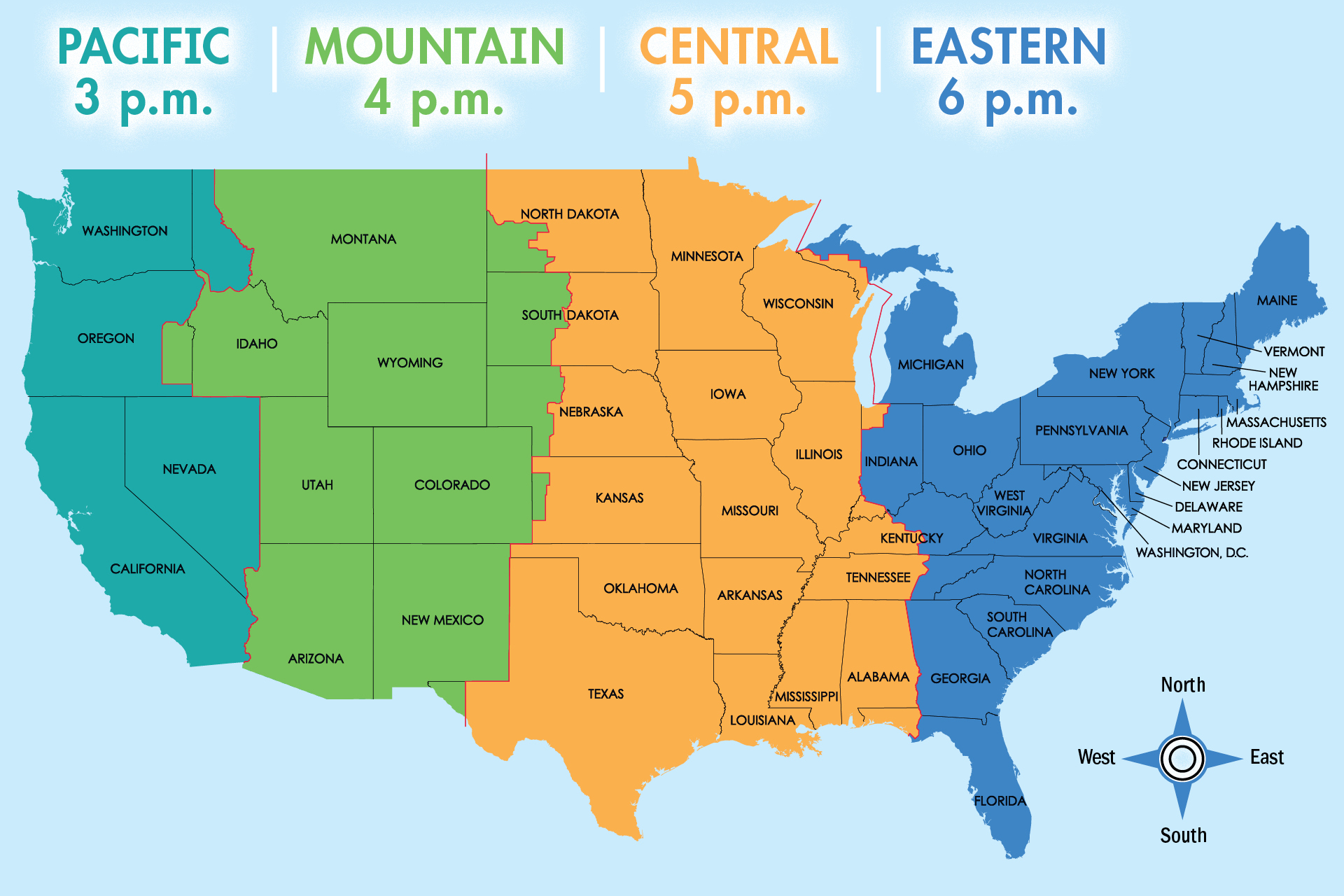
At its core, California operates on a single time zone, but with a crucial distinction between winter and summer months. This consistent approach simplifies planning within the state itself, yet it presents considerations for travelers arriving from other parts of the world or the United States.
Understanding PST and PDT: The Rhythms of the Golden State
During the standard time period, which typically runs from early November to mid-March, California observes Pacific Standard Time (PST). This means it is eight hours behind Coordinated Universal Time (UTC-8). As spring arrives, usually on the second Sunday in March, the state shifts to Pacific Daylight Time (PDT), advancing clocks forward by one hour to UTC-7. This change is part of a broader effort across much of the United States to maximize daylight hours during warmer months, offering longer evenings for outdoor activities and leisure. The transition back to PST occurs on the first Sunday in November, when clocks “fall back” by one hour.
This annual ritual of daylight saving has significant implications for tourism and lifestyle in California. The extended daylight during PDT allows visitors and locals alike to enjoy attractions well into the evening, from sunset strolls along Santa Monica Pier to late-afternoon hikes in the national parks. For those traveling internationally, or even domestically from the East Coast, understanding this shift is vital for accurately converting arrival times and managing schedules. It’s a reminder that while the state operates on a single zone, its relationship with time is dynamic, reflecting a desire to fully embrace its natural beauty and outdoor-centric lifestyle.
The Impact on Your Travel Plans: Jet Lag, Scheduling, and Communication
For many, the most immediate effect of time zone differences is jet lag. Traveling to California from regions significantly to the east, such as Europe, Asia, or even the Eastern United States, can disrupt your body’s internal clock. Symptoms like fatigue, insomnia, and reduced concentration are common, making the first few days of a trip a challenge. Strategic planning, such as gradually adjusting your sleep schedule before departure, staying hydrated, and exposing yourself to natural light upon arrival, can help mitigate these effects. Hotels in California, especially those catering to business and luxury travelers, often provide amenities and services designed to assist with jet lag recovery, from blackout curtains to 24-hour room service.
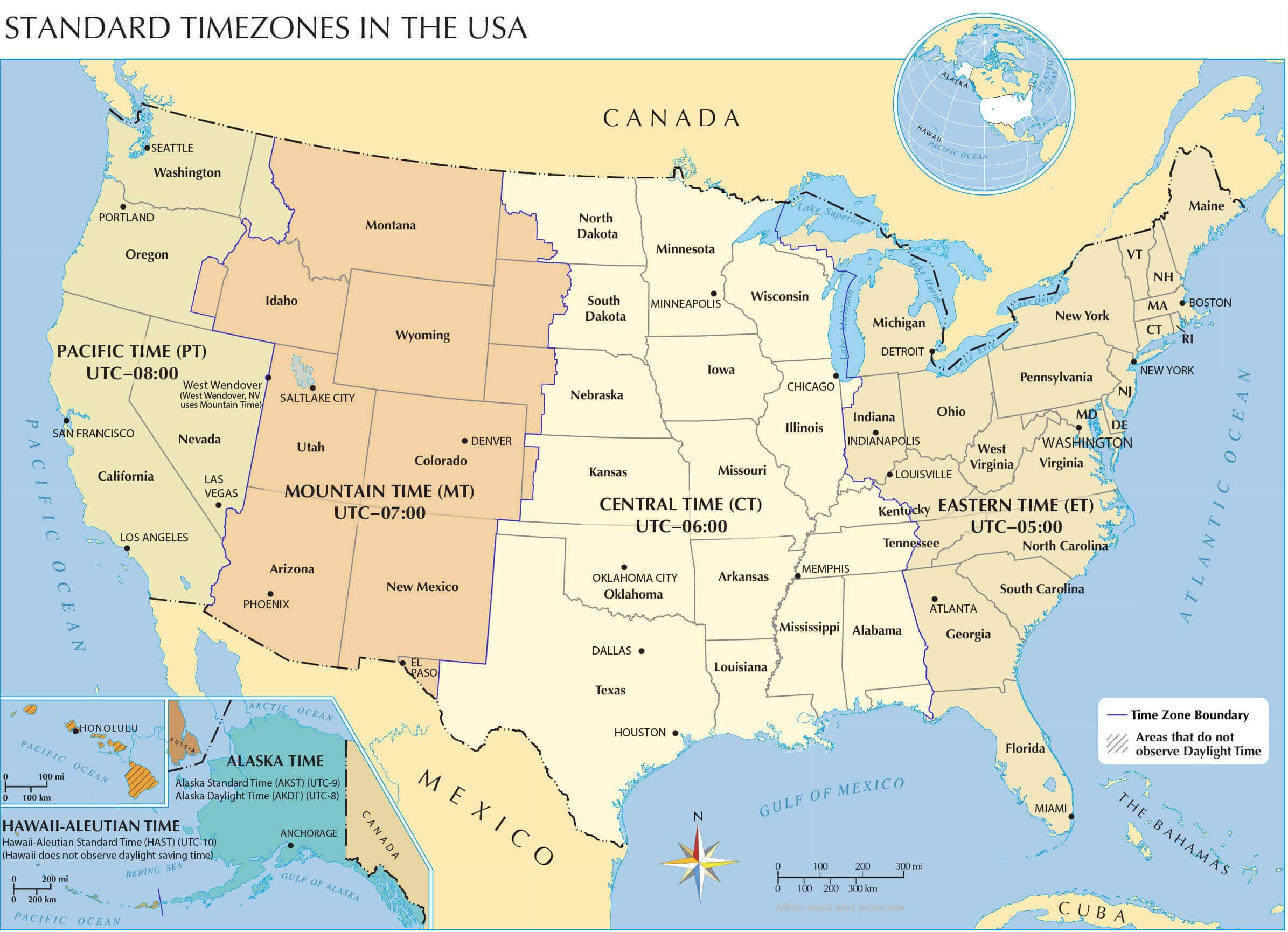
Beyond personal well-being, time zones critically impact the practical aspects of your journey. Booking flights and making hotel reservations require careful attention to departure and arrival times, ensuring seamless transitions. For example, a flight arriving at 2 PM local time might feel like 5 PM to someone coming from New York, affecting their ability to immediately embark on activities or attend scheduled meetings. Communication with friends, family, or business contacts in other time zones also becomes a primary consideration. Scheduling virtual meetings or calls requires a clear understanding of the time difference to avoid inconvenient hours. Many travel guides and apps offer easy time zone conversion tools, but a manual check is always recommended to prevent mishaps.
Maximizing Your California Experience: Timing Your Visit and Activities
The question of “what time is it” extends beyond the literal clock face; it encompasses the broader timing of your visit. California’s vast geographical diversity means that the “best time” to experience its wonders can vary dramatically, influencing everything from the availability of accommodations to the vibrancy of local events.
Ideal Seasons for Exploration: Weather, Crowds, and Events
Choosing the right season to visit California is crucial for a tailored travel experience. Each season presents a unique set of advantages and challenges in terms of weather, crowd levels, and special events.
-
Spring (March to May): Often considered one of the best times to visit. The weather is generally mild and pleasant across the state, with wildflowers blooming in many natural areas like Joshua Tree National Park and the Central Valley. Major cities like San Diego and Los Angeles enjoy sunny days without the intense heat of summer. It’s an excellent time for wine tasting in Napa Valley or Sonoma Valley before peak tourist season. Crowd levels are manageable, though popular destinations begin to see an increase as spring break season kicks in. Events like the Coachella Valley Music and Arts Festival draw large crowds to Palm Springs.
-
Summer (June to August): This is peak tourist season, characterized by warm to hot temperatures, especially inland. Coastal areas, however, often benefit from the “June gloom” or “May gray” phenomenon, where mornings are foggy and cool before burning off to sunny afternoons. Summer is ideal for beach vacations in Santa Monica or San Diego, and for exploring the high country of Yosemite National Park or Lake Tahoe where snow has melted, allowing access to hiking trails and water activities. Expect higher prices for accommodations and flights, and larger crowds at major attractions like Disneyland Park and Universal Studios Hollywood. Booking well in advance is essential.
-
Fall (September to November): Another fantastic time to visit, often with fewer crowds than summer and still pleasant weather. September and October can be particularly delightful, with warm days extending into the fall, especially along the coast. It’s harvest season in wine country, making it a vibrant time for vineyard tours and tastings. The desert regions like Death Valley National Park become more accessible as temperatures cool. Fall foliage provides stunning backdrops in mountainous areas like Mammoth Lakes. Accommodation prices may begin to decrease after the summer rush.
-
Winter (December to February): While some regions like the mountains experience significant snowfall, turning into ski resorts such as Squaw Valley Alpine Meadows, much of coastal California enjoys mild, rainy weather. This is an excellent time for storm watching along Big Sur, exploring museums in Los Angeles or San Francisco without the crowds, or enjoying the desert warmth of Palm Springs. Whale watching season is in full swing, and festive events like the Rose Parade in Pasadena draw visitors. Lower demand often means better deals on hotels and flights, making it a good option for budget-conscious travelers.
Day-to-Day Planning: Making the Most of Daylight Hours and Avoiding Peak Times
Once you’ve chosen your season, daily timing becomes key. In a state as popular as California, strategic timing can significantly enhance your experience. Arriving at popular attractions like the Golden Gate Bridge or Alcatraz Island early in the morning, right when they open, often allows for a more tranquil visit before the crowds gather. Conversely, many museums and cultural institutions have extended evening hours on certain days, offering a different ambiance and potentially fewer visitors.
For outdoor activities, leveraging daylight hours is essential. Early morning hikes provide cooler temperatures and stunning sunrise views, while late afternoon excursions can culminate in breathtaking sunsets over the Pacific Ocean. Understanding local rhythms – when businesses open, when traffic peaks, and when restaurants are busiest – will make your trip smoother. For example, avoiding rush hour in Los Angeles can save hours of frustration, redirecting that time towards exploring Beverly Hills or Hollywood. Many online travel guides and apps offer real-time information on crowd levels and traffic, becoming invaluable tools for the savvy traveler.
Planning Your California Adventure: Destinations, Accommodations, and Logistics
The true magic of California lies in its incredible diversity, offering everything from world-class cities to pristine wilderness. Effective time management and planning are indispensable for navigating this vast landscape and making the most of its offerings.
Iconic Cities and Their Rhythms: Los Angeles, San Francisco, San Diego
Each of California’s major cities has its own unique rhythm and optimal timing for exploration.
-
Los Angeles: The sprawling metropolis requires careful planning due to its size and notorious traffic. Early mornings are best for hitting popular attractions like Universal Studios Hollywood or Disneyland Park to beat the lines. Mid-day can be spent exploring specific neighborhoods like Beverly Hills and Rodeo Drive, or museums. Evenings come alive with dining, entertainment, and the vibrant nightlife of Hollywood. Consider staying in different areas or utilizing public transport and ride-sharing services strategically to minimize travel time between destinations.
-
San Francisco: Known for its microclimates, San Francisco can be foggy in the mornings, especially in summer. The best time to photograph the Golden Gate Bridge might be late morning or afternoon. Walking tours are popular, and cable car rides offer iconic views. Dining here is a major attraction, with reservations often needed well in advance, particularly for popular spots. Alcatraz Island tours also require booking months ahead, highlighting the importance of early planning for key landmarks.
-
San Diego: With its consistently pleasant weather, San Diego is ideal for year-round outdoor activities. Mornings are perfect for beach visits or exploring Balboa Park. Afternoons can be spent at the San Diego Zoo or USS Midway Museum. Evenings offer a relaxed atmosphere with diverse dining options, particularly in the Gaslamp Quarter. The city’s proximity to Mexico also makes for easy day trips to Tijuana, but remember to factor in border crossing times.
Beyond the Cities: Natural Wonders and Their Best Times
California’s natural landscapes demand different timing considerations.
-
Yosemite National Park: Spring and early summer are ideal for experiencing the waterfalls at their fullest flow, though reservations for lodging inside the park and even for vehicle entry during peak seasons are often required well in advance. Late summer and fall offer excellent hiking conditions with fewer crowds, but water features may be diminished. Winter transforms the park into a snowy wonderland, perfect for cross-country skiing, but many roads are closed.
-
Napa Valley and Sonoma Valley: Harvest season in the fall (September-October) is the most vibrant, but also the busiest. Spring and summer offer beautiful weather for vineyard tours and tastings. Weekday visits are generally less crowded than weekends. Early morning hot air balloon rides over the vineyards are a timeless experience.
-
Lake Tahoe: A year-round destination. Summer is for swimming, boating, and hiking, while winter is synonymous with world-class skiing at resorts like [Squaw Valley Alpine Meadows](https://lifeoutofthebox.com/squaw-valley-alpine- أو Palisades Tahoe). Spring and fall offer quieter beauty and often better deals on accommodations.
-
Deserts (Death Valley National Park, Joshua Tree National Park, Palm Springs): Best visited in fall, winter, and spring when temperatures are bearable. Summer heat can be extreme and dangerous, limiting outdoor activities to very early mornings or late evenings, if at all.
Accommodation Choices and Timing: Booking Strategies, Check-in/Check-out, Early Arrival/Late Departure
The timing of your booking can significantly impact the cost and availability of accommodations. Popular hotels and resorts in prime locations, especially during peak seasons or major events, can sell out months in advance. Early booking is always recommended for securing desired lodging, whether it’s a luxury suite in Beverly Hills, a quaint boutique hotel in Napa Valley, or a family-friendly resort near Disneyland Park.
Standard check-in times are typically in the afternoon (e.g., 3 PM or 4 PM), and check-out is in the late morning (e.g., 11 AM or 12 PM). If your flight arrives early or departs late, consider contacting your hotel in advance to inquire about early check-in or late check-out options. Many hotels, particularly those offering long-term stays or catering to business travelers, are flexible or offer baggage storage facilities. Some luxury hotels might even offer amenities like day-use rooms or lounge access for guests with extended waits. Understanding these policies can prevent unnecessary stress and maximize your time in California. Always confirm the local time for these arrangements to avoid any confusion.
Embracing the California Lifestyle: From Early Birds to Night Owls
California’s allure is deeply intertwined with its diverse lifestyle, a rhythm that pulsates from the pre-dawn surf sessions on its beaches to the late-night buzz of its urban centers. Understanding this temporal ebb and flow is key to immersing yourself in the local culture, whether you’re seeking gourmet experiences, thrilling entertainment, or productive business engagements.
Culinary Delights Around the Clock: Brunch, Happy Hour, Late-Night Dining
The California culinary scene operates on its own dynamic clock, catering to every palate and schedule.
- Morning: Early risers can grab a fresh, farm-to-table breakfast or a healthy smoothie from a local cafe before heading out to explore. The coffee culture is strong, especially in urban hubs like San Francisco’s Silicon Valley or Los Angeles’ Silver Lake.
- Brunch: A quintessential California experience, particularly on weekends. From lavish hotel buffets to trendy neighborhood eateries, brunch reservations are often a must, especially in popular spots in Santa Monica or Beverly Hills.
- Lunch: Can range from casual food trucks offering diverse cuisines to upscale business lunches.
- Happy Hour: Typically running from late afternoon into early evening, happy hour is a beloved tradition across the state. It’s an excellent opportunity to sample local craft beers, Napa Valley wines, or innovative cocktails at reduced prices, often accompanied by tempting appetizers. This is a prime time for socializing and experiencing the local bar scene.
- Dinner: While many restaurants in smaller towns or wine country might close earlier, major cities like Los Angeles and San Francisco boast a vibrant late-night dining scene. Whether you’re craving gourmet cuisine, international flavors, or a classic American diner experience, you’ll find options well into the night. It’s common for popular restaurants to require reservations, especially for prime dining slots between 7 PM and 9 PM. Exploring local food festivals and farmers’ markets, often held at specific times during the week, also offers a taste of California’s abundant produce and culinary innovation.
Events and Entertainment: Concerts, Festivals, Theme Parks – Timing is Key
California’s entertainment calendar is packed year-round, but timing your visit with specific events can elevate your trip from great to extraordinary.
- Concerts and Live Shows: From intimate jazz clubs to massive arena concerts at venues like the Hollywood Bowl, live music is a cornerstone of the California lifestyle. Checking schedules and booking tickets in advance is crucial, especially for popular artists or Broadway productions in Los Angeles or San Francisco.
- Festivals: The state hosts world-renowned festivals throughout the year, from the aforementioned Coachella Valley Music and Arts Festival to film festivals, wine festivals, and cultural celebrations. These events often require tickets to be purchased months in advance and significantly impact accommodation availability and prices in the surrounding areas.
- Theme Parks: Disneyland Park and Universal Studios Hollywood are massive attractions that demand strategic timing. Arriving at opening, utilizing fast passes (if available), and planning your route through the park efficiently are essential to maximize your experience and minimize wait times. Visiting during off-peak seasons (like mid-week in spring or fall) can also drastically reduce crowds. Many parks offer extended hours during peak season or special events, allowing for magical evening experiences.
- Sports: Catching a game, whether it’s baseball, basketball, or football, is another integral part of the California experience. Game schedules vary, so planning around them is vital for sports enthusiasts. Even sailing events, like the America’s Cup when hosted in San Francisco, have specific timings for races.
Business and Leisure: Tailoring Your Trip to Suit Your Purpose
For business travelers, understanding California’s time zone is paramount for coordinating meetings with colleagues on the East Coast, in Europe, or Asia. Many hotels in business hubs like Los Angeles, San Francisco, and Silicon Valley cater specifically to corporate guests, offering amenities like high-speed internet, business centers, and meeting rooms with flexible booking times. The “work-life balance” ethos is strong here, so planning leisure activities around business commitments is often encouraged. For example, a business trip to San Francisco could easily include an evening visit to the Golden Gate Bridge or a gourmet dinner in the city.
Leisure travelers, on the other hand, have the flexibility to design their schedule entirely around their interests. Whether it’s an early morning yoga session on the beach, a mid-day museum tour, or a late-night stroll through a bustling neighborhood, California offers experiences at all hours. Family trips, romantic getaways, or solo adventures each benefit from a unique approach to time management, ensuring that every moment is tailored to the desired pace and preferences.
Ultimately, “What time is it in California?” is a question that opens the door to a deeper understanding of this magnificent state. It’s a prompt for strategic planning, cultural immersion, and mindful travel. From the specific nuances of Pacific Standard Time and Pacific Daylight Time to the best seasons for visiting national parks like Redwood National Park or exploring the vibrant scenes of Los Angeles and San Francisco, time is a constant, guiding factor. By taking the time to understand time itself in California, you set the stage for a truly enriching and unforgettable adventure, optimizing your enjoyment of every attraction, amenity, and experience that the Golden State generously offers. So, synchronize your watch, pack your bags, and prepare to embark on a journey where every minute counts in the land of endless possibilities.
LifeOutOfTheBox is a participant in the Amazon Services LLC Associates Program, an affiliate advertising program designed to provide a means for sites to earn advertising fees by advertising and linking to Amazon.com. Amazon, the Amazon logo, AmazonSupply, and the AmazonSupply logo are trademarks of Amazon.com, Inc. or its affiliates. As an Amazon Associate we earn affiliate commissions from qualifying purchases.