
For any traveler embarking on a journey to the diverse landscapes and vibrant cities of the United States, understanding the intricacies of time zones is not merely a matter of curiosity but a fundamental aspect of planning a seamless and enjoyable trip. When the question “What time is it in America now, California?” arises, it immediately highlights the continent-spanning nature of the nation and the crucial role that temporal differences play in everything from flight schedules to hotel check-ins and the timing of your eagerly anticipated tourism experiences.
California, often hailed as the Golden State, offers an unparalleled array of destinations, from the sun-drenched beaches of San Diego to the majestic redwoods of the north, the glitz of Hollywood in Los Angeles, and the iconic hills of San Francisco. Each corner promises unique experiences, but unlocking them effectively requires a solid grasp of local time. This article will serve as your comprehensive guide to navigating America’s time zones, with a specific focus on California, ensuring your travel plans are perfectly synchronized. We’ll delve into the practical implications for your accommodation, sightseeing, and overall lifestyle management, making sure you make the most of every precious moment in this captivating state.
Decoding America’s Time Zones: A Traveler’s Essential Guide
The sheer geographical expanse of the United States necessitates multiple time zones, a system designed to keep solar time consistent across various longitudes. For international travelers and domestic adventurers alike, recognizing and adapting to these temporal shifts is a cornerstone of effective trip planning.
The Continental Tapestry: Understanding America’s Main Time Zones
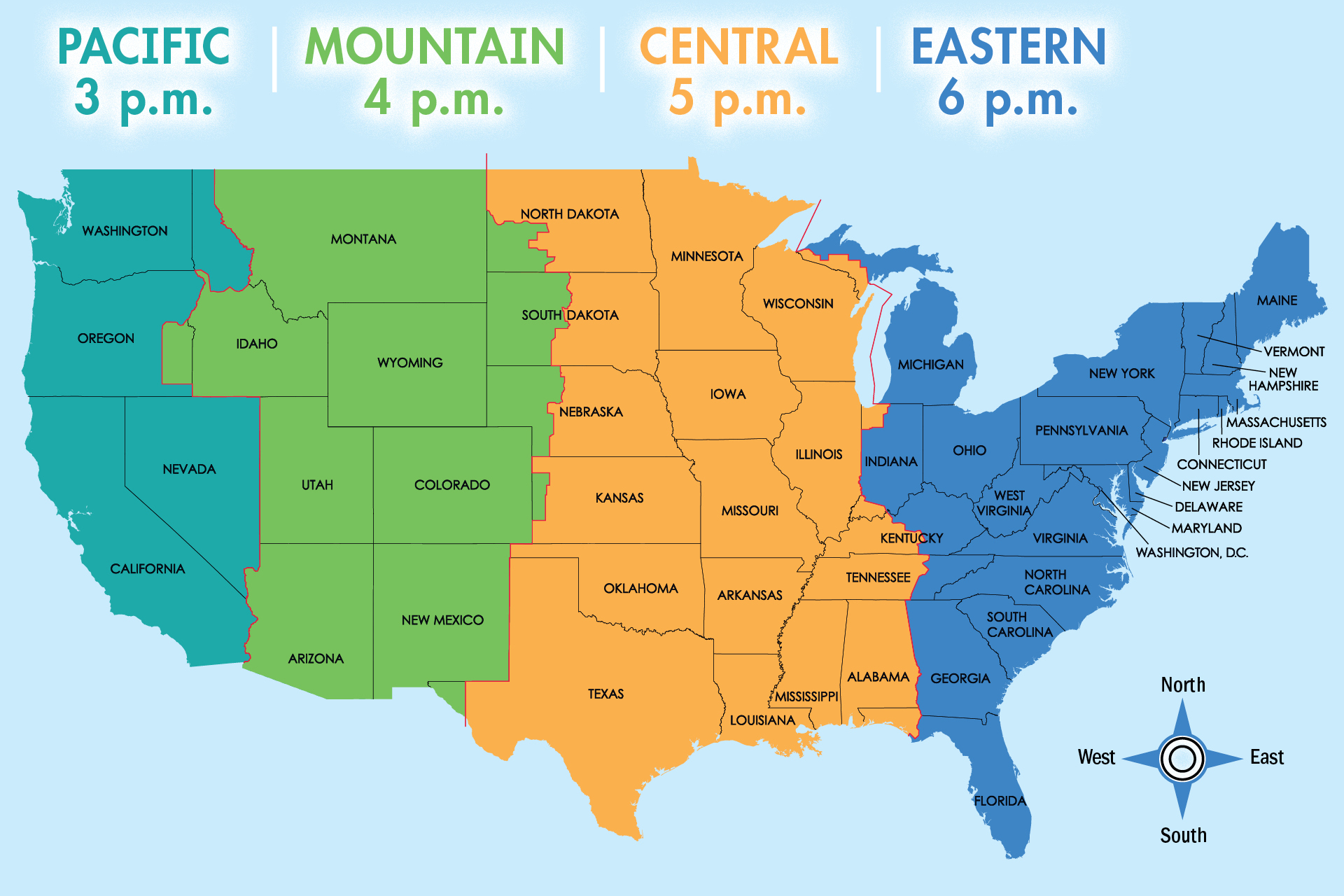
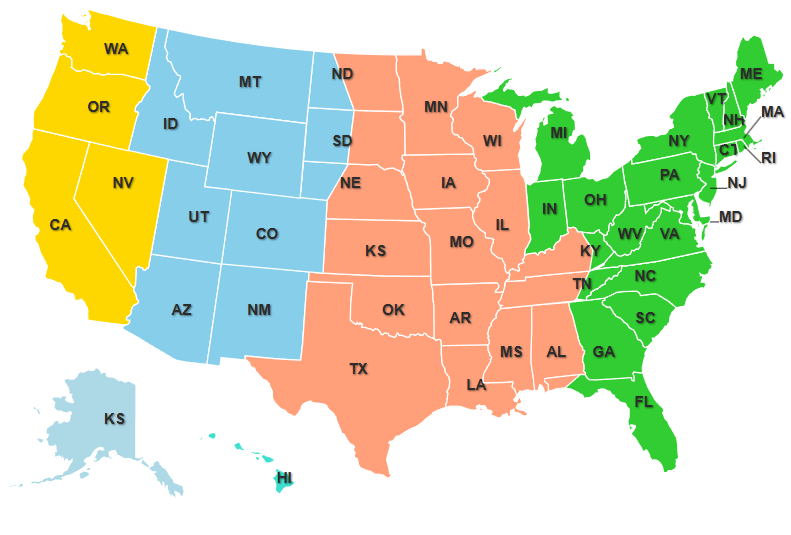
The contiguous USA is primarily divided into four standard time zones, each progressing by one hour:
- Eastern Time (ET): This is the easternmost zone, encompassing states like New York, Florida, and much of the east coast. It’s often referenced as the baseline for national events and broadcast schedules.
- Central Time (CT): One hour behind ET, this zone covers the central plains, including Chicago, Dallas, and New Orleans.
- Mountain Time (MT): Another hour back from CT, MT includes states like Colorado, Arizona (which largely observes Mountain Standard Time year-round without Daylight Saving Time), and parts of Idaho.
- Pacific Time Zone (PT): The westernmost contiguous USA zone, covering the entire state of California, along with Oregon, Washington, and Nevada.
Beyond these, Alaska observes Alaska Time, and Hawaii and parts of the Aleutian Islands observe Hawaii-Aleutian Time, both further west and earlier in the day. Most of these regions, with exceptions like Arizona, participate in Daylight Saving Time (DST), where clocks are moved forward by one hour in the spring and back in the autumn. This annual shift means that while the core offset between zones remains, the absolute UTC (Coordinated Universal Time) offset changes.
California’s Clock: The Pacific Time Zone Explained
All of California operates on Pacific Time Zone (PT). During standard time (roughly November to March), this is UTC-8. When Daylight Saving Time is in effect (roughly March to November), it becomes Pacific Daylight Time (PDT), which is UTC-7.
This means that if it’s 3:00 PM in California (PDT during summer months):
- It’s 4:00 PM in Mountain Time (MDT).
- It’s 5:00 PM in Central Time (CDT).
- It’s 6:00 PM in Eastern Time (EDT).
Conversely, if you’re flying in from New York City (ET), California will be three hours behind. This time difference is crucial for coordinating arrivals, virtual meetings, or simply knowing when to call friends and family back home.
Navigating Time Differences: Implications for Your California Journey
Understanding California’s position within the Pacific Time Zone is more than academic; it has profound practical implications for every aspect of your travel and stay.
Planning Your Travel Itinerary and Bookings
The most immediate impact of time zones will be felt in your travel logistics.
- Flights: Always double-check flight departure and arrival times in the local time of each airport. A flight departing New York City at 9:00 AM ET might arrive in Los Angeles at 12:00 PM PT, making it seem like a short trip, but the actual duration is six hours. Miscalculating this can lead to missed connections or unexpected delays.
- Hotels and Accommodation: Hotel check-in and check-out times are strictly based on local time. If you’re arriving from an Eastern Time zone, your body might feel like it’s 6:00 PM, but in California, it’s only 3:00 PM, potentially giving you more flexibility for early check-in or necessitating a plan for luggage storage if you arrive before your room is ready. When booking resorts, apartments, or villas across time zones, confirm all reservation times in local California time.
- Car Rentals and Tours: Similarly, pick-up and drop-off times for rental cars, as well as the start times for pre-booked tours or activities, will be in Pacific Time. Missing the departure of a Napa Valley wine tour or a Hollywood studio tour because of a time zone mix-up can be a costly mistake.
Beating the Clock: Managing Jet Lag and Optimizing Your Stay
Jet lag is a significant consideration, especially for those traveling east-to-west across multiple time zones to reach California. Your internal body clock, accustomed to your departure time zone, will clash with the local Pacific Time, leading to fatigue, disturbed sleep, and reduced enjoyment of your trip. Managing this is a key aspect of maximizing your lifestyle during travel.
- Pre-Adjustment: Start adjusting your sleep schedule a few days before your trip by going to bed and waking up earlier or later, depending on your direction of travel.
- Hydration and Nutrition: Stay well-hydrated throughout your flight and avoid excessive caffeine and alcohol, which can exacerbate jet lag symptoms.
- Sunlight Exposure: Upon arrival, expose yourself to natural sunlight, especially in the morning, to help reset your circadian rhythm to California’s local time.
- Strategic Napping: If you must nap, keep it short (20-30 minutes) to avoid falling into deep sleep and further disrupting your night’s rest.
- Embrace the Local Rhythm: Try to eat meals at local mealtimes, even if you’re not hungry, to help your body adapt.
For those engaging in luxury travel or business stays, optimizing for jet lag allows for immediate productivity or enjoyment. Even for budget travel or family trips, minimizing jet lag ensures everyone can fully participate in the planned activities without undue fatigue.
Time-Sensitive Tourism and Experiences in the Golden State
California’s appeal lies in its diverse range of attractions and local culture. From world-famous landmarks to bustling city events and exquisite dining, being time-aware is paramount to a fulfilling visit.
Landmarks and Attractions: When to Visit
Many of California’s iconic landmarks and attractions have specific operating hours, and popular spots often require timed entry tickets or advance booking.
- Theme Parks: Disneyland Park in Anaheim and Universal Studios Hollywood in Los Angeles open early and close late, with hours varying seasonally. Always check their official websites for the most current Pacific Time schedules. Arriving early is often key to beating crowds.
- National Parks: Yosemite National Park, Death Valley National Park, and Redwood National Park are generally accessible 24/7, but visitor centers, specific roads, and ranger-led activities have set hours. For example, planning to catch the sunrise over Yosemite Valley requires knowing the exact sunrise time in PT.
- City Landmarks: Visiting the Golden Gate Bridge in San Francisco is an all-day affair, but nearby Alcatraz Island requires timed ferry tickets booked well in advance. The Hollywood Walk of Fame and Santa Monica Pier are generally open, but rides and shops will have operating hours. Museums, like the Getty Center or the California Academy of Sciences, adhere to strict schedules, often closing one day a week.
When planning your itinerary, factor in not just the time difference but also the typical duration of your visit to each site. Consider the time it takes to travel between attractions and account for potential traffic, especially in metropolitan areas like Los Angeles or San Francisco, which can significantly eat into your precious sightseeing hours.
Dining, Events, and Local Lifestyle
California’s vibrant lifestyle offers a plethora of dining experiences, cultural events, and entertainment options, all operating on Pacific Time.
- Restaurant Reservations: From Michelin-starred dining in San Francisco to casual beachside food trucks, popular eateries often require reservations, especially for peak dinner hours (usually 7:00 PM – 9:00 PM PT). If you’re booking from a different time zone, ensure you’re making the reservation for the correct local time.
- Shows and Performances: Catching a Broadway show in San Francisco, a concert at the Hollywood Bowl, or a comedy set in Los Angeles means adhering to scheduled curtain times. Missing the start of a show due to a time zone miscalculation can be disappointing and non-refundable.
- Sporting Events: California is home to numerous professional sports teams across MLB, NBA, NFL, and NHL. Game times are always listed in local PT.
- Business Hours: While many major cities are 24/7, general business hours for shops, banks, and other services will typically be 9:00 AM to 5:00 PM PT on weekdays. This is particularly relevant for business stays or if you need to access specific services.
Embracing the local culture means living on local time. This provides an authentic experience and ensures you don’t miss out on spontaneous opportunities or pre-planned events.
Practical Tips for a Seamless California Adventure
Navigating time zones doesn’t have to be a source of stress. With a few smart tips, you can ensure your California travel flows effortlessly.
Time Zone Tools and Resources
- Smartphone Settings: Most modern smartphones automatically update to the local time zone when you arrive at a new location. Ensure this feature is enabled on your device.
- World Clock Apps: Utilize world clock apps on your phone or computer to quickly check the current time in different cities simultaneously. This is especially useful for coordinating with people in other time zones.
- Online Converters: Websites offer simple time zone converters where you can input a time and location and see its equivalent in another. These are handy for initial planning.
- Confirm All Bookings: When receiving booking confirmations for flights, hotels, tours, or restaurants, always verify that the times listed are for the correct local time zone. When in doubt, call the service provider for clarification.
- Hotel Amenities: Modern hotels often have bedside clocks with dual time zone displays or can assist with wake-up calls tailored to your needs. Take advantage of these amenities.
Embracing the Rhythm: A Final Word on Your California Experience
The question “What time is it in America now, California?” is the gateway to a well-planned and thoroughly enjoyable trip. By understanding the Pacific Time Zone and its implications, you empower yourself to make informed decisions about your travel logistics, manage potential jet lag, and maximize your time exploring the Golden State’s incredible attractions.
From the moment you begin your booking process for hotels or resorts to the minute you step into a California vineyard in Napa Valley or explore the tech giants of Silicon Valley, being mindful of the clock will significantly enhance your experience. So, set your watch, embrace the lifestyle, and prepare for an unforgettable adventure where every second counts. Your journey through California awaits, perfectly timed.
LifeOutOfTheBox is a participant in the Amazon Services LLC Associates Program, an affiliate advertising program designed to provide a means for sites to earn advertising fees by advertising and linking to Amazon.com. Amazon, the Amazon logo, AmazonSupply, and the AmazonSupply logo are trademarks of Amazon.com, Inc. or its affiliates. As an Amazon Associate we earn affiliate commissions from qualifying purchases.