
For many travelers venturing into the vast, sun-drenched landscapes of the American Southwest, figuring out the local time can be a surprisingly intricate puzzle. While most of the United States diligently springs forward and falls back with Daylight Saving Time (DST), Arizona stands as a notable exception. This unique time zone anomaly isn’t just a quirky fact; it has profound implications for travel planning, business operations, and the rhythm of daily life across the state, adding an intriguing layer to the travel experience in this captivating destination.
Imagine planning a meticulously curated itinerary, from exploring the vibrant arts scene of Sedona to witnessing the breathtaking grandeur of the Grand Canyon. The last thing you want is to miss a crucial tour departure or arrive late for a coveted dinner reservation simply because of a time zone miscalculation. Understanding Arizona’s consistent observance of Mountain Standard Time (MST) year-round is not merely a matter of convenience; it’s a vital piece of information that enhances the seamlessness of any journey through its diverse regions. This distinctive approach to time is deeply embedded in the state’s history, climate, and local culture, shaping everything from the timing of sunrise hikes to the schedule of business meetings. For those accustomed to the biannual time change, arriving in Arizona can feel like stepping into a parallel temporal dimension, especially during the summer months when much of the nation is an hour ahead.
Arizona’s Enduring Time Zone Anomaly
The question “What time is it in Arizona?” often elicits a response that requires a bit more explanation than one might expect. Since 1968, with a brief interruption, the vast majority of Arizona has chosen to forgo the ritual of Daylight Saving Time. This decision positions the state firmly on Mountain Standard Time (MST) throughout the entire year, a constant that sets it apart from its neighbors and the rest of the country.
A Deep Dive into Mountain Standard Time (MST)
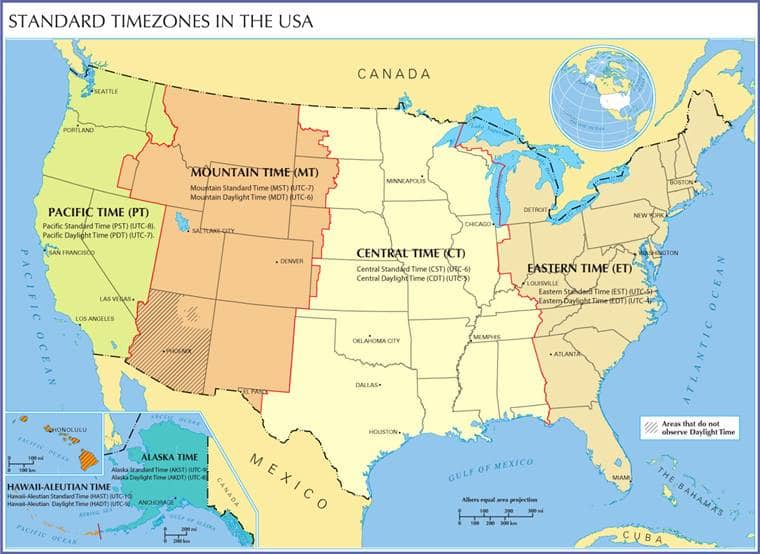
Mountain Standard Time (MST) aligns with UTC-7 (Coordinated Universal Time minus seven hours). For much of the year, particularly from early November to mid-March, this puts Arizona in sync with the Mountain Time Zone states that do observe DST, such as Colorado, Utah, and New Mexico. However, when those states “spring forward” into Mountain Daylight Time (MDT) in mid-March, Arizona remains steadfastly on MST. During these months, typically from mid-March to early November, Arizona’s time aligns with that of Pacific Daylight Time (PDT), which is observed in neighboring California and Nevada. This means that for nearly two-thirds of the year, Phoenix and Los Angeles share the same clock, while Phoenix is an hour behind Denver.
This consistent timekeeping simplifies daily life for residents, removing the biannual disruption of adjusting clocks. For travelers and businesses, however, it introduces a crucial variable that must be carefully considered. Imagine booking a flight from Las Vegas to Phoenix in July; while the flight itself might only be an hour, the lack of time change means you gain an hour upon arrival. Conversely, flying from Phoenix to Denver in the summer means losing two hours from your perspective. These nuances are vital for ensuring smooth transitions when planning travel, accommodation bookings, and any activities that cross state lines.
The Rationale Behind Arizona’s DST Exemption
Arizona’s decision to opt out of Daylight Saving Time is rooted in a pragmatic understanding of its geography and climate. The primary argument against DST in a state known for its intense summer heat revolves around energy conservation. The goal of DST is typically to extend daylight into the evening, theoretically reducing the need for artificial lighting. However, in Arizona, particularly in major cities like Phoenix and Tucson, extended daylight hours in the summer often mean more hours of oppressive heat. If the clocks were moved forward, daylight would persist even later into the evening, pushing back the coolest parts of the day. This would lead to increased energy consumption for air conditioning, negating any potential savings from reduced lighting needs and putting further strain on the power grid.
Moreover, the consistent bright sunshine year-round means that the state doesn’t really “need” the extra evening daylight that DST aims to provide. The sun rises early and sets late enough to accommodate most outdoor activities without adjustment. This exemption also reflects a preference for consistency and a desire to avoid disrupting established routines for schools, businesses, and family life. The decision, therefore, is a testament to Arizona’s unique environmental considerations and its inhabitants’ practical approach to managing their daily lives in a challenging climate.
Navigating the Time Landscape: What Travelers Need to Know
For the intrepid traveler, understanding Arizona’s time zone quirk is more than just an interesting tidbit; it’s a critical component of successful trip planning. From flight schedules to guided tours and hotel check-ins, the implications of MST year-round permeate every aspect of a visit.
Planning Your Arizona Itinerary: Practical Considerations
When crafting an itinerary for your Arizona adventure, especially during the DST period (roughly March to November), it’s crucial to be mindful of how the time difference will affect your plans. For instance, if you’re flying into Phoenix Sky Harbor International Airport from a state observing Central Daylight Time (CDT), you’ll effectively gain two hours. Conversely, arriving from California or Nevada will mean no time change, as Arizona aligns with Pacific Daylight Time (PDT) during the summer.
This becomes particularly relevant for road trips that involve crossing state borders. A scenic drive from Las Vegas to the Grand Canyon can seem straightforward, but if you’re meeting a tour group in Grand Canyon Village at a specific time in summer, remember that Las Vegas will be on PDT, putting it in sync with Arizona time. However, if your journey takes you from Arizona north into Utah or Colorado during DST, you’ll suddenly find yourself an hour behind. This subtle shift can easily lead to missed appointments, late check-ins at pre-booked accommodation, or the unfortunate experience of arriving after a landmark attraction has closed.
When booking activities like Antelope Canyon tours near Page or rafting excursions down the Colorado River, always double-check the time zone specified by the tour operator. Many online booking systems will automatically display times in your local time zone, which can be misleading if you’re not aware of Arizona’s unique situation. It’s always best practice to confirm the local time with hotels, tour guides, and transportation providers upon arrival or through direct communication.

The Curious Case of the Navajo Nation
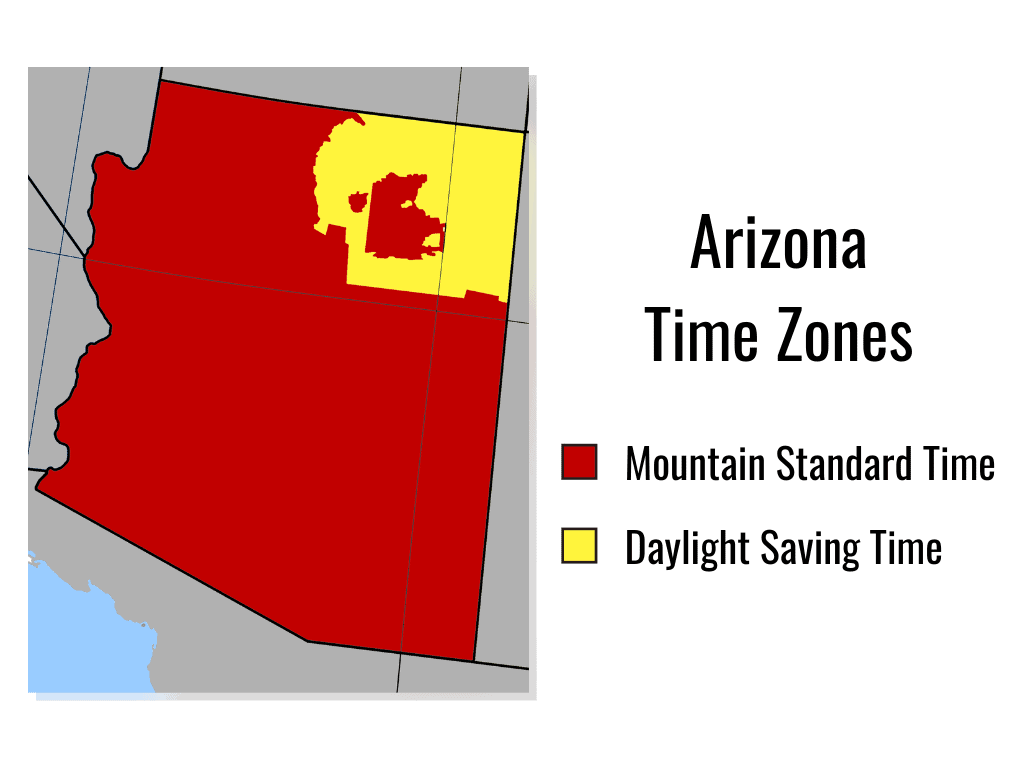
Adding another layer of complexity to Arizona’s time zone tapestry is the Navajo Nation. This vast autonomous territory, sprawling across northeastern Arizona, parts of Utah, and New Mexico, does observe Daylight Saving Time. This means that from mid-March to early November, the Navajo Nation operates on Mountain Daylight Time (MDT), making it one hour ahead of the rest of Arizona.
This distinction creates an intriguing temporal border within the state. For example, if you’re visiting Monument Valley, which lies within the Navajo Nation, during the summer, its clock will be one hour ahead of nearby Flagstaff or Grand Canyon Village. This can be particularly confusing for travelers who might drive from a non-DST part of Arizona into the Navajo Nation for a tour of Canyon de Chelly or Antelope Canyon. The transition can be stark, with signs often posted indicating the time change upon entering the reservation.
Compounding this, the Hopi Nation, an entirely separate sovereign entity, is completely surrounded by the Navajo Nation but does not observe DST, adhering to Arizona’s year-round MST. This creates a donut hole of time: if you drive from Flagstaff (MST) into the Navajo Nation (MDT), you move an hour forward. If you then drive into the Hopi Nation (MST), you move an hour back, only to move an hour forward again if you return to the Navajo Nation on your way out. While most tourists won’t experience this specific triple time change, it highlights the intricate and sometimes bewildering nature of timekeeping in this part of the Southwest. Always ensure to confirm the local time of your specific destination, especially when visiting Native American lands.
Impact on Daily Life, Tourism, and Accommodation
Beyond the initial confusion, Arizona’s consistent time zone plays a significant role in shaping the daily rhythms of life and the unique experiences offered to tourists. It influences everything from the best time to catch a sunrise to the optimal scheduling for business travel and hotel amenities.
From Sunrise Hikes to Sunset Dinners: Optimizing Your Experience
The year-round MST means that during the summer months, the sun rises and sets relatively late by many people’s standards, particularly those accustomed to DST. This creates incredibly long, bright evenings, which are often utilized for outdoor activities once the peak heat of the day has subsided. For example, a “sunset dinner” in Phoenix in July might start well after 7:00 PM, with daylight lingering until past 8:00 PM. This extended daylight is a boon for tourism, allowing visitors more hours to explore attractions like the Sonoran Desert landscapes of Saguaro National Park, embark on evening jeep tours in Sedona, or simply relax by a resort pool as the sky paints itself with vibrant hues.
Conversely, sunrise activities require an earlier start than some might anticipate. To catch the magical glow over the Grand Canyon or the Petrified Forest National Park in summer, you might need to be up and ready well before 5:00 AM. This consistency, however, allows for predictable planning. Photographers can count on reliable golden hour timings, and adventure seekers can schedule their morning hikes to beat the heat with greater precision. It allows for a more relaxed morning pace for those who prefer to sleep in, as the hottest part of the day often doesn’t hit until mid-morning, providing a comfortable window for breakfast and leisurely starts. For families traveling with young children, the late sunsets can be a mixed blessing, sometimes extending bedtime but also offering more opportunities for evening fun.
Business and Booking: Seamless Stays and Connections
For business travelers or those managing complex itineraries, understanding Arizona’s time is paramount. Meetings with colleagues in California will operate on the same time during DST, but those with counterparts in Denver will involve a one-hour difference. Communication with the East Coast will always be three hours ahead, ensuring a consistent schedule without the biannual shifts that other regions experience. This stability can be a subtle advantage for companies operating primarily within the state or with consistent national connections.
When it comes to accommodation, hotels, resorts, and vacation rentals within Arizona will always operate on MST. This affects check-in and check-out times, scheduled resort activities, and even dining hours. If you’ve booked a luxury suite in Scottsdale with a 3:00 PM check-in, that’s 3:00 PM MST, regardless of whether it’s March or August. Travelers arriving from outside the state should ensure their internal clocks are adjusted to avoid confusion or missing a crucial window for their stay. Online booking platforms typically display times in the local time zone of the property, but it’s always wise to verify, especially if you’re traveling during the transitional periods of DST.
The consistency also impacts the scheduling of transportation. Airport shuttle services, intercity buses, and even local public transport adhere to the stable MST schedule, simplifying connections. For instance, if you’re planning a trip to the Grand Canyon from Phoenix and catching a shuttle or bus from Williams or Flagstaff, all timings will be consistent with Arizona’s non-DST schedule, making onward travel less prone to time-related errors. This means less stress for visitors focusing on the authentic experiences, local culture, and natural beauty that Arizona has to offer, from the historic streets of Tucson to the vast, open spaces of the California Desert and the borderlands with Mexico.
In conclusion, while the question “What time is it in Arizona?” might seem simple, its answer unveils a fascinating aspect of the state’s identity. The steadfast adherence to Mountain Standard Time year-round, with the distinct exception of the Navajo Nation, is more than a chronological detail; it’s a fundamental element that shapes the travel experience, daily routines, and cultural rhythm of this captivating corner of the United States. Travelers who arrive prepared with this knowledge will find themselves better equipped to navigate the diverse attractions, seamlessly manage their accommodation, and fully immerse themselves in the unforgettable adventures that await in the Grand Canyon State. Always remember to “think Arizona time” when planning your next trip!
LifeOutOfTheBox is a participant in the Amazon Services LLC Associates Program, an affiliate advertising program designed to provide a means for sites to earn advertising fees by advertising and linking to Amazon.com. Amazon, the Amazon logo, AmazonSupply, and the AmazonSupply logo are trademarks of Amazon.com, Inc. or its affiliates. As an Amazon Associate we earn affiliate commissions from qualifying purchases.