
Arizona, a state synonymous with stunning natural beauty and a vibrant cultural tapestry, presents a unique geographical and temporal characteristic that often sparks curiosity: its peculiar relationship with daylight saving time. For many travelers and residents alike, understanding the current time in Arizona is more than just a trivial pursuit; it’s a crucial element in planning flights, scheduling meetings, coordinating with tour operators, and simply appreciating the rhythm of this captivating Southwestern state. Unlike most of the United States, Arizona observes a distinct approach to timekeeping, making it an interesting case study in regional variations.

The Peculiarities of Arizona Time
Arizona’s decision regarding daylight saving time (DST) is a long-standing and often debated topic, rooted in the state’s history and its climate. Understanding this distinction is key to avoiding confusion and ensuring smooth logistical planning for anyone visiting or conducting business within its borders.
Arizona’s Unwavering Stance on Daylight Saving Time
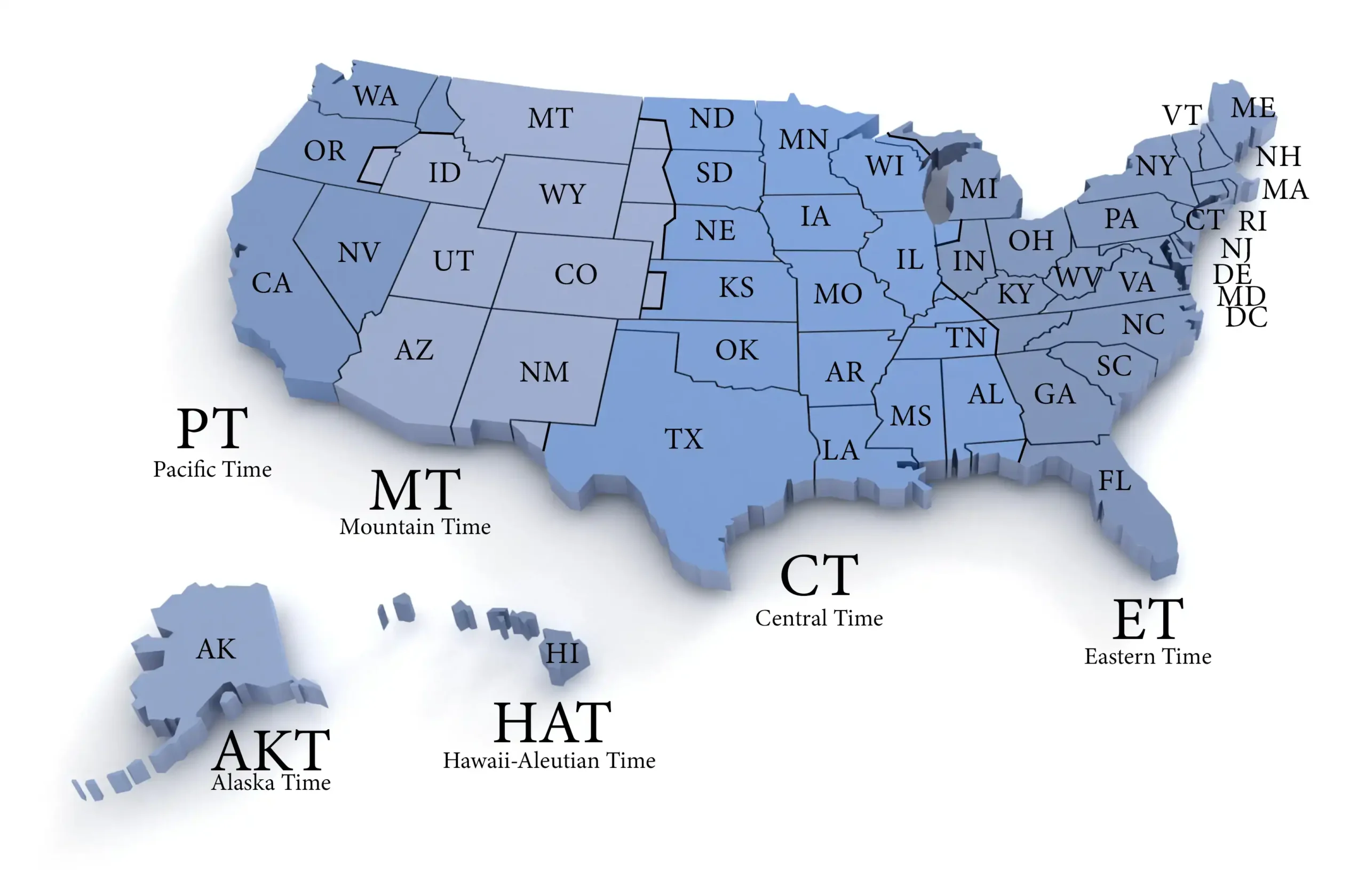
The vast majority of Arizona does not observe daylight saving time. This means that, for most of the year, Arizona operates on Mountain Standard Time (MST). However, the nuance arises with the Navajo Nation, which is an exception and does observe DST. This creates a fascinating temporal divide within the state itself, adding another layer to the “What time is it in Arizona?” question.
- Mountain Standard Time (MST): For most of Arizona, including major cities like Phoenix and Tucson, the time remains constant throughout the year. During the spring and summer months when other parts of the US are on daylight saving, Arizona remains on MST, which is UTC-7. This means Arizona is effectively one hour behind the Mountain Daylight Time (MDT) zone that encompasses states like Colorado and Utah during these periods.
- Navajo Nation’s DST Observance: The Navajo Nation, a sovereign tribal nation that spans parts of Arizona, Utah, and New Mexico, does participate in daylight saving time. During the DST period, the Navajo Nation observes Mountain Daylight Time (MDT), which is UTC-6. This can lead to a one-hour difference between areas within the Navajo Nation and the rest of Arizona.
This divergence is primarily a strategic decision by the Navajo Nation to align its working hours and business operations with neighboring states that observe DST. For travelers venturing into the Navajo Nation, particularly to iconic sites like Monument Valley, this distinction is essential to remember.
Why the Difference? A Historical and Climatic Perspective
Arizona’s decision to opt out of DST is deeply intertwined with its unique climate and historical context. The state is renowned for its scorching summer temperatures, and proponents of remaining on standard time argued that observing DST would only exacerbate the problem by extending daylight hours into the hottest parts of the day. The idea was to avoid additional heat exposure in the evenings when people might be more inclined to be outdoors.
Furthermore, Arizona is a major agricultural state, and farmers traditionally have had concerns about how DST might disrupt their work schedules, which are often dictated by the sun and the need to avoid the peak heat for certain tasks. While some of these arguments may have evolved, the cultural and practical inertia has kept Arizona largely on standard time. The economic implications of being out of sync with neighboring states were a factor, but the perceived benefits of consistent standard time, particularly for those in the southern and western parts of the state, ultimately prevailed.
Navigating Time Zones for Travelers and Businesses
The unique timekeeping in Arizona can present a logistical puzzle for visitors and businesses alike. Understanding these nuances is crucial for a seamless experience, whether you’re planning a road trip, attending a conference, or simply trying to call a friend.
Key Considerations for Travelers
For tourists, the primary impact of Arizona’s DST policy is the time difference relative to the rest of the US.

- West Coast Travelers: If you are traveling from California, which observes Pacific Daylight Time (PDT), Arizona will be three hours ahead of you during DST. Once California reverts to Pacific Standard Time (PST), Arizona will remain three hours ahead.
- Mountain Time Zone Travelers: If you are coming from states like Colorado or Utah (excluding the Navajo Nation within Utah), you will find that Arizona is one hour behind you during DST. Once these states revert to Mountain Standard Time (MST), the time in Arizona and these states will be the same.
- Eastern Time Zone Travelers: From states observing Eastern Daylight Time (EDT), Arizona will be four hours behind. When they switch to Eastern Standard Time (EST), Arizona will remain four hours behind.
Practical Tips for Time Management:
- Double-Check Flight Schedules: When booking flights into or out of Arizona airports like Phoenix Sky Harbor International Airport, always verify the arrival and departure times are listed in local Arizona time. Airlines usually do this automatically, but it’s wise to be aware.
- Coordinate Meetings: If you have business dealings or appointments with individuals in Arizona, explicitly confirm the time zone for all communications. Mentioning “Arizona time” or “MST” can prevent misunderstandings.
- Plan Day Trips Carefully: If your itinerary includes visiting the Grand Canyon National Park or other attractions, be mindful of the time difference if you are traveling from a DST-observing state. This is particularly important for early morning excursions or late-night returns.
- Respect the Navajo Nation’s Time: If your travels take you into the Navajo Nation, remember that they do observe DST. Adjust your watch accordingly when crossing into these areas to avoid confusion with appointments or tour times.
Business and Operational Implications
For businesses operating within Arizona or with partners in the state, the consistent time zone can be both an advantage and a challenge.
- Predictable Scheduling: The lack of DST fluctuation simplifies scheduling for businesses that operate year-round and interact with clients or vendors in different time zones. This predictability can be a significant operational benefit.
- Interstate Coordination: For companies with offices or operations in both Arizona and DST-observing states, careful coordination is essential. This includes synchronizing daily operations, managing remote teams, and ensuring that communication channels are consistently aligned.
- Economic Impact: The long-term economic impact of Arizona’s DST policy has been a subject of discussion. Some argue that being out of sync with major trading partners, particularly on the West Coast during DST, could create minor inefficiencies. However, the prevailing view within the state has often been that the benefits of consistent time outweigh these concerns.
Arizona’s Timeless Charm Beyond the Clock
While the time in Arizona might follow a unique rhythm, the allure of the state transcends temporal considerations. Its iconic landscapes, rich cultural heritage, and vibrant communities offer a timeless experience for all who visit.
Natural Wonders and Outdoor Adventures
Arizona is a playground for nature enthusiasts, boasting some of the most breathtaking natural formations in the world.
- The Grand Canyon: A true wonder of the world, the Grand Canyon offers unparalleled vistas and a chance to connect with the immense power of nature. Hiking, mule rides, and helicopter tours provide diverse ways to experience its majesty.
- Sedona’s Red Rocks: Famous for its stunning red rock formations and vibrant spiritual energy, Sedona is a haven for hikers, artists, and those seeking rejuvenation. The town itself offers charming shops, galleries, and spiritual retreats.
- Saguaro National Park: Witness the iconic saguaro cacti standing tall against the desert sky in Saguaro National Park near Tucson. This park offers a unique glimpse into the resilience and beauty of the Sonoran Desert.
- Monument Valley Navajo Tribal Park: This iconic landscape, with its towering sandstone buttes, is a quintessential symbol of the American West. A visit here offers a profound connection to the history and culture of the Navajo people.
Cultural Immersion and Local Experiences
Beyond its natural splendor, Arizona offers a rich tapestry of cultures and traditions.
- Native American Heritage: The state is home to numerous Native American tribes, including the Navajo Nation, Hopi, and Apache. Exploring their historical sites, museums, and cultural centers provides invaluable insights into their enduring legacy.
- Historic Cities and Towns: Explore the charming streets of Jerome, a historic mining town perched on a hillside, or wander through the Spanish colonial architecture of Tombstone. Each town offers a unique window into Arizona’s past.
- Art and Culinary Scenes: From the vibrant arts district in Phoenix to the burgeoning culinary scene in Scottsdale, Arizona offers a dynamic blend of contemporary culture and traditional flavors. Sample authentic Southwestern cuisine and discover local artistry.
Understanding the time in Arizona, while a practical necessity, is merely the first step in unlocking the full potential of this remarkable state. Its unique temporal status is a small facet of a much larger, captivating story, one that invites exploration, discovery, and appreciation for its diverse offerings. Whether you are checking the time in Arizona for a business call or planning an adventure across its expansive landscapes, the state’s enduring charm is sure to leave a lasting impression.
LifeOutOfTheBox is a participant in the Amazon Services LLC Associates Program, an affiliate advertising program designed to provide a means for sites to earn advertising fees by advertising and linking to Amazon.com. Amazon, the Amazon logo, AmazonSupply, and the AmazonSupply logo are trademarks of Amazon.com, Inc. or its affiliates. As an Amazon Associate we earn affiliate commissions from qualifying purchases.