
The state of California in the United States is a vast and geographically diverse region, spanning over 770 miles from north to south. This considerable expanse, coupled with its involvement in a standardized timekeeping system, leads to a singular and consistent time zone across the entire state. Understanding this uniformity is crucial for anyone planning travel, business, or simply connecting with loved ones in the Golden State.
Understanding Time Zones in the United States
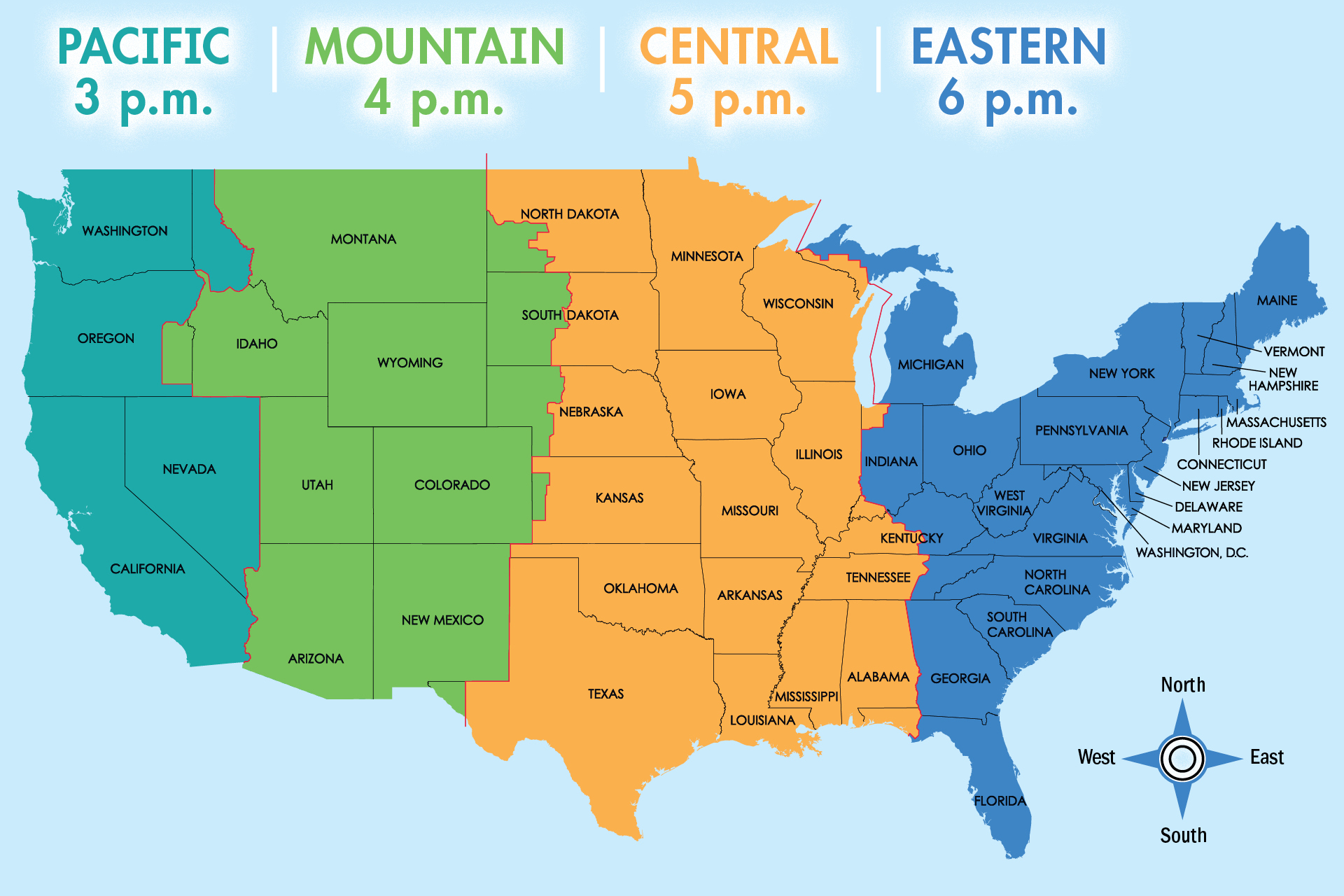
The United States operates under a system of standardized time zones, designed to bring local time into closer correspondence with the sun’s apparent position in the sky. This system prevents the sun from rising at noon and setting at midnight, a scenario that would occur if a single time were applied nationwide. The contiguous United States is divided into four main time zones: Eastern Time, Central Time, Mountain Time, and Pacific Time. Each of these zones observes a difference of one hour from its adjacent zone.
The Pacific Time Zone
California is located entirely within the Pacific Time Zone. This zone encompasses a significant portion of the western United States, including states like Washington, Oregon, Nevada, and parts of Arizona (though Arizona notably does not observe daylight saving time). The Pacific Time Zone is 8 hours behind Coordinated Universal Time (UTC-8) during standard time and 7 hours behind UTC (UTC-7) during daylight saving time.
Daylight Saving Time in California
Like most of the United States, California observes Daylight Saving Time (DST). This annual practice involves advancing clocks by one hour forward during the spring and setting them back one hour in the autumn. The purpose of DST is to make better use of natural daylight. In California, DST typically begins on the second Sunday in March and ends on the first Sunday in November. During this period, the Pacific Time Zone observes Pacific Daylight Time (PDT), which is UTC-7. Outside of this period, it reverts to Pacific Standard Time (PST), UTC-8. It is important to note that the state of Arizona, with the exception of the Navajo Nation, does not participate in DST, maintaining its standard MST (UTC-7) year-round. However, this exception does not affect the time within California itself.
Navigating California’s Time Zones for Travel and Business
For travelers and business professionals, understanding the time in California is essential for smooth coordination and to avoid confusion. Whether you’re planning a trip to the beaches of San Diego, the bustling entertainment industry of Los Angeles, the tech hub of San Francisco, or the majestic natural beauty of Yosemite National Park, the time remains consistent across the state.
Business and International Communication
When conducting business with entities in California, especially from international locations, it is vital to factor in the Pacific Time Zone. For instance, a call scheduled for 9 AM Pacific Time from London (UTC+0) would need to be considered relative to PST (UTC-8) or PDT (UTC-7), depending on the time of year. This means that early morning in California could be late afternoon or evening in Europe. Accurate time zone conversion is a fundamental aspect of successful international business relations.
Planning Trips and Activities
When planning a vacation or even a day trip within California, knowing the local time is straightforward. All cities and regions within the state adhere to the same time. This simplifies scheduling museum visits, restaurant reservations, or excursions to attractions like the Golden Gate Bridge or Disneyland. You don’t need to worry about crossing time zone boundaries within the state, unlike in some other large countries.
Synchronizing with Other US Time Zones
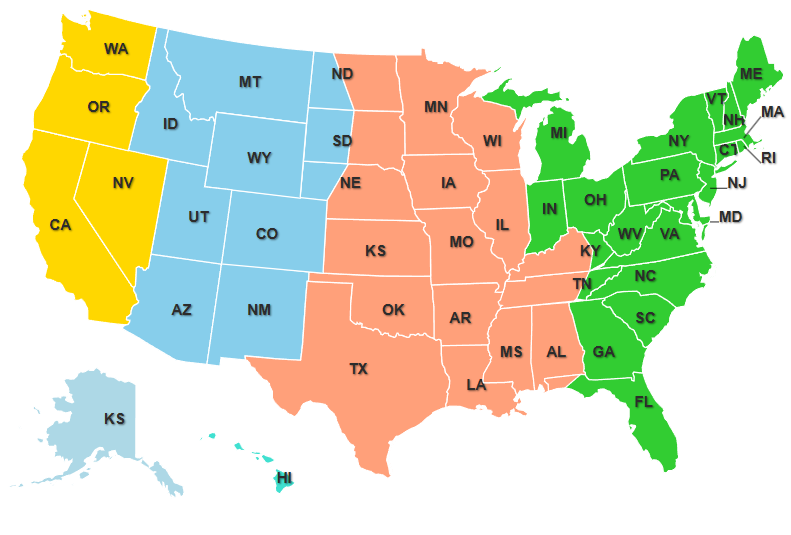
For those traveling from other parts of the United States to California, understanding the time difference is key. Traveling from New York (Eastern Time) to California means a three-hour adjustment backward. Conversely, someone traveling from California to Denver (Mountain Time) would set their watch forward by one hour. This is a common adjustment for many travelers and a readily managed aspect of cross-country journeys.
Key Cities and Their Time in California
The immense popularity of California as a travel destination means millions of visitors experience its unique time zone each year. From the north to the south, the time remains unified.
Northern California
In Northern California, major cities like San Francisco, Oakland, and the capital city, Sacramento, all operate on Pacific Time. This includes the wine country regions of Napa Valley and Sonoma Valley, as well as the towering redwood forests of Muir Woods National Monument.
Southern California
Southern California is home to iconic destinations such as Los Angeles, San Diego, and the desert resort city of Palm Springs. Regardless of whether you’re experiencing the theme parks, the beaches, or the vibrant nightlife, the clock in these areas aligns with the Pacific Time Zone. This uniformity simplifies planning for multi-city trips within the southern part of the state.
Practical Tips for Managing Time in California
Effectively managing your time while in California can enhance your travel experience and ensure you maximize your opportunities. Here are a few practical tips to keep in mind.
Utilize World Clock Features
Most smartphones and smartwatches come equipped with world clock features. Before your trip, add California (or specific cities like Los Angeles or San Francisco) to your world clock. This allows you to easily check the current time in California at a glance, especially when coordinating with people in different time zones.
Be Mindful of Daylight Saving Time
As mentioned, California observes Daylight Saving Time. While automated devices generally adjust automatically, it’s always a good practice to be aware of the dates when the clocks change. This can prevent minor confusion, especially if you are relying on manual timekeeping or have devices that do not update automatically. The switch usually occurs in early spring and late autumn.
Account for Travel Time Across Time Zones
If your travels take you beyond California to other parts of the United States, remember to adjust your watch accordingly. Traveling east from California means moving forward in time, while traveling west means moving backward. Planning for these adjustments will help you arrive on time for flights, meetings, and other commitments. For instance, a flight from San Francisco to Chicago will mean a two-hour jump forward.
In conclusion, the time in California is consistently Pacific Time, observing Daylight Saving Time in line with most of the United States. This singular time zone simplifies navigation and planning for all who visit or interact with this vibrant and expansive state.
LifeOutOfTheBox is a participant in the Amazon Services LLC Associates Program, an affiliate advertising program designed to provide a means for sites to earn advertising fees by advertising and linking to Amazon.com. Amazon, the Amazon logo, AmazonSupply, and the AmazonSupply logo are trademarks of Amazon.com, Inc. or its affiliates. As an Amazon Associate we earn affiliate commissions from qualifying purchases.