
Understanding the current time in Colorado is more than a mere curiosity; it’s a practical necessity for anyone planning a visit, coordinating with local businesses, or simply staying connected with loved ones in the Centennial State. As a popular tourist destination, Colorado attracts visitors for its breathtaking natural landscapes, vibrant cities, and diverse array of activities. Whether you’re dreaming of hitting the ski slopes in Aspen during winter, exploring the majestic Rocky Mountains in summer, or attending a captivating event in Denver, knowing the local time ensures seamless transitions and an optimized experience.

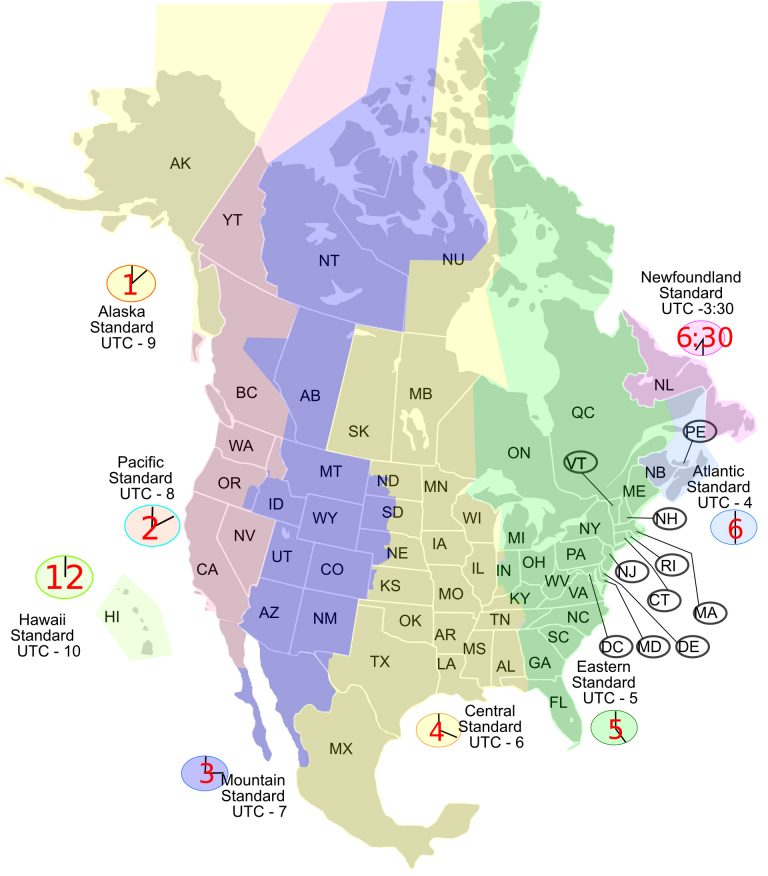
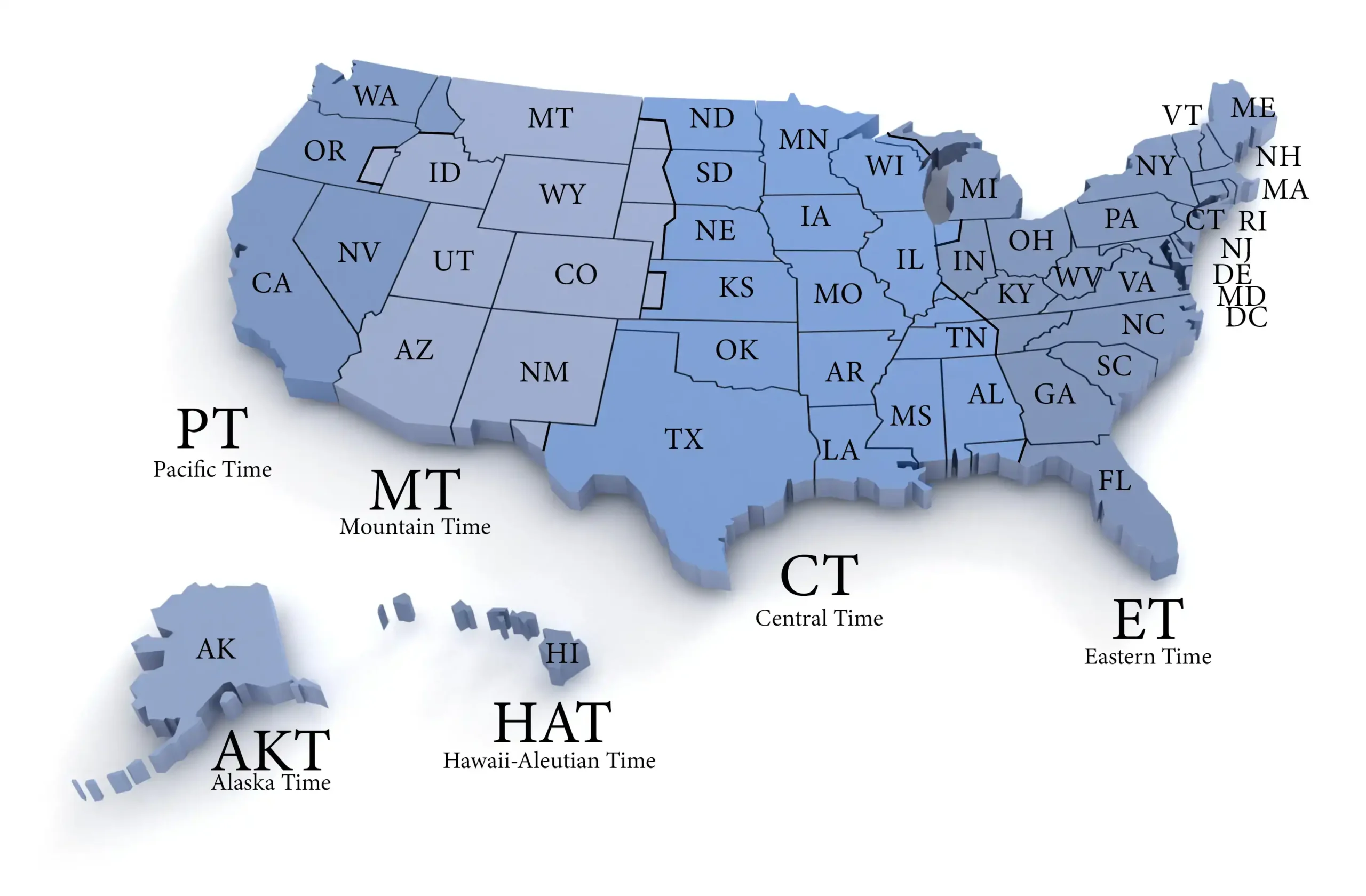
Colorado observes Mountain Time. This time zone is part of the North American continent’s time zone system and is characterized by its relationship to Coordinated Universal Time (UTC). Specifically, Colorado adheres to Mountain Standard Time (MST) during the winter months and Mountain Daylight Time (MDT) during the warmer months, a practice known as daylight saving time. This transition is crucial for travelers to be aware of, as it can affect flight schedules, tour bookings, and dining reservations.
Navigating Mountain Time: Standard and Daylight Saving
The observance of daylight saving time in Colorado means that the state’s time shifts twice a year. Understanding these shifts is fundamental for planning any travel itinerary, especially when dealing with international travel or coordinating with individuals in different time zones.
Mountain Standard Time (MST)
During the period of Mountain Standard Time (MST), Colorado operates on UTC-7. This is the standard time observed from early November until mid-March. When it is noon UTC, it is 5:00 AM MST in Colorado. This can be a significant difference for those accustomed to Eastern Standard Time (EST) in New York or Pacific Standard Time (PST) on the West Coast. For example, if you are in New York and it is 2:00 PM EST, it would be 12:00 PM MST in Colorado. This two-hour difference is important to factor in when making calls or planning meetings.
Mountain Daylight Time (MDT)
When daylight saving time commences, typically in mid-March, Colorado transitions to Mountain Daylight Time (MDT), which is UTC-6. This shift provides an extra hour of daylight in the evenings during the spring, summer, and early fall months, extending until early November. During MDT, the time difference between Colorado and UTC becomes less pronounced. If it is noon UTC, it is 6:00 AM MDT in Colorado. Comparing again with New York, if it is 2:00 PM Eastern Daylight Time (EDT), it would be 12:00 PM MDT in Colorado. The difference with EST remains two hours, but the names of the zones change to reflect daylight saving.
The precise dates for the start and end of daylight saving time are generally set by federal law in the United States, with most states observing the practice. While the majority of Colorado observes this shift, it’s worth noting that some areas within the mountain time zone, particularly in Arizona (with the exception of the Navajo Nation), do not observe daylight saving time and remain on MST year-round. However, this is not the case for Colorado, which fully participates in the biannual clock change.
Practical Implications for Travelers
For any visitor to Colorado, understanding and accounting for the local time is paramount to a smooth and enjoyable travel experience. From booking flights to planning daily excursions, temporal awareness can prevent miscommunications and missed opportunities.
Booking Flights and Transportation
When booking flights into airports such as Denver International Airport, it is essential to confirm that all scheduled times are listed in local Colorado time (MST or MDT, depending on the season). Airlines will invariably display departure and arrival times in the time zone of the respective airports. However, when making travel plans across multiple time zones, it is always prudent to double-check. Similarly, for train travel, car rentals, and shuttle services, confirming pick-up and drop-off times against the local Colorado clock is crucial. A misunderstanding of even an hour can lead to a missed connection or a delayed start to an adventure.
Scheduling Tours and Activities
Colorado offers an abundance of activities, from guided hikes in Rocky Mountain National Park to whitewater rafting on the Colorado River, and historical tours in towns like Central City. Most tour operators will specify their operating hours and tour start times in local Colorado time. However, when booking online or via phone from a different time zone, it is vital to confirm these times. For instance, if a sunrise hot air balloon ride over Denver is scheduled for 6:00 AM, and you are calling from the East Coast, you need to ensure you are booking for 6:00 AM MST or MDT, not your local time. This is particularly important for early morning or late evening activities where the time difference can be most impactful.
Dining and Entertainment
Colorado’s culinary scene and entertainment venues, from fine dining in Boulder to lively music venues in Fort Collins, often have specific reservation times. While most establishments are accustomed to catering to travelers, making reservations well in advance and confirming the local time for your booking can save you from arriving an hour too early or, worse, too late. Many restaurants use reservation systems that automatically adjust to your local time if you are booking from abroad, but it is always best to verify the time zone specified for the reservation within Colorado.
Staying Connected with Colorado
Beyond travel logistics, understanding the current time in Colorado is important for maintaining personal and professional connections.
Communicating with Locals
Whether you are visiting friends or family in Colorado, or conducting business with a Colorado-based company, being mindful of the time zone prevents unwanted disruptions. Calling someone too early or too late can be disruptive. A quick check of the current time in Colorado ensures that your communication is respectful of their schedule. This is especially true when dealing with individuals in smaller towns or rural areas where business hours might be more traditional.
Business and Work Schedules
For professionals traveling to Colorado for business meetings or remote workers collaborating with teams in the state, synchronizing with Mountain Time is essential. Many businesses operate on a standard 9:00 AM to 5:00 PM schedule, and understanding how this aligns with your own time zone is critical for effective collaboration. Video conferences, conference calls, and project deadlines need to be set with precise temporal awareness.
Time Zone Resources for Travelers
To ensure you are always up-to-date, several reliable resources can help you determine the exact time in Colorado at any given moment.
Online Time Converters
Numerous websites offer real-time time zone converters. These are invaluable tools for travelers, allowing you to input your current location and see the corresponding time in Colorado instantly. Many of these sites also provide information on whether Colorado is currently observing MST or MDT, which is crucial for accurate planning. Popular search engines also provide quick answers to “What time is it in Colorado?” directly in their search results.
Mobile Applications and Device Settings
Most smartphones and smart devices come equipped with world clock features that allow you to add specific cities or time zones. By adding a major Colorado city like Denver or Colorado Springs to your device’s world clock, you will have immediate access to the current time. These apps often automatically adjust for daylight saving time changes, providing continuous accuracy. Ensure your device’s automatic time zone detection is enabled if you are traveling within Colorado itself, as it will update accordingly.
In conclusion, while the question “What Time Is It In Colorado Rn?” may seem simple, its implications for travelers are profound. By understanding Colorado’s adherence to Mountain Time, including the shifts for daylight saving, and by utilizing readily available resources, you can ensure your journey through this magnificent state is as seamless and enjoyable as possible, from the majestic peaks of the San Juan Mountains to the urban charm of Boulder.
LifeOutOfTheBox is a participant in the Amazon Services LLC Associates Program, an affiliate advertising program designed to provide a means for sites to earn advertising fees by advertising and linking to Amazon.com. Amazon, the Amazon logo, AmazonSupply, and the AmazonSupply logo are trademarks of Amazon.com, Inc. or its affiliates. As an Amazon Associate we earn affiliate commissions from qualifying purchases.