
The celestial dance of the Aurora Borealis, often known as the Northern Lights, is one of nature’s most breathtaking spectacles. For many travelers, witnessing these vibrant curtains of light swirl across the night sky is a quintessential bucket-list experience. When considering where to embark on this magical quest, Alaska emerges not just as a possibility, but as one of the world’s premier destinations. The answer is an unequivocal yes: not only can you see the Aurora Borealis in Alaska, but the state offers some of the most consistent and spectacular viewing opportunities on the planet.

The Unrivaled Spectacle of the Northern Lights
The Aurora Borealis is a natural light display in the Earth’s sky, predominantly seen in high-latitude regions. Caused by disturbances in the magnetosphere by the solar wind, these disturbances alter the trajectories of charged particles in the solar wind and magnetospheric plasma. These particles, mainly electrons and protons, precipitate into the upper atmosphere (thermosphere/exosphere). The resulting ionization and excitation of atmospheric constituents emit light of varying color and complexity. From serene green glows to dynamic reds and purples, the auroral display is an ethereal phenomenon that has captivated humanity for millennia.
Alaska’s geographic position, largely within the “auroral oval”—a band around the magnetic pole where aurora activity is concentrated—makes it an ideal location. Its vast, sparsely populated expanses offer minimal light pollution, while its long, dark winter nights provide ample opportunity for the lights to reveal themselves. Unlike some other high-latitude regions, Alaska also boasts relatively accessible infrastructure, making the journey to prime viewing spots feasible for a wide range of travelers. The state’s commitment to tourism means a variety of services, from specialized aurora tours to remote wilderness lodges, are available to enhance the viewing experience, ensuring that every visitor has the best possible chance to witness this natural wonder.
Best Time and Place for Aurora Viewing in Alaska
Timing and location are paramount when planning an aurora-chasing adventure in Alaska. Understanding the optimal conditions significantly boosts your chances of a successful sighting.
Optimal Seasons and Months
The window for aurora viewing in Alaska primarily spans from late August to late April. During these months, the nights are long and dark enough to reveal the subtle glow of the aurora. The peak season generally falls between September and March, when darkness persists for a greater duration. While the deepest winter months (December, January, February) offer the longest periods of darkness, they also bring extreme cold and potentially challenging travel conditions. Many aurora chasers prefer the shoulder seasons, such as September and October, or March and April, when temperatures are slightly milder, and the transition from fall colors or early spring snowscapes can add another layer of beauty to the trip. The equinox periods (around September 21st and March 21st) are also often cited as excellent times, as geophysical conditions can sometimes lead to increased auroral activity. Regardless of the month, the best viewing hours are typically between 10 PM and 3 AM, although the lights can appear at any point once the sky is sufficiently dark. It’s crucial to plan for at least a three to five-night stay in a prime viewing area to increase your odds, as aurora visibility is dependent on clear skies and strong solar activity.
Top Alaskan Destinations for Northern Lights
While the entire state of Alaska is theoretically within the auroral oval, certain locations offer superior conditions and infrastructure for aurora enthusiasts.
-
Fairbanks: The Aurora Capital
Often dubbed the “Aurora Capital of the World,” Fairbanks is arguably the best base for Northern Lights viewing. Located beneath the auroral oval, it experiences high aurora activity and boasts a relatively dry interior climate, which means more clear nights compared to coastal areas. Fairbanks offers numerous tour operators, specialized viewing lodges, and even an Aurora Forecast provided by the University of Alaska Fairbanks. Popular viewing spots include Cleary Summit, Ester Dome, and the tranquil setting of Chena Hot Springs Resort, where you can soak in natural hot springs while waiting for the show. -
Anchorage and Southcentral Alaska
While Anchorage itself suffers from significant light pollution, the surrounding areas of Southcentral Alaska can offer good viewing opportunities on strong aurora nights. Destinations like Trapper Creek, Talkeetna, or areas along the Glenn Highway offer darker skies within a reasonable drive from the city. For those based in Anchorage, a guided tour or a drive north towards the Matanuska Valley is recommended. -
Denali National Park
The vast wilderness of Denali National Park provides an incredibly dark sky backdrop for the aurora. While access is limited in winter, dedicated travelers staying at lodges near the park entrance or those venturing in for winter activities might be rewarded with a truly spectacular show, potentially with the iconic peak of Denali as a foreground. -
The Arctic: Utqiagvik (formerly Barrow) and Coldfoot
Venturing further north into the Arctic Circle offers extended periods of darkness, increasing the probability of seeing the aurora. Utqiagvik, the northernmost city in the United States, experiences polar night, ensuring maximum darkness. Similarly, Coldfoot, situated along the Dalton Highway in the Arctic wilderness, is an excellent choice for those seeking an off-the-beaten-path aurora experience, often combined with a drive across the Arctic Circle. These remote locations require more significant travel planning but promise an unparalleled immersion in Alaska’s raw beauty.
Maximizing Your Chances: Tips for a Successful Aurora Hunt
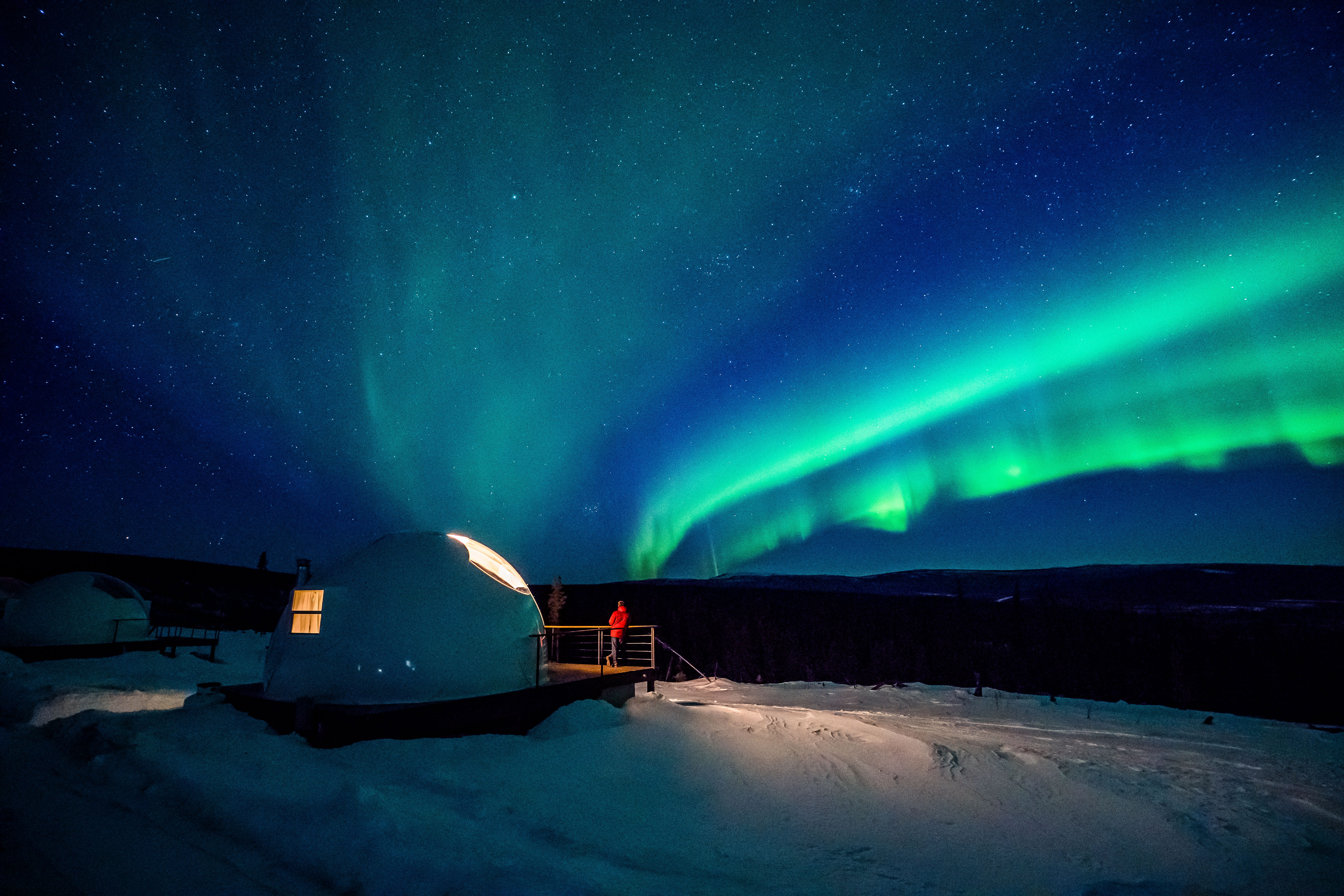
Witnessing the Aurora Borealis is not guaranteed, but careful planning and a strategic approach can significantly increase your odds.
Weather and Solar Activity Monitoring
The aurora is a natural phenomenon, and its visibility is heavily dependent on two primary factors: clear skies and sufficient solar activity. Before and during your trip, diligently monitor aurora forecasts. Websites and apps dedicated to aurora predictions provide real-time updates on the Kp-index, a measure of geomagnetic activity. A Kp-index of 3 or higher generally indicates a good chance of seeing the aurora in Alaska. However, even with high solar activity, cloud cover can completely obscure the view. Therefore, checking local weather forecasts for clear skies is equally crucial. Look for areas with minimal cloud cover and plan to position yourself there. Flexibility in your itinerary can be a significant advantage, allowing you to chase clear skies if necessary.
Getting Away from Light Pollution
Artificial light pollution from cities and towns can severely diminish the visibility of the aurora, making it appear faint or invisible. To truly appreciate the vibrant colors and dynamic movements of the Northern Lights, it is essential to get away from urban centers. Drive at least 20-30 miles outside cities like Fairbanks or Anchorage to find truly dark skies. Remote lodges, wilderness cabins, or designated aurora viewing spots far from streetlights and buildings offer the best conditions. The darker the sky, the more vivid and impressive the aurora display will be. Consider locations like the White Mountains National Recreation Area near Fairbanks or the remote areas surrounding Denali.
Patience and Preparation
Aurora hunting requires patience. The lights can appear unexpectedly and disappear just as quickly. You might need to wait for hours in the cold before a display begins, or even over several nights. Dress in multiple layers of warm clothing, including insulated boots, hats, gloves, and thermal wear, as temperatures can drop significantly below freezing. Bring a thermos with hot beverages, snacks, and a comfortable chair. A headlamp with a red light setting is useful for navigating in the dark without compromising your night vision or disturbing others. Ensure your camera batteries are fully charged (and bring spares), as cold weather drains them quickly. Planning to be out from 10 PM until 3 AM is a good strategy, as these are generally the most active hours.
Guided Tours and Specialized Lodges
For those who prefer a structured and informative experience, numerous guided tours operate out of Fairbanks and other aurora hotspots. These tours often take you to optimal viewing locations, provide warm shelters, hot drinks, and expert guides who can share insights into the aurora and its science. Some even offer photography assistance. Many remote lodges, such as Chena Hot Springs Resort near Fairbanks or accommodations in Bettles or Coldfoot, specialize in aurora viewing. These establishments are often situated in ideal dark-sky locations and may offer wake-up calls when the aurora is active, allowing you to maximize sleep while minimizing missed opportunities. Utilizing local expertise can take the guesswork out of aurora chasing, significantly enhancing your chances of a successful and comfortable viewing experience.
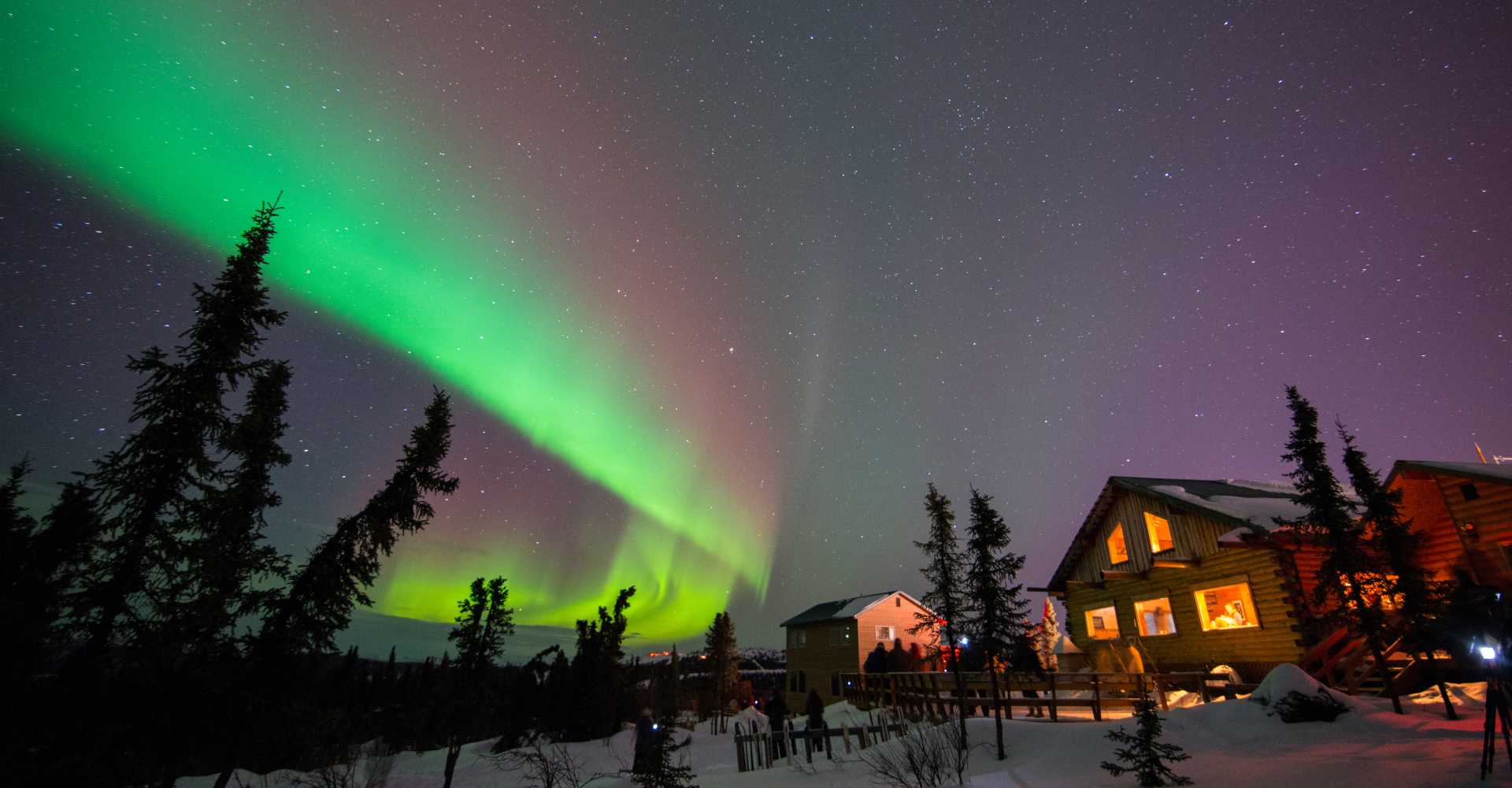
Beyond the Lights: Experiencing Alaska’s Winter Wonders
While the primary goal of many winter visitors to Alaska is to witness the Aurora Borealis, the state offers a wealth of other captivating winter experiences that make the journey worthwhile, even if the aurora proves elusive. Embracing these complementary activities transforms a simple aurora hunt into a comprehensive Alaskan adventure.
One of the most iconic winter activities is dog sledding. Whether you opt for a thrilling ride across snow-covered trails or visit a husky kennel to learn about the sport, it offers a deep connection to Alaska’s heritage and a unique way to experience its pristine wilderness. Many operators offer daytime or even nighttime dog sledding tours that can be combined with aurora viewing.
For those who appreciate art and craftsmanship, the ice sculpting championships in Fairbanks during March are a sight to behold, showcasing intricate and massive ice sculptures bathed in colored lights. Other snow-based adventures include snowmobiling (also known as snowmachining by locals), cross-country skiing, and snowshoeing through silent, snow-laden forests, offering opportunities for wildlife tracking and serene solitude.
A visit to Chena Hot Springs Resort near Fairbanks provides a therapeutic escape. Soaking in the natural mineral-rich hot springs, especially when snowflakes are falling or under the glow of the aurora, is an unforgettable experience. The resort also features an Ice Museum, a fascinating structure crafted entirely from ice and snow, complete with ice chandeliers and ice sculptures.
Wildlife viewing in winter, though different from summer, can be equally rewarding. Moose, caribou, and even wolves can be spotted in their natural habitat, often against a stark, beautiful white landscape. Joining a guided wildlife tour can increase your chances of spotting these majestic creatures.
By combining your aurora quest with these diverse winter activities, you ensure a rich and memorable trip, regardless of the aurora’s performance. Alaska in winter is a realm of unique beauty and adventure, promising an immersive travel experience far beyond just waiting for the lights. The cold, crisp air, the vast untouched landscapes, and the warmth of Alaskan hospitality create an atmosphere that is truly one-of-a-kind.
LifeOutOfTheBox is a participant in the Amazon Services LLC Associates Program, an affiliate advertising program designed to provide a means for sites to earn advertising fees by advertising and linking to Amazon.com. Amazon, the Amazon logo, AmazonSupply, and the AmazonSupply logo are trademarks of Amazon.com, Inc. or its affiliates. As an Amazon Associate we earn affiliate commissions from qualifying purchases.