
A Tale of Two Scales: Geographical Overview
When planning international travel, understanding the sheer physical dimensions of a destination is often the first step in conceptualizing an itinerary. The title question, “How big is Israel compared to California?”, immediately highlights a stark contrast in geographical scale that profoundly impacts a traveler’s experience. While both offer incredibly diverse landscapes, vibrant cultures, and countless attractions, their sizes dictate entirely different approaches to exploration.
Israel’s Compact Footprint
Israel is a relatively small country, often described as about the size of New Jersey in the United States. Its total area, including disputed territories, is approximately 22,145 square kilometers (around 8,550 square miles). This compact size means that distances between major cities, historical sites, and natural wonders are remarkably short. For instance, one can easily drive from the bustling metropolis of Tel Aviv on the Mediterranean Sea to the ancient holy city of Jerusalem in under an hour, or from Jerusalem to the otherworldly landscape of the Dead Sea in even less time. The country’s narrow width ensures that no point is truly far from its borders or its coastline. This geographical reality makes Israel incredibly accessible, allowing travelers to experience a multitude of environments and cultures within a single, relatively short trip without extensive travel time.

California’s Expansive Landscape
In stark contrast, California is a vast and geographically diverse state within the United States. Spanning approximately 423,970 square kilometers (about 163,695 square miles), it is nearly 19 times larger than Israel. This immense size allows California to encompass an incredible array of ecosystems, from the towering redwood forests in the north to the arid Mojave Desert in the south, and from the sunny beaches of the Pacific Coast to the majestic peaks of the Sierra Nevada mountains. A road trip across California can take days, revealing entirely different climates, topographies, and regional cultures along the way. Traveling from San Francisco in the north to San Diego in the south, for example, is a journey of hundreds of miles, far exceeding any single cross-country drive in Israel.
The Numerical Comparison
To put it into perspective:
- Area of Israel: Approximately 22,145 sq km (8,550 sq miles)
- Area of California: Approximately 423,970 sq km (163,695 sq miles)
This comparison reveals that California is roughly equivalent in size to about 19 Israels fitting within its borders. This dramatic difference in scale is the primary factor influencing travel planning, logistics, and the overall experience in each destination.
Navigating the Contrasts: Travel Implications
The size disparity between Israel and California translates directly into distinct travel implications, affecting everything from itinerary planning to the modes of transportation one might consider.
Experiencing Israel on a Single Trip
Thanks to its compact size, Israel is an ideal destination for travelers who wish to experience a broad spectrum of history, culture, and nature within a single trip, often lasting one to two weeks. A well-planned itinerary can comfortably include multiple regions: exploring the ancient sites of Jerusalem and its Old City, enjoying the vibrant nightlife and beaches of Tel Aviv, visiting the biblical landscapes around the Sea of Galilee, floating in the hyper-saline waters of the Dead Sea, and even venturing south to the desert city of Eilat for some Red Sea diving. All these experiences are typically within a few hours’ drive of each other, making bus tours, rental cars, or even private transfers highly efficient. The density of attractions per square mile is incredibly high, offering a rich tapestry of experiences without the need for extensive inter-city flights.
The Multi-Visit Nature of California
California’s immense size, conversely, means that a single trip, even a lengthy one, will likely only scratch the surface of what the state has to offer. Travelers often need to prioritize specific regions or types of experiences. One trip might focus on Southern California – exploring Los Angeles, San Diego, and the theme parks like Disneyland. Another might center on Northern California – discovering San Francisco, the Wine Country, and the stunning natural beauty of Yosemite National Park or Redwood National Park. Inter-regional travel within California often involves long drives, sometimes spanning an entire day, or utilizing domestic flights between major airports like those in Los Angeles, San Francisco, or Sacramento. This makes multi-stop, cross-state itineraries more logistically challenging and time-consuming, often requiring repeat visits to fully appreciate different facets of the state.
Travel Time and Logistics
In Israel, a rental car provides unparalleled freedom to explore, with most major routes being well-maintained and clearly signposted. Public transportation, including an extensive bus network and growing train system, also offers efficient ways to get around, particularly between cities like Tel Aviv, Jerusalem, and Haifa. The small scale minimizes travel time, maximizing sightseeing opportunities each day.
For California, a car is almost essential for comprehensive exploration, especially when venturing outside major metropolitan areas or visiting national parks. While major cities have public transport, intercity travel, particularly between distant regions like Lake Tahoe and Palm Springs, requires significant driving or flying. Travelers must factor in substantial time just for transit, which can eat into precious vacation days if not planned carefully.
Diverse Climates and Topographies in Miniature and Macro
Both Israel and California are renowned for their incredible geographical diversity, yet the scale at which this diversity manifests is fundamentally different.
From Desert to Mountains: Israel’s Varied Zones
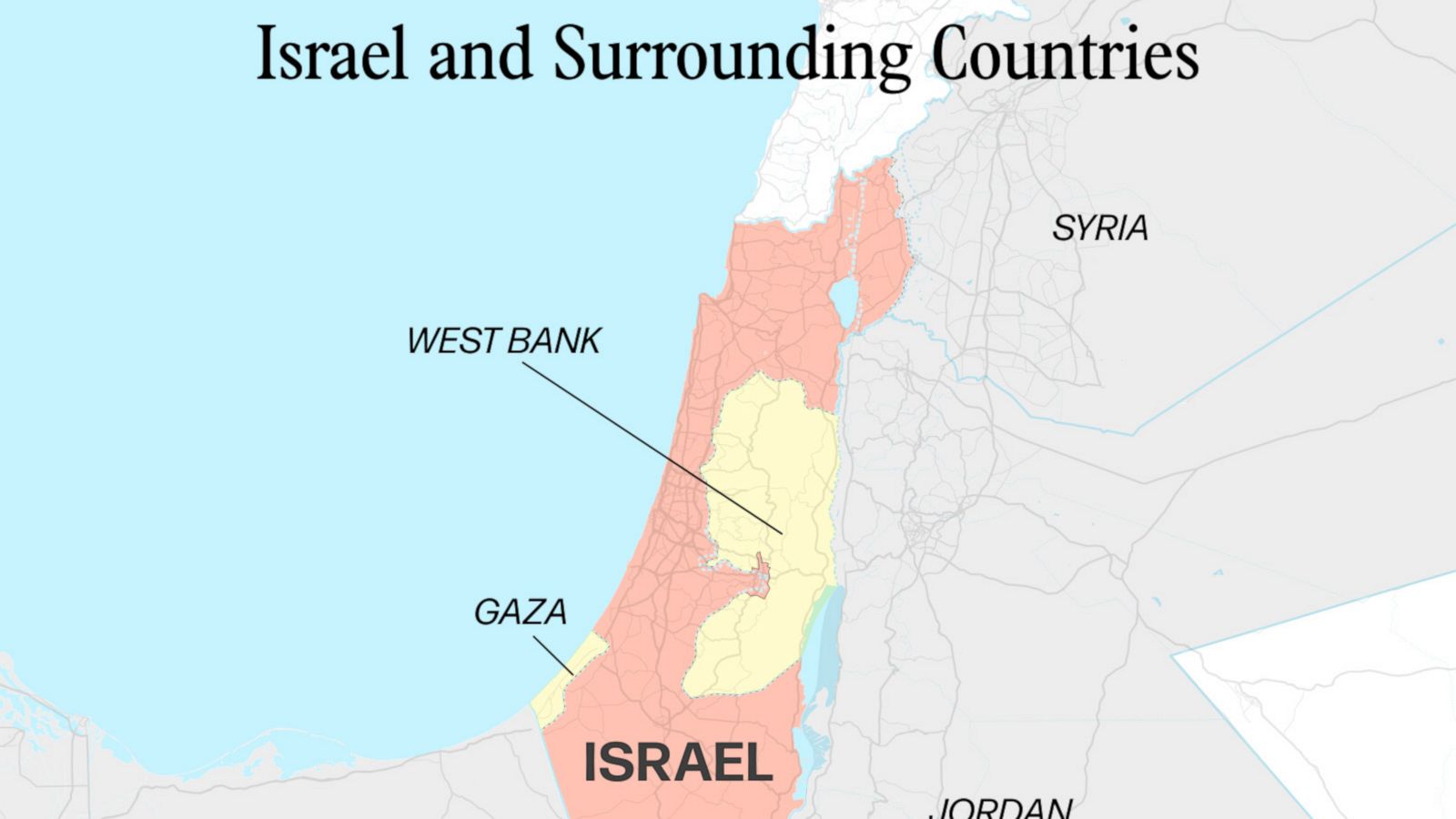
Despite its small size, Israel boasts an astonishing array of topographies and microclimates. Within a short drive, one can transition from the temperate Mediterranean climate of its coastal plains, with fertile agricultural lands, to the arid, stark beauty of the Negev Desert in the south. The Judean Hills offer cooler temperatures and lush greenery, while the Golan Heights feature volcanic landscapes and, surprisingly, the country’s only ski resort on Mount Hermon. The unique geological depression of the Dead Sea, the lowest point on Earth, adds another distinct ecosystem. This condensed diversity allows travelers to experience multiple “worlds” within hours, from hiking in desert wadis to enjoying seaside resorts, all within a compact geographical footprint.
Coastal Beauty to Sierra Peaks: California’s Geographic Wonders
California, with its vastness, showcases an even broader and more dramatic range of geographical features, spread across immense distances. Its Pacific Coast stretches for hundreds of miles, featuring everything from rugged cliffs to sandy beaches. Inland, the fertile Central Valley contrasts sharply with the towering peaks of the Sierra Nevada range, home to Mount Whitney, the highest point in the contiguous United States, and iconic national parks. To the east lie vast deserts like the Mojave and the intensely hot Death Valley National Park, the lowest point in North America. The scale of these features means that while one can find similar ecosystems in both regions (deserts, mountains, coastlines), California’s versions are often grander in scale and require significant travel to traverse.
Impact on Travel Planning and Activities
For the traveler, Israel’s condensed diversity means less time spent traveling and more time engaging in activities. One could potentially swim in the Mediterranean Sea in the morning and hike in the Negev Desert by afternoon. California’s sprawling landscapes necessitate more focused planning; combining a visit to the beaches of Southern California with skiing in the Sierra Nevada would likely require multiple days of travel and may be better suited for longer, multi-stage trips. The choice between these destinations often comes down to whether a traveler prefers a deep dive into a small, diverse area or a broad exploration of a vast, geographically epic region.
Culture and Connectivity: Small Country, Big Experiences
The size of a country also influences its cultural density and the way its various communities connect, offering different types of travel experiences.
Israel’s Historic and Religious Density
Israel’s compact size is inversely proportional to its historical and religious significance. Within its small borders, it holds an unparalleled concentration of sites holy to Judaism, Christianity, and Islam. The Old City of Jerusalem, for instance, contains the Western Wall, the Church of the Holy Sepulchre, and the Dome of the Rock, all within walking distance. This allows for an incredibly immersive historical and spiritual journey where one can visit multiple millennia-old sites in a single day. The country’s small size fosters a strong sense of national identity, even amidst its diverse population, making it feel highly connected culturally. Cities like Tel Aviv and Haifa are distinct but feel part of the same national fabric, with easy movement of people and ideas between them.
California’s Regional Identities and Modern Appeal
California’s vastness, on the other hand, gives rise to distinct regional identities and cultural hubs that can feel like separate entities. Northern California (e.g., San Francisco) has a reputation for innovation, liberal politics, and natural beauty, while Southern California (e.g., Los Angeles) is synonymous with entertainment, glamour, and a more car-centric lifestyle. The Central Valley and rural areas have their own unique agricultural and small-town cultures. Experiencing the full breadth of California’s cultural landscape requires significant travel between these distinct regions. The state’s appeal often lies in its modern cultural contributions – the film industry of Hollywood, the tech innovation of Silicon Valley, and its world-renowned culinary scene, often concentrated in its major metropolitan centers.
Accessibility of Attractions
In Israel, the proximity of attractions means that even those with limited mobility or time can often visit multiple key sites. Day trips from a central base are highly feasible. You could start your morning at a Haifa market, like the Carmel Market, and be back in Tel Aviv for dinner.
In California, while major cities are well-served by public transport, many natural wonders and smaller towns require a car. Visiting the Golden Gate Bridge in San Francisco is one experience, but getting to the wilderness of Yosemite National Park is an entirely different logistical undertaking, requiring careful planning and substantial travel time. This means that travelers must often choose between urban exploration and natural immersion, or dedicate a much longer trip to combine both.
Planning Your Journey: Making the Most of Size
Understanding the scale difference is paramount for planning an efficient and rewarding travel experience in either Israel or California.
Strategic Itinerary Building for Israel
For Israel, the strategy is often to pick one or two central bases (e.g., Tel Aviv and Jerusalem) and then embark on day trips to explore surrounding regions. This allows travelers to unpack once and delve deeply into each area. A common approach involves spending a few days in Jerusalem for its historical depth, then moving to Tel Aviv for its modern vibe, with excursions to the Dead Sea, Sea of Galilee, or the Negev Desert interspersed. This compact nature makes it feasible for a single trip to offer a comprehensive overview of the country’s highlights without feeling rushed.
Regional Exploration in California
When planning a trip to California, the key is to embrace regionalism. Rather than trying to see the entire state in one go, travelers should select a specific region (e.g., Southern California, Central Coast, Northern California, or the Sierra Nevada and Eastern California) and explore it thoroughly. This might mean dedicating a week to Los Angeles and San Diego, or a separate trip focused entirely on hiking in Yosemite National Park and exploring the surrounding nature. Combining disparate regions will inevitably involve significant travel time, making longer trips (two weeks or more) or multiple visits more practical.

The Power of Perspective for Travelers
Ultimately, the comparison of Israel to California is not about which is “better” but about understanding how size shapes the travel experience. Israel offers an intense, concentrated journey through millennia of history and diverse landscapes, perfectly suited for travelers who want to maximize their exposure to a variety of cultures and environments in a relatively short period. California provides an expansive canvas for grand road trips, allowing for deep dives into distinct regions, epic natural wonders, and varied cultural experiences, typically requiring more time or multiple dedicated visits. Both destinations promise unforgettable adventures, but their geographical scales demand different travel mindsets and planning strategies.
LifeOutOfTheBox is a participant in the Amazon Services LLC Associates Program, an affiliate advertising program designed to provide a means for sites to earn advertising fees by advertising and linking to Amazon.com. Amazon, the Amazon logo, AmazonSupply, and the AmazonSupply logo are trademarks of Amazon.com, Inc. or its affiliates. As an Amazon Associate we earn affiliate commissions from qualifying purchases.