
Florida, the “Sunshine State,” is a perennial favorite for travelers seeking sun-drenched beaches, thrilling theme parks, and vibrant cultural experiences. From the bustling energy of Miami to the historic charm of St. Augustine, and the whimsical wonderland of Orlando, Florida offers an incredible diversity of attractions that beckon visitors from across the globe. As you plan your adventure to this captivating peninsula, understanding the local time is a crucial, yet often overlooked, detail. This guide will not only clarify the time in Florida but also delve into how this impacts your travel planning, from booking accommodations to enjoying local activities and exploring its iconic landmarks.
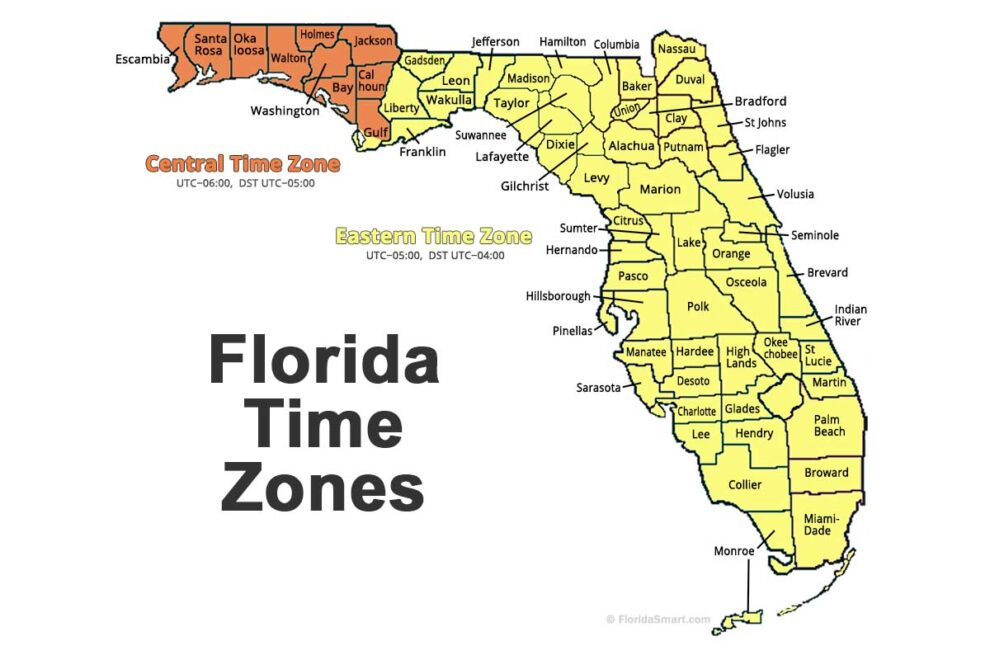
The primary reason for any confusion regarding time in Florida stems from the fact that the state observes Daylight Saving Time (DST). This means that for a significant portion of the year, Florida operates on Eastern Daylight Time (EDT), which is UTC-4. During the remainder of the year, it reverts to Eastern Standard Time (EST), which is UTC-5. This shift is synchronized with the rest of the Eastern Time Zone in the United States, which includes states like New York, Georgia, and parts of Michigan.
Navigating Florida’s Time Zones and Daylight Saving
Understanding the Eastern Time Zone
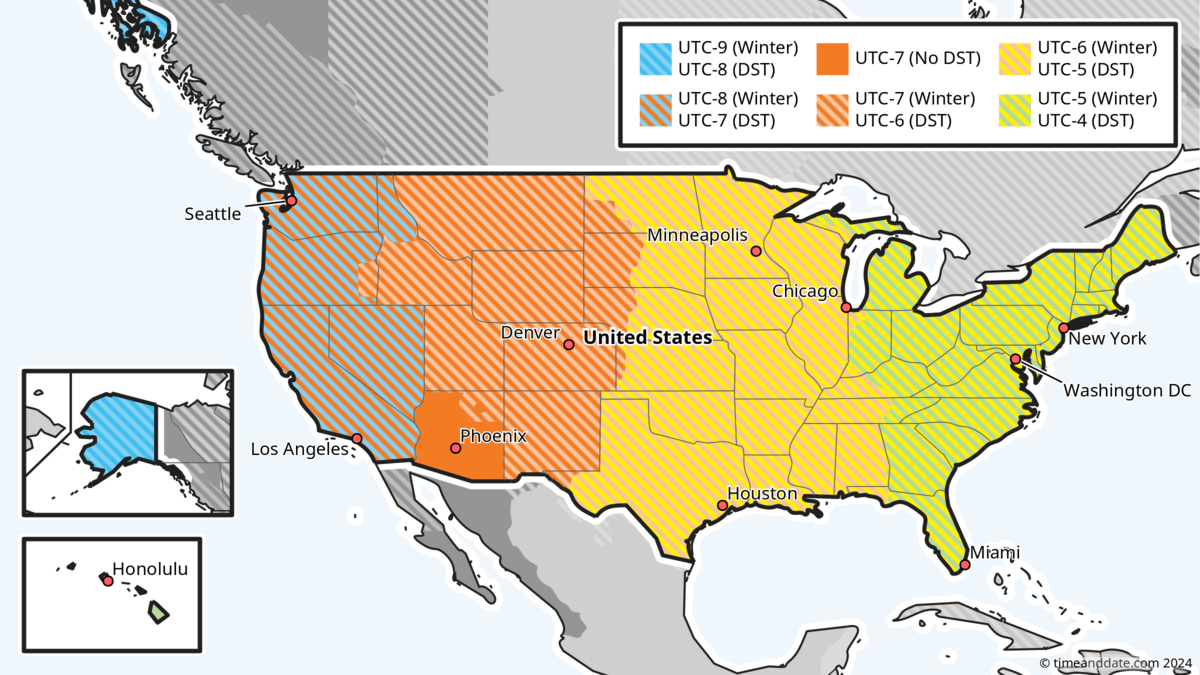
The vast majority of Florida falls within the Eastern Time Zone. This is the earliest time zone in the contiguous United States. For travelers arriving from overseas or from different time zones within the United States, this is a key piece of information for coordinating flights, hotel check-ins, and any scheduled activities. For instance, if you’re flying from California, which observes Pacific Time, Florida will be three hours ahead. If you’re coming from London, Florida will be five hours behind during EST and six hours behind during EDT.
The Impact of Daylight Saving Time
The observance of Daylight Saving Time is a critical factor in determining the exact time in Florida. In the United States, DST typically begins on the second Sunday in March and ends on the first Sunday in November. During these months, clocks are advanced by one hour. This means that during the summer and early fall, Florida observes Eastern Daylight Time (EDT). For example, if it’s 12:00 PM EST in Miami during standard time, it will be 1:00 PM EDT during Daylight Saving Time.
It’s essential for travelers to be aware of these shifts, especially when booking flights or planning to meet someone at a specific time. Airlines and many online booking platforms automatically adjust for DST, but it’s always a good practice to double-check the local time at your destination upon arrival. The change can be particularly noticeable if you’re traveling across time zones during the periods when DST begins or ends.
Specifics for the Panhandle Region
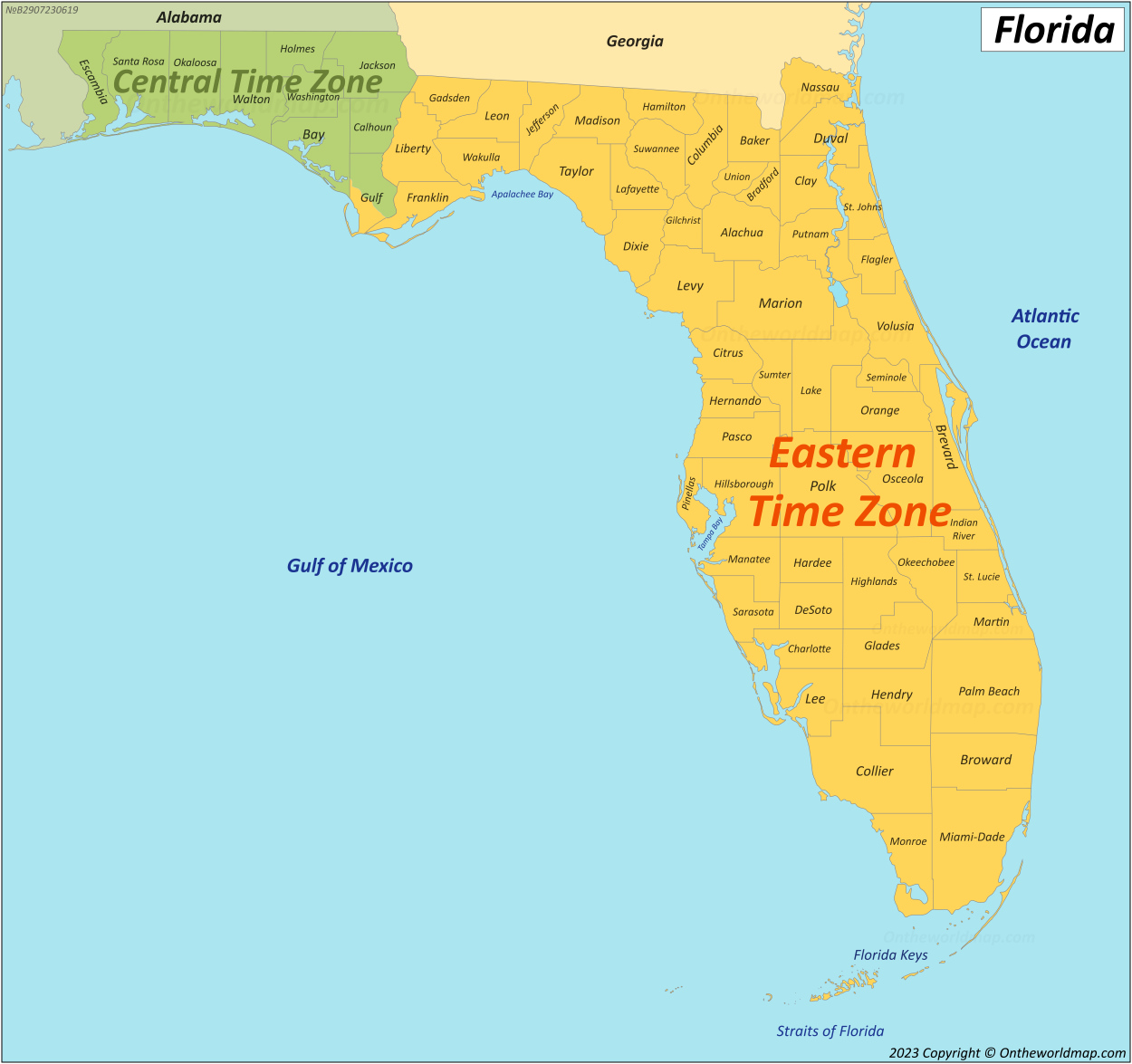
While most of Florida adheres to the Eastern Time Zone, a small portion of the western Panhandle, west of the Apalachicola River, observes the Central Time Zone. This means that this specific area is one hour behind the rest of Florida. For example, cities like Pensacola and Panama City (in the Panhandle) will be an hour earlier than Tampa or Orlando. This distinction is important for those traveling through or visiting this particular region. If your itinerary includes exploring the westernmost parts of the Florida Panhandle, be mindful of this time difference to avoid any miscommunications or missed appointments. This localized time zone variation is a unique characteristic of Florida’s geography and temporal alignment.
Planning Your Florida Itinerary Around Time
Understanding the time in Florida is more than just a matter of knowing the hour; it’s integral to a seamless travel experience. From securing your ideal hotel to embarking on a thrilling adventure at a world-renowned theme park, temporal awareness can enhance your enjoyment and minimize stress.
Accommodations and Check-in Times
When booking your accommodation in Florida, whether it’s a luxurious resort in South Beach, a family-friendly hotel near Walt Disney World, or a charming villa in the Florida Keys, the local time will dictate your check-in and check-out schedules. Most hotels and resorts adhere to a standard check-in time, typically in the afternoon, and a check-out time in the morning. Knowing the time in Florida allows you to accurately plan your arrival and departure, ensuring you don’t miss your allotted window, especially if you have a flight to catch immediately after checking out.
For example, if you’re arriving at Orlando International Airport late in the evening, knowing the time will help you estimate your arrival at your hotel and whether it will be within the check-in hours. Similarly, if you have an early morning flight out of Fort Lauderdale-Hollywood International Airport, understanding the time will help you schedule your airport transfer and ensure you have ample time to get through security. Many travelers opt for long-term stays in Florida, and for these arrangements, a clear understanding of the daily time cycle is crucial for daily routines and activities.
Embracing Local Culture and Activities
Florida’s vibrant local culture is best experienced when you’re synchronized with its rhythm. Many activities, from guided tours of historic districts like St. Augustine to sunset cruises in Key West, are time-specific. Understanding the local time helps you make the most of your daylight hours and evening entertainment.
Consider a visit to Everglades National Park. The best times for wildlife viewing are often in the early morning or late afternoon, when the animals are most active. Knowing the local time will help you plan your excursions to coincide with these optimal viewing periods. Similarly, experiencing Florida’s renowned culinary scene, from fresh seafood shacks along the coast to upscale dining in Tampa, requires an awareness of opening and closing times for restaurants.
For those interested in budget travel, understanding the time can also be beneficial for catching happy hour deals or taking advantage of early bird specials at attractions. Luxury travel enthusiasts might want to book spa appointments or fine dining experiences, which often require advance reservations based on the local time. Even planning a leisurely day at a Florida beach like Clearwater Beach involves considering when the sun will be at its most enjoyable, and when the crowds might be at their peak.
Attractions and Landmark Exploration
Florida is dotted with world-famous landmarks and attractions that draw millions of visitors each year. From the magical kingdoms of Walt Disney World and the thrilling rides at Universal Orlando Resort to the historic significance of Kennedy Space Center and the natural beauty of the Florida Keys, timing is everything.
Theme parks often have specific opening and closing hours, and understanding the local time ensures you can maximize your time within these parks. Special events, parades, and fireworks displays are all scheduled according to Florida time. If you’re visiting Miami, planning your exploration of Art Deco Historic District or a stroll along Ocean Drive will be more enjoyable if you’re aware of the sunset times and the best periods for photography.
When visiting natural landmarks like Biscayne National Park or taking a boat trip to see the manatees, factoring in the time of day can significantly enhance the experience. Early morning boat tours might offer calmer waters and better chances to spot marine life. Knowing the local time ensures you don’t miss these opportune moments. For those interested in family trips, coordinating activities across multiple attractions requires meticulous time management.
Business Stays and Travel Logistics
For those on business stays in Florida, adhering to meeting schedules, conference times, and flight departures is paramount. Florida is a major hub for business, with cities like Jacksonville, Miami, and Tampa hosting numerous conventions and corporate events. Being aware of the Eastern Time Zone is critical for ensuring you’re punctual for all your professional commitments.
The efficiency of your business trip is directly linked to your ability to manage time effectively. This includes accounting for travel time between your hotel and the conference venue, factoring in potential traffic, and ensuring you have enough buffer time for unexpected delays. Online platforms for booking flights and hotels usually display times in the local zone of the destination, but it’s always wise to confirm this, especially when dealing with international travel or complex itineraries.
Embracing the Florida Lifestyle: Time and Leisure
The allure of Florida extends beyond its attractions; it’s about embracing a lifestyle. Whether you’re seeking luxury travel or a more budget travel adventure, understanding how time influences these experiences is key to unlocking the full potential of your visit.
Experiencing Florida’s Culinary Delights
Florida’s diverse culinary landscape is a significant draw for many. From the Cuban influences in Miami to the fresh seafood catches along the coasts, restaurants and cafes operate on the local time. Knowing the time is essential for making dinner reservations, especially at popular establishments, and for planning visits to farmers’ markets where you can sample local produce. Imagine planning to enjoy a sunset dinner overlooking the ocean – timing is everything to catch those golden hues.
Family Adventures and Timed Experiences
Family trips to Florida often revolve around the abundant theme parks and child-friendly attractions. These locations, like SeaWorld Orlando or LEGOLAND Florida Resort, have carefully curated schedules for shows, parades, and character meet-and-greets. A family’s ability to navigate these timed experiences efficiently directly impacts the overall enjoyment of the vacation. Planning to visit Universal’s Islands of Adventure or Disney’s Magic Kingdom requires a strategic approach to timing, ensuring you hit the rides and shows before queues become excessively long.
Creating Memorable Moments
Ultimately, understanding the time in Florida is about maximizing your opportunities to create unforgettable memories. Whether it’s catching a sunrise over the Atlantic Ocean, enjoying a leisurely brunch in Palm Beach, or exploring the unique architecture of Naples, being in sync with the local time allows you to fully immerse yourself in the Florida experience. From the moment you land at Miami International Airport to the final moments of your trip, a clear grasp of Florida’s temporal landscape will contribute to a smoother, richer, and more enjoyable journey through the Sunshine State.
In conclusion, while the question “What Time Is It In Florida America?” might seem simple, its implications for travel planning are far-reaching. By understanding the Eastern Time Zone, the effects of Daylight Saving Time, and the minor exception in the Panhandle, travelers can better manage their itineraries, book accommodations, and fully immerse themselves in the diverse attractions and vibrant lifestyle that Florida has to offer. This temporal awareness is a small but vital component of a successful and enjoyable trip to the Sunshine State.
LifeOutOfTheBox is a participant in the Amazon Services LLC Associates Program, an affiliate advertising program designed to provide a means for sites to earn advertising fees by advertising and linking to Amazon.com. Amazon, the Amazon logo, AmazonSupply, and the AmazonSupply logo are trademarks of Amazon.com, Inc. or its affiliates. As an Amazon Associate we earn affiliate commissions from qualifying purchases.