
When planning a journey to the breathtaking shores of the Big Island, the question “What time is it in Hawaii Kona?” is often the first logistical hurdle a traveler encounters. However, time in Kona is more than just a digit on a digital clock; it is a fundamental shift in rhythm that defines the entire visitor experience. Located in the central Pacific Ocean, Hawaii operates on a schedule that is uniquely its own, unaffected by the seasonal shifts that govern much of the United States. Understanding this temporal landscape is essential for anyone looking to immerse themselves in the local culture, book the perfect sunrise tour, or simply manage the transition from the bustling Mainland to the tranquil Kailua-Kona coast.

Understanding Hawaii-Aleutian Standard Time (HST)
The state of Hawaii observes Hawaii-Aleutian Standard Time, which is technically ten hours behind Coordinated Universal Time (UTC-10). While this might seem like a simple mathematical subtraction, the implications for tourism and travel are significant. Because the islands are situated so close to the equator, the length of the days does not fluctuate as dramatically as it does in North America or Europe. This stability allows for a consistent lifestyle that revolves around the sun’s natural cycle rather than artificial clock adjustments.
The Absence of Daylight Saving Time
One of the most distinctive features of time in Kona is that the state does not participate in Daylight Saving Time. Along with Arizona, Hawaii remains on standard time year-round. This means that the time difference between Kona and cities like Los Angeles or New York changes twice a year. During the summer months, when California is on Pacific Daylight Time, Kona is three hours behind. In the winter, when the mainland reverts to standard time, the gap closes to just two hours. For those traveling from the East Coast, this difference can be as much as five or six hours, creating a profound “jet lag” effect that dictates the first few days of any Hawaiian vacation.
Coordinating with Global Time Zones
For international tourists, Kona serves as a bridge between the Americas and Asia. If you are arriving from Japan, you will find yourself crossing the International Date Line, effectively gaining a day as you fly east. Conversely, visitors from Australia or New Zealand must carefully calculate their arrival at Kona International Airport to ensure their hotel bookings at the Royal Kona Resort or the Sheraton Kona Resort & Spa at Keauhou Bay align with their actual landing time.
Living on “Island Time”: Cultural Perspectives in Kona
Beyond the technicalities of the clock, “Island Time” is a cultural phenomenon that every visitor to the Big Island should embrace. In Kona, life moves at a pace dictated by the trade winds and the tide. This isn’t a sign of inefficiency; rather, it is a reflection of the Aloha Spirit. It is a conscious choice to prioritize presence and connection over rigid schedules.
The Philosophy of Pono and Relaxation
In Hawaiian culture, being “Pono” means living in balance and harmony. This extends to how one treats time. When you are exploring the shops along Alii Drive, you may notice that things start a little later and end a little earlier than in major metropolitan areas. This slower pace encourages tourists to breathe deeply and appreciate the natural beauty of Kailua Bay. Instead of rushing from one attraction to the next, visitors are encouraged to linger over a bowl of fresh poke or watch the surfers at Magic Sands Beach.
Scheduling Local Activities and Sunrise Rituals
Because Hawaii is so far west, the sun rises early and sets relatively early compared to northern latitudes in the summer. This has led to a local culture that is very active in the early morning hours. If you want to experience the best of Kona, you should plan to align your schedule with the sun. Many of the most popular tours, such as snorkeling trips to Kealakekua Bay or visits to the Kona Coffee Living History Farm, begin shortly after dawn. By mid-afternoon, the “Kona weather” often brings a light mist or cloud cover over the slopes of Hualalai, making the morning the golden window for photography and outdoor exploration.
Practical Tips for Managing Time Zones and Jet Lag
The transition to Hawaii-Aleutian Standard Time can be jarring, especially for those coming from the Eastern Standard Time zone. However, the unique geography of Kona actually offers some advantages for those struggling with a shifting internal clock.
Using the Early Wake-up to Your Advantage
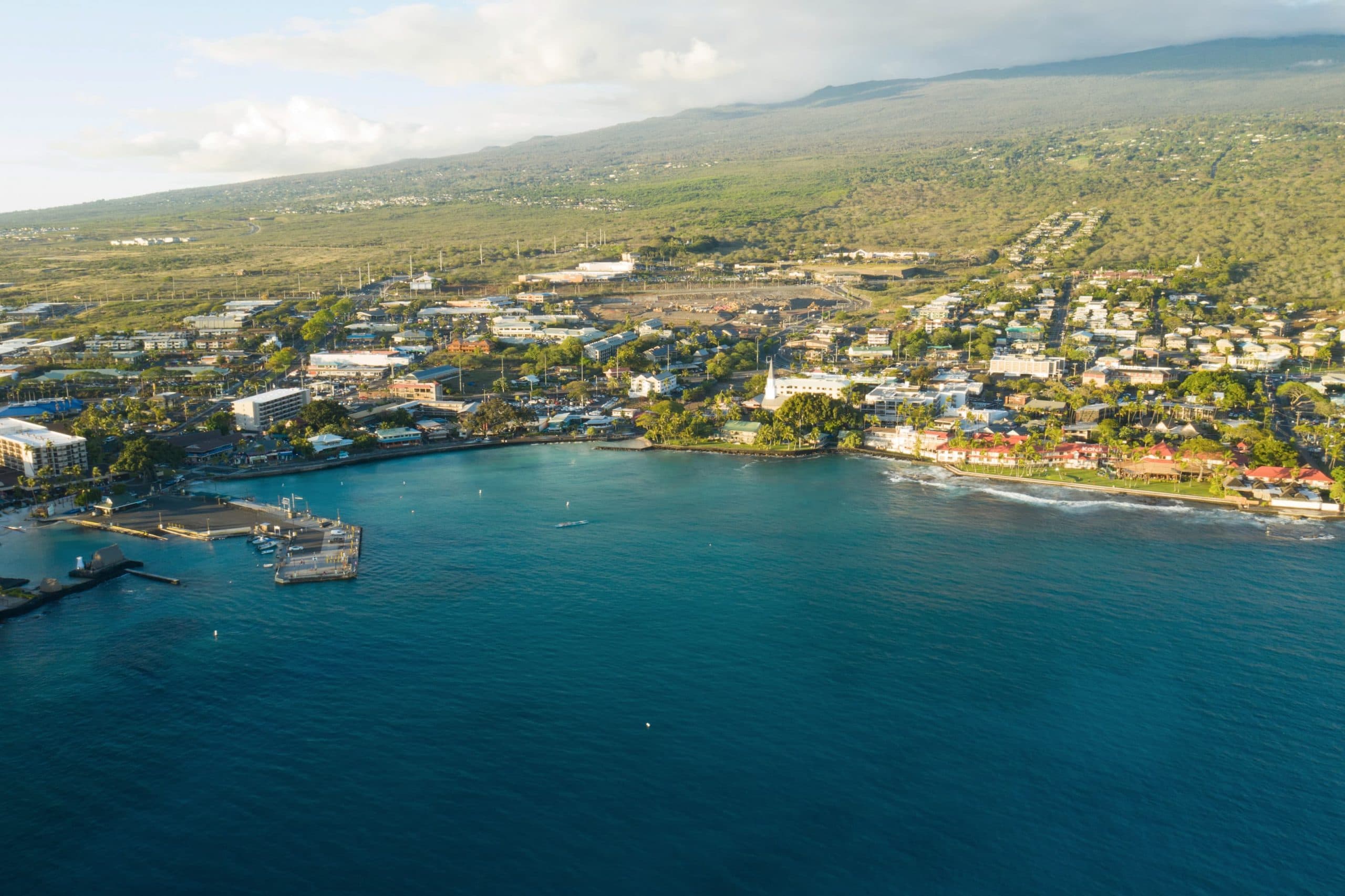
One of the “secrets” to a successful Kona trip is leaning into the jet lag. Most visitors from the Mainland will find themselves wide awake at 4:00 AM or 5:00 AM for the first few days. Rather than fighting this, use it to witness the spectacular sunrise over Mauna Kea. It is also the perfect time to visit Kahaluu Beach Park before the crowds arrive. The water is often at its calmest in the early morning, providing crystal-clear visibility for seeing green sea turtles and vibrant tropical fish.
Adjusting Your Internal Clock with Local Flavors
Diet and sunlight are the two most powerful tools for resetting your circadian rhythm. To adjust to the time in Kona, immerse yourself in the local culinary scene immediately. A cup of 100% Kona Coffee grown on the slopes of Holualoa is the perfect way to signal to your brain that the day has begun. Similarly, spending your first afternoon in the direct sunlight at Hapuna Beach State Recreation Area helps your body recognize the local day-night cycle, making it easier to fall asleep at a reasonable local hour.
Timing Your Culinary and Cultural Experiences
The time of day significantly impacts the types of experiences available in Kona. From the timing of the tides to the opening hours of historical sites, a little bit of temporal planning goes a long way in enriching your tourism experience.
Historical Sites and Cultural Landmarks
If you are interested in the rich history of the Big Island, timing is everything. Puuhonua o Honaunau National Historical Park, also known as the City of Refuge, is best visited in the late afternoon. As the sun begins to dip toward the horizon, the ancient stone walls and wooden idols (kii) are bathed in a soft, golden light that highlights the architectural ingenuity of the ancient Hawaiians. Similarly, the Hulihee Palace on Alii Drive offers tours that are best booked in advance to avoid the midday heat.
The Magic of the Kona Nightlife
While Kona is not known for high-octane clubbing, its nighttime activities are among the most unique in the world. The famous Manta Ray night snorkel is a time-dependent activity that begins just as the sun sets. Tour operators departing from Honokohau Harbor use powerful lights to attract plankton, which in turn attracts the majestic mantas. For those who prefer to stay on land, the Courtyard by Marriott King Kamehameha’s Kona Beach Hotel hosts traditional luaus where the timing of the imu ceremony (the uncovering of the underground oven) is a central part of the evening’s ritual.
Why “What Time Is It?” is the Wrong Question
Ultimately, the most successful travelers to Kona realize that “What time is it?” is often less important than “What is the environment telling me?” In Hawaii, the environment is the ultimate timekeeper.
Navigating the Seasons in Hawaii
While the clock remains the same, the “time of year” dictates much of the tourism activity on the Big Island. If it is winter, it is whale-watching time. Between December and April, Humpback Whales migrate from Alaska to the warm Hawaiian waters to mate and give birth. During this time, the horizon off the Kohala Coast is often dotted with breaches and spouts. If it is October, it is Ironman World Championship time, a period when Kailua-Kona transforms into a global hub for elite athletes, and local traffic patterns shift significantly.
Embracing the Eternal Now of the Big Island
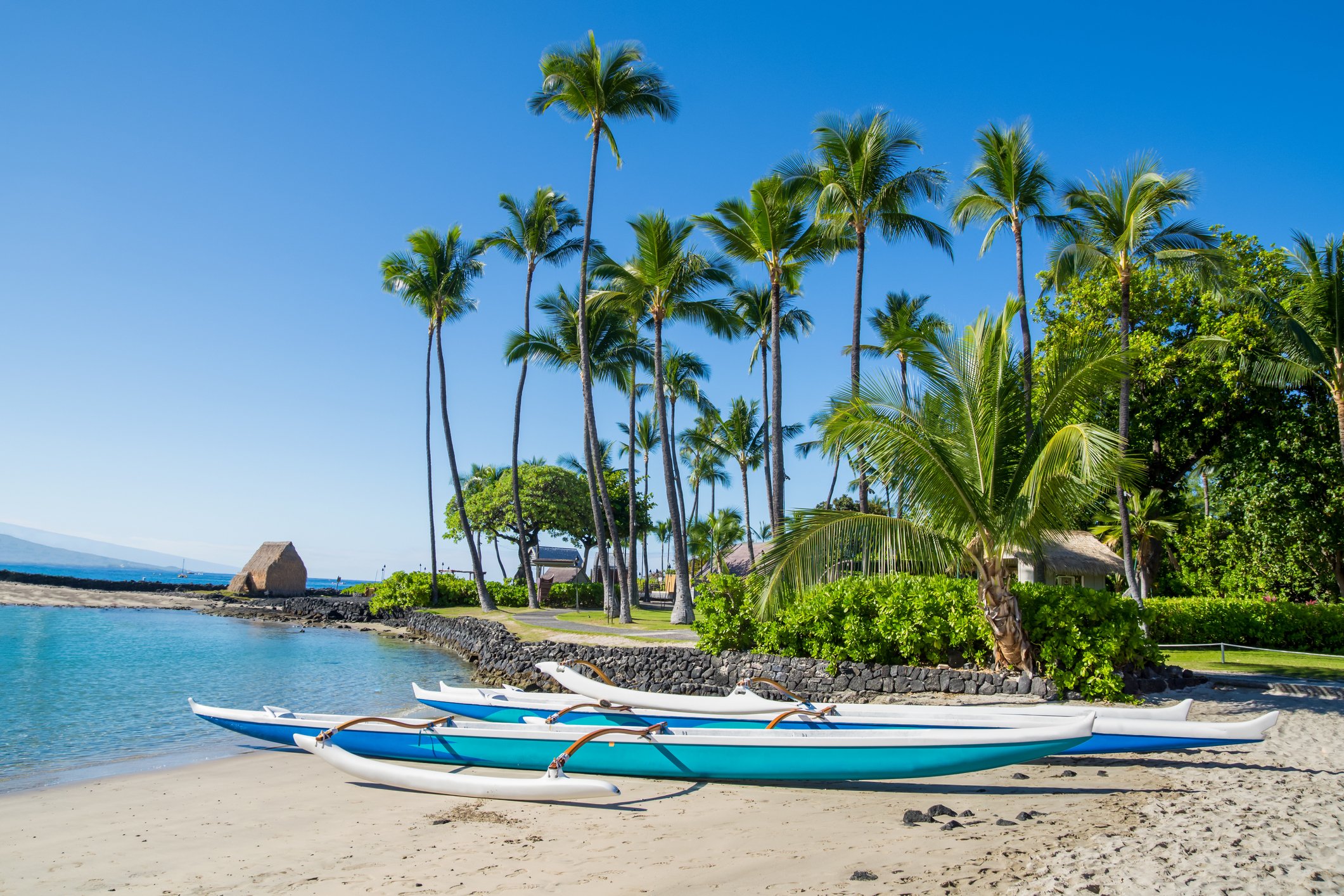
Whether you are standing at the southernmost point of the United States at Ka Lae or watching the steam rise from Hawaii Volcanoes National Park, the concept of time begins to feel fluid. The volcanic landscape of Kona serves as a reminder of geological time—thousands of years of lava flows and regrowth. When you look at the clock and see it is 2:00 PM in Kona, you aren’t just looking at a time; you are looking at a moment where the sun is high over the Pacific Ocean, the coffee cherries are ripening in Captain Cook, and the spirit of Hawaii is inviting you to slow down and stay a while.
In conclusion, knowing the time in Kona is helpful for catching your flight or making a dinner reservation at a popular spot like Huggo’s on the Rocks. But the true essence of Kona tourism is found when you stop worrying about the minutes and start living by the hours of the sun. From the early morning serenity of Kaloko-Honokohau National Historical Park to the starlit nights under the dark skies of the Big Island, time here is a gift, not a constraint.
LifeOutOfTheBox is a participant in the Amazon Services LLC Associates Program, an affiliate advertising program designed to provide a means for sites to earn advertising fees by advertising and linking to Amazon.com. Amazon, the Amazon logo, AmazonSupply, and the AmazonSupply logo are trademarks of Amazon.com, Inc. or its affiliates. As an Amazon Associate we earn affiliate commissions from qualifying purchases.