
Understanding the clock in Lihue is more than a matter of checking a digital display; it is the first step in immersing oneself in the unique rhythm of the Garden Isle. As the commercial and cultural heart of Kauai, Lihue operates on a schedule dictated by the sun, the tides, and a deep-rooted cultural tradition. For the traveler arriving at Lihue Airport, synchronization with the local time is the key to unlocking the best experiences the island has to offer, from sunrise hikes to traditional evening feasts.
Navigating the Hawaii-Aleutian Standard Time Zone
Hawaii occupies a unique position in the geography of global time. The entire state, including the town of Lihue, follows Hawaii-Aleutian Standard Time (HST). This time zone is ten hours behind Coordinated Universal Time (UTC-10), making it one of the most westerly points of time in the United States.

The Absence of Daylight Saving Time
One of the most critical factors for visitors to remember is that Hawaii does not observe Daylight Saving Time. While much of North America shifts their clocks forward in the spring and back in the autumn, the time in Lihue remains constant throughout the year. This decision is rooted in the island’s tropical latitude; near the equator, the length of daylight does not vary significantly enough between seasons to justify a shift in the clock.
For the tourist, this means the time difference between Lihue and home will change depending on the season. During the summer months, when the West Coast is on Daylight Time, Lihue is three hours behind Los Angeles. In the winter, that gap narrows to two hours. On the East Coast, the difference can be as significant as six hours in the summer, which can have a profound impact on how one plans their first few days of tourism.
Calculating the Difference from the Mainland
Navigating these shifts requires a bit of mental math. If you are traveling from New York, your 6:00 PM dinner might coincide with the Lihue noon-day sun. Understanding this calculation is vital for booking tours, making restaurant reservations, and ensuring you don’t call family members back on the Mainland in the middle of the night.
The stability of Hawaii-Aleutian Standard Time offers a sense of permanence and peace. In Lihue, the clock doesn’t dictate life as harshly as it does in bustling metropolitan hubs. Instead, the steady nature of the time zone encourages a slower, more deliberate pace of exploration.
Maximizing Your Daylight Hours in Lihue
In a destination defined by its natural beauty, the “time” is best measured by the movement of the sun across the Pacific Ocean. Tourism in Lihue is heavily skewed toward the daylight hours, as the island’s most stunning landmarks are best viewed under the bright Hawaiian sky.
Early Mornings and the Rise of the Garden Isle
Lihue is an early-to-rise community. Because the sun rises consistently early throughout the year, many of the best local activities begin at dawn. Travelers who can adjust their internal clocks to match the local sunrise will find themselves rewarded with empty trails and calm waters.
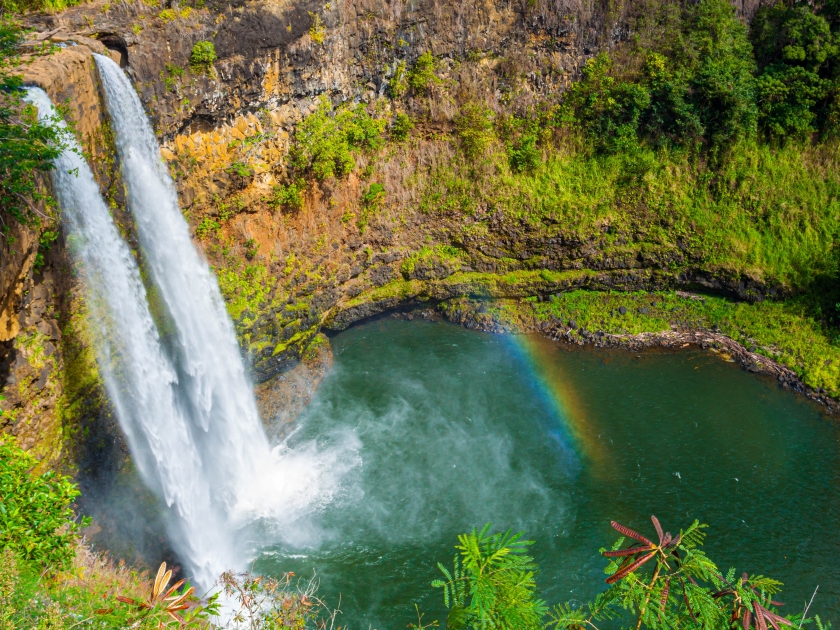
A visit to Wailua Falls, located just a short drive from the center of Lihue, is best experienced in the early morning light. During this time, the mist from the twin falls often creates rainbows, and the crowds that arrive via tour buses later in the day are nowhere to be seen. Similarly, if you plan to head out from Nawiliwili Harbor for a boat tour of the Na Pali Coast, an early start is essential to beat the afternoon trade winds that can make the ocean choppy.
Sunset Rhythms and Evening Etiquette
Conversely, the sun sets relatively early in Lihue compared to summer evenings in northern latitudes. By 7:00 PM or 8:00 PM, the island often settles into a quiet, nocturnal rhythm. For those looking for nightlife, Lihue offers a more relaxed atmosphere than Honolulu on Oahu.
Dinner in Lihue is typically enjoyed earlier, with many local favorites near Kalapaki Beach seeing their peak hours between 5:30 PM and 7:30 PM. This “early to bed, early to rise” philosophy is part of the local charm, ensuring that both residents and visitors are well-rested for another day of outdoor adventure. Understanding these sunset rhythms is crucial for planning your evening meals and ensuring you aren’t looking for a full dinner service after most kitchens have closed for the night.
The Cultural Significance of “Island Time”
To truly understand what time it is in Lihue, one must appreciate the cultural concept of “Island Time.” This isn’t just a cliché; it is a lifestyle that prioritizes presence, relationship, and the natural flow of the day over the rigid ticking of a clock.
Understanding Local Rhythms and Pace
In Lihue, you may notice that things move at a slightly different speed. Whether you are visiting the Kauai Museum to learn about the island’s royal history or stopping by a local roadside stand for fresh papaya, the interactions are often more leisurely. Rushing is generally frowned upon, as it is seen as a missed opportunity to connect with others and the environment.
This cultural approach to time means that “on time” might mean “whenever everyone arrives.” While professional tours and flights at Lihue Airport adhere strictly to the clock, social gatherings and community events may follow a more fluid schedule. Embracing this shift in perspective can be the most relaxing part of a Hawaiian vacation. It allows the traveler to decompress from the high-stress, minute-by-minute scheduling often found on the Mainland.
Scheduling Tours and Local Engagements
When booking experiences like a visit to the Grove Farm Museum or a tour of the Kilohana Plantation, it is important to balance the scheduled start time with the local pace. Arriving early allows you to take in the surroundings and transition into the mindset required for a cultural experience.
Moreover, tourism in Lihue often involves traveling to other parts of the island, such as Poipu Beach to the south or Hanalei Bay to the north. Because Kauai has a limited road system, “time” in a practical sense must also account for traffic. The “Lihue Crawl” is a local term for the afternoon traffic that can slow down travel. Planning your day with a buffer of “Island Time” ensures that a small delay on the highway doesn’t ruin your plans for a sunset dinner.
Practical Considerations for the Traveling Clock
For the modern tourist, managing time is also a logistical necessity. From overcoming jet lag to staying connected with global business, the practicalities of the Lihue clock require some strategy.
Jet Lag Management and Acclimatization
The time jump to Hawaii can be significant, especially for those coming from the East Coast or Europe. To quickly synchronize with Lihue time, experts recommend staying awake until at least 8:00 PM local time on your first night. Engaging in outdoor activities at Kalapaki Beach can help, as natural sunlight is the most effective way to reset your circadian rhythm.
Hydration and nutrition also play a role. Exploring the local food scene in Lihue can provide the necessary energy to push through the initial fatigue. By the second or third day, most visitors find themselves naturally waking up with the tropical birds, perfectly aligned with the island’s schedule.

Business and Connectivity Across Time Zones
For those on a “workation” or business travelers staying in Lihue, the time difference presents a unique set of challenges and opportunities. Being several hours behind the Mainland means that a 9:00 AM meeting in New York happens at 3:00 AM or 4:00 AM in Lihue.
However, many find that the time difference works in their favor for evening tasks. By the time the business day is ending on the West Coast, it is only mid-afternoon in Lihue, leaving plenty of time for a late afternoon hike to Waimea Canyon or a quick dip in the ocean after the workday is finished. The key is to manage expectations and use the early morning quiet for deep work before the rest of the world wakes up.
Ultimately, the question of “what time is it in Lihue” is an invitation to leave behind the frantic pace of modern life. Whether you are tracking the arrival of a flight at Lihue Airport or watching the shadows lengthen over Mount Waialeale, time here is a gift. By understanding the mechanics of Hawaii-Aleutian Standard Time and embracing the philosophy of “Island Time,” you can ensure your journey through Kauai is as timeless as the landscape itself.
LifeOutOfTheBox is a participant in the Amazon Services LLC Associates Program, an affiliate advertising program designed to provide a means for sites to earn advertising fees by advertising and linking to Amazon.com. Amazon, the Amazon logo, AmazonSupply, and the AmazonSupply logo are trademarks of Amazon.com, Inc. or its affiliates. As an Amazon Associate we earn affiliate commissions from qualifying purchases.