
Beyond merely stating the current hour, understanding the concept of time in Orlando, Florida is fundamental for any traveler planning a memorable escape to this world-renowned destination. Orlando, often dubbed the “Theme Park Capital of the World,” operates on a schedule that dictates everything from flight arrivals and resort check-ins to theme park opening hours and dinner reservations. For visitors hailing from diverse time zones across the United States and beyond, mastering Orlando’s temporal rhythm is key to unlocking a seamless and unforgettable travel experience.
This article delves into the nuances of time in Orlando, exploring its official time zone, the implications of Daylight Saving Time, and critically, how these factors influence your travel itinerary, accommodation choices, and overall enjoyment of the vibrant local culture and myriad attractions. Whether you’re a first-time visitor or a seasoned Florida enthusiast, arming yourself with this temporal knowledge will empower you to maximize every precious moment in this bustling Central Florida metropolis. From navigating the early morning rush at Magic Kingdom to catching the perfect sunset view from a rooftop bar on International Drive, time management is an art form in Orlando, and we’re here to help you master it.

Understanding Orlando’s Time Zone: Eastern Standard Time (EST)
At its core, Orlando adheres to the Eastern Time Zone, specifically Eastern Standard Time (EST) during the cooler months and Eastern Daylight Time (EDT) for the majority of the year. EST is five hours behind Coordinated Universal Time (UTC-5), while EDT shifts to UTC-4. This seemingly simple fact carries profound implications for travelers, influencing everything from flight schedules to the optimal time to queue for your favorite attraction.
For international travelers, especially those from Europe, Asia, or South America, the time difference can be substantial. For instance, if you’re flying from London, United Kingdom, which is typically GMT+1 (BST) during summer, Orlando will be five hours behind. This can lead to jet lag, a common travel affliction that can initially diminish your energy levels and disrupt your sleep patterns. Understanding this differential in advance allows for better planning – perhaps scheduling a lighter first day or opting for an overnight flight that allows you to sleep through a significant portion of the time change. Similarly, for domestic visitors, particularly those from the Pacific or Mountain Time Zones of the United States, the time jump can still be noticeable, requiring adjustment for early park openings.
The consistency of the Eastern Time Zone throughout much of the East Coast of the United States and Canada simplifies coordination for many visitors. If you’re coming from New York City, Miami, or Toronto, you’ll be on the same clock, making communication and scheduling with locals or other travelers a breeze. However, this uniformity quickly dissolves when considering the vast geographical span of North America, let alone the world. Hence, verifying the current time in Orlando before making any crucial decisions – be it booking a shuttle, confirming a restaurant reservation, or calling a local contact – remains a crucial first step in your travel preparations.
Navigating Daylight Saving Time
Daylight Saving Time (DST) is an annual ritual observed across most of the United States, including Florida. On the second Sunday in March, clocks “spring forward” one hour, shifting from Eastern Standard Time to Eastern Daylight Time (EDT). This change grants an extra hour of daylight in the evenings, a welcome bonus for tourists eager to squeeze every drop of fun out of their Orlando vacation. Conversely, on the first Sunday in November, clocks “fall back” one hour, returning to EST.
This bi-annual time shift has significant implications for travel planning. If your trip dates straddle these transitions, be acutely aware of the change. A flight scheduled to depart just after the “spring forward” might effectively leave an hour later than you perceive if you haven’t adjusted your internal clock. More importantly, the extra hour of evening daylight during EDT allows for extended park hours, longer outdoor activities, and more vibrant nightlife. Attractions like Walt Disney World Resort and Universal Orlando Resort frequently extend their operating hours during peak summer and holiday seasons, which often coincide with EDT. This means more time to enjoy rides, parades, and fireworks displays without feeling rushed. For families, the longer evenings can be particularly beneficial, allowing for later dinners or leisurely strolls through Disney Springs or Universal CityWalk after a full day at the parks.
Conversely, the “fall back” in November marks the return to EST, which means earlier sunsets. While this might shorten evening outdoor activities, it also often ushers in cooler, more pleasant weather for daytime exploration. It’s advisable to check the specific DST dates for your travel year and plan your itineraries accordingly, especially if you have tightly scheduled activities or flights during the transition weeks. Staying informed ensures that your meticulously planned schedule aligns perfectly with Orlando’s actual operating hours and daylight availability.
Why Time Zones Matter for Travelers
Beyond mere convenience, understanding Orlando’s time zone directly impacts the quality and efficiency of your trip. The primary concern for many international and cross-country travelers is jet lag. Symptoms like fatigue, insomnia, headaches, and digestive issues can significantly impair your ability to enjoy your vacation, especially during the initial days. Planning for a gradual adjustment, perhaps by staying hydrated, avoiding caffeine and alcohol on flights, and trying to adjust your sleep schedule a few days before departure, can mitigate these effects. Choosing an accommodation with blackout curtains and a comfortable bed can also aid in recovery.
Flight schedules and connections are another critical area. A miscalculation of time zones can lead to missed flights or long, unexpected layovers. Always confirm your flight times in the local time of departure and arrival. For those connecting through other U.S. cities that may or may not be in the Eastern Time Zone, this vigilance is paramount.
For theme park enthusiasts, time is a precious commodity. Parks like Walt Disney World Resort and Universal Orlando Resort open their gates early, often before the official sunrise during peak season. Arriving at “rope drop” (park opening) is a universally recommended strategy for experiencing popular attractions with minimal wait times. If your body clock is still several hours behind, waking up early enough to take advantage of these crucial morning hours can be a challenge. Similarly, late-night events, parades, and fireworks might clash with an unadjusted sleep schedule, leading to tired children and exhausted adults.
Finally, communication with home can be affected. If you’re trying to reach family or friends back in a different time zone, being aware of the difference helps avoid inconveniently timed calls. For business travelers, coordinating virtual meetings or checking in with colleagues requires a firm grasp of the time disparity. In essence, time zone awareness isn’t just a detail; it’s a foundational element of successful and stress-free travel planning to Orlando.
Maximizing Your Orlando Experience: Time-Sensitive Planning
Orlando is a destination where every minute counts, given the sheer volume of attractions and activities. Strategic time planning is not just recommended; it’s essential to truly maximize your visit. From the moment your plane lands at Orlando International Airport (MCO) until your departure, understanding the clock dictates how smoothly your vacation unfolds.
Theme Park Strategies: Beating the Crowds and Clock
The theme parks are undoubtedly Orlando’s biggest draw, and their schedules are meticulously designed. To make the most of your time at places like Magic Kingdom, Epcot, Disney’s Hollywood Studios, Disney’s Animal Kingdom, Universal Studios Florida, Universal’s Islands of Adventure, and SeaWorld Orlando, early mornings are your best friend. Arriving before the parks officially open, a strategy known as “rope drop,” allows you to experience popular rides with minimal wait times, setting a positive tone for the day. Many resorts, particularly those on Walt Disney World Resort and Universal Orlando Resort property, offer early park entry for guests, providing an invaluable head start.
Mid-day, when crowds are at their peak and the Florida sun is hottest, is an ideal time for indoor attractions, sit-down meals, or even a return to your resort for a swim and a nap – especially beneficial for families with young children or those combating jet lag. Consider using digital tools and apps provided by the parks, such as the My Disney Experience app or the Universal Orlando Resort app, which offer real-time wait times and show schedules, enabling you to make informed decisions and optimize your route.
Evenings in Orlando’s theme parks come alive with spectacular parades, dazzling fireworks, and late-night shows. Planning to stay for these events often means navigating larger crowds at closing, so factoring in extra travel time for buses or skyway systems is crucial. By strategically planning your day around peak times and utilizing early mornings and late evenings, you can significantly reduce wait times and enhance your enjoyment of these world-class attractions.
Dining and Entertainment: Booking Your Perfect Day
Orlando’s culinary scene is as diverse as its attractions, ranging from quick-service bites to gourmet dining experiences. Many of the most sought-after restaurants, especially those within the theme parks or popular districts like Disney Springs and Universal CityWalk, require advance reservations. For high-demand locations, booking 60 days or more in advance is not uncommon, underscoring the importance of time-sensitive planning. Ensure you factor in travel time to and from your dining destination, especially if it’s outside your current park or resort.
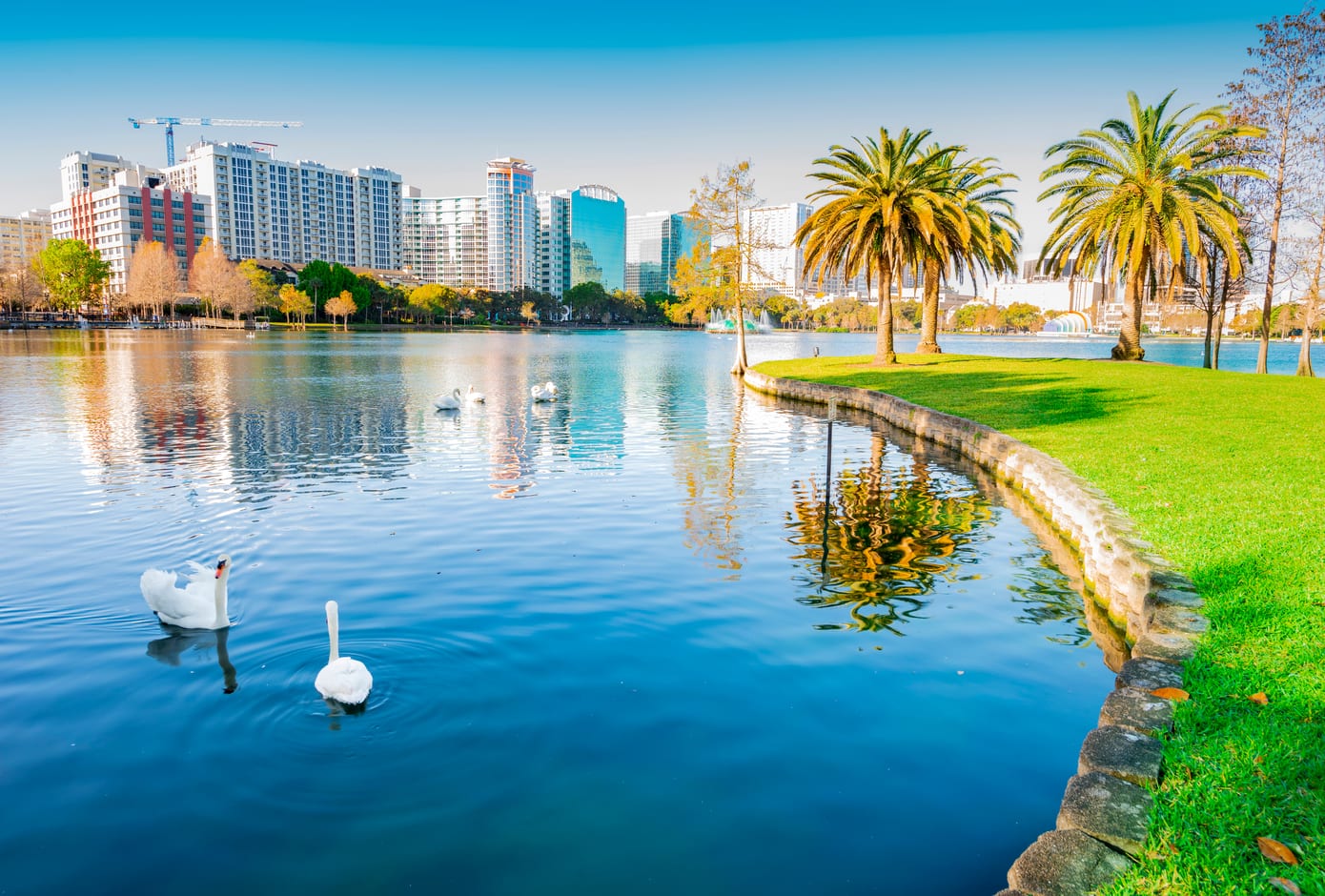
Beyond dining, Orlando offers a vibrant nightlife and entertainment landscape. From dinner shows and live music venues to comedy clubs and theaters like the Dr. Phillips Center for the Performing Arts, many experiences operate on strict schedules. Checking showtimes and booking tickets in advance is paramount to avoid disappointment. For those seeking a more relaxed evening, exploring areas like ICON Park or the numerous dining and entertainment options along International Drive offers flexibility, though popular spots can still fill up quickly during peak hours.
Consider the rhythm of your day when planning: an early breakfast at your hotel could set you up for a full morning at the parks, followed by a leisurely lunch, and then an evening show. Or, if you prefer late nights, a later start to your day might be more suitable, allowing for evening dining and entertainment to take center stage. Tailoring your dining and entertainment schedule to your travel style and energy levels will ensure a more enjoyable and less rushed experience.
Beyond the Parks: Exploring Orlando’s Diverse Offerings
While theme parks are the star attractions, Orlando and its surroundings offer a wealth of other experiences that also operate on a clock. Day trips to the Kennedy Space Center Visitor Complex on the Space Coast or to the beaches of Cocoa Beach or Daytona Beach require early starts to maximize your time. Busch Gardens Tampa Bay, another popular day trip, involves a significant drive, making early departures from Orlando essential.
Within Orlando itself, cultural institutions like the Orlando Science Center, art museums, and historical sites like Gatorland typically have defined opening and closing hours. Checking these in advance and incorporating them into your daily plan ensures you don’t arrive only to find the doors closed. Sporting events at the Amway Center or concerts in Downtown Orlando also run on strict schedules, often requiring pre-purchased tickets and arriving early to find parking and navigate crowds.
For nature lovers, airboat tours through Florida’s wetlands, hot air balloon rides over Kissimmee, or even leisurely kayaking trips on local springs often have specific departure times or operate only during certain parts of the day. These activities, while offering a refreshing break from the theme park hustle, demand similar attention to scheduling. Integrating these diverse experiences into your itinerary requires meticulous time management, ensuring you allocate sufficient travel time and are aware of all operating hours to prevent any missed opportunities. Orlando’s diverse appeal truly shines when you’ve effectively managed your time to explore beyond the usual.
Accommodation & Logistics: Making the Most of Your Stay
Choosing the right accommodation and handling logistical details efficiently are crucial components of an Orlando trip, heavily influenced by time. From the moment you arrive until your departure, understanding the rhythms of hotels and resorts can significantly enhance your experience, turning potential stressors into seamless transitions.
Check-in, Check-out, and Resort Amenities
Standard hotel check-in times in Orlando typically range from 3:00 PM to 4:00 PM, while check-out times are usually around 10:00 AM or 11:00 AM. For travelers arriving on early morning flights, this can present a challenge. If your room isn’t ready upon arrival, many resorts, including luxury options like the Four Seasons Resort Orlando at Walt Disney World Resort or family-friendly resorts like Universal’s Cabana Bay Beach Resort, offer luggage storage services. This allows you to head straight to the parks, pools, or resort amenities while your room is being prepared. It’s always wise to call your hotel in advance to inquire about early check-in options or express check-in via their mobile apps, which can save valuable time.
Similarly, on your departure day, a late flight might leave you with several hours between check-out and heading to Orlando International Airport. Many hotels offer amenities like “hospitality suites” or extended access to pools and common areas after check-out. Some, especially high-end properties like The Ritz-Carlton Orlando, Grande Lakes or Hyatt Regency Grand Cypress, might even provide day passes or allow for late check-out for an additional fee, offering a comfortable space to relax and refresh. Budget-conscious travelers staying in apartments or villas near Kissimmee or Lake Buena Vista should confirm these options during booking.
Understanding these policies and planning around them ensures you can maximize every moment of your stay. Utilizing resort amenities like pools, fitness centers, or dining options during non-peak hours (e.g., late morning or early afternoon) can also enhance your leisure time without competing with larger crowds. Booking reviews often highlight which hotels are most accommodating in this regard, offering valuable insights for your accommodation search.
Managing Jet Lag and Maintaining Your Schedule
For many travelers, particularly those from distant time zones like California, Brazil, or the United Kingdom, jet lag is an inevitable challenge. Successfully combating it can be the difference between an exhausting trip and an exhilarating adventure. The goal is to gradually adjust your body’s internal clock to Orlando’s Eastern Time Zone.
Here are some tips for managing jet lag:
- Pre-adjust: A few days before your trip, start shifting your sleep and meal times closer to Orlando’s schedule. Even an hour or two can make a difference.
- Hydrate and avoid dehydrators: Drink plenty of water on your flight and during your first few days. Limit alcohol and caffeine, which can exacerbate jet lag symptoms.
- Embrace daylight: Upon arrival, expose yourself to natural light, especially in the mornings. This helps reset your circadian rhythm. Try to stay awake until a reasonable local bedtime.
- Power naps: If you absolutely need to rest, keep naps short (20-30 minutes) to avoid falling into a deep sleep that could further disrupt your night-time rest.
- Stick to your new schedule: Once you’ve settled in, try to eat and sleep at times that align with Orlando’s schedule, even if you don’t feel hungry or sleepy initially.
- Choose the right accommodation: A comfortable bed, quiet surroundings, and effective room darkening are paramount. Many resorts, such as Disney’s Contemporary Resort or Loews Portofino Bay Hotel, are designed with guest comfort in mind, offering quiet rooms and excellent service that can aid in recovery.
Maintaining a schedule, even a slightly flexible one, is key. Use your phone’s clock to display Orlando’s local time immediately upon arrival. Synchronize your watches and devices. This constant reminder helps your brain and body adjust more quickly. For business stays, adhering to a pre-planned agenda, even when feeling fatigued, can ensure productivity. For family trips, managing children’s sleep schedules is particularly challenging but critical for park enjoyment. By proactively addressing jet lag and meticulously planning your daily routine, your Orlando vacation will be far more energetic and enjoyable.
The Best Time to Visit Orlando: Seasonal Considerations
While the question “What time is it?” typically refers to the hour of the day, it can also extend to the “time of year,” which significantly impacts an Orlando travel experience. Seasonal variations in weather, crowd levels, and special events dictate much about the ideal time for your visit, whether you’re planning a luxury escape, a budget-friendly trip, or a family adventure.
Weather and Crowds: Finding Your Ideal Window
Orlando’s climate is subtropical, characterized by hot, humid summers and mild, drier winters.
- Winter (December to February): This is often considered the most pleasant time to visit, with average temperatures ranging from the low 60s to low 70s Fahrenheit (15-23°C) and lower humidity. Crowds are moderate, except during the Christmas and New Year’s holiday weeks, which are extremely busy. This period is ideal for those sensitive to heat and humidity, offering comfortable conditions for extended park days and outdoor activities.
- Spring (March to May): Temperatures begin to rise, reaching the 70s and 80s Fahrenheit (21-30°C). Humidity increases, and afternoon thunderstorms become more frequent in late spring. Spring Break periods and Easter bring significant crowds, but early spring can offer a sweet spot of good weather and manageable crowds before the summer rush.
- Summer (June to August): This is Orlando’s peak season for heat and humidity, with daily temperatures often in the high 80s to low 90s Fahrenheit (30-35°C), accompanied by frequent afternoon downpours. Crowds are typically very high, especially around the Fourth of July. Despite the weather, many families visit during school holidays, drawn by the vibrant atmosphere and extended park hours. Water parks like Volcano Bay are incredibly popular during this time.
- Fall (September to November): Temperatures cool down, gradually moving from the high 80s to the 70s Fahrenheit (26-21°C) and humidity decreases. Early fall can still be hot and is within hurricane season, so travel insurance is recommended. However, late fall offers some of the best weather, lighter crowds (outside of Thanksgiving week), and appealing seasonal events.
For budget travelers, visiting during the “off-season” (late January, September, early December) can lead to lower hotel rates and flight costs, making comparison shopping for accommodation like villas and suites much more rewarding. For those seeking luxury travel, the comfort of winter might be preferred, even if it means higher prices at resorts like JW Marriott Orlando, Grande Lakes or Disney’s Boardwalk Inn. Understanding these patterns allows you to align your visit with your preferred climate, crowd tolerance, and budget.
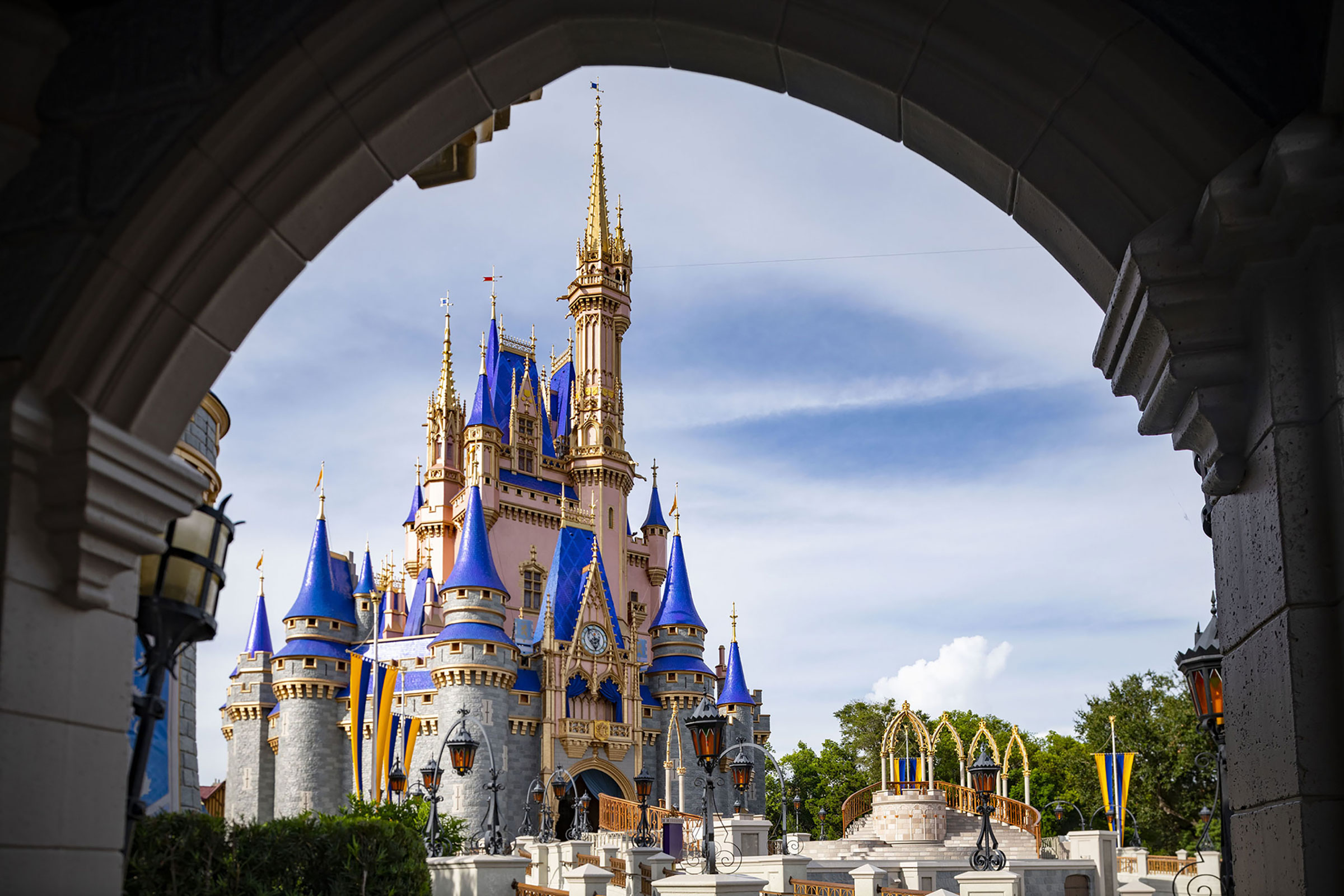
Special Events and Festivals
Orlando’s calendar is dotted with special events and festivals that can either enhance or complicate your visit, depending on your interests and planning.
- Epcot International Food & Wine Festival: Held annually from late summer into fall, this festival at Epcot draws massive crowds, especially on weekends. Foodies will revel in the culinary experiences, but those avoiding crowds might prefer other times.
- Mickey’s Not-So-Scary Halloween Party / Halloween Horror Nights: These immensely popular Halloween-themed events at Magic Kingdom and Universal Studios Florida respectively, run through September and October. They require separate tickets and significantly increase park attendance.
- Christmas and New Year’s Celebrations: From mid-November through early January, Walt Disney World Resort and Universal Orlando Resort transform with festive decorations, special parades, and unique shows. While magical, this period sees the highest crowd levels and accommodation prices.
- Concerts and Sporting Events: Throughout the year, the Amway Center and other venues host major concerts and sporting events, which can impact local traffic and hotel availability, especially in Downtown Orlando.
- RunDisney Events: Various running events hosted by Disney throughout the year attract thousands of participants and their families, leading to increased demand for accommodation and some road closures.
Checking the event calendars for Walt Disney World Resort, Universal Orlando Resort, and the Orlando convention center before booking your trip is a crucial step. Attending a specific festival or enjoying the holiday ambiance can be a highlight of your trip, but being caught unaware by peak event crowds can detract from your experience. By aligning your visit with either desired events or periods of lower attendance, you can truly tailor your “time” in Orlando to your personal preferences and create lasting memories.
Ultimately, understanding “What time is it in Orlando, Florida now?” goes far beyond a simple clock check. It’s about recognizing the intricate role of time zones, Daylight Saving, seasonal variations, and strategic planning in shaping your entire travel narrative. By mastering these temporal elements, you transform your vacation from a mere trip to a perfectly orchestrated adventure, ensuring every moment spent in this magical city is as effortless and memorable as possible.
LifeOutOfTheBox is a participant in the Amazon Services LLC Associates Program, an affiliate advertising program designed to provide a means for sites to earn advertising fees by advertising and linking to Amazon.com. Amazon, the Amazon logo, AmazonSupply, and the AmazonSupply logo are trademarks of Amazon.com, Inc. or its affiliates. As an Amazon Associate we earn affiliate commissions from qualifying purchases.