
Planning a trip to Florida, the Sunshine State, often brings images of pristine beaches, thrilling theme parks, and endless outdoor adventures. However, like any diverse ecosystem, Florida experiences distinct seasons, and understanding its rainy period is crucial for any traveler. Far from a gloomy, continuous downpour, Florida’s rainy season is a unique meteorological phenomenon that shapes local life and tourism, offering both challenges and unexpected delights. For visitors from the United States and beyond, knowing when to expect these tropical showers and how to navigate them can transform a good vacation into an unforgettable experience. This comprehensive guide will delve into the intricacies of Florida’s wet season, equipping you with all the knowledge needed to plan your ideal getaway, from booking the perfect accommodation to discovering rain-friendly attractions and embracing the state’s vibrant lifestyle, regardless of the forecast.
Understanding Florida’s Wet Season
The concept of a “rainy season” in Florida might conjure images of incessant rain, but it’s a far more nuanced weather pattern. This period is defined by a shift in atmospheric conditions that bring increased humidity and frequent, often intense, afternoon thunderstorms, rather than continuous, all-day rainfall. It’s a fundamental aspect of the subtropical and tropical climates that dominate much of the state, influencing everything from the lushness of its landscapes to the rhythm of daily life for locals and tourists alike.
The Official Calendar: When It Begins and Ends
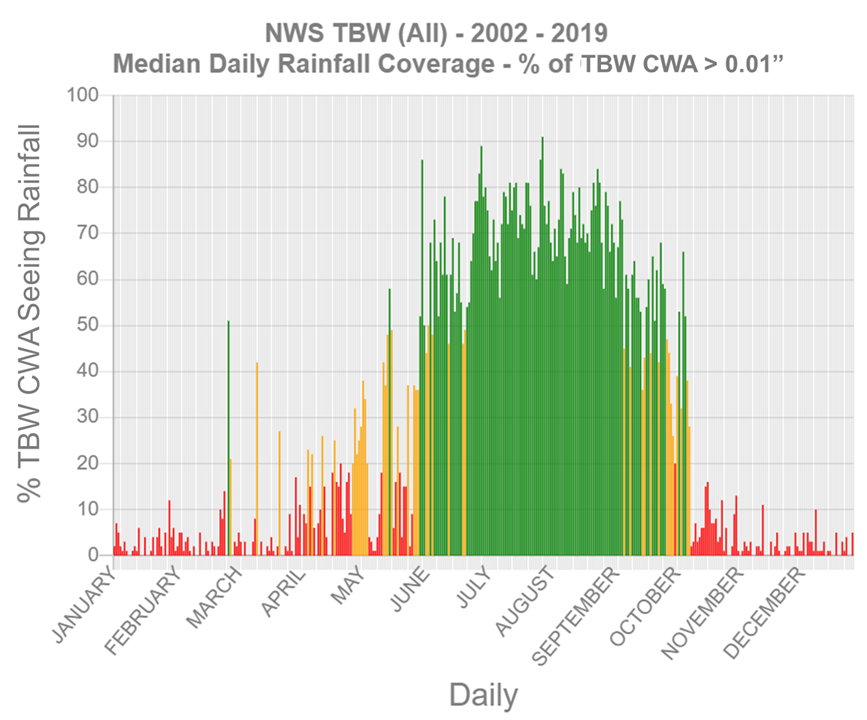
Generally, Florida’s rainy season typically commences in late May or early June and extends through October. This six-month window marks the period when the state receives the vast majority of its annual precipitation. While the exact start and end dates can fluctuate by a week or two each year, and vary slightly depending on whether you’re in South Florida, Central Florida, or North Florida, these months serve as reliable indicators for planning purposes. For instance, South Florida, including cities like Miami and Fort Lauderdale, often sees its rainy pattern begin a bit earlier and persist longer due to its more tropical latitude. Conversely, the Florida Panhandle might experience a slightly shorter, albeit still significant, wet season. This period also largely coincides with the Atlantic hurricane season, adding another layer of consideration for travelers.
The “Why”: Tropical Influences and Sea Breezes
The onset of the rainy season is driven by several interconnected meteorological factors. As the Northern Hemisphere tilts towards the sun, Florida experiences increasing temperatures, leading to hotter landmasses and warmer waters in the surrounding Gulf Coast and Atlantic Coast. This warming intensifies the daily sea breeze cycle. Moist air from the oceans converges inland, creating towering cumulus clouds that eventually develop into thunderstorms.
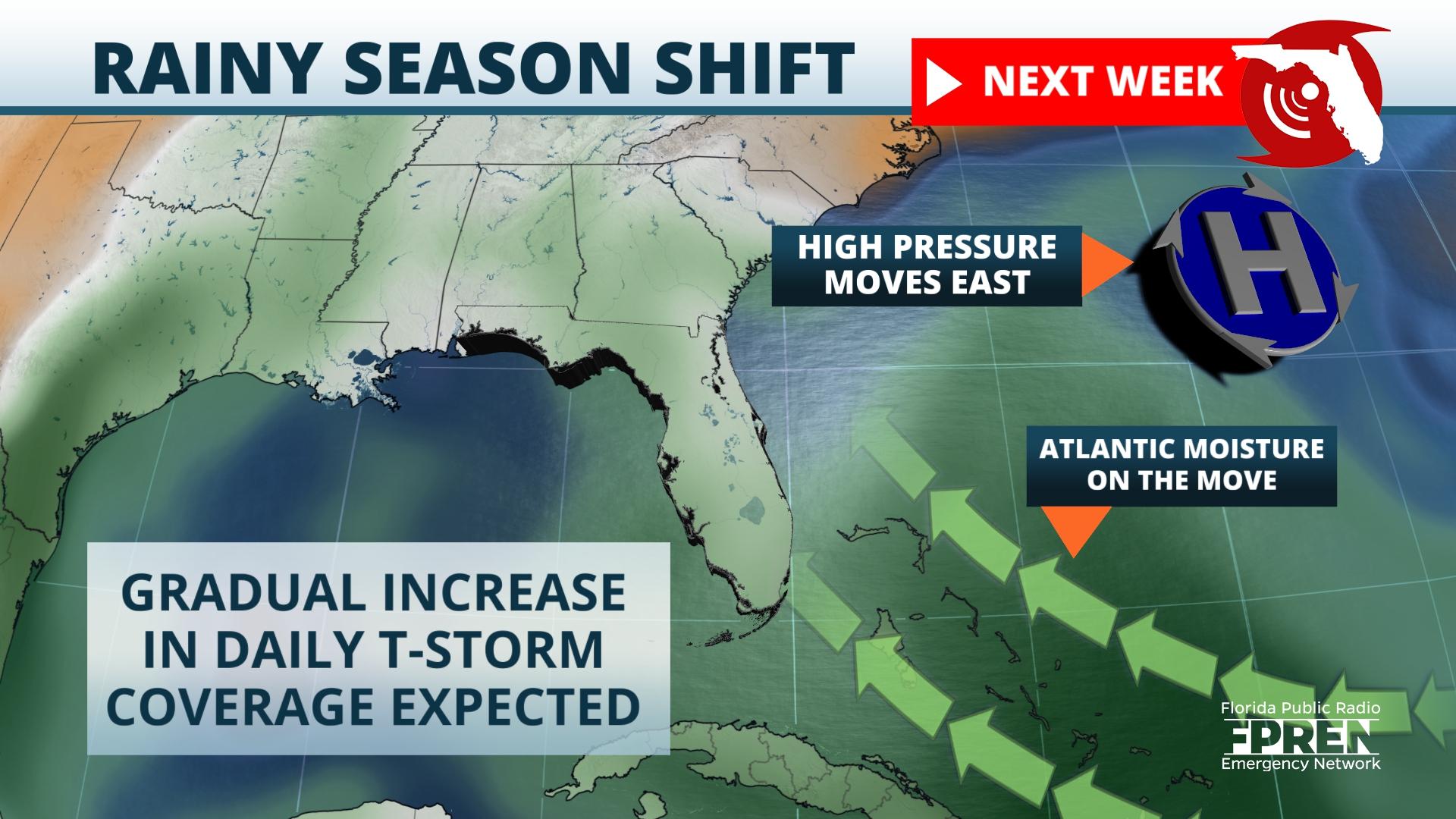
Furthermore, the movement of the Bermuda High-Pressure System plays a significant role. During summer, this high-pressure system typically shifts westward, allowing tropical moisture from the Caribbean and the Atlantic to stream into Florida. This abundance of warm, moist air, combined with the intense solar heating and sea breeze convergence, acts as a powerful engine for daily convection, resulting in the characteristic afternoon downpours that define the state’s rainy season. Understanding these atmospheric mechanics helps travelers appreciate that the rain is a natural, predictable part of Florida’s summer and early autumn climate, rather than an unpredictable disruption.
What to Expect: Daily Downpours and Humidity
Visiting Florida during its rainy season means embracing a unique set of weather patterns. It’s not about constant rain, but rather a predictable rhythm of sunshine giving way to dramatic, yet often brief, storms. This period is also synonymous with high temperatures and significant humidity, factors that shape the entire travel experience, from what to pack to how you structure your daily itinerary.
Typical Daily Patterns: Afternoon Storms
The hallmark of Florida’s rainy season is the afternoon thunderstorm. Most days begin with clear, bright skies, offering ample opportunity for morning activities. As the day progresses and temperatures soar, moisture builds up, leading to the formation of thunderclouds. Typically, between 2 PM and 5 PM, these clouds unleash their contents in intense, localized downpours. These storms are often spectacular, characterized by heavy rain, thunder, and lightning. However, the good news for travelers is that they usually don’t last long, typically ranging from 30 minutes to a couple of hours. Afterward, the skies often clear, and the sun reappears, sometimes even producing vibrant rainbows, leaving behind a refreshed landscape and cooler air for the evening. This pattern allows for strategic planning; visitors can schedule outdoor activities in the mornings and early evenings, reserving the mid-afternoon for indoor pursuits.
Beyond the Rain: Heat, Humidity, and Sunshine
While rain is a feature, it’s essential to remember that Florida is still the Sunshine State. Interspersed between the showers are long periods of brilliant sunshine. However, the rainy season also coincides with the state’s hottest and most humid months. Daily temperatures frequently climb into the high 80s and low 90s Fahrenheit (around 30-35°C), and the humidity can be oppressive, making the “feels like” temperature even higher. This combination means that even without rain, visitors should be prepared for heat. Staying hydrated, wearing light and breathable clothing, and taking breaks in air-conditioned environments are crucial for comfort. The high humidity can also make some outdoor activities feel more strenuous, so pacing yourself is key, particularly if you’re exploring vast areas like Walt Disney World Resort or Everglades National Park.
Hurricane Season Overlap: A Crucial Consideration
It’s vital to note that Florida’s rainy season significantly overlaps with the Atlantic hurricane season, which runs from June 1st to November 30th. While daily thunderstorms are common and generally manageable, hurricanes and tropical storms represent a more serious weather threat. These systems can bring prolonged heavy rains, strong winds, and coastal flooding, potentially disrupting travel plans for days or even a week. While direct hurricane strikes are relatively rare, the possibility exists, especially during the peak months of August and September. Travelers planning visits during this period should closely monitor weather forecasts, consider purchasing travel insurance, and be aware of their chosen accommodation’s (be it a luxury resort or a budget-friendly hotel) evacuation procedures. Staying informed through reputable weather sources is paramount for ensuring safety and minimizing potential disruptions during hurricane season.
Navigating Your Florida Trip During the Rains
Traveling to Florida during the rainy season doesn’t mean canceling your plans; it means optimizing them. With a little foresight and flexibility, you can enjoy all the state has to offer, from its world-renowned attractions to its hidden gems, making the most of both sunny spells and rain showers. The key is to adapt your itinerary to the predictable afternoon storm patterns and embrace the opportunities that come with fewer crowds and lush, vibrant scenery.
Outdoor Adventures: Adapting Your Plans
Many of Florida’s most popular activities are outdoors, from theme parks to beach days. For destinations like Walt Disney World Resort in Orlando or the beaches of Sarasota and Naples, planning is essential. Start your day early to maximize sun exposure. Hit the popular rides or beach spots first thing in the morning when crowds are thinner and the weather is usually clear. When the inevitable afternoon storms roll in, use this time for a leisurely lunch, indoor shows, souvenir shopping, or returning to your hotel for a break. Many theme parks, like Universal Studios Florida, have covered queues and indoor attractions that are perfect for weathering a storm. Don’t forget rain gear: a lightweight poncho or umbrella is a must-have, allowing you to quickly adapt if caught out in the open. Embrace the rain; sometimes, a sudden downpour can be a refreshing break from the heat and even empty out popular areas, giving you a unique experience.
Indoor Escapes: Attractions Beyond the Weather

Florida boasts a wealth of indoor attractions that are perfect for rainy afternoons or escaping the heat. Cities like Miami, Orlando, and Tampa offer an incredible array of museums, aquariums, and entertainment complexes. In Orlando, beyond the major theme parks, explore indoor options like the Kennedy Space Center Visitor Complex for an inspiring space adventure, or the various indoor entertainment districts. In Miami, delve into art at the Vizcaya Museum & Gardens (though parts are outdoor, the main house offers shelter) or the many galleries in the Art Deco Historic District. Tampa offers the Florida Aquarium and the Glazer Children’s Museum, perfect for families. The historic city of St. Augustine provides numerous indoor historical sites within its St. Augustine Historic District, from museums to historic homes. Even smaller cities have their charms, like the Ringling Museum in Sarasota. Planning a mix of indoor and outdoor activities ensures that your travel plans remain flexible and enjoyable, irrespective of the weather.
Driving Conditions and Travel Tips
Driving during Florida’s rainy season requires extra caution. Heavy downpours can quickly reduce visibility and lead to hydroplaning, as roads become slick. Always slow down, increase following distance, and turn on your headlights. Flash floods can occur in low-lying areas, so be mindful of road conditions. For longer drives between cities like Jacksonville and Miami, consider scheduling travel for morning hours to avoid the peak thunderstorm period. When choosing accommodation, check if hotels or resorts offer covered parking. Furthermore, prepare for mosquitoes, which are more prevalent during humid and wet conditions. Pack insect repellent, especially if you plan to explore natural areas like the Everglades National Park or visit the Florida Keys, including Key West. Lastly, always have a fully charged phone for weather updates and navigation, and consider downloading offline maps in case of patchy cellular service during a storm. Being well-prepared for both the rain and its aftermath will ensure smoother travels throughout the state.
Regional Nuances: Florida’s Diverse Climate Zones
While general patterns apply, Florida’s elongated geography means that the rainy season can manifest differently across its distinct regions. From the tropical tip of the Keys to the subtropical expanse of the Panhandle, understanding these variations is key to tailoring your trip precisely. Each area offers unique attractions and experiences, which are subtly shaped by its specific climate.
South Florida: The Tropical Heart
South Florida, encompassing vibrant cities like Miami, Fort Lauderdale, Naples, and the Florida Keys extending to Key West, experiences the most pronounced and extended rainy season. Here, the tropical influence is strongest, leading to higher average humidity and a greater frequency of afternoon storms that can sometimes last longer than in central or north Florida. The monsoon-like feel, with its intense downpours, is particularly evident. Despite this, the region thrives, with luxury resorts, pristine beaches, and bustling city life. Activities here often revolve around waterfront dining, exploring the Art Deco Historic District, or visiting the Everglades National Park. Travelers to South Florida during the rainy season should prioritize accommodations with excellent indoor amenities, like the iconic The Breakers Palm Beach, and be ready for intense heat and humidity whenever the sun is out. The lush greenery, however, is at its peak, providing stunning backdrops for photography.
Central Florida: Theme Park Strategies
Central Florida, home to the world-famous theme parks of Orlando, including Walt Disney World Resort and Universal Studios Florida, and cities like Tampa, also experiences its rainy season from June through October. The pattern of afternoon thunderstorms is very consistent here, often arriving with clockwork precision. Theme park operators are well-versed in managing these conditions, with many indoor shows, rides, and covered queues. Travelers visiting this region should plan their most desired outdoor rides and attractions for early mornings. Take advantage of the afternoon rains for dining, shopping, or enjoying indoor shows. Water parks are still very popular, as the rain often brings a refreshing cool-down. Accommodation choices range from sprawling resorts like the Waldorf Astoria Orlando or Loews Portofino Bay Hotel that offer extensive indoor activities, to more budget-friendly suites. These resorts are often designed to ensure guests have plenty to do, regardless of the weather, making them ideal for family trips during the rainy season.
North Florida and the Panhandle: A Different Rhythm
North Florida and the Florida Panhandle, encompassing areas like Jacksonville, St. Augustine, Tallahassee, Gainesville, and Pensacola, exhibit a slightly different rainy season pattern. While they still experience increased rainfall from June to October, the influence of continental weather patterns can sometimes lead to more varied rainfall distributions compared to the purely tropical influence in South Florida. Thunderstorms are still common, especially in the afternoon, but they might be less frequent or intense than further south. The humidity, while high, can also feel marginally less oppressive. This region’s attractions, from the historic charm of St. Augustine Historic District to the beautiful beaches of Daytona Beach and the Panhandle, can be enjoyed with a similar approach of morning outdoor activities and afternoon indoor retreats. The slightly milder conditions (relatively speaking) might make certain outdoor pursuits, such as hiking in state parks or exploring the architecture of St. Augustine, a bit more comfortable in North Florida during these months.
Maximizing Your Visit: Perks and Planning Strategies
While the idea of a “rainy season” might deter some, visiting Florida during these months offers distinct advantages for the savvy traveler. From more budget-friendly options to unique experiences, understanding how to leverage these perks and plan strategically can lead to a richer, more relaxed vacation. This period, often overlooked, holds a charm of its own, inviting a different kind of exploration and enjoyment.
Budget-Friendly Travel and Fewer Crowds
One of the most significant benefits of traveling to Florida during its rainy season, particularly from June to September (excluding major holiday weekends), is the potential for lower prices and fewer crowds. As this period falls outside the peak tourist seasons of spring break, winter holidays, and parts of late autumn, demand for flights, hotels, and attraction tickets often decreases. This means travelers can find more affordable accommodation rates, from luxury resorts to family-friendly suites and vacation rentals. Airfares might also be more competitive. Furthermore, popular attractions like Busch Gardens Tampa Bay or the various theme parks in Orlando generally see fewer visitors compared to drier months. This translates to shorter wait times for rides and easier navigation through parks and landmarks, enhancing the overall experience. For those looking to enjoy Florida’s world-class offerings without the bustling crowds and higher costs, the rainy season presents an ideal window.
Accommodation Choices: Resorts, Suites, and Villas
Selecting the right accommodation becomes even more critical during the rainy season. Look for hotels, suites, resorts, or villas that offer ample indoor amenities and activities. A resort with a fantastic spa, an indoor play area for children, multiple dining options, or even a covered pool deck can be a lifesaver during an afternoon downpour. Many of Florida’s premier resorts, such as The Breakers Palm Beach or Waldorf Astoria Orlando, are designed as self-contained destinations, ensuring guests have plenty to do without needing to venture out. For longer stays or family trips, consider booking a spacious suite or a private villa, which often provide more living space, kitchen facilities, and entertainment options, allowing for comfortable relaxation during rain showers. Checking reviews specifically for “rainy day activities” or “indoor amenities” can guide your choice, ensuring your accommodation enhances rather than hinders your vacation experience.
Packing Essentials for a Rainy Florida Getaway
Packing smart is paramount for a comfortable rainy season trip to Florida. Start with lightweight, breathable fabrics like cotton or linen to combat the heat and humidity. Despite the rain, sunscreen and sunglasses are absolute necessities for the strong sun between showers. Essential rain gear includes:
- Lightweight Poncho or Umbrella: Easy to carry and deploy quickly.
- Waterproof Shoes or Sandals: To protect your feet from puddles and avoid soggy sneakers.
- A Waterproof Bag/Backpack: To keep electronics and valuables dry while exploring.
- Reusable Water Bottle: Staying hydrated is key in the heat.
- Insect Repellent: Mosquitoes are more active in humid conditions, especially after rain.
- Swimsuit(s): For pool time or braving the beach if the rain clears.
- Quick-Drying Clothes: Handy for unexpected showers.
Additionally, bring a good book, downloaded movies, or portable games for those moments when you’re waiting out a storm indoors. By preparing for both sunshine and showers, you’ll be well-equipped to enjoy all facets of a Florida vacation, regardless of the season.
In conclusion, Florida’s rainy season, from late May/early June through October, is a distinct and manageable period for travelers. Far from a deterrent, it offers a unique blend of experiences characterized by intense afternoon thunderstorms, high humidity, and abundant sunshine. With careful planning, strategic itinerary adjustments, and the right packing essentials, visitors can enjoy fewer crowds, potentially lower prices, and the vibrant, refreshed landscape that emerges after each shower. Whether you’re seeking the thrills of Orlando’s theme parks, the historic charm of St. Augustine, or the tropical allure of Miami and the Florida Keys, understanding and embracing the rhythms of the wet season will undoubtedly enhance your adventure in the Sunshine State.
LifeOutOfTheBox is a participant in the Amazon Services LLC Associates Program, an affiliate advertising program designed to provide a means for sites to earn advertising fees by advertising and linking to Amazon.com. Amazon, the Amazon logo, AmazonSupply, and the AmazonSupply logo are trademarks of Amazon.com, Inc. or its affiliates. As an Amazon Associate we earn affiliate commissions from qualifying purchases.