
When planning a trip to a new destination, many travelers meticulously research attractions, accommodation options, and local cuisine. Yet, a fundamental question often overlooked until the last minute is: “What time is it there right now?” For a state as expansive and geographically diverse as South Dakota, answering this question is more complex than it seems, and profoundly impactful on your entire travel experience. South Dakota is a land of dramatic contrasts, from the rugged peaks of the Black Hills to the sweeping plains of the Badlands National Park, and its unique time zone arrangement reflects this diversity.
Understanding the temporal landscape of South Dakota isn’t just about avoiding a missed flight or a late check-in; it’s about seamlessly integrating into local life, optimizing your itinerary, and ensuring every moment of your journey, whether it’s a luxury escape, a family adventure, or a business trip, unfolds without a hitch. This guide will delve into the intricacies of South Dakota’s time zones, offering essential insights for travelers looking to explore its iconic landmarks, indulge in its vibrant culture, and make the most of their stay.
Decoding South Dakota’s Dual Time Zones
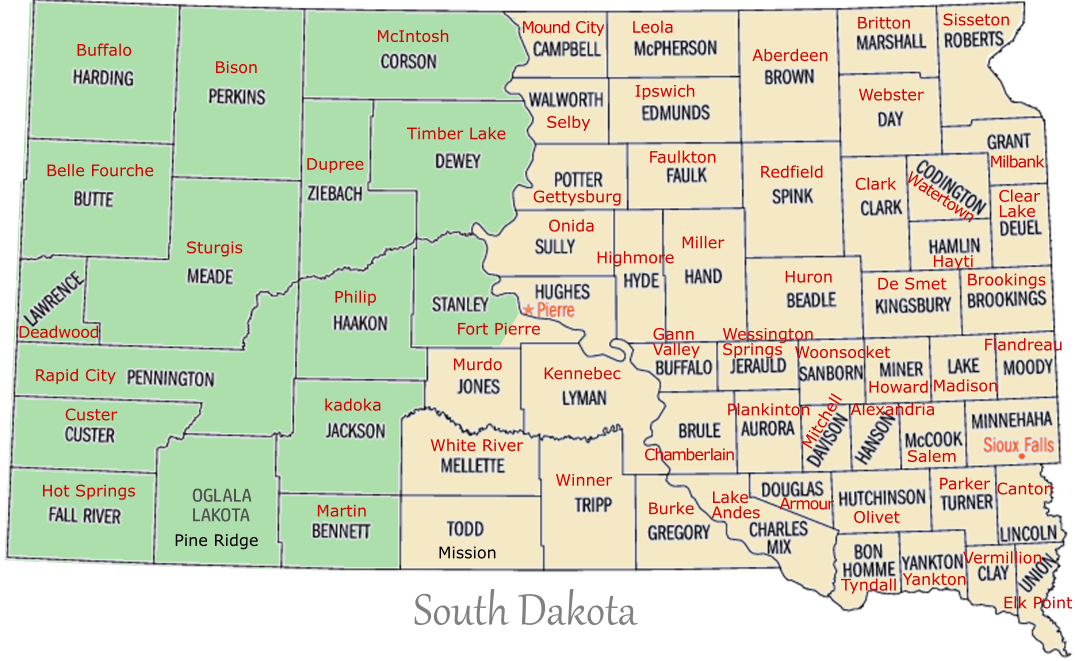
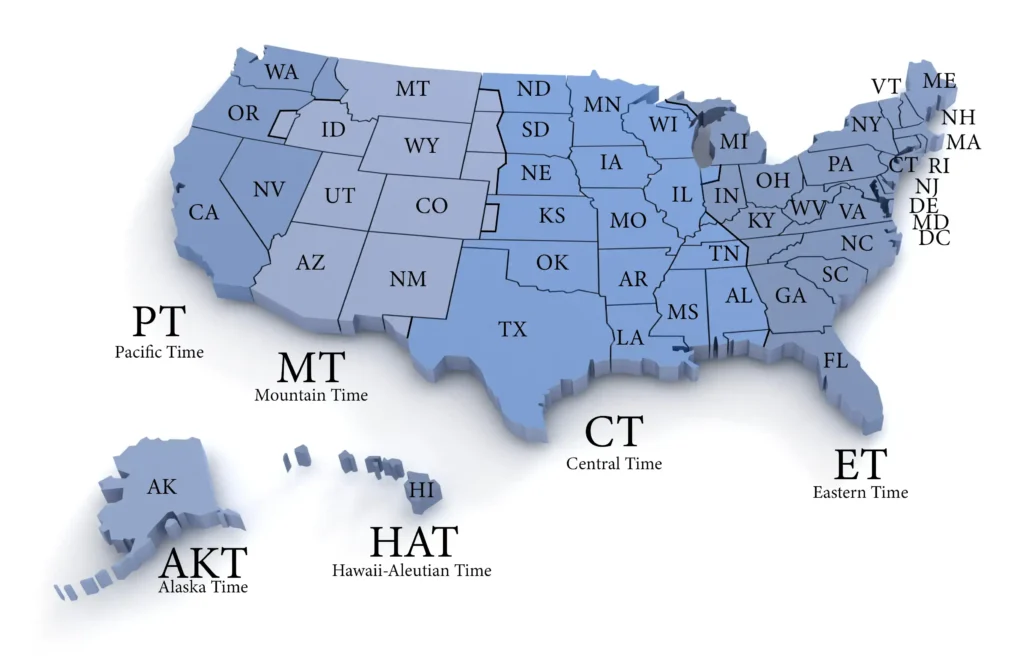
Unlike many states that adhere to a single time zone, South Dakota straddles two distinct zones: Central Time (CT) and Mountain Time (MT). This geographical split, a legacy of historical and logistical considerations, creates a dynamic environment for travelers. Knowing precisely where the time zone boundary lies is paramount to avoiding confusion and ensuring smooth transitions during your adventure.
Central Time vs. Mountain Time: Where the Line is Drawn
The eastern half of South Dakota observes Central Time (CT), which is UTC-6 during standard time and UTC-5 during Daylight Saving Time (DST). This includes major cities like Sioux Falls, the state’s largest city and economic hub, and Pierre, the state capital. These areas align with cities like Chicago and Dallas, putting them one hour ahead of their western counterparts within the state.
Conversely, the western half of South Dakota falls under Mountain Time (MT), which is UTC-7 during standard time and UTC-6 during Daylight Saving Time (DST). This region encompasses popular tourist destinations such as Rapid City, the majestic Black Hills, and most of the state’s national parks and monuments. When it’s 2 PM in Sioux Falls, it’s only 1 PM in Rapid City.
The approximate dividing line between these two time zones generally follows the path of the Missouri River. However, it’s crucial to note that county lines rather than natural features ultimately dictate the precise boundary. For instance, while most of the state west of the Missouri River observes MT, several counties directly bordering the river on its western side, such as Gregory, Lyman, and Stanley, surprisingly remain in CT. This idiosyncratic arrangement means travelers must be vigilant and verify the specific time zone for their exact destination, especially when moving between regions. Both time zones observe Daylight Saving Time (DST), meaning the one-hour difference between them remains constant throughout the year.
Practical Implications for Travelers
Understanding this dual-time zone system is more than just an interesting fact; it has tangible implications for your travel plans. Imagine booking a hotel in Rapid City (MT) and a restaurant reservation in Pierre (CT) on the same day. Without careful attention, you could easily find yourself an hour early or late for an important appointment.
For those arriving by air, especially at airports like Sioux Falls Regional Airport or Rapid City Regional Airport, flight arrival and departure times will be listed in the local time of the airport. If you’re flying into Sioux Falls and then driving west towards the Black Hills, you’ll “gain” an hour as you cross the time zone line. Conversely, driving east will mean “losing” an hour. Your mobile phone or GPS device will typically adjust automatically, but it’s always wise to have a backup watch or mentally prepare for the shift, particularly when coordinating with others.
This time difference is especially relevant for business travelers scheduling calls or meetings with colleagues across the state or back in their home office. A meeting set for 9 AM CT would be 8 AM MT, and a miscalculation could lead to missed opportunities or disruptions to critical schedules.
Time-Sensitive Travel Planning: Maximizing Your South Dakota Experience

Effective time zone management extends beyond simple logistics; it’s about enriching your entire journey. From ensuring seamless check-ins at your chosen accommodation to perfectly timing your visits to South Dakota’s world-renowned landmarks, every detail matters.
Accommodations and Bookings: Don’t Miss a Beat
The world of accommodation – be it luxurious suites, charming resorts, private apartments, or secluded villas – operates strictly by local time. When booking a stay at properties like the historic Hotel Alex Johnson in Rapid City, the family-friendly The Lodge at Deadwood, or the serene Cedar Shore Resort near the Missouri River, always confirm check-in and check-out times in the property’s local time zone. A misinterpretation could lead to an unexpected wait for your room or even an extra night’s charge if you miss the check-out deadline.
Beyond arrival and departure, the schedules for hotel amenities like swimming pools, fitness centers, and especially dining options are all dictated by local time. If you’ve made a reservation at a fine dining establishment within your resort or plan to indulge in a spa treatment, ensure your booking aligns with the correct time. For those opting for vacation rentals, coordinating key pick-up or entry codes with your host becomes even more crucial when dealing with a potential time shift, especially if they are in a different time zone than your origin. For long-term stays, immersing yourself in the local rhythm right away helps prevent scheduling conflicts and ensures you adapt quickly to your new temporary home.
Exploring Iconic Landmarks and Attractions
South Dakota is home to some of America’s most recognizable landmarks, and timing your visit can significantly enhance your experience.
- Mount Rushmore National Memorial: Located in the Mountain Time zone, this iconic monument is best viewed in the early morning for soft, indirect light that highlights the presidential faces, or in the late afternoon for dramatic shadows. The popular Evening Lighting Ceremony, a patriotic tribute, also has a specific start time that visitors must observe to avoid disappointment. Check their official schedule, which will always be in local MT.
- Badlands National Park: Also in the MT zone, the Badlands are spectacular at sunrise and sunset when the low-angle light paints the rugged formations in vibrant hues. Visiting during these cooler parts of the day also helps avoid the intense midday heat during summer months, making hiking and wildlife viewing more enjoyable.
- Custer State Park: This vast park, also in MT, is renowned for its abundant wildlife. The best times for spotting bison, deer, and bighorn sheep are typically dawn and dusk when animals are most active. Planning your scenic drives, like the Wildlife Loop Road, around these hours is highly recommended.
- Crazy Horse Memorial: Just a short drive from Mount Rushmore, this colossal mountain carving project also operates on Mountain Time. Its visitor center and museum have specific opening hours, and attending special events or the laser light show requires checking their schedule in advance.
- Historical Sites and Museums: From the Minuteman Missile National Historic Site on the western plains to the Dinosaur Park overlooking Rapid City, every museum, gallery, and historical site will have designated operating hours. Always confirm these in the local time zone of the attraction. A popular stop like Wall Drug Store in Wall, South Dakota (which is in MT) has specific hours for its various shops and dining areas, all local to Wall. Even exploring historic Deadwood or hiking the scenic trails of Spearfish Canyon benefits from a keen awareness of daylight hours, particularly for safety and maximizing photographic opportunities. Consider activities like biking the George S. Mickelson Trail, where knowing sunset times can be vital for planning your route.
Enhancing Your South Dakota Lifestyle: Beyond the Clock
Navigating South Dakota’s time zones isn’t merely a logistical exercise; it’s an integral part of embracing the local lifestyle, from culinary explorations to maintaining personal well-being. A thoughtful approach to time can transform a good trip into an unforgettable experience.
Culinary Adventures and Local Culture
Food is often at the heart of any travel experience, and dining times in South Dakota can vary based on location and local custom. In smaller, more rural towns, especially in the Central Time zone, dinner might be served earlier than you’re accustomed to, with kitchens closing relatively early. In larger cities like Sioux Falls or Rapid City, you’ll find more flexibility, with restaurants often staying open later to cater to diverse schedules. Making reservations in advance, especially for popular eateries or during peak season, is always a good idea, and confirming the local time of your reservation is non-negotiable.
Local culture in South Dakota often revolves around community events, rodeos, and festivals. These activities, whether it’s the annual Sturgis Motorcycle Rally or a local county fair, have precise start times that are crucial to observe. Showing up on time for a traditional cowboy cookout or a Native American cultural performance demonstrates respect and ensures you don’t miss out on the full experience. Embracing the pace of the Midwest, which can be more relaxed than bustling metropolitan areas, is part of the charm. However, for specific events, punctuality remains key.
Managing Jet Lag and Maintaining Wellness
For travelers arriving from distant time zones, particularly those on different continents, managing jet lag is a significant consideration. Even a one or two-hour shift when crossing within the state can subtly impact your energy levels. To minimize the effects of jet lag:
- Adjust Gradually: Try to shift your sleep schedule by an hour or two each day in the days leading up to your trip.
- Hydrate: Drink plenty of water before, during, and after your travel.
- Seek Sunlight: Upon arrival, expose yourself to natural light, especially in the morning, to help reset your internal clock.
- Stay Active: Gentle exercise can help combat fatigue. The serene environment around a resort like Sylvan Lake Lodge offers perfect opportunities for light walks and fresh air.
- Avoid Over-scheduling: Give yourself time to adjust before diving into a packed itinerary. This is particularly important for family trips, where children often take longer to adapt to new schedules, affecting meal times and nap routines.
For business travelers, maintaining communication with colleagues or clients in different time zones requires meticulous planning. Tools like world clock apps are invaluable for ensuring you schedule virtual meetings or calls at a convenient time for all parties, preventing misunderstandings and fostering productive collaboration. For any lifestyle, whether it’s luxury travel where every experience is curated, or budget travel maximizing every daylight hour, a mindful approach to time enhances efficiency and enjoyment.
In conclusion, the question “What time is it in South Dakota right now?” is far more than a casual inquiry. It’s a gateway to understanding the state’s unique geographical and cultural rhythms. By acknowledging and planning for South Dakota’s dual time zones, travelers can seamlessly navigate bookings, optimize their visits to breathtaking landmarks, immerse themselves in local culture, and ensure a truly unforgettable journey. So, before you embark on your adventure to the land of infinite variety, take a moment to set your watch – or rather, ensure your devices are correctly calibrated – and prepare to embrace every moment South Dakota has to offer, exactly on time.
LifeOutOfTheBox is a participant in the Amazon Services LLC Associates Program, an affiliate advertising program designed to provide a means for sites to earn advertising fees by advertising and linking to Amazon.com. Amazon, the Amazon logo, AmazonSupply, and the AmazonSupply logo are trademarks of Amazon.com, Inc. or its affiliates. As an Amazon Associate we earn affiliate commissions from qualifying purchases.