
The vast and diverse landscape of Texas holds an undeniable allure, drawing people from across the globe for its rich history, vibrant culture, and burgeoning economic opportunities. For those considering a stake in this iconic state, whether for a dream home, an investment, or a sprawling ranch, understanding land value is paramount. The question, “How much is 1 acre of land worth in Texas?” is not one with a simple, singular answer. It’s a complex equation influenced by a multitude of factors, much like planning a memorable trip or choosing the perfect accommodation.

Texas, a state synonymous with independence and opportunity, offers a spectrum of land values that can vary dramatically. From the bustling urban centers to the tranquil rural expanses, each region presents its own unique real estate narrative. This article will delve into the primary drivers that shape the worth of an acre of land in the Lone Star State, offering insights for prospective landowners, investors, and anyone curious about the economic pulse of this colossal territory. Whether you’re dreaming of a luxury villa near Austin, a secluded retreat in the Texas Hill Country, or a commercial development site in Houston, understanding land valuation is your first crucial step.
Factors Influencing Land Value in Texas
The price of land in Texas is a dynamic entity, shaped by a confluence of economic, geographic, and developmental forces. Just as the amenities of a resort can elevate its appeal, or the accessibility of a destination influences tourist numbers, specific characteristics of a parcel of land significantly impact its market value. Understanding these elements is key to comprehending why one acre might command a premium over another.
Location, Location, Location: The Ultimate Driver
The adage “location, location, location” is perhaps most potent when discussing real estate, and Texas is no exception. The proximity of land to major economic hubs, desirable amenities, and established infrastructure plays a pivotal role in its valuation.
-
Proximity to Major Cities: Land situated within or near major metropolitan areas like Houston, Dallas, San Antonio, and Austin generally commands higher prices. These cities are magnets for business, employment, and cultural attractions, creating robust demand for housing, commercial spaces, and services. As urban sprawl continues, the value of land on the outskirts of these metropolises often sees a significant increase due to its potential for future development. For instance, a tract of land just outside Austin, known for its vibrant music scene and tech industry, will likely be priced higher than a similar-sized parcel in a more remote part of West Texas. This mirrors how a hotel near a popular tourist attraction will be more sought after than one in an isolated area.
-
Access to Infrastructure: The presence of reliable infrastructure—well-maintained roads, utilities (electricity, water, sewer), and telecommunications—greatly enhances land value. Land that is easily accessible and connected to essential services is more attractive for development and habitation. A parcel with existing utility hookups is inherently more valuable than one that requires extensive and costly infrastructure development. This is akin to choosing an accommodation with readily available amenities versus one that requires significant planning to access basic services.
-
Scenic Beauty and Natural Resources: Certain areas of Texas are prized for their natural beauty and resources. Land with rolling hills, waterfront access on lakes like Lake Travis or the Gulf Coast, mature timber, or mineral rights can fetch premium prices. The Texas Hill Country, with its picturesque landscapes and wineries, is a prime example of an area where scenic value significantly boosts land prices. Similarly, areas rich in oil or gas reserves can see land values skyrocket due to potential mineral royalties.
Land Characteristics: The Intrinsic Value
Beyond location, the physical attributes of the land itself play a crucial role in determining its worth. These intrinsic characteristics dictate the land’s suitability for various purposes, from agriculture to residential development.
-
Topography and Soil Quality: The lay of the land—whether it’s flat, gently rolling, or steep—affects its usability and construction costs. Flat, arable land is ideal for agriculture and easier to build on, often leading to higher values for these purposes. Conversely, very steep terrain might be less desirable for development unless it offers unique scenic views. Soil quality is also a significant factor, particularly for agricultural use. Fertile soil can support robust crop yields, making land more valuable for farming.
-
Water Availability: Access to water is a critical asset in any region, and especially so in many parts of Texas which can experience drought. Land with a reliable water source, such as a well, access to a municipal water supply, or frontage on a creek or river, is significantly more valuable. For agricultural use, water rights can be as valuable as the land itself. For residential or recreational purposes, water access enhances lifestyle appeal.
-
Zoning and Permitted Use: The local zoning regulations dictate how a piece of land can be used. Land zoned for commercial development in a high-traffic area will be worth considerably more than land zoned solely for agricultural use in a remote location. Similarly, residential zoning near urban centers will fetch higher prices than agricultural land. Understanding the zoning is crucial for any potential buyer, as it defines the scope of what can be built or achieved on the property. This is similar to how understanding the room types and amenities at a hotel (e.g., a family suite vs. a standard room) helps determine its suitability and price.
Market Conditions and Economic Trends
Like any market, the real estate market is subject to broader economic forces that can significantly influence land values.
-
Supply and Demand: The fundamental economic principle of supply and demand is a primary determinant of land prices. In Texas, areas experiencing rapid population growth and economic expansion often see high demand for land, driving up prices. Conversely, areas with stagnant economies or declining populations may see land values remain stable or even decrease. The booming tech sector in cities like Austin has created immense demand for housing and commercial space, directly impacting land values.
-
Economic Growth and Job Creation: A strong local economy, characterized by job growth and investment, fuels demand for housing and commercial properties, consequently increasing land values. Regions with diverse economic bases are often more stable and attractive to investors. The expansion of industries beyond oil and gas, such as technology and healthcare, has diversified Texas’ economy and bolstered land values in numerous areas.
-
Interest Rates and Financing: The availability and cost of financing can significantly impact the real estate market. Lower interest rates make it more affordable for buyers to finance land purchases or development projects, increasing demand and potentially driving up prices. Conversely, higher interest rates can dampen demand and put downward pressure on land values.
Regional Variations in Land Value Across Texas
The sheer size and diverse geography of Texas mean that land values can vary dramatically from one region to another. What one might pay for an acre in the bustling heart of a major city is vastly different from the cost of an acre in the vast, open plains of West Texas. These regional differences are shaped by the interplay of the factors discussed above, creating distinct real estate landscapes.
Urban and Suburban Valuations
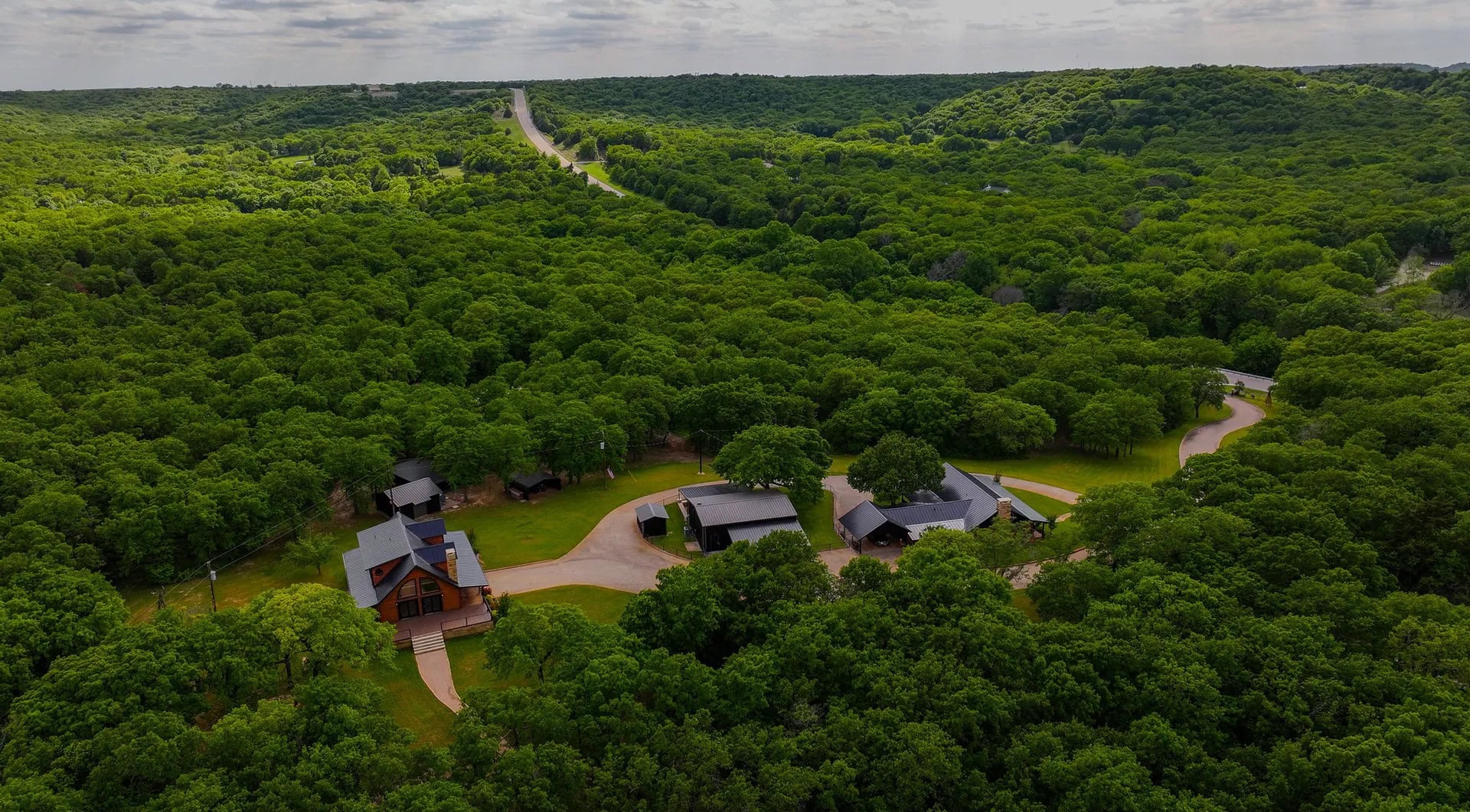
Land in and around Texas’ major metropolitan areas, such as Houston, Dallas, San Antonio, and Austin, is typically the most expensive. This is driven by intense demand for housing, commercial development, and proximity to employment centers and amenities.
-
The “Golden Triangle” (Houston, Dallas, Austin): These three cities, along with surrounding suburbs, represent the economic engine of Texas. Land values here are significantly influenced by job growth, infrastructure development, and the desirability of the lifestyle offered. In desirable suburbs with excellent school districts, residential land can command prices well into the tens or even hundreds of thousands of dollars per acre, especially for smaller parcels suitable for single-family homes. Commercial land in prime locations can be even more costly. For example, an acre of land zoned for development within a few miles of the Galleria Dallas might be priced at several million dollars.
-
Suburban Expansion: As these cities continue to grow, development is pushing outwards into formerly rural areas. Land on the fringes of these metropolises, even if currently undeveloped, is valued for its future potential. Developers often purchase large tracts and subdivide them, meaning the price per acre can decrease as the size of the parcel increases, but the overall value is still tied to its proximity to urban centers.
Rural and Agricultural Land Values
Away from the major urban centers, land values tend to decrease significantly, with rural and agricultural land often priced per acre based on its productivity and utility for farming, ranching, or recreational purposes.
-
Panhandle and West Texas: Vast stretches of land in the Texas Panhandle and West Texas are characterized by expansive ranches and agricultural operations. Here, land values are often influenced by the carrying capacity for livestock, water availability (which can be scarce), and proximity to smaller towns. Prices per acre can range from a few hundred dollars to a few thousand dollars, depending heavily on these factors. While not as densely populated as the major metros, these areas hold value for their agricultural output and natural resources.
-
East Texas and Piney Woods: The eastern part of the state, known for its forests and timber production, presents different valuation metrics. Land here is often priced based on its timber value and suitability for hunting or recreational properties. Water availability is generally better than in West Texas, which can also influence prices.
-
South Texas and the Gulf Coast: The southern regions, including areas along the Gulf Coast and near the border, can have varied land values. Coastal properties, especially those with potential for tourism or waterfront access, can be highly valuable. Inland agricultural land is influenced by crop suitability and irrigation availability. The presence of oil and gas reserves in certain South Texas counties can also dramatically increase land values.
Recreational and Lifestyle Properties
Texas offers a wealth of natural beauty, making land valued for recreational purposes a significant segment of the market.
-
Hill Country and Lakes: The Texas Hill Country is a prime example of an area where scenic beauty and recreational opportunities drive land values. Properties with access to rivers, springs, or desirable views are highly sought after for weekend getaways, vacation homes, and ranchettes. Similarly, land surrounding popular lakes like Lake Conroe or Lake Livingston is valued for its proximity to water-based activities.
-
Hunting and Ranching: Large tracts of undeveloped land across Texas are purchased for hunting leases or private ranches. The value here is tied to the wildlife population, habitat quality, and the ability to manage these resources. This type of land might not command the same per-acre price as prime urban development land, but large parcels can represent significant investments.
Estimating the Worth of 1 Acre in Texas: A General Guide
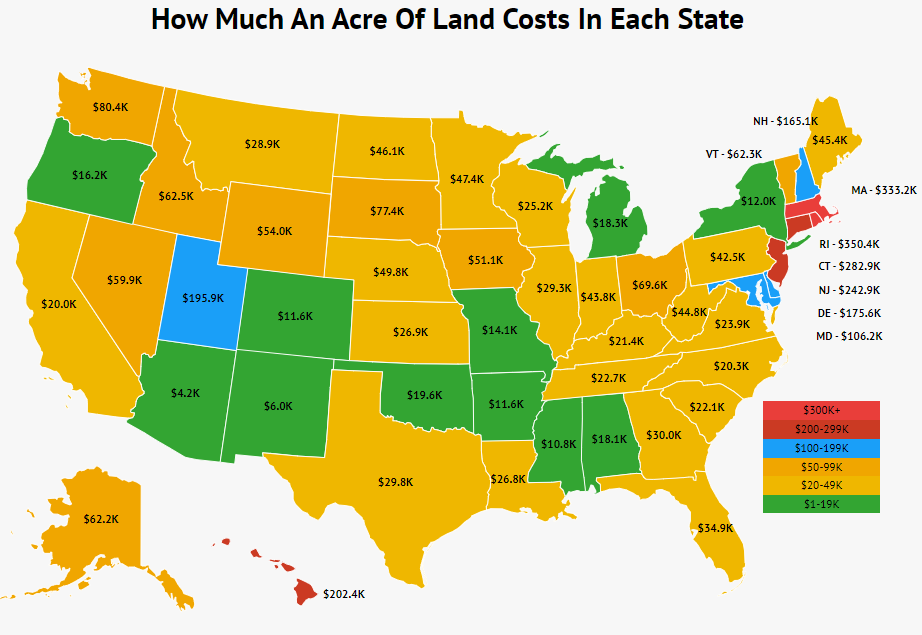
Given the vast range of influencing factors and regional variations, providing an exact dollar figure for an acre of land in Texas is challenging without specific details. However, we can offer general ranges to help set expectations. It is crucial to remember that these are broad estimates and actual prices can fall outside these ranges based on unique property characteristics and market fluctuations. Consulting with local real estate professionals and appraisers is always recommended for precise valuations.
Price Ranges Based on Land Type and Location
-
Urban/Suburban Development Land: In desirable areas of major metropolitan centers and their immediate suburbs, an acre of land zoned for commercial or high-density residential use can easily range from $100,000 to over $5,000,000 or more. Smaller infill lots within cities might command even higher prices on a per-acre basis, though the total acreage is significantly less. For example, an acre of land suitable for a new hotel or apartment complex in a bustling part of Dallas or Houston would be priced at the upper end of this spectrum.
-
Suburban Residential Land (Smaller Parcels): For individual home lots or small subdivisions on the edge of cities, prices can range from $20,000 to $150,000 per acre, heavily dependent on the specific location, lot size, and amenities.
-
Rural Acreage and Ranches: In more remote rural areas, prices for land suitable for ranching, farming, or recreational purposes can vary significantly.
- West Texas / Panhandle: Expect prices to range from $300 to $2,000 per acre. Water availability, grazing capacity, and mineral rights are key determinants.
- East Texas (Timber/Hunting): Prices might range from $1,000 to $5,000 per acre, influenced by timber value and hunting potential.
- Central Texas / Hill Country: Due to its desirability for lifestyle and tourism, land in this region can be more expensive, ranging from $5,000 to $25,000 per acre or more, especially for parcels with scenic views or water features.
-
Waterfront Property: Land with direct access to lakes, rivers, or the Gulf Coast can command a premium, often adding 20-50% or more to the base land value, depending on the desirability of the waterfront.
The Importance of Due Diligence
When considering the purchase of land in Texas, thorough due diligence is essential. This includes:
- Obtaining a Professional Appraisal: An independent appraisal will provide an unbiased estimate of the land’s market value.
- Investigating Zoning and Land Use Restrictions: Understanding what can and cannot be done with the property is critical for future plans, whether for building a dream home, a vacation rental like those found on VRBO (though not linking here per rules), or a commercial venture.
- Checking for Easements and Encumbrances: Liens, easements, or other legal claims can affect the land’s value and usability.
- Assessing Water Rights and Utilities: Confirming access to water and the availability of utilities can save significant costs and complications.
- Consulting Local Real Estate Experts: Local agents and brokers have invaluable insights into specific market conditions, recent sales, and future development trends in their areas.
Ultimately, the worth of an acre of land in Texas is a mosaic of its location, intrinsic qualities, and the prevailing economic winds. By understanding these elements, prospective landowners can approach their investment decisions with greater clarity and confidence, much like a traveler preparing for an adventure or a guest selecting the ideal hotel for their stay. The Lone Star State’s vast expanse offers opportunities for a wide range of aspirations, from building a legacy ranch to investing in the next boomtown.
LifeOutOfTheBox is a participant in the Amazon Services LLC Associates Program, an affiliate advertising program designed to provide a means for sites to earn advertising fees by advertising and linking to Amazon.com. Amazon, the Amazon logo, AmazonSupply, and the AmazonSupply logo are trademarks of Amazon.com, Inc. or its affiliates. As an Amazon Associate we earn affiliate commissions from qualifying purchases.