
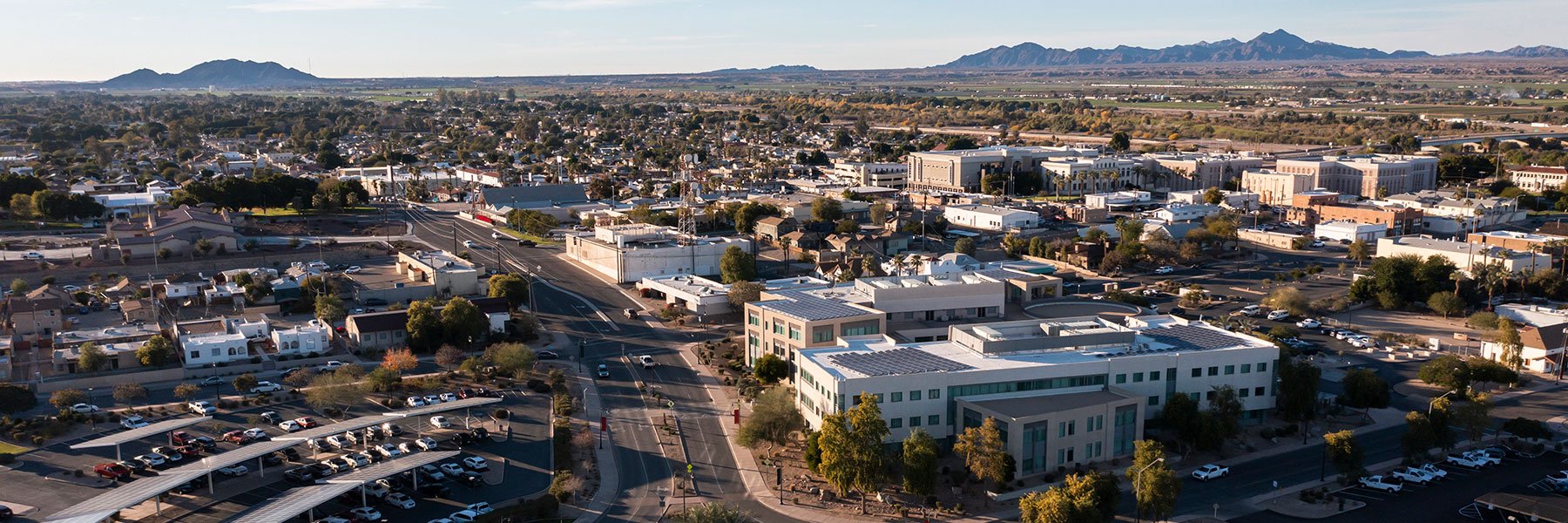
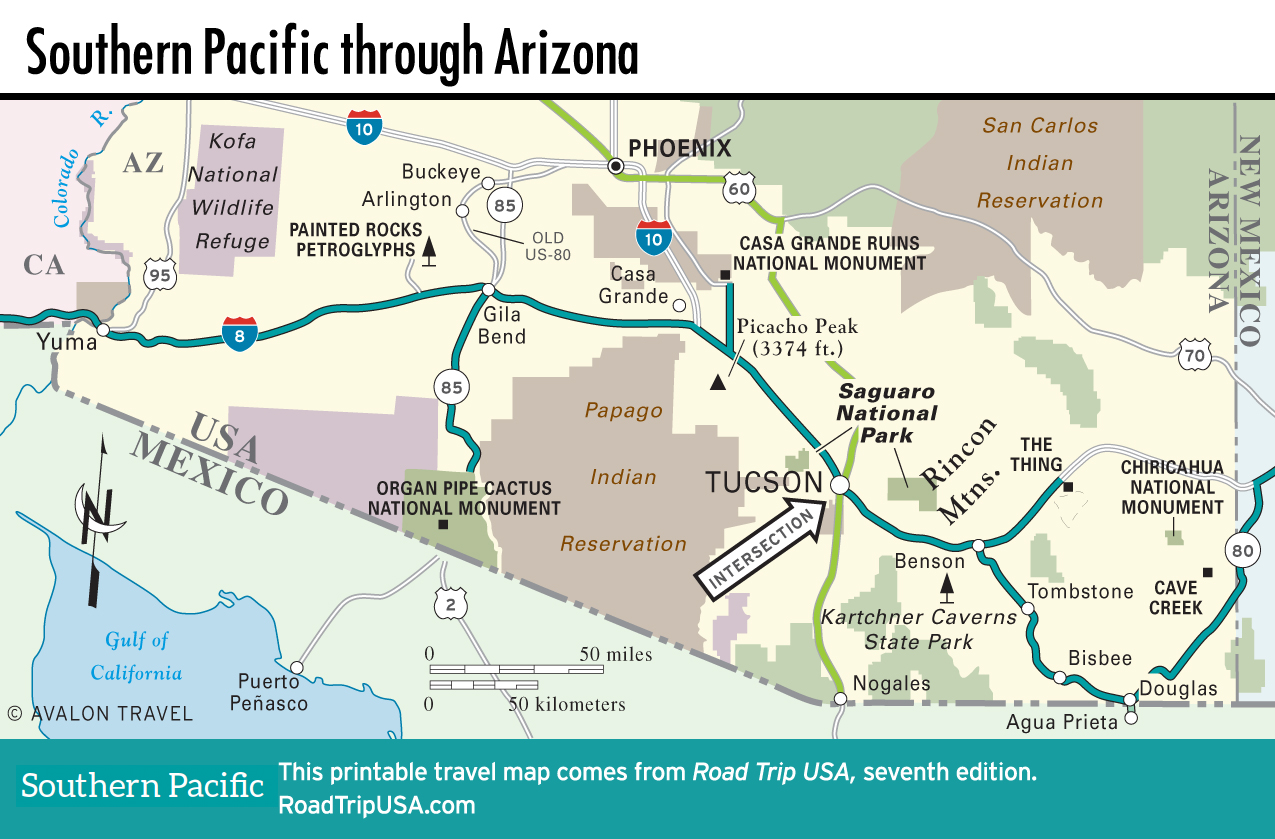
Understanding the current time in Yuma, Arizona is more than just a casual inquiry; for travelers planning their desert adventure, it’s a critical piece of information that impacts everything from arrival times and tour bookings to experiencing the vibrant local culture. Yuma, nestled in the southwestern corner of Arizona, observes Mountain Standard Time (MST) year-round. Unlike many other states that participate in Daylight Saving Time, Arizona has opted out, meaning Yuma remains on MST (UTC-7) throughout the year. This consistency simplifies planning, ensuring that your watch accurately reflects the local tempo, whether you’re planning to explore the Historic Yuma Territorial Prison State Historic Park at sunrise or catch a sunset over the Colorado River.
The decision by Arizona to forgo Daylight Saving Time is rooted in a desire to maintain a stable time zone throughout the year and, notably, to potentially reduce energy consumption during the intense summer heat. For visitors arriving from time zones that do observe DST, this can lead to a larger or smaller time difference depending on the time of year, so always double-check your calculations. For instance, during the period when Eastern Daylight Time (EDT) is active in much of the eastern United States, Yuma will be three hours behind EDT. Conversely, when most of the US is on Eastern Standard Time (EST), Yuma will be two hours behind EST. This consistent, predictable timekeeping is a small but significant aspect of the Yuma travel experience, allowing for more streamlined itinerary building and a greater sense of ease when navigating your visit.
Navigating Time Zones for Seamless Travel to Yuma
The temporal landscape of Yuma, Arizona is defined by its adherence to Mountain Standard Time (MST) year-round. This singular time zone, UTC-7, offers a straightforward approach to temporal planning for any visitor. Unlike regions that shift clocks twice a year, Yuma maintains a steady pace, simplifying the process of coordinating travel, activities, and dining.
The Implications of Arizona’s DST Opt-Out
Arizona’s unique position regarding Daylight Saving Time (DST) is a key factor for travelers. While most of the United States springs forward and falls back, Arizona remains on a constant clock. This means that the time difference between Yuma and other major cities will vary depending on whether those cities are observing DST.
- During U.S. Daylight Saving Time: When many other states are on their DST schedules (e.g., Pacific Daylight Time or Central Daylight Time), Yuma will be further ahead in terms of standard time. For example, if you’re traveling from California during DST, Yuma will be three hours ahead of Pacific Daylight Time (PDT).
- Outside U.S. Daylight Saving Time: When other states revert to Standard Time (e.g., Pacific Standard Time or Central Standard Time), the time difference between Yuma and these locations becomes smaller. During this period, Yuma will be two hours ahead of Pacific Standard Time (PST).
This consistent MST observance simplifies scheduling for activities such as early morning hot air balloon rides over the desert or late-afternoon visits to the Yuma Art Center. Travelers are advised to always confirm the current time in their departure location and cross-reference it with Yuma’s MST.
Planning Your Itinerary Around Yuma Time
The stability of Yuma’s time zone allows for meticulous planning of your travel itinerary. Whether you’re aiming to experience the natural beauty of the Sonoran Desert or delve into the city’s historical significance, knowing the precise time in Yuma ensures that you make the most of every moment.
- Early Bird Activities: Many outdoor excursions, such as guided hiking tours or photography expeditions, begin shortly after sunrise. Knowing the exact time allows you to be ready without oversleeping or rushing. The cooler morning hours are ideal for exploring attractions like the Palm Tree Garden Golf Course or the Colorado River State Historic Park.
- Dining Reservations: Yuma boasts a diverse culinary scene, from authentic Mexican eateries to classic American diners. Booking dinner reservations is straightforward when you are certain of the local time, avoiding any awkward misunderstandings or missed tables. Consider booking a table at a restaurant overlooking the Colorado River for a memorable evening meal.
- Connecting with Home: For those who need to stay in touch with family, friends, or business associates in different time zones, Yuma’s fixed time zone makes scheduling calls and video conferences much easier. A quick mental calculation or a glance at a world clock app will suffice.
- Cultural Experiences: Local events, museum hours, and performances all operate on Yuma time. Confirming the current hour ensures you don’t miss out on performances at the Historic Yuma Theatre or guided tours of the Quartermaster Depot Historic Park.
By understanding and accounting for Yuma’s unique time zone, travelers can build a more robust and enjoyable experience, fully immersing themselves in the charms of this Arizona gem without the temporal confusion.
The Rhythms of Yuma: Embracing Local Time
The predictable nature of time in Yuma, Arizona offers a subtle yet significant advantage for visitors. By operating exclusively on Mountain Standard Time (MST), Yuma provides a consistent temporal framework, allowing for a more relaxed and immersive travel experience. This consistency is not just about the clock; it’s about aligning with the local rhythm of life, from the early morning bustle of farmers markets to the serene evenings under the desert sky.
Sunrise to Sunset: Experiencing Yuma’s Daily Flow
The extended daylight hours, particularly during the spring and fall months, are a hallmark of the Yuma experience. Knowing the exact time in Yuma allows you to fully capitalize on these periods for exploration and relaxation.
- Mornings: The cool desert mornings are perfect for outdoor activities. Whether it’s a brisk walk along the Colorado River pathways or an early visit to the Yuma Conservation Recreation and Education Center, starting your day in sync with Yuma time ensures you experience the city at its most refreshing. Many local cafes open early, offering a chance to savor a quiet breakfast before the day’s heat sets in.
- Afternoons: As the sun climbs higher, the focus shifts to indoor attractions or activities that embrace the warmth. Exploring the exhibits at the McPhaul Village Museum or enjoying a leisurely lunch at a shaded patio restaurant becomes more appealing. For those seeking adventure, the slightly cooler afternoons might be ideal for exploring the sand dunes or visiting attractions like the Yuma Proving Ground Heritage Center.
- Evenings: Yuma truly comes alive in the cooler evening hours. The sunsets over the desert are legendary, painting the sky with vibrant hues. Planning to be at a scenic overlook, such as those near the Gila River, or enjoying dinner at a restaurant with outdoor seating allows you to fully appreciate these twilight moments. The consistent time also means that evening entertainment, from local music venues to community events, starts at predictable hours.

The Advantage of Predictability for Travelers
The absence of Daylight Saving Time in Yuma eliminates a common source of confusion for travelers, particularly those journeying from regions that do observe DST. This predictability translates into several practical benefits:
- Simplified Logistics: Flight arrivals and departures, car rental pickups, and hotel check-ins all become more straightforward. There’s no need to mentally adjust for an hour’s difference due to DST changes, reducing the risk of errors.
- Enhanced Leisure Planning: When booking tours or activities, especially those with fixed start times like guided fishing trips on the Colorado River, the consistent time zone ensures accurate scheduling. You can confidently plan your days without the added layer of temporal uncertainty.
- Better Integration with Local Life: By adhering to Yuma’s natural time, travelers can more easily sync with the local pace of life. This allows for a more authentic experience, whether it’s participating in a community festival or simply enjoying a leisurely afternoon at a local park.
- Reduced Jet Lag (Potentially): While not directly related to DST, the fact that Yuma does not change its clocks can, in some instances, make the transition from a DST-observing time zone feel less jarring over a period of days. The constant time reference can be grounding.
In essence, Yuma’s commitment to MST throughout the year is a subtle yet significant aspect of its travel appeal. It offers a sense of order and ease, allowing visitors to focus on the rich experiences and natural beauty that this Arizona destination has to offer. Whether you’re visiting for the historic sites, outdoor adventures, or simply to bask in the desert sun, knowing the time in Yuma is your first step to unlocking its full potential.
LifeOutOfTheBox is a participant in the Amazon Services LLC Associates Program, an affiliate advertising program designed to provide a means for sites to earn advertising fees by advertising and linking to Amazon.com. Amazon, the Amazon logo, AmazonSupply, and the AmazonSupply logo are trademarks of Amazon.com, Inc. or its affiliates. As an Amazon Associate we earn affiliate commissions from qualifying purchases.