
For anyone planning a trip to the Golden State or simply seeking to connect with its vibrant energy, a fundamental question often arises: “What time is it in California?” Understanding California’s time zone is more than just a matter of curiosity; it’s a crucial piece of information for seamless travel planning, effective communication, and maximizing every moment of your journey. From coordinating flight arrivals and hotel check-ins to scheduling calls with loved ones back home and timing your visits to iconic attractions, being aware of the local time is paramount. This guide delves into the specifics of California’s time zone, its implications for travelers, and practical strategies to navigate any time differences, ensuring your experience in this diverse and dynamic destination is nothing short of exceptional.
Understanding California’s Time Zone: Pacific Standard Time
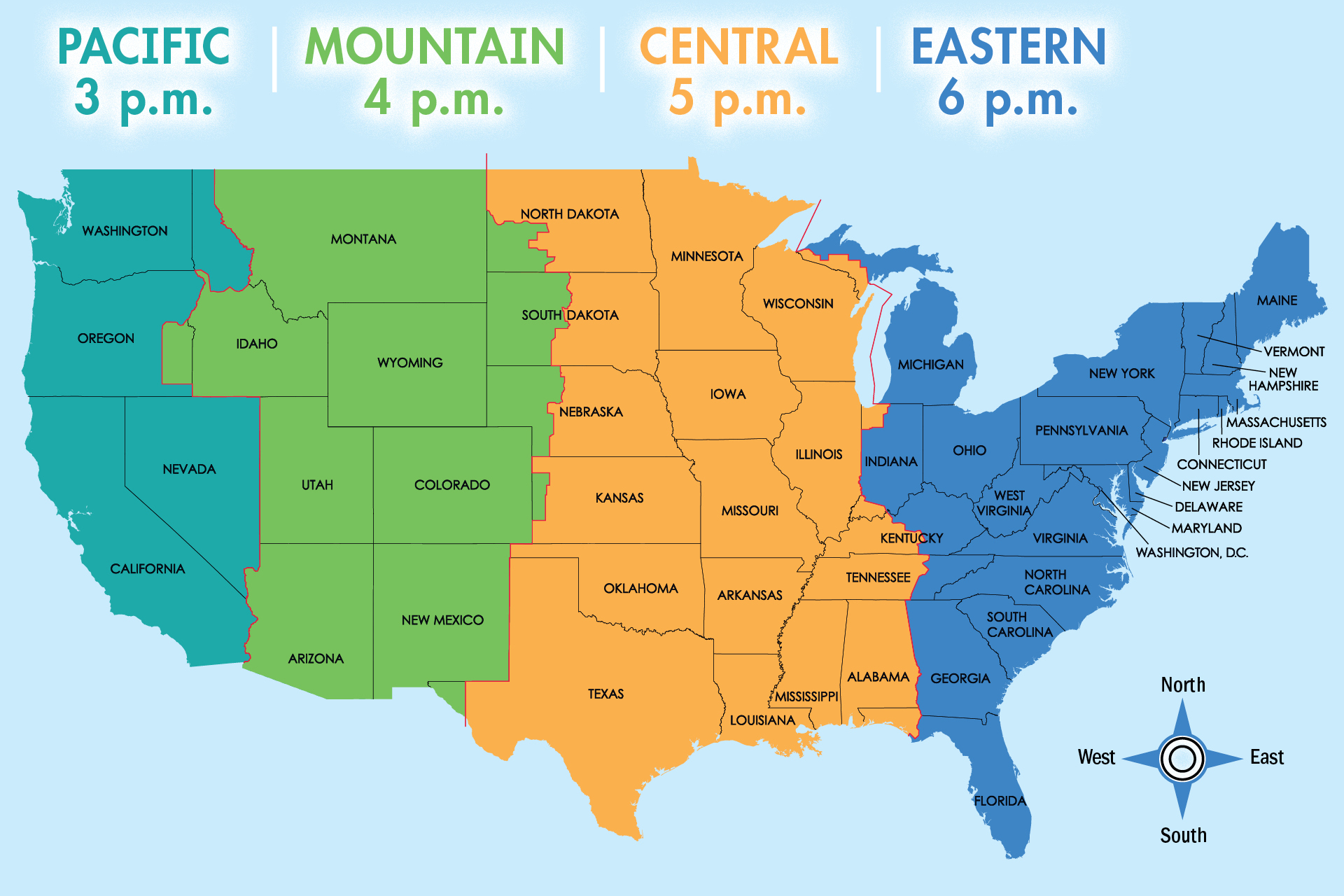
California operates uniformly under one primary time zone, simplifying logistics for both residents and visitors alike. This consistency across its vast landscape is a boon for travelers exploring everything from its bustling metropolises to its serene natural wonders.
The Basics of Pacific Time (PT)
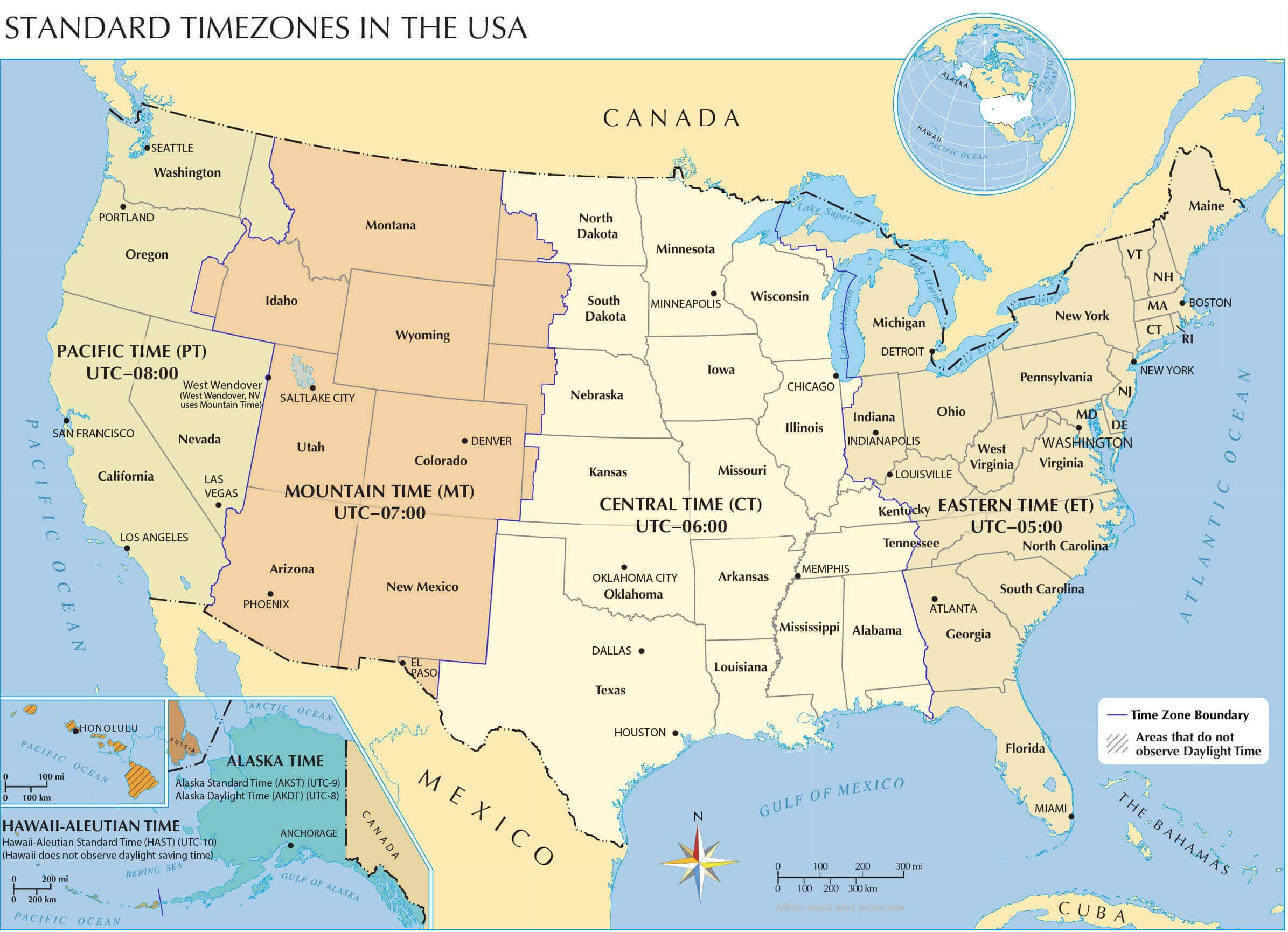
Throughout the majority of the year, California adheres to Pacific Standard Time (PST). Pacific Standard Time is represented as UTC-8, meaning it is eight hours behind Coordinated Universal Time. This places California three hours behind Eastern Standard Time (EST) in the United States, two hours behind Central Standard Time (CST), and one hour behind Mountain Standard Time (MST). For international travelers, understanding this UTC offset is particularly vital when calculating time differences with their home countries, which could range from a few hours to a full half-day or more. This consistent offset simplifies the process of determining the time difference, whether you’re arriving from London, Tokyo, or New York.
Daylight Saving Time in the Golden State
Like many regions across the globe, California observes Daylight Saving Time (DST). Typically, on the second Sunday in March, clocks “spring forward” by one hour, shifting the state from Pacific Standard Time to Pacific Daylight Time (PDT). During PDT, California is seven hours behind Coordinated Universal Time (UTC-7). This change provides an extra hour of daylight in the evenings, which is particularly cherished during the popular spring and summer travel seasons, allowing for extended outdoor activities and sightseeing. The shift back to Pacific Standard Time occurs on the first Sunday in November, when clocks “fall back” one hour. Travelers must be mindful of these transitions, especially if their journey coincides with these specific weekends, as it can impact flight schedules, meeting times, and the operating hours of various attractions. Always double-check local times if traveling during these transitional periods.
Geographical Consistency Across California
One of the most convenient aspects for travelers to California is that the entire state, from its northern borders with Oregon to its southern expanse near Mexico, and from the Pacific coast inland to the Sierra Nevada mountains and the edge of Death Valley, adheres to a single time zone. This means whether you’re exploring the bustling streets of Los Angeles, marveling at the Golden Gate Bridge in San Francisco, enjoying the coastal charm of San Diego, or delving into the state’s political history in Sacramento, the time remains consistent. This eliminates the confusion often found in states that span multiple time zones, allowing travelers to move freely across the state without needing to constantly adjust their watches or schedules. It significantly simplifies planning multi-city itineraries and coordinating group activities, providing a seamless travel experience across the diverse regions of California.
Navigating Time Differences: Implications for Travelers
Understanding California’s time zone is just the first step; the real challenge and opportunity lie in how travelers navigate the time differences, especially when arriving from distant locations. The impact can range from personal well-being to the smooth execution of a meticulously planned itinerary.
Battling Jet Lag: Strategies for Smooth Transitions
Jet lag is a common adversary for long-haul travelers, and crossing multiple time zones to reach California can certainly induce it. Symptoms like fatigue, insomnia, irritability, and digestive issues can significantly detract from the initial days of your trip. To mitigate these effects, proactive strategies are key. Begin adjusting your sleep schedule a few days before departure, gradually shifting it closer to California time. Hydrate consistently during your flight and avoid excessive caffeine and alcohol, which can exacerbate dehydration and disrupt sleep patterns. Upon arrival, expose yourself to natural light as much as possible, especially in the morning, to help reset your circadian rhythm. Try to align with the local meal times immediately, as eating at appropriate times can signal to your body that it’s time to adjust. While it might be tempting to nap extensively, brief power naps (20-30 minutes) are preferable to long sleeps that can further confuse your body clock. By embracing these techniques, you can minimize jet lag and more quickly immerse yourself in the California experience.
Seamless Itinerary Planning: From Arrivals to Attractions
Effective itinerary planning hinges on an accurate understanding of local time. From the moment your flight touches down, every scheduled activity, whether it’s a car rental pickup, hotel check-in, or a dinner reservation, is governed by Pacific Time. Miscalculating the time difference can lead to missed connections, forfeited bookings, or simply unnecessary stress. When booking tours, restaurant reservations, or tickets for attractions like Disneyland Park or Universal Studios Hollywood, always confirm the operating hours in local time. Factor in potential delays, especially during peak travel seasons or around major holidays, and allocate ample travel time between destinations. For business travelers, ensuring you’re punctual for meetings and conferences requires meticulous time management, often involving communication across different time zones prior to arrival. A well-planned schedule, with buffers for unexpected changes, ensures a smooth transition and maximizes your precious vacation or business time.
Staying Connected: Bridging the Time Gap
Connecting with family, friends, or colleagues in different time zones requires careful consideration. Whether it’s a quick video call with loved ones or a critical business conference call, understanding the time difference is paramount to avoid inconveniently timed interruptions. Before making calls, use a world clock app or online tool to confirm the current time in both your location and theirs. For those traveling for extended periods, establishing a regular communication schedule that works for everyone involved can be beneficial. Consider the prime hours for communication in each time zone – early morning in California might align with late afternoon or evening in Europe, while late California evening could be morning in Asia. Proactive communication about your schedule and availability can prevent misunderstandings and ensure that you maintain important connections without disrupting your travel plans or their daily routines.
Maximizing Your California Experience with Time in Mind
Beyond mere logistics, understanding California’s time zone can unlock deeper levels of engagement with your chosen destinations. Timing your activities strategically allows you to experience the state’s unique offerings in their best light, whether it’s avoiding crowds or capturing breathtaking natural beauty.
Early Birds and Night Owls: Optimizing Daily Activities
California caters to all types of travelers, from early risers eager to catch the first light to night owls seeking vibrant nightlife. By leveraging your knowledge of the local time, you can optimize your daily activities. Early mornings are often the best time to visit popular attractions like the Santa Monica Pier or Fisherman’s Wharf, offering smaller crowds and cooler temperatures. Hiking trails in Yosemite National Park or along the Big Sur coast are also more pleasant during the quieter morning hours. For those who thrive in the evening, Los Angeles’ Hollywood district comes alive after dark with its array of bars, clubs, and live music venues. San Francisco’s vibrant restaurant scene and theater productions often extend late into the night. Adjusting your internal clock to fully embrace California’s rhythm allows you to experience the destination authentically, whether you’re seeking solitude or a bustling social scene.
Sunrise, Sunset, and Scenic Views: Timing Your Photography
California’s diverse landscapes offer unparalleled opportunities for photography, but capturing those iconic shots often comes down to precise timing. Knowing the local sunrise and sunset times is crucial for photographers seeking the coveted “golden hour” light. Imagine photographing the Golden Gate Bridge as the sun dips below the Pacific horizon, or capturing the first rays of light illuminating the granite peaks of Yosemite. Utilize weather apps or dedicated photography tools that provide precise sunrise and sunset data for your specific location within California. Beyond the “golden hour,” understanding the sun’s position throughout the day can help you plan visits to landmarks to avoid harsh shadows or optimize for specific lighting conditions. From coastal vistas to desert landscapes, timing your visits to align with the optimal natural light can elevate your travel memories and photographic keepsakes from stunning to spectacular.
Culinary Adventures and Entertainment: When to Book
California’s culinary scene is world-renowned, offering everything from Michelin-starred restaurants to casual food trucks. Similarly, its entertainment options are vast, encompassing concerts, theater, sports events, and theme parks. Booking your culinary adventures and entertainment experiences with the local time in mind is essential. Popular restaurants, especially in cities like San Francisco, Los Angeles, and San Diego, often require reservations made weeks, if not months, in advance. Confirming your reservation time against your internal clock is crucial to avoid missing out. For entertainment events, shows, or sports games, check the start times and plan your travel to the venue accordingly, allowing for traffic and parking. Theme parks like Disneyland Park often have different opening and closing times depending on the season, and special events might have unique schedules. Being mindful of these timings ensures you don’t miss a beat of California’s vibrant food and entertainment offerings.
Practical Tips and Tools for Time-Zone Travel
Effectively managing time zones while traveling to California doesn’t have to be complicated. With a few simple tools and strategies, you can minimize stress and fully enjoy your journey.
Essential Apps and Gadgets
Modern technology offers invaluable assistance for time-zone management. A reliable world clock app on your smartphone is indispensable, allowing you to instantly check the time in multiple locations simultaneously. Many smartphones automatically adjust to the local time upon arrival, but it’s always wise to double-check. Consider apps that offer jet lag calculators or personalized adjustment plans, which can provide guidance on when to seek light, eat, and sleep to best adapt. Smartwatches also offer convenient dual time zone displays, allowing you to keep track of both your home time and California time at a glance. For international travelers, portable Wi-Fi devices or local SIM cards ensure you have constant access to these digital tools without relying solely on hotel Wi-Fi. Equipping yourself with these gadgets makes time management a seamless part of your travel routine.
Pre-Trip Planning and Communication
Preparation is key to a smooth time-zone transition. In the weeks leading up to your trip, research the exact time difference between your origin and California, taking Daylight Saving Time into account if your travel dates coincide with its transition. Communicate your travel schedule and expected availability to those you plan to connect with back home, setting clear expectations for communication times. If you have business commitments, inform clients and colleagues of your new time zone. Print out or save digital copies of your itinerary, including all confirmed reservation times in Pacific Time. Double-checking all flight, accommodation, and activity bookings for their local times before you depart can prevent any last-minute surprises or confusion, ensuring a well-organized and stress-free arrival in California.
Gradual Adjustment and Self-Care
Beyond the practicalities, remember that adjusting to a new time zone is also about self-care. Listen to your body and be patient with the adjustment process. If you arrive early in the day, try to stay awake until a reasonable local bedtime, even if you’re tired. Conversely, if you arrive late, prioritize sleep. Light exercise, mindful eating, and avoiding heavy meals before bedtime can all aid in a faster adjustment. Embrace the slower pace if your body needs it, perhaps enjoying a leisurely coffee or a relaxed walk instead of rushing into packed activities. Allowing yourself grace during the initial adjustment period ensures that you fully recover and can engage with California’s wonders with energy and enthusiasm. After all, the goal of any trip is to create lasting, enjoyable memories, and a well-rested traveler is a happy traveler.
LifeOutOfTheBox is a participant in the Amazon Services LLC Associates Program, an affiliate advertising program designed to provide a means for sites to earn advertising fees by advertising and linking to Amazon.com. Amazon, the Amazon logo, AmazonSupply, and the AmazonSupply logo are trademarks of Amazon.com, Inc. or its affiliates. As an Amazon Associate we earn affiliate commissions from qualifying purchases.