
For modern travelers, especially those embarking on domestic journeys within the United States, understanding identification requirements is paramount. The Real ID Act, a post-9/11 federal mandate, has fundamentally changed how Americans prove their identity for certain federal purposes, most notably for boarding commercial aircraft. As the enforcement deadline of May 7, 2025 approaches, travelers in California and across the nation must ensure their identification meets these new standards to avoid travel disruptions. This comprehensive guide is designed specifically for California residents, detailing every step and document required to secure your Real ID, framing it as an indispensable component of stress-free travel planning.
Understanding the Real ID Mandate for Travelers
The Real ID Act, passed by Congress in 2005, established minimum security standards for state-issued driver’s licenses and identification cards and prohibits federal agencies from accepting for certain purposes driver’s licenses and identification cards from states that do not meet these standards. For travelers, this primarily impacts boarding federally regulated commercial aircraft and entering certain federal facilities.
The Federal Requirement and Its Impact on Domestic Flights
The impetus behind the Real ID Act was a recommendation from the 9/11 Commission, aimed at strengthening security measures. Once fully enforced on May 7, 2025, every traveler aged 18 and older will need a Real ID compliant driver’s license or state ID card, or another acceptable form of identification such as a U.S. Passport, Passport Card, or Global Entry card, to fly within the U.S.. Without one of these, domestic air travel will become significantly more challenging, potentially leading to denied boarding and missed flights. This mandate by the Department of Homeland Security is not just a suggestion; it’s a strict requirement designed to enhance security for all. For the avid traveler, preparing for this deadline is not merely a formality but a critical piece of travel readiness.
Why California Travelers Need to Act
California began issuing Real ID compliant driver’s licenses and ID cards in January 2018. While millions of California residents have already upgraded their identification, a substantial number still hold standard licenses that will not be accepted for air travel post-May 7, 2025. The California Department of Motor Vehicles has made the application process relatively straightforward, but it requires careful preparation. Procrastination could lead to long wait times and potential delays in obtaining the necessary identification, disrupting future travel plans. For any California resident contemplating domestic air travel, securing a Real ID is no longer an option but a necessity.
Real ID vs. Standard Driver’s License/ID
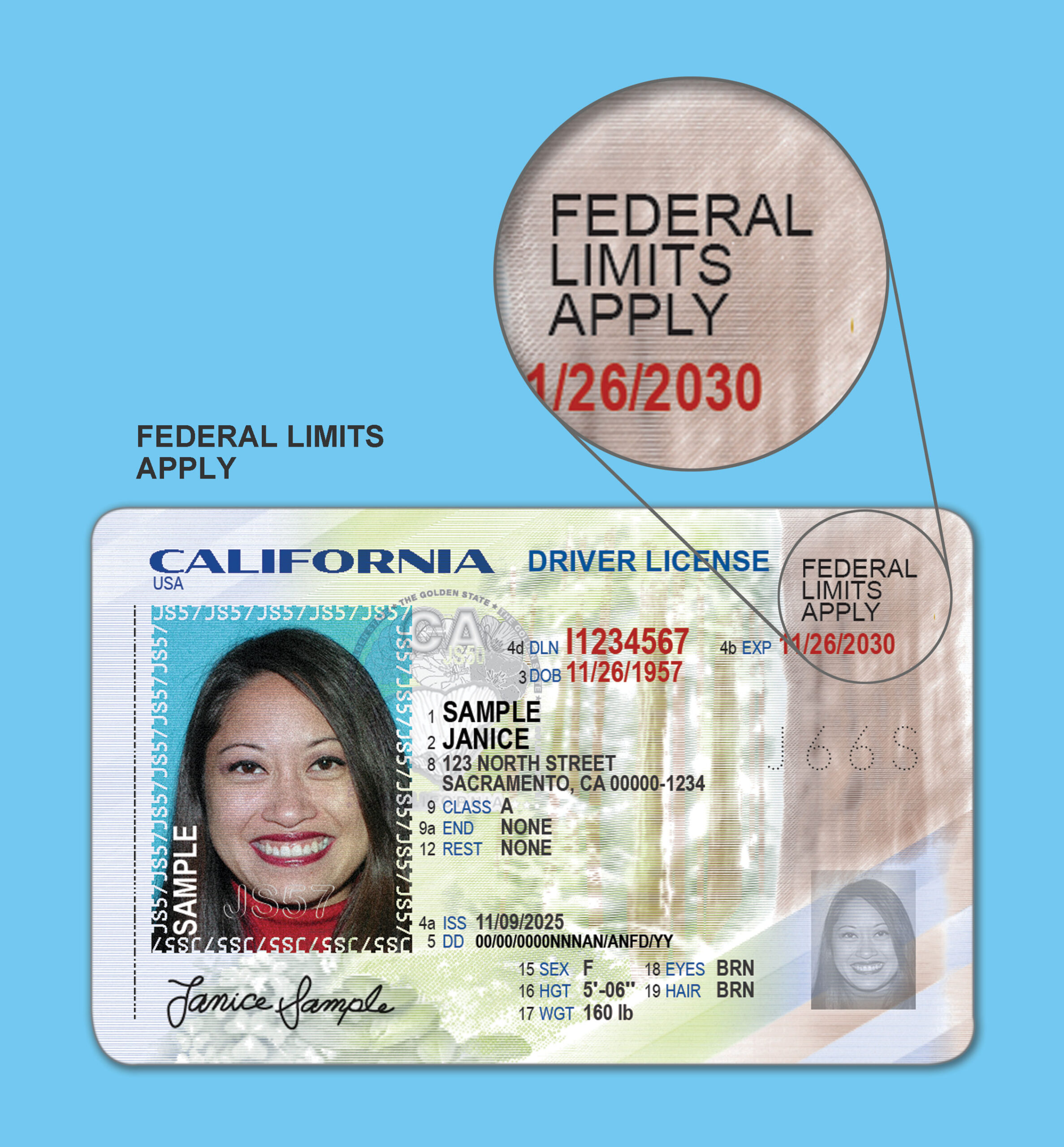
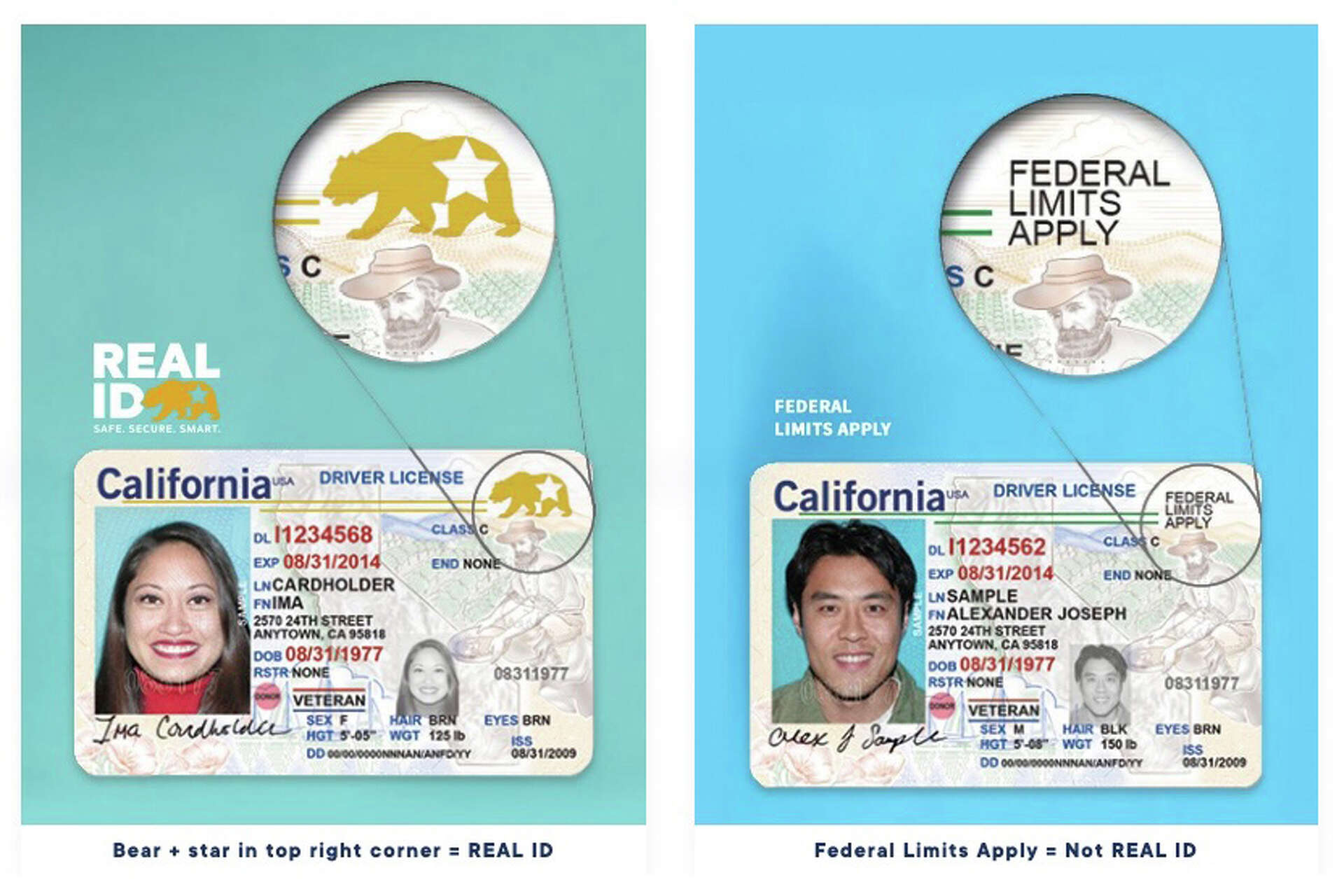
It’s crucial for travelers to understand the visual distinction between a Real ID and a standard California driver’s license or identification card. A Real ID compliant card features a gold bear and star in the upper right-hand corner, signifying its federal compliance. A standard license or ID card will display “FEDERAL LIMITS APPLY” in that same corner, indicating it is not acceptable for federal purposes like domestic air travel. While a standard license remains valid for driving and other everyday identification needs, it won’t suffice at airport security checkpoints after the deadline. Travelers need to verify which type of ID they currently possess and plan accordingly.
Essential Documents for Your Real ID Application in California
Applying for a Real ID in California requires applicants to provide specific documentation to verify their identity, Social Security Number, and residency. The DMV has strict requirements to ensure the integrity of the Real ID program, meaning you cannot proceed without the correct paperwork. Gathering these documents thoroughly before your DMV appointment is the most critical step in a smooth application process, ensuring your travel plans remain unaffected.
Proof of Identity
To establish your identity, you must provide one document from a list of approved options. This document serves as the foundation for your Real ID. Common examples include:
- An original or certified copy of a U.S. Birth Certificate (not a photocopy).
- A valid, unexpired U.S. Passport or Passport Card.
- A Certificate of Naturalization or Certificate of Citizenship.
- A valid foreign passport with an approved I-94 form (for non-citizens).
It is imperative that the name on this document matches your current legal name. Any discrepancies will require additional documentation, as detailed below.
Proof of Social Security Number
You must provide one document verifying your Social Security Number (SSN). The DMV accepts several forms of proof, including:
- Your Social Security card (not a photocopy).
- A W-2 form or SSA-1099 form.
- A pay stub with your name and SSN (only accepted if it clearly shows your full SSN).
Make sure the SSN document presented is original and clearly displays your full name and SSN.
Proof of California Residency
This is where many applicants face challenges, as the DMV requires two different documents to prove your physical address in California. These documents must show your name and current California residential address. Examples include:
- Utility bills (gas, electric, water, trash, cell phone).
- Rental agreement or lease with the signatures of the landlord and tenant.
- Mortgage bills or statements.
- Bank statements.
- Insurance documents (auto, home, health).
- Change of address confirmation by the U.S. Postal Service.
- Vehicle registration or title.
Crucially, P.O. Box addresses are not accepted for residency proof. All documents must display your physical street address.
Proof of Name Change (if applicable)
If the name on your identity document (e.g., birth certificate or foreign passport) does not match your current legal name, you must provide original or certified documents that link the names. This is particularly relevant for individuals who have changed their name due to marriage, divorce, or court order. Acceptable documents include:
- Marriage certificate.
- Dissolution of marriage (divorce) document.
- Adoption papers.
- Court-ordered name change document.
Failing to provide this linkage can halt your application, impacting your ability to get a Real ID and subsequently, your travel plans.
The Application Process: Navigating the California DMV
Once you’ve meticulously gathered all the necessary documents, the next step is to navigate the California DMV application process. While it might seem daunting, proper preparation can make it a relatively smooth experience, ensuring your journey to a Real ID is efficient and successful, paving the way for future travels.
Scheduling Your Appointment
The California DMV strongly recommends scheduling an appointment for Real ID applications. Walk-ins are accepted but often lead to significantly longer wait times, potentially consuming a substantial portion of your day. Scheduling an appointment online via the DMV website allows you to choose a convenient time slot and reduce your in-office wait. This foresight is a simple yet effective travel planning strategy, saving you time and frustration.
Preparing for Your Visit
Before heading to your DMV appointment, it’s highly advisable to complete the online Real ID application form. This online pre-application process saves time at the office, as you’ll simply present a confirmation code. Double-check all your gathered documents to ensure they are original or certified copies (photocopies are generally not accepted for identity or name change documents) and that names and addresses match perfectly across all required proofs. Having all your paperwork organized in a folder will streamline the process for both you and the DMV representative.
The In-Person Verification
During your DMV appointment, you will present all your original documents to a clerk for verification. They will scan or copy them and return the originals to you. You will also have your photo taken, provide a thumbprint, and complete a vision test. If you are applying for a Real ID driver’s license, you may also need to take a written exam if your current license is expired or if you are a new driver. This in-person step is critical, as it’s the final check on your eligibility for the Real ID.
Receiving Your Real ID
After successfully completing the application and verification process at the DMV, you will typically receive a temporary paper Real ID at the office. Your permanent, plastic Real ID card will then be mailed to your provided address within a few weeks. It’s important to remember that the temporary paper ID is usually accepted for domestic air travel, but it’s always wise to check current Transportation Security Administration guidelines, especially for imminent travel plans. Once your permanent card arrives, you’re fully equipped for hassle-free domestic flights until your card expires.
Beyond the Real ID: Travel Preparedness Tips for Californians
While obtaining your Real ID is a crucial step for domestic air travel, true travel preparedness extends beyond just identification. For California travelers, thinking holistically about travel documents and security measures ensures every journey is as smooth and enjoyable as possible.
Other Acceptable Travel Documents
It’s important to remember that a Real ID is not the only acceptable form of identification for domestic air travel. For many travelers, alternative federal-compliant documents might already be in hand or easier to obtain. These include:
- A valid U.S. Passport or Passport Card.
- A Global Entry card, TSA PreCheck card, or other DHS-trusted traveler cards.
- U.S. military ID (for active duty and veterans).
- Foreign government-issued passport (for non-citizens).
If you possess one of these, you may not urgently need to acquire a Real ID for domestic flights, though a Real ID still offers broad utility for various federal purposes. For international travel, a U.S. Passport remains the indispensable document.
Planning Ahead for Stress-Free Journeys
Effective travel preparation goes hand-in-hand with ensuring proper identification. For California adventurers, this means checking flight schedules, confirming booking details, and understanding airline baggage policies well in advance. Moreover, always carry copies of your important travel documents (passport, Real ID, bookings) separately from the originals, or store digital copies on a secure cloud service. This foresight can be a lifesaver in case originals are lost or stolen during your travels.
Keeping Your Travel Documents Secure
The security of your Real ID and other travel documents is paramount. Treat your Real ID with the same care you would a passport, as it contains sensitive personal information. Avoid carrying it unnecessarily in situations where it could be easily lost or stolen. When traveling, consider using a money belt or secure travel wallet, especially in crowded areas, to protect your identification and other valuables. A lost or stolen Real ID can cause significant delays and stress, potentially impacting your ability to board a flight or even return home.
In conclusion, for any California resident who plans to fly domestically after May 7, 2025, obtaining a Real ID is a critical step in travel preparedness. By understanding the requirements, gathering the necessary documents, and navigating the DMV process efficiently, you can ensure your future travels are seamless and enjoyable. Don’t wait until the last minute; secure your Real ID now and travel with confidence.
LifeOutOfTheBox is a participant in the Amazon Services LLC Associates Program, an affiliate advertising program designed to provide a means for sites to earn advertising fees by advertising and linking to Amazon.com. Amazon, the Amazon logo, AmazonSupply, and the AmazonSupply logo are trademarks of Amazon.com, Inc. or its affiliates. As an Amazon Associate we earn affiliate commissions from qualifying purchases.