
When you are planning a journey to the rhythmic heart of Louisiana, precision regarding time becomes more than just a logistical necessity—it becomes a way to ensure you do not miss a single beat of the city’s pulse. New Orleans, often referred to as the Crescent City, operates on Central Time, a schedule that aligns perfectly with the ebb and flow of the Mississippi River and the leisurely pace of life in the United States. Understanding the local time is the first step toward immersing yourself in a culture where the clock often takes a backseat to the music.

The Temporal Rhythm of the Crescent City
Navigating the time zone of New Orleans is straightforward, as the city strictly adheres to Central Standard Time (CST) during the winter months and Central Daylight Time (CDT) during the summer, utilizing the standard daylight saving schedule observed by much of the country. For travelers arriving from the East Coast, this means adjusting your watch back one hour, while those arriving from the West Coast will find themselves two hours ahead of Pacific time.
Why Time Matters in New Orleans
In a city defined by its vibrant calendar, knowing the time is essential for syncing your day with the opening hours of historical sites and culinary institutions. Whether you are aiming to reach the French Quarter just as the morning light hits the historic architecture or planning to secure a table at a world-renowned bistro, the local time is your primary guide.
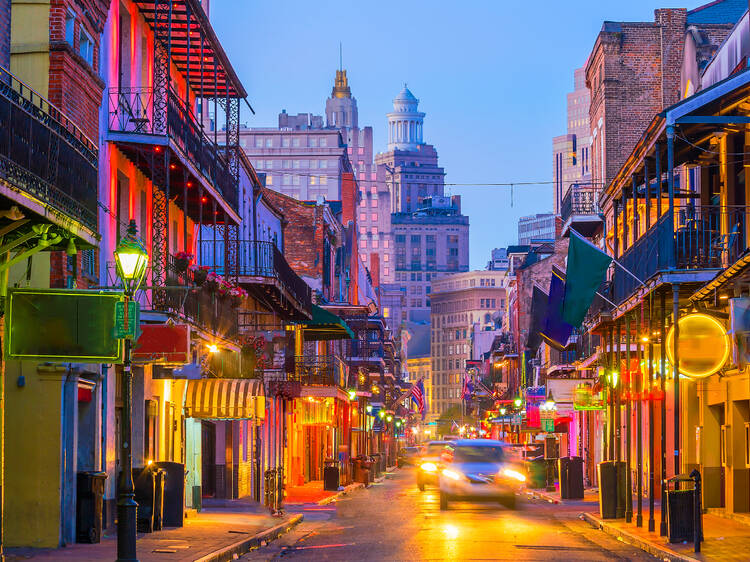
The city’s daily flow is dictated by a unique blend of Southern hospitality and late-night festivities. While the morning hours are reserved for coffee and beignets at iconic spots like Cafe Du Monde, the afternoon serves as the perfect window to explore the Garden District before the evening energy shifts toward Bourbon Street and the jazz clubs of Frenchmen Street.
Planning Your Itinerary Around the Clock
To make the most of your trip, it is helpful to categorize your daily activities by the time of day, ensuring you leverage the daylight hours for sightseeing and the evening hours for the city’s legendary nightlife. New Orleans is a city of distinct neighborhoods, each with a time-sensitive personality.
The Morning Pulse: History and Architecture
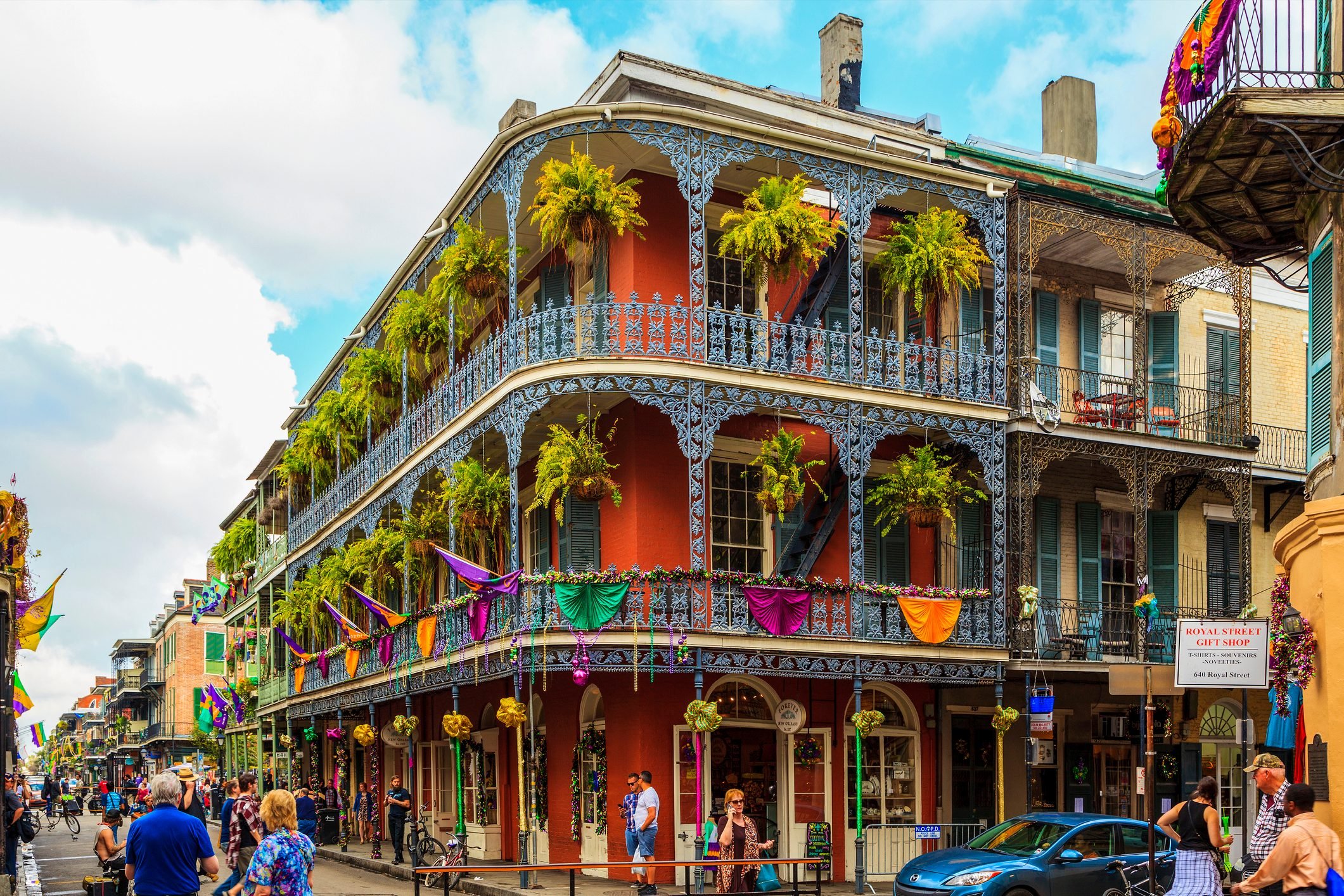
The best time to experience the Jackson Square and the surrounding St. Louis Cathedral is shortly after the sun rises. During these early hours, the humidity is often manageable, and the streets are less crowded. This is the prime time to take a walking tour through the narrow alleyways of the Vieux Carre, where the intricate ironwork balconies cast long, beautiful shadows.
Afternoon Leisure and Cultural Immersion
As the clock moves toward midday and early afternoon, it is the ideal time to retreat into the cooling interiors of the city’s museums. The National WWII Museum offers an expansive look at global history, requiring several hours of dedicated time to appreciate fully. Following your museum visit, a stroll through the City Park provides a serene transition before the bustle of the evening begins. By knowing the precise local time, you can effectively plan your transit across the city, avoiding the peak traffic times that can occasionally clog the streets near Canal Street.
Synchronizing with New Orleans Seasonal Shifts
Beyond the daily clock, New Orleans operates on a seasonal time cycle that heavily influences the visitor experience. Understanding these broader temporal shifts will allow you to better prepare for your arrival, regardless of whether you visit during the sweltering heat of summer or the temperate bliss of spring.
The Festival Calendar and Event Timing
The rhythm of New Orleans is fundamentally linked to its festivals. If you are timing your visit to coincide with Mardi Gras, your internal clock must adjust to the constant motion of parades and street gatherings. During these high-energy periods, public transit schedules and local business hours often shift to accommodate the massive influx of visitors.
Conversely, visiting during the New Orleans Jazz and Heritage Festival requires a different kind of time management. With multiple stages and various performers, the schedule is everything. Visitors often map out their day by the hour, moving from the Fair Grounds Race Course to local venues in the evening. In these instances, keeping accurate time is not just a habit—it is a requirement for catching your favorite brass band or rhythm and blues ensemble.
Seasonal Daylight Considerations
It is also worth noting how the setting sun impacts your plans. In the winter months, the days are shorter, and the city takes on a different, more intimate character as darkness falls earlier. Many visitors find that the transition from day to night in the Bywater district offers a charming, artistic atmosphere that is distinct from the high-energy daytime hours. Being aware of sunset times allows you to time your dinner reservations and evening activities to capture the best of the city’s glowing, gas-lit ambiance.
Practical Tips for the Modern Traveler
While digital devices automatically update your time based on GPS data, there is a certain charm to manually adjusting your watch when you touch down in New Orleans. It serves as a symbolic gesture of detachment from your origin and a commitment to the pace of the city.
- Check Your Digital Sync: Even with automatic updates, ensure your devices are set to “Central Time” to avoid any confusion when cross-referencing tour times or flight departures.
- Respect Business Hours: Remember that in this city, some of the most famous restaurants close between lunch and dinner service. Check the hours for places like Commander’s Palace well in advance, as their operations are highly structured around service times.
- Factor in “New Orleans Time”: While the clocks are accurate, there is a local idiom often referred to as “New Orleans time.” It implies a slower, more relaxed approach to life. Do not be surprised if things move a little slower than you are accustomed to at home; embrace it as part of the cultural experience.
By staying aware of the time and allowing yourself to move in harmony with the local rhythm, you ensure that your visit to this historic metropolis is not just a sequence of checked boxes, but a genuine experience. Whether you are counting down the minutes until your first authentic bowl of gumbo or tracking the sun as it sets over the Lake Pontchartrain, your awareness of the local time will serve as the heartbeat of your journey. New Orleans is a place that celebrates every passing hour with music, flavor, and soul, and being in sync with its time is the first step toward truly feeling at home in the Big Easy.
LifeOutOfTheBox is a participant in the Amazon Services LLC Associates Program, an affiliate advertising program designed to provide a means for sites to earn advertising fees by advertising and linking to Amazon.com. Amazon, the Amazon logo, AmazonSupply, and the AmazonSupply logo are trademarks of Amazon.com, Inc. or its affiliates. As an Amazon Associate we earn affiliate commissions from qualifying purchases.