
Nevada, a state synonymous with glittering casinos, vast desert landscapes, and a unique brand of entertainment, often sparks curiosity about its place in the world, not just geographically but also temporally. When planning a trip to this captivating corner of the United States, understanding its time zone is as crucial as knowing the best routes to the Grand Canyon or the most luxurious resorts in Las Vegas. This isn’t just about arriving on time for a show; it’s about synchronizing your entire travel experience, from booking hotels to savoring local culinary delights, ensuring a seamless and enjoyable Nevada adventure.
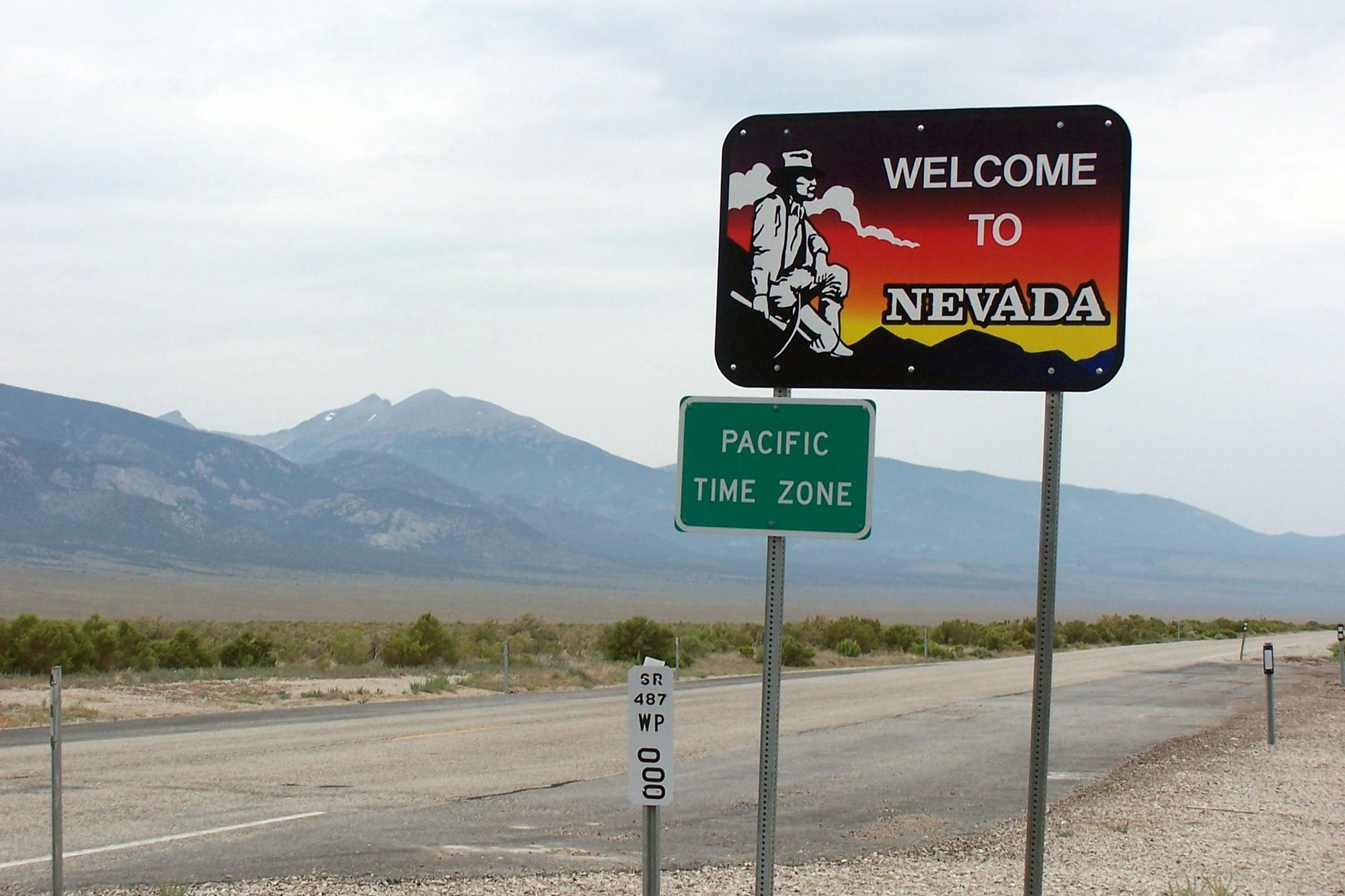
Navigating Nevada’s Time Zones: The Pacific Standard Time Zone
Nevada primarily observes Pacific Standard Time (PST). This places it in sync with its western neighbors like California and Oregon, and along with other states, it falls under the umbrella of UTC-8 during standard time. However, the narrative of time in Nevada isn’t entirely monolithic. While the vast majority of the state adheres to PST, a small pocket exists where a different temporal rhythm prevails. This nuanced reality is a fascinating aspect of the state’s geography and its historical development, impacting everything from local business hours to the timing of national broadcasts.
The Exception: The West Wendover Time Zone Anomaly
The notable exception to Nevada’s Pacific Standard Time observance is the city of West Wendover. Situated on the border with Utah, West Wendover operates on Mountain Standard Time (MST), which is UTC-7. This unique temporal arrangement is a direct consequence of its close economic and social ties with its Utah counterpart, Wendover. Many residents of West Wendover commute to Wendover, Utah, for work, and businesses in West Wendover often cater to clientele from Utah. Aligning with Utah’s time zone simplifies these cross-border interactions and economic activities, creating a pocket of Mountain Time within the predominantly Pacific Time state.
Implications for Travelers and Residents
For travelers, this time zone difference, though seemingly minor, can have practical implications. If your itinerary involves crossing the Nevada-Utah border near West Wendover, it’s essential to be aware of the one-hour shift. This is particularly important when booking accommodations, making dinner reservations, or planning to attend events. For instance, if you’re staying in a hotel in West Wendover, Nevada, and plan to visit attractions or dine in Wendover, Utah, you’ll need to adjust your watch accordingly. This anomaly also affects the timing of television broadcasts, radio signals, and even mobile phone network synchronization. While modern technology often auto-adjusts, it’s always wise to confirm local time, especially in border towns where the temporal shift is a daily reality for many.
The decision for West Wendover to adopt Mountain Time is a testament to how pragmatic considerations often override rigid state boundaries when it comes to daily life and commerce. It highlights the interconnectedness of communities, especially those situated on state lines, and how time zones, while defined by geography, can be influenced by economic and social factors.
Understanding Daylight Saving Time in Nevada
Like most of the United States, Nevada observes Daylight Saving Time (DST). During the warmer months, from the second Sunday in March until the first Sunday in November, clocks are advanced by one hour. This means that the state officially shifts to Pacific Daylight Time (PDT), which is UTC-7, and the portion of West Wendover that observes Mountain Time shifts to Mountain Daylight Time (MDT), which is UTC-6.
The Mechanics of Daylight Saving Time
The introduction of Daylight Saving Time aims to maximize the use of natural daylight. By moving clocks forward, evenings remain lighter for longer, which can have benefits for outdoor recreation and energy conservation. This annual practice is a familiar ritual for many Americans, and its observance in Nevada means that the temporal relationship between Nevada and other time zones, such as Eastern Standard Time (EST) in New York or Central Standard Time (CST) in Chicago, shifts twice a year.
Key Dates to Remember for DST

- Spring Forward: Clocks are moved forward by one hour on the second Sunday in March. This is the start of PDT and MDT.
- Fall Back: Clocks are moved back by one hour on the first Sunday in November. This marks the return to PST and MST.
For travelers, particularly those flying into or out of Nevada, being aware of these dates is crucial for avoiding missed flights or appointments. If you are traveling from a region that does not observe Daylight Saving Time, or observes it on different dates, a simple clock adjustment might not be enough – a double-check of the local time upon arrival is always recommended. This temporal dance ensures that Nevada’s daily rhythms are synchronized with the broader patterns of daylight across much of North America during the spring and summer months.
Planning Your Nevada Itinerary: Time Zones and Travel Experiences
Understanding Nevada’s time zones is more than just a trivial detail; it’s an integral part of planning a successful and enjoyable travel experience. Whether you’re drawn to the electrifying nightlife of Las Vegas, the serene beauty of Lake Tahoe, or the historic charm of Reno, your itinerary will be guided by the clock.
Timing Your Adventures in Las Vegas
Las Vegas is a city that never sleeps, and its entertainment schedule is a carefully orchestrated affair. Showtimes for world-class performances, fine dining reservations, and even the opening hours of popular attractions are all dictated by Pacific Standard Time (or Pacific Daylight Time during the summer). When booking hotel rooms at iconic establishments like Bellagio or Caesars Palace, or planning a visit to the Fremont Street Experience, knowing the local time is paramount. Imagine arriving an hour late for a highly anticipated magic show or missing your reservation at a celebrity chef’s restaurant – these are the minor hiccups that can be easily avoided with a little temporal awareness.
The vibrant energy of Las Vegas extends to its culinary scene, with restaurants ranging from casual eateries to Michelin-starred establishments. Booking a table at renowned spots like Joël Robuchon Restaurant or exploring the diverse food options at the Cosmopolitan requires precise timing. Similarly, if you’re planning to test your luck at the casinos, understanding when certain games or promotions begin can enhance your experience.
Exploring Nevada’s Natural Wonders and Landmarks
Beyond the glittering lights of the cities, Nevada boasts breathtaking natural landmarks and historical sites that offer a different pace of exploration. Visiting Valley of Fire State Park, with its stunning red rock formations, or venturing to the Hoover Dam, an engineering marvel, requires an appreciation for the daylight hours.
The Great Basin National Park, home to ancient bristlecone pines and the highest peak in Nevada, Wheeler Peak, offers unparalleled opportunities for hiking and stargazing. Planning your hikes to maximize daylight or timing your stargazing tours to coincide with optimal viewing conditions is essential. For those interested in the history of the region, visiting places like the historic mining towns or learning about the indigenous cultures that once inhabited these lands will also be best experienced with a clear understanding of daylight hours.
When considering accommodation options, from luxury resorts to budget-friendly apartments, the booking process and check-in/check-out times will always be based on the local time zone. Whether you’re opting for a long-term stay or a short vacation, aligning your arrival and departure with the hotel’s designated times will ensure a smooth transition.

Nevada for Families and Business Travelers
For families planning trips, the timing of activities can significantly impact the overall enjoyment. Theme parks, museums, and other family-friendly attractions often have specific operating hours that are influenced by Daylight Saving Time. Ensuring children are well-rested and can participate fully in daytime activities is key, and understanding when the sun sets and rises plays a role in this planning.
Business travelers, while often focused on meetings and conferences, also need to be mindful of time zones, especially when coordinating with colleagues or clients in different parts of the country or the world. A business meeting scheduled for 10 AM in Reno will be 1 PM in New York, and these differences become more pronounced when factoring in Daylight Saving Time shifts. Ensuring punctuality for crucial appointments is paramount, and an awareness of Nevada’s temporal position is a foundational element of professional planning.
Ultimately, whether you’re seeking luxury travel experiences, budget-friendly adventures, or anything in between, a firm grasp of “What Time Is Nevada In?” is a fundamental step towards a perfectly orchestrated journey. It’s about harmonizing your personal schedule with the rhythm of this captivating state, allowing you to fully immerse yourself in the diverse lifestyles and unforgettable experiences that Nevada has to offer.
LifeOutOfTheBox is a participant in the Amazon Services LLC Associates Program, an affiliate advertising program designed to provide a means for sites to earn advertising fees by advertising and linking to Amazon.com. Amazon, the Amazon logo, AmazonSupply, and the AmazonSupply logo are trademarks of Amazon.com, Inc. or its affiliates. As an Amazon Associate we earn affiliate commissions from qualifying purchases.