
The question “What time is New Mexico?” holds a dual significance for any traveler planning a visit to the Land of Enchantment. It’s not merely about knowing the current hour on a clock; it’s an inquiry into the very rhythm of this vibrant Southwestern state, encompassing its unique time zone, the best seasons for exploration, and the nuanced pace of its local culture. From the moment you begin considering your journey, understanding both the literal and figurative “time” of New Mexico is paramount to crafting an unforgettable experience, whether you’re seeking high-desert adventures, cultural immersion, or serene relaxation. This comprehensive guide will navigate you through New Mexico’s temporal landscape, ensuring your travel plans align perfectly with its captivating offerings.
Understanding New Mexico’s Time Zone: A Practical Guide for Travelers
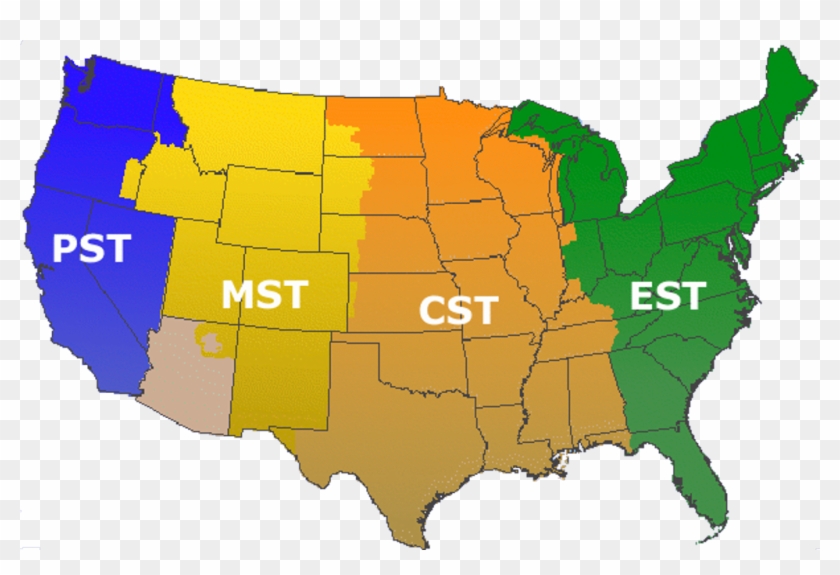
One of the first practical considerations for any traveler to New Mexico is its time zone. Located in the heart of the Mountain West, New Mexico adheres to the Mountain Time Zone, which has specific implications for scheduling and travel logistics.
Mountain Time Zone (MT) and UTC Offset
New Mexico primarily operates on Mountain Standard Time (MST) during the winter months, which is UTC-7. This means it is seven hours behind Coordinated Universal Time. For travelers arriving from the East Coast of the United States, this typically means a two-hour time difference, while those from the West Coast will experience a one-hour difference. Understanding this initial offset is crucial for avoiding jet lag and for coordinating arrival times with hotels or pre-booked activities.
Daylight Saving Time (DST) in New Mexico
Like most of the United States, New Mexico observes Daylight Saving Time (DST). From early March until early November, clocks are moved forward by one hour, shifting New Mexico to Mountain Daylight Time (MDT), which is UTC-6. This adjustment provides an extra hour of daylight in the evenings, a boon for travelers eager to extend their outdoor explorations and cultural experiences. However, it’s essential to remember this shift when planning your trip, particularly if your travel dates fall around the changeover. Confirming local times for flights, hotel check-ins, and tours is always recommended during these periods to prevent any confusion.
Planning Your Arrival and Departures
The practical implications of New Mexico’s time zone extend to all facets of travel planning. When booking flights into major hubs like Albuquerque International Sunport, ensure your arrival and departure times are clearly understood in local time. Similarly, coordinating hotel check-ins, restaurant reservations, or guided tours requires a keen awareness of the time difference, especially if you’re traveling across multiple time zones. Many hotels, from luxury resorts like the Four Seasons Resort Rancho Encantado Santa Fe to boutique stays like Inn of the Five Graces, are adept at assisting guests with time adjustments, but a proactive approach from the traveler ensures a smoother transition.
The Best Times to Visit New Mexico: A Seasonal Guide
Beyond the clock, “what time” in New Mexico refers to the optimal season for your visit. The state’s diverse landscapes, from high mountain peaks to vast desert plains, offer distinct experiences throughout the year, each with its unique charm and set of activities.
Spring (March – May): Awakening in the Desert
Spring in New Mexico is a time of renewal, as the desert wildflowers begin to bloom and temperatures become comfortably mild, typically ranging from the 50s to 70s Fahrenheit (10-25°C). This season is ideal for outdoor activities such as hiking in Bandelier National Monument or exploring the geological formations of Kasha-Katuwe Tent Rocks National Monument. Santa Fe and Taos come alive with art markets and gallery openings, offering a glimpse into the local culture before the summer crowds arrive. It’s also an excellent time to visit cities like Albuquerque and explore Old Town Albuquerque with pleasant weather.
Summer (June – August): High Desert Adventures
Summers in New Mexico are warm to hot, especially in the southern desert regions, but the higher elevations offer respite with cooler temperatures. This is prime time for exploring New Mexico’s stunning national parks. Imagine traversing the otherworldly landscape of White Sands National Park under a bright sun or descending into the magnificent depths of Carlsbad Caverns National Park. The monsoon season, typically from July to September, brings dramatic afternoon thunderstorms that clear the air and offer spectacular photographic opportunities. Despite the heat in some areas, summer is popular for family trips and exploring nature. Accommodation options range from family-friendly resorts to cozy cabins, perfect for enjoying the state’s natural beauty.
Fall (September – November): The Golden Season
Many travelers consider fall the absolute best time to visit New Mexico. The crisp air, vibrant autumnal foliage along the Enchanted Circle Scenic Byway near Taos, and comfortable temperatures create an idyllic setting. The highlight of the season is undoubtedly the Albuquerque International Balloon Fiesta in early October, an unparalleled spectacle of hundreds of hot air balloons filling the morning sky. This event draws visitors globally, making it crucial to book hotels like Hotel Chaco or the Hyatt Regency Albuquerque and flights months in advance. Beyond the fiesta, harvest festivals, chili roasting, and cultural celebrations abound, offering a rich tapestry of local experiences.
Winter (December – February): A Wonderland of Snow and Culture
Winter transforms parts of New Mexico into a snowy paradise, especially in the northern mountains. Ski resorts like Taos Ski Valley, Ski Santa Fe, and Ski Apache offer excellent conditions for winter sports enthusiasts. In contrast, the southern regions remain relatively mild, perfect for exploring landmarks without the summer heat. The holiday season is particularly magical, with cities like Santa Fe and Las Vegas adorned with farolitos and luminarias, creating a festive atmosphere. Many hotels offer cozy winter packages, perfect for a relaxing getaway. Whether it’s a luxury ski trip or a cultural holiday retreat, New Mexico provides diverse winter experiences.
Immersive Experiences: Time-Sensitive Activities and Local Rhythms
Understanding “what time” also extends to appreciating the daily rhythms and time-sensitive opportunities that define the New Mexico experience. From the golden hour of sunrise to the star-filled desert nights, each segment of the day offers distinct possibilities for adventure and cultural engagement.
Dawn to Dusk: Making the Most of Daylight
Sunrise and Morning Explorations: New Mexico’s sunrises are legendary, painting the expansive skies with breathtaking colors. Early mornings are ideal for peaceful hikes, such as those accessible via the Sandia Peak Tramway in Albuquerque, offering panoramic views as the sun ascends. Visiting popular attractions like Santa Fe Plaza or Old Town Albuquerque in the morning allows for cooler temperatures and fewer crowds, providing a more intimate experience of these historic sites. This is also a great time for photography and enjoying a quiet breakfast at a local cafe.
Daytime Discoveries: The bulk of your day in New Mexico will be spent immersing yourself in its rich history, vibrant art scene, and stunning natural beauty. Explore museums like the Georgia O’Keeffe Museum in Santa Fe or delve into the ancient cultures at Chaco Culture National Historical Park. Drive through scenic byways, discover hidden art galleries, or embark on a culinary tour to sample authentic New Mexican cuisine. Many tours and attractions operate during standard daytime hours, so proper scheduling around lunch breaks and rest stops is key.
Sunset Views and Golden Hour: As the day wanes, New Mexico transforms again. The sunsets are equally as spectacular as the sunrises, casting a golden glow over the desert landscapes. Head to a scenic overlook, relax on a hotel patio, or find a spot along the Rio Grande to witness the spectacle. This “golden hour” is perfect for photography and reflection, setting a serene tone before the evening activities commence.
Evening and Nightlife: Stargazing and Cultural Performances
Once the sun sets, New Mexico’s unique charm continues to shine. The state boasts some of the darkest skies in the U.S., making stargazing an unforgettable experience, particularly in remote areas like Gila National Forest or near Roswell. Many observatories and national parks offer guided night sky programs.
Urban centers like Santa Fe and Albuquerque offer a vibrant nightlife, ranging from sophisticated dining experiences at renowned restaurants to live music venues showcasing local talent. Enjoy traditional New Mexican dishes, explore craft breweries, or attend a performance at a historic theater. The Santa Fe Opera, for instance, offers world-class performances during its summer season, requiring advance booking.
Cultural Calendar and Festivals
New Mexico’s cultural calendar is punctuated by numerous festivals and events that are deeply woven into the fabric of its communities. Timing your visit to coincide with these events can provide an extraordinary glimpse into local traditions. The Santa Fe Indian Market in August showcases indigenous art and culture, drawing thousands of visitors. Las Vegas Fiestas celebrate Spanish colonial heritage with parades and vibrant festivities. From chile harvests to cowboy poetry gatherings, these events are time-specific and offer unique insights into the state’s diverse heritage. Checking the local event calendar before you book your trip is a fantastic way to enhance your travel experience and fully immerse yourself in New Mexico’s living culture.
Accommodation and Travel Lifestyle: Adapting to New Mexico Time
The concept of “what time” also extends to your travel lifestyle and accommodation choices in New Mexico. Adapting to the local pace and selecting the right lodging at the right time are crucial for a truly enriching journey.
Booking and Planning for Different Stays
Peak vs. Off-Peak Seasons: As with any popular travel destination, New Mexico experiences peak tourist seasons, primarily during fall (for the Albuquerque International Balloon Fiesta and pleasant weather) and summer (for national park visits). During these times, accommodation prices tend to be higher, and availability at popular hotels and resorts, such as the historic Hotel St. Francis in Santa Fe, becomes limited. Booking well in advance, often 6-12 months for major events, is highly recommended. Conversely, traveling during shoulder seasons (late spring, early winter) can offer better deals and fewer crowds, allowing for a more relaxed exploration.
Luxury, Budget, and Long-Term Options: New Mexico caters to all travel budgets and preferences. Luxury resorts in Santa Fe and Taos offer opulent amenities and spa services, perfect for a rejuvenating escape. Mid-range hotels in cities like Albuquerque provide comfortable stays with convenient access to attractions. For budget-conscious travelers, hostels and independent motels are readily available. Those considering a longer stay might explore apartment rentals or villas, especially in areas around Los Alamos or smaller towns, which offer a deeper immersion into local life. Researching and comparing accommodation options based on your desired lifestyle and the time of year is essential for securing the best value and experience.
Adjusting to the Pace: Mindful Travel in New Mexico
Part of understanding “what time” in New Mexico is embracing its unique pace of life. While urban centers like Albuquerque and Santa Fe can be bustling, many parts of the state exude a slower, more contemplative rhythm, often influenced by its vast landscapes and rich cultural heritage. This slower pace encourages mindful travel—taking the time to savor a meal, linger in an art gallery, or simply sit and observe the stunning natural beauty.
Engage with locals, learn about their traditions, and allow yourself to be immersed in the moment. Whether it’s participating in a cooking class, attending a local festival, or simply enjoying the quietude of the high desert, adapting to New Mexico’s intrinsic clock allows for a more authentic and deeply personal travel experience. This mindful approach to time ensures that your journey isn’t just about ticking off landmarks but about truly connecting with the spirit of the Land of Enchantment.
In conclusion, “What time is New Mexico?” is a multi-layered question that guides every aspect of travel planning. From understanding the literal Mountain Time Zone and Daylight Saving Time to discerning the best seasonal windows for specific activities and embracing the relaxed local rhythms, a holistic appreciation of New Mexico’s “time” is key. By aligning your expectations and itinerary with these temporal considerations, you are well-prepared to unlock the diverse wonders, vibrant culture, and breathtaking landscapes that await in this truly enchanting Southwestern state. Plan wisely, live slowly, and let New Mexico’s unique sense of time guide you to an unforgettable adventure.
