
Understanding local noise ordinances is crucial for any visitor or resident aiming to enjoy their stay in California without inadvertently causing disruption. While the allure of the Golden State often conjures images of sun-drenched beaches, vibrant cityscapes, and serene natural parks, the reality of urban and suburban living includes a set of rules designed to maintain peace and quiet. Noise ordinances are the legal framework that dictates acceptable noise levels and the times during which they are permitted, varying significantly from one municipality to another. This guide delves into the typical times associated with noise ordinances across California, offering insights for travelers, temporary residents, and even long-term dwellers to navigate these regulations effectively and ensure a harmonious experience.

Understanding California Noise Ordinance Fundamentals
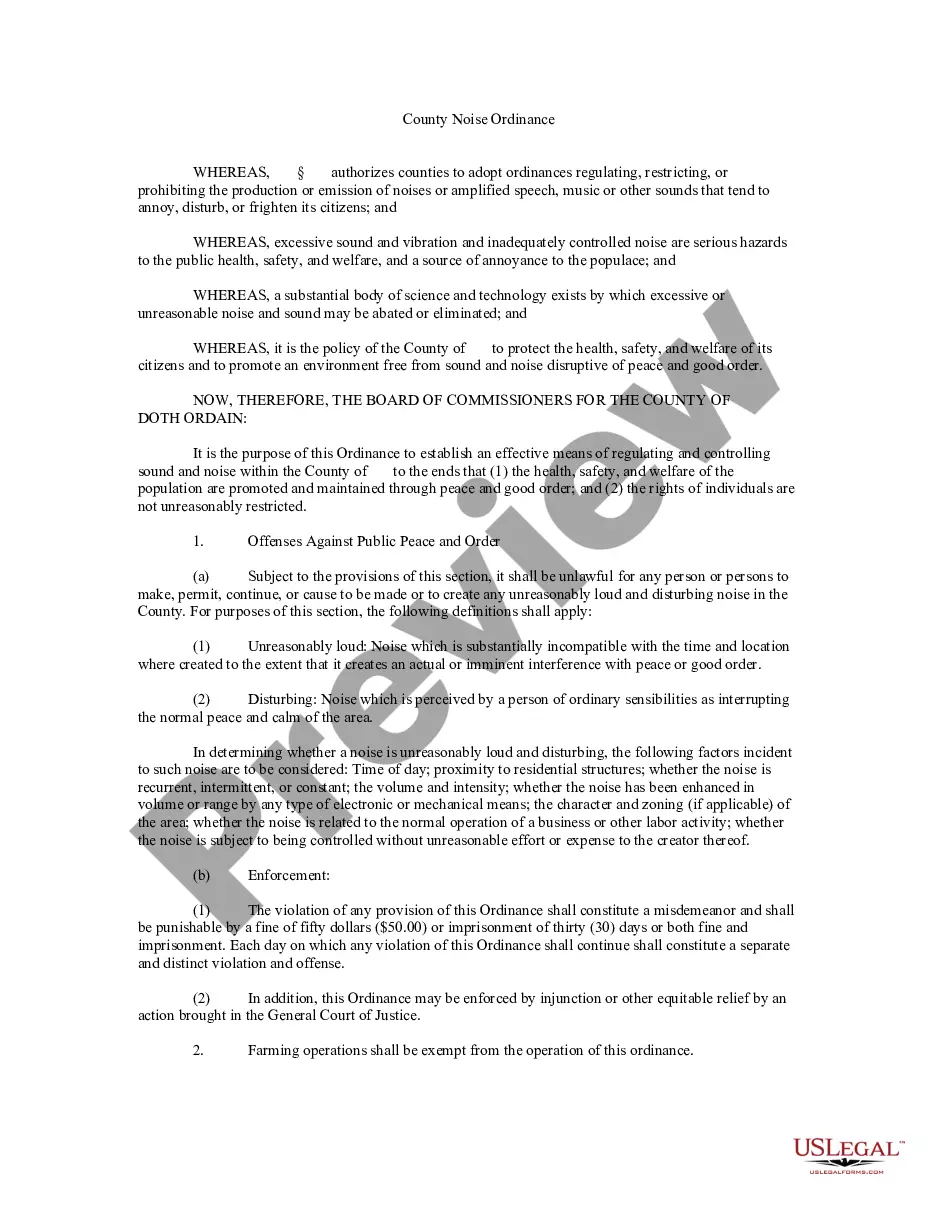
Noise ordinances in California, like elsewhere, are established by local governments—cities and counties—rather than by the state government directly. This decentralization means that a noise ordinance in Los Angeles might differ considerably from one in San Francisco, or even between neighboring communities within the same county. The primary objective of these ordinances is to prevent excessive, unreasonable, or disturbing noise that can interfere with the public’s peace, comfort, and repose.
The Core Components of a Noise Ordinance
Most California noise ordinances generally address several key elements:
- Decibel Limits: Many ordinances specify maximum allowable decibel levels, often differentiating between daytime and nighttime hours, and sometimes between residential, commercial, and industrial zones.
- Prohibited Noises: Beyond decibel limits, certain types of noise are often explicitly prohibited, regardless of volume, if they are deemed disruptive. Examples include excessive car alarms, loud music from parties, construction noise outside permitted hours, and even excessive animal barking.
- Time Restrictions: This is the most commonly understood aspect of noise ordinances and the focus of our inquiry. These restrictions define the periods during which noise levels must be kept at a minimum, typically encompassing nighttime hours when people are most likely to be sleeping.
- Enforcement: Ordinances outline the process for reporting violations and the potential penalties, which can range from warnings and fines to more severe legal actions for repeat offenders.
For travelers, particularly those staying in vacation rentals, hotels, or even camping in designated areas, being aware of these general principles is the first step to a pleasant visit. It’s about respecting the local community and its established rhythms.
Typical Timeframes for California Noise Ordinances
While the specifics vary, a general pattern emerges regarding the times when noise ordinances are most strictly enforced across California. These times are usually designed to protect residents during their most vulnerable periods of rest.
Daytime Hours (Generally Permitted)
During standard daytime hours, noise ordinances are typically more lenient. This period usually extends from early morning until late evening. For example, you might find that noise levels that would be considered disruptive after 10 PM are perfectly acceptable between 7 AM and 10 PM. Construction work, lawn maintenance, and other common daytime activities are usually permitted within these hours. However, even during the day, excessively loud or prolonged noises that are clearly beyond the norm could still be subject to complaint and potentially a citation, especially if they are unusual or happen during sensitive times within the daytime, such as early mornings.
Evening Hours (Transition Period)
As the evening progresses, noise ordinances typically begin to tighten. Many cities in California will have a transition period where the acceptable noise levels start to decrease. For instance, after 9 PM or 10 PM, the allowable decibel limits often drop significantly, and certain activities that were permissible earlier in the day may become restricted. This is a crucial period for visitors, especially if they are staying in accommodations like hotels or short-term rentals where sound can easily travel between units.
Nighttime Hours (Most Restrictive)
The most stringent rules apply during the nighttime hours. These are the hours most dedicated to ensuring residents can sleep undisturbed.
- General Quiet Hours: Most California noise ordinances designate quiet hours typically starting between 9 PM and 11 PM and extending until 6 AM or 7 AM. Within this window, noise levels are expected to be significantly lower.
- Specific Prohibitions: During these hours, loud music, shouting, loud parties, or any noise that can be heard from a significant distance (e.g., inside a neighboring residence) is generally prohibited. The exact definition of “disturbing” or “excessive” noise can be subjective and often relies on the discretion of law enforcement or code enforcement officers responding to a complaint.
- Exceptions: There are often exceptions for public events, emergency services, and sometimes for specific permits issued for festivals or concerts. However, for the average visitor or resident, these nighttime hours are to be respected as periods of mandatory quiet.
Early Morning Hours (Also Restrictive)
The early morning hours, typically between 6 AM and 7 AM (or sometimes even later, like 8 AM, depending on the ordinance), are also often included in the restricted period. While some ordinances might allow for slightly more noise than during the peak nighttime hours, it’s still generally considered impolite and potentially a violation to generate significant noise before businesses and most residents have fully started their day. This means that early morning lawn mowing or loud construction might still be frowned upon or prohibited in many areas.
Navigating Noise Ordinances in Different California Settings
The context of your stay in California will influence how noise ordinances might apply and how you should approach them.
Hotels and Resorts
If you’re staying at a hotel or resort in cities like San Diego or Palm Springs, the hotel management often enforces its own internal policies regarding noise, which are usually stricter than the municipal ordinances. These internal rules are designed to ensure all guests have a pleasant experience. Expect quiet hours to be clearly posted, typically starting in the late evening. Common areas like pools and lobbies also have associated noise expectations. If you’re concerned about noise from neighboring rooms, discreetly contacting the front desk is usually the most effective first step.
Vacation Rentals and Short-Term Stays
For vacation rentals booked through platforms like Airbnb or VRBO, the host’s rules are paramount. These rules often reflect the specific municipal noise ordinance. It’s essential to read the rental agreement carefully. Many hosts will explicitly state the quiet hours, which are often aligned with the local city or county regulations. For example, a rental in a residential neighborhood in Oakland will likely have stricter nighttime noise rules than a rental in a more commercialized tourist zone. Be mindful of shared walls and common outdoor spaces, as noise can easily carry.
Residential Neighborhoods
If you are visiting family or friends in a residential area of California, understanding the local ordinance is particularly important. This is where most noise complaints originate. Keep music at a reasonable volume, avoid loud gatherings that extend late into the night, and be considerate of your neighbors’ need for peace. This applies to both the property you are staying at and any outdoor activities like barbecues or pool parties.
Tourist Attractions and Parks
While not typically subject to the same stringent “quiet hours” as residential areas, certain tourist attractions and parks might have their own rules regarding noise. For instance, in national or state parks like Yosemite National Park or Joshua Tree National Park, maintaining a quiet and natural environment is part of the experience. Excessive noise, amplified music, or disruptive behavior is generally discouraged and can lead to removal from the park. Some campgrounds within these parks will have strict quiet hours, often from 10 PM to 6 AM.
How to Find Specific Noise Ordinance Times in California
Since California ordinances are local, the best way to get precise information is to check the specific municipality where you are staying.
Online Resources
- City/County Websites: The most direct way is to visit the official website of the city or county. Search for terms like “noise ordinance,” “quiet hours,” or “municipal code.” These sites will typically have the full text of the ordinance, including specific times and decibel limits.
- Local Government Portals: Many California cities and counties have dedicated portals for their municipal codes, making them easily searchable.
Contacting Local Authorities
- Non-Emergency Police Line: If you are unable to find the information online, or if you are experiencing a noise issue and need to understand the rules in real-time, calling the non-emergency number for the local police department can provide guidance. They can inform you of the current ordinance or direct you to the appropriate department.
- Code Enforcement: Some cities have a specific code enforcement department responsible for handling ordinance violations, including noise.
Information from Hosts or Hotels
When staying at a hotel or a vacation rental, always ask your host or the hotel staff about their specific quiet hours and any local regulations they adhere to. They are usually happy to provide this information to ensure a smooth stay for everyone.

Practical Tips for a Peaceful California Visit
To ensure your visit to California is enjoyable and respectful of local regulations, consider these practical tips:
- Be Mindful of Your Volume: Whether it’s music, conversations, or even laughter, always be conscious of how far sound travels, especially in multi-unit dwellings or quiet residential areas.
- Plan Accordingly: If you’re hosting a gathering or engaging in activities that might generate noise, ensure it’s done during permitted hours and inform your neighbors if possible.
- Use Designated Areas: For activities like playing loud music or engaging in energetic games, use spaces specifically designed for such purposes, rather than shared or quiet areas.
- Address Issues Discreetly: If you are experiencing excessive noise from others, try to address it amicably if comfortable. If not, or if the issue persists, follow the established complaint procedures for your accommodation or municipality.
- Respect Signage: Many accommodations and public spaces will have signs indicating quiet hours. Pay attention to these and adhere to them.
By understanding and respecting California’s diverse noise ordinances, visitors can contribute to a pleasant atmosphere for everyone, ensuring their travels are memorable for all the right reasons. Whether exploring the bustling streets of San Francisco or relaxing in a quiet coastal town, a little awareness goes a long way in fostering a harmonious experience.
LifeOutOfTheBox is a participant in the Amazon Services LLC Associates Program, an affiliate advertising program designed to provide a means for sites to earn advertising fees by advertising and linking to Amazon.com. Amazon, the Amazon logo, AmazonSupply, and the AmazonSupply logo are trademarks of Amazon.com, Inc. or its affiliates. As an Amazon Associate we earn affiliate commissions from qualifying purchases.