
For any traveler planning a sun-drenched escape to the Sunshine State, understanding “what time is now in Florida” is far more than a simple query about the current hour. It’s a foundational piece of information that dictates everything from flight schedules and hotel check-ins to theme park operating hours and sunset views over the Gulf of Mexico or the Atlantic Ocean. Florida, a vibrant tapestry of diverse destinations, from the bustling metropolis of Miami to the serene beaches of the Panhandle, operates across two distinct time zones, making precise planning essential for a seamless travel experience.
This comprehensive guide delves into the nuances of Florida’s time zones, offering insights crucial for every aspect of your trip. Whether you’re coordinating a family trip to Orlando’s magical theme parks, booking a business stay in Tampa, or simply looking to catch a specific event in Key West, being time-aware ensures you maximize every moment of your Floridian experience. We’ll explore how these time differences impact your itinerary, accommodation logistics, and even your enjoyment of local food and activities, providing tips to navigate any temporal challenges with ease.
Navigating Florida’s Time Zones: An Essential Guide for Travelers
While the vast majority of Florida proudly observes one time zone, a notable exception along its western edge introduces a fascinating, albeit minor, complexity for travelers. Understanding this division is the first step toward impeccable travel planning.
The Eastern Time Zone Advantage
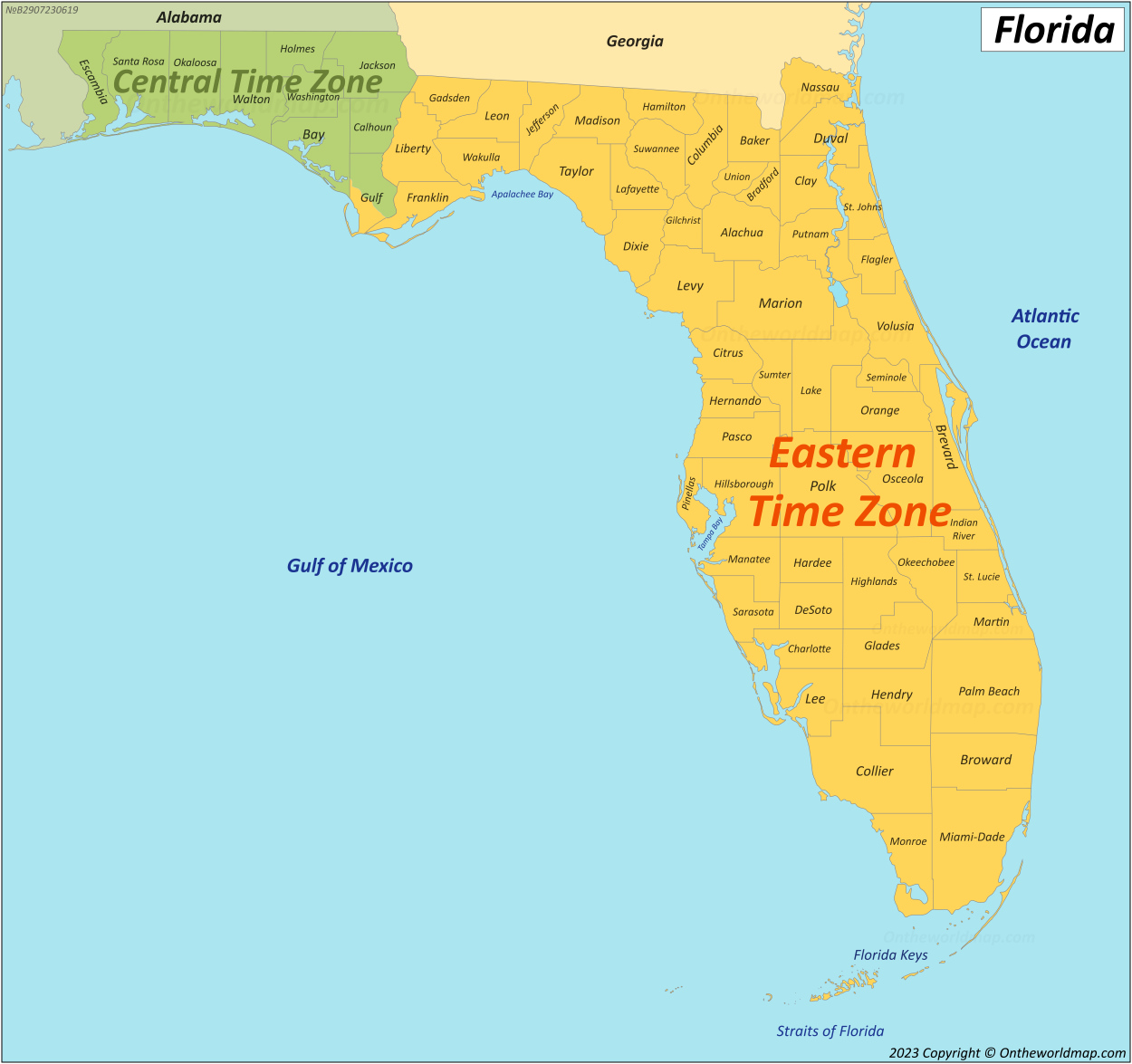
The overwhelming majority of the state, including all its major population centers and most popular tourist attractions, falls within the Eastern Time Zone. This encompasses the entirety of the Florida Peninsula, extending from the vibrant South Florida region, through the theme park capital of Central Florida, and up into the historical landscapes of North Florida.
This means that if you’re planning a visit to:
- Miami and its iconic South Beach or vibrant Little Havana.
- Orlando, home to Walt Disney World (Magic Kingdom, Epcot, Hollywood Studios, Animal Kingdom), Universal Orlando Resort, and SeaWorld Orlando.
- Tampa and St. Petersburg, with attractions like Busch Gardens Tampa Bay and The Dalí Museum.
- Jacksonville, the largest city by land area, or the historic charm of St. Augustine and its Castillo de San Marcos.
- The serene Florida Keys, stretching down to Key West and Dry Tortugas National Park.
- The Space Coast with the Kennedy Space Center Visitor Complex.
…you will be operating on Eastern Time. During Daylight Saving Time (from the second Sunday in March to the first Sunday in November), this is Eastern Daylight Time (EDT), which is UTC-4. For the remainder of the year, it’s Eastern Standard Time (EST), or UTC-5. The consistency of a single time zone across such a large and popular region simplifies planning considerably for the vast majority of visitors.
Unraveling the Panhandle’s Central Time Zone
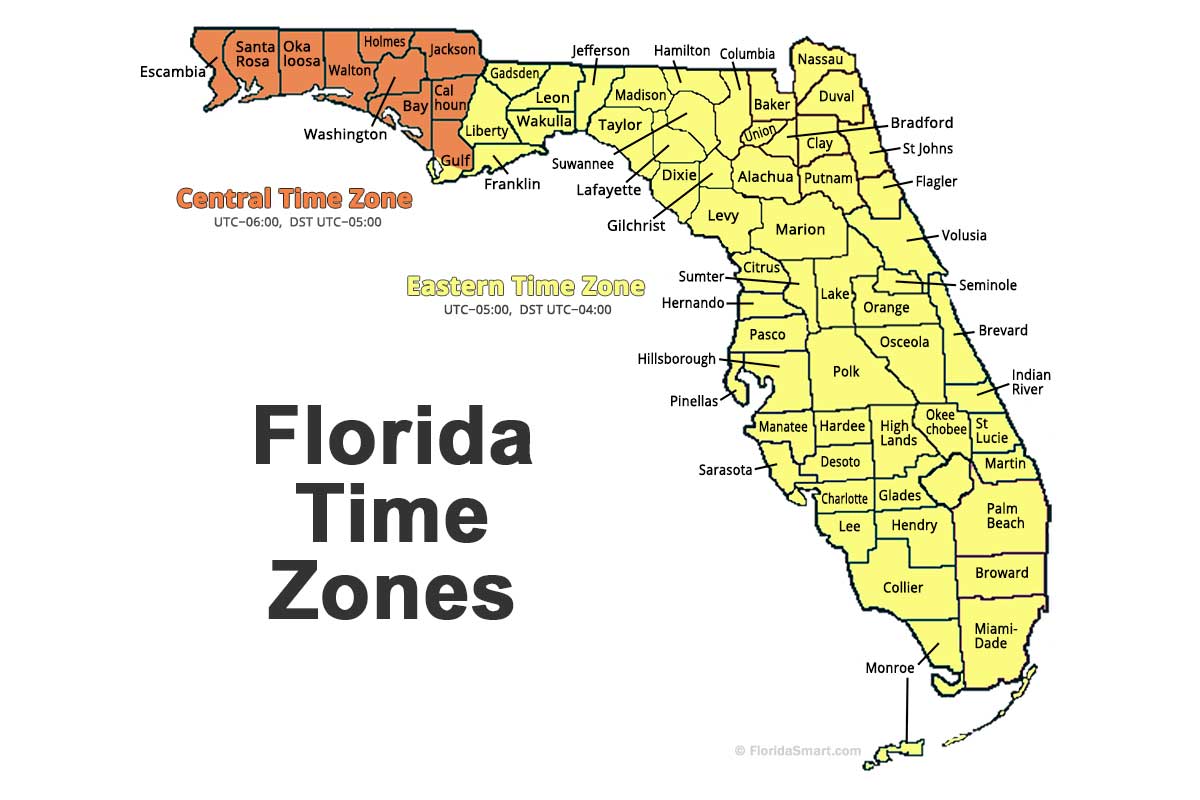
The exception to Florida’s Eastern Time dominance lies in its northwestern Panhandle region. A sliver of Florida that borders Alabama to the west observes the Central Time Zone. This region includes counties west of the Apalachicola River, specifically Escambia, Santa Rosa, Okaloosa, and Walton Counties. Part of Bay County, including Panama City Beach, also falls within Central Time.
Key destinations in the Panhandle operating on Central Time include:
- Pensacola, known for its historic downtown and pristine beaches.
- Destin, a popular destination famous for its fishing and vibrant tourism scene.
- Most of Panama City Beach, a spring break and family vacation hotspot.
During Daylight Saving Time, this is Central Daylight Time (CDT), which is UTC-5. Outside of Daylight Saving Time, it’s Central Standard Time (CST), or UTC-6.
The critical takeaway here is the one-hour difference: Central Time is consistently one hour behind Eastern Time. This becomes particularly important if you are driving from Tallahassee (Eastern Time) to Pensacola (Central Time), or flying into Northwest Florida Beaches International Airport (ECP) near Panama City Beach. Always double-check your itinerary, especially when booking accommodation or activities that span this time zone boundary.
Why Time Matters: Planning Your Florida Adventure Seamlessly
Beyond mere curiosity, understanding Florida’s time zones directly impacts the success and enjoyment of your trip. From transportation to leisure, every element of your travel experience is governed by the clock.
Optimizing Your Travel Itinerary
Consider your arrival and departure. Flights into Miami International Airport (MIA), Orlando International Airport (MCO), or Tampa International Airport (TPA) will all adhere to Eastern Time. However, if your journey takes you to the Panhandle, arriving at Pensacola International Airport (PNS) means adjusting to Central Time. Missing this detail could lead to confusion with connecting flights or scheduled ground transportation.
For road trips crossing the time zone line in the Panhandle, remember to manually adjust your watch or rely on your smartphone’s automatic time update. This is crucial for keeping appointments, like a rental car pick-up or a pre-booked tour. Losing an hour (traveling west to east) or gaining an hour (traveling east to west) can disrupt carefully planned schedules.
Accommodation Logistics: Check-ins and Check-outs
Hotels, resorts, apartments, and villas across Florida operate strictly by their local time. A typical check-in time of 3:00 PM or 4:00 PM and a check-out time of 11:00 AM or 12:00 PM should always be interpreted according to the time zone of the property.
Imagine you’ve booked a charming boutique hotel in St. Augustine (Eastern Time) and your next stop is a beachfront resort in Destin (Central Time). Your 11:00 AM check-out from St. Augustine and a 4:00 PM check-in in Destin means you’ll effectively “gain” an hour upon arrival, giving you slightly more daylight. Conversely, traveling from west to east means you’ll “lose” an hour, which could impact your drive time or lead to a late arrival if not factored in. Always confirm booking details with your accommodation provider, especially if you foresee arriving close to the time zone boundary. Reading reviews often highlights such logistical considerations.
Dining and Entertainment: Never Miss a Beat
Florida’s vibrant culinary scene and world-class entertainment options are time-sensitive. A dinner reservation at a trendy Miami restaurant, a show at Orlando’s Dr. Phillips Center for the Performing Arts, or a sunset cruise off the Gulf Coast will all have precise start times in their respective local zones. Theme parks like Walt Disney World and Universal Orlando Resort strictly adhere to Eastern Time for their opening hours, parade schedules, and firework displays. Similarly, attractions in the Panhandle, from Pensacola’s historic forts to Destin’s fishing charters, will operate on Central Time.
Even seemingly small details, like happy hour specials, live music schedules, or the timing of local events and festivals, are tied to the local clock. For those interested in local culture and immersive experiences, knowing the exact time can mean the difference between catching a spectacular sunset at Mallory Square in Key West or missing the start of a fascinating historical tour in St. Augustine.
Lifestyle and Local Rhythm: Embracing Florida’s Clock
Understanding the time in Florida goes beyond mere scheduling; it’s about syncing with the state’s unique rhythm and maximizing your personal well-being.
Beating Jet Lag and Maximizing Your Stay
For international travelers or those arriving from distant United States time zones, adjusting to Florida’s time can be a significant part of their initial experience. Most of Florida’s major international airports are on Eastern Time, which can be UTC-5 or UTC-4 depending on Daylight Saving Time. If you’re flying in from Europe or Asia, prepare for several hours of time difference. Strategies for mitigating jet lag, such as gradually shifting your sleep schedule before departure, staying hydrated, and exposing yourself to natural light upon arrival, are key to quickly adapting to the Floridian pace.
Even domestic travelers crossing multiple time zones, say from California‘s Pacific Time Zone (three hours behind Eastern Time) to Florida, can experience a noticeable shift. While not as severe as international jet lag, it can still affect your energy levels and desire for activities in the first day or two. Being mindful of this helps you schedule lighter activities upon arrival and gradually ease into your vacation lifestyle.
Seasonal Time Changes: Daylight Saving Time in Florida
Like most of the United States, Florida observes Daylight Saving Time. This means that clocks “spring forward” one hour on the second Sunday in March and “fall back” one hour on the first Sunday in November. For travelers, this annual shift can be a minor inconvenience if not accounted for.
If your trip straddles these dates, be extra vigilant. A flight scheduled for 9:00 AM on the day Daylight Saving Time begins might effectively be 8:00 AM by your body clock if you forget to adjust. Most modern smartphones and digital devices automatically update, but analog clocks in hotels or rental cars may not. Always verify the time to avoid missing early morning flights, breakfast reservations, or crucial park opening times. The change also means earlier sunsets in winter months, impacting outdoor activities and evening plans.
Beyond the Clock: Experiencing Florida’s Timeless Appeal
While understanding Florida’s time zones is essential for practical travel planning, it’s also important to remember that the state offers a timeless appeal, transcending the mere ticking of a clock. From its ancient landscapes and rich history to its vibrant culture and natural beauty, Florida invites visitors to immerse themselves in experiences that feel both exhilaratingly fleeting and eternally memorable.
Whether you’re exploring the depths of Everglades National Park, marveling at the Spanish architecture of St. Augustine, riding the thrilling rollercoasters in Orlando, or simply unwinding on the pristine sands of Clearwater Beach or Siesta Key, Florida offers something for every pace and preference. Embrace the slower rhythm of the Florida Keys, the bustling energy of Miami, or the laid-back charm of the Panhandle.
Understanding the “what time is now in Florida” question is not just about knowing the exact hour, but about appreciating how this simple fact threads through every aspect of your journey. It’s the framework upon which unforgettable memories are built, ensuring that your Florida adventure unfolds exactly as you envision it. So, set your watch, plan your days, and get ready to experience the magic of the Sunshine State on its own time, creating memories that will last a lifetime.
LifeOutOfTheBox is a participant in the Amazon Services LLC Associates Program, an affiliate advertising program designed to provide a means for sites to earn advertising fees by advertising and linking to Amazon.com. Amazon, the Amazon logo, AmazonSupply, and the AmazonSupply logo are trademarks of Amazon.com, Inc. or its affiliates. As an Amazon Associate we earn affiliate commissions from qualifying purchases.