
For many residents and visitors exploring the vibrant landscape of Minneapolis, maintaining a spiritual rhythm amidst the bustling energy of the Twin Cities is an essential part of daily life. As a hub of diverse cultural backgrounds and a welcoming home to a large Muslim community, the city offers numerous resources for those observing daily prayers. Understanding the nuances of prayer times—known as Salah—is vital for ensuring that one can balance personal spiritual devotion with the demands of work, leisure, and exploration in Minnesota.
The Importance of Accurate Prayer Timing in the North
In North America, prayer times are determined by the position of the sun. Unlike regions closer to the equator where day lengths remain relatively constant throughout the year, the northern latitude of Minneapolis creates significant seasonal fluctuations in daylight.
Understanding Seasonal Shifts
During the height of summer, the sunrise occurs exceptionally early, while the sunset stretches deep into the evening hours. Conversely, the winter months see the sun rising quite late and setting early in the afternoon. Because the five obligatory prayers (Fajr, Dhuhr, Asr, Maghrib, and Isha) are tethered to solar events, the timing shifts daily. This makes the use of local Islamic calendars or dedicated mobile applications highly recommended for anyone navigating the city.
Community Resources and Local Mosques
For those looking to pray in congregation, the city is home to several welcoming centers. Whether you are near the University of Minnesota or closer to the heart of downtown, facilities such as the Dar Al-Hijrah Islamic Center or the Masjid An-Nur offer consistent schedules. These institutions serve as vital anchors, providing not just spaces for prayer, but also community outreach and educational opportunities that enrich the local Midwest culture.
Navigating Prayer Schedules While Exploring the City
If you are visiting Minneapolis for business or pleasure, you might find yourself exploring major landmarks like the Mall of America or the Minneapolis Institute of Art. Integrating prayer times into a travel itinerary requires a bit of foresight, but the city’s inclusive infrastructure makes it entirely manageable.
Planning Your Itinerary Around Salah
Most travelers find that checking the daily prayer schedule the evening before is the most effective approach. Since the Dhuhr (midday) and Asr (afternoon) prayers often fall during business hours or prime sightseeing time, having a quiet space to pray is helpful. Many public spaces and hotels in the United States have become increasingly accommodating, and it is never a bad idea to ask concierge services if a quiet room is available for brief meditation or prayer.
Digital Tools for Accuracy
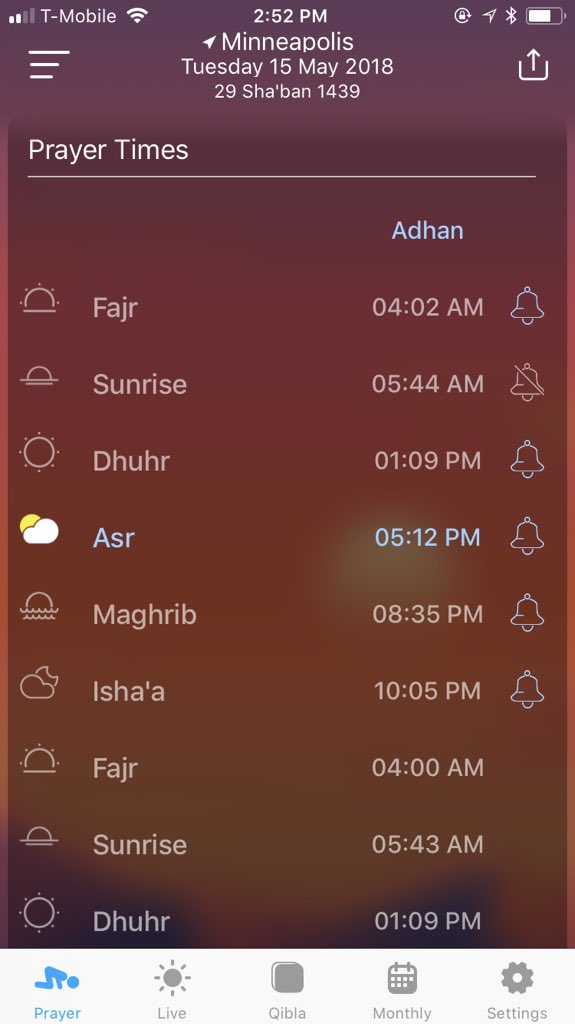
To maintain precision, local practitioners rely on specialized applications that calculate prayer times based on the specific latitude and longitude of Hennepin County. These tools often provide an option to toggle between different calculation methods, such as the ISNA or Umm al-Qura standards. By aligning your digital alerts with the local time, you can ensure that you are always in sync with the community.
Integrating Spiritual Practice into Life in the Twin Cities
The Twin Cities region is celebrated for its commitment to diversity, and this is reflected in how the city supports its various religious communities. From the serene shores of Lake Harriet to the bustling corridors of St. Paul, there is a sense of mutual respect that makes observing one’s faith a harmonious experience.
Finding Quietude in Urban Spaces
Beyond official houses of worship, the abundance of green space in Minneapolis provides many opportunities for a moment of quiet reflection. During the temperate months, the Chain of Lakes offers a peaceful backdrop for contemplation. While these outdoor settings are beautiful, always ensure that you have a portable prayer mat and a clear understanding of the direction of the Qibla to assist with your observance.
Building Connections
If you are new to the area, connecting with the Muslim American Society or local student groups at the University of Minnesota can provide you with a network of peers who understand the local challenges and opportunities for prayer. These communities often host communal dinners, particularly during Ramadan, where the breaking of the fast becomes a beautiful cultural event that bridges gaps between different demographics in Minnesota.
Practical Tips for Observance in a Busy Environment
Living or traveling in a fast-paced urban center like Minneapolis requires a blend of flexibility and organization. To make your practice seamless, consider the following suggestions:
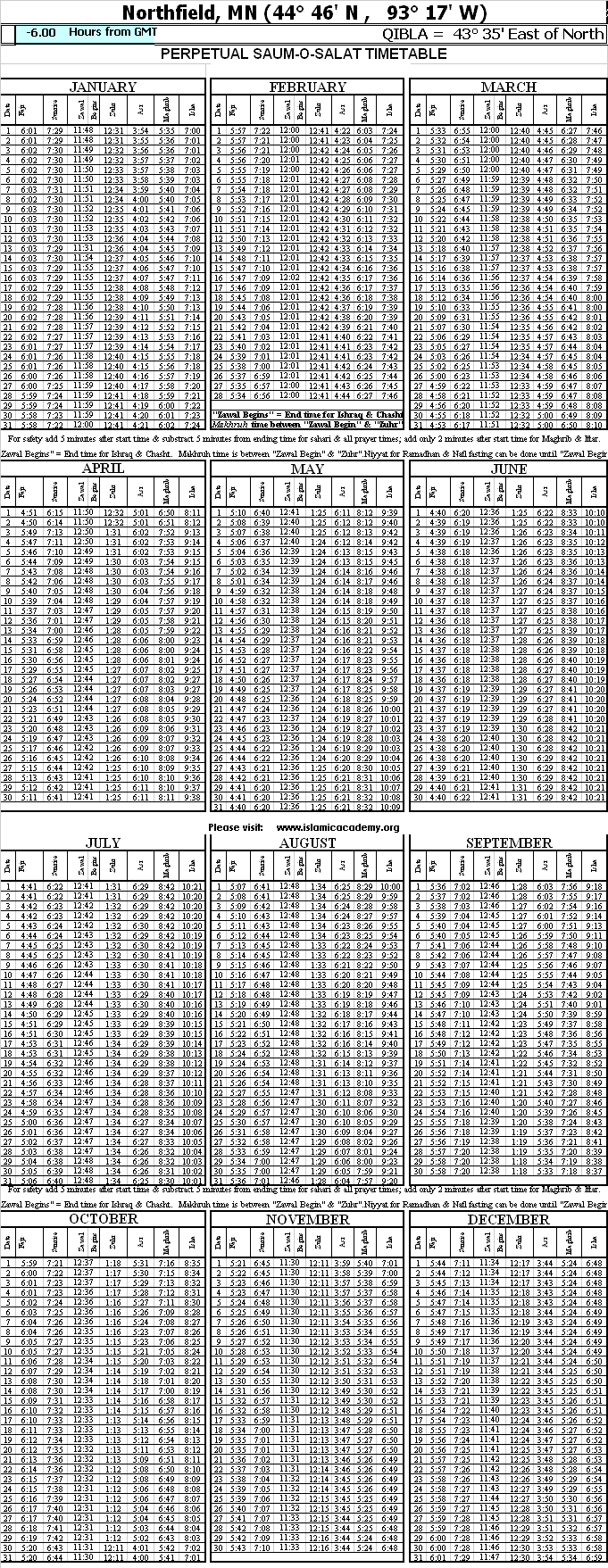
- Download Offline Timetables: While internet access is generally reliable, having a PDF or printed prayer calendar can be a lifesaver if you are heading out to more remote areas of the state or if you lose cellular service while in the basement of a large building.
- Identify Prayer-Friendly Spaces: When visiting tourist destinations like Minnehaha Falls, identify open areas that are private enough for prayer. Most public parks in the region are respectful and spacious enough to accommodate a brief pause.
- Respectful Communication: If you are staying at a hotel, don’t be afraid to ask for a room facing the Qibla or one that is away from high-traffic elevators to ensure a quiet environment. Many hotel managers are happy to accommodate requests that help their guests feel at home.
- Join a Community: By attending a local Jumu’ah prayer on Friday afternoons, you can meet long-term residents who can offer advice on the best local restaurants that offer Halal food, further integrating your lifestyle in the Midwest.
The Beauty of Diversity
The Twin Cities are not just a geographical location but a tapestry of global cultures. Whether you are a long-time resident or a traveler passing through Minneapolis, the ability to observe your faith with accuracy and ease is a testament to the city’s progress. As you look at your watch or your phone to see when the next prayer time arrives, remember that you are part of a vibrant, growing, and deeply connected global community that spans from the quiet corners of Minnesota to the farthest reaches of the world.
By staying informed about the changing solar cycles and utilizing the local resources available, you can ensure that your spiritual life remains a stable, grounding force regardless of where your travels take you. Welcome to a city that values every individual’s journey and provides the space necessary to foster peace, reflection, and community.
LifeOutOfTheBox is a participant in the Amazon Services LLC Associates Program, an affiliate advertising program designed to provide a means for sites to earn advertising fees by advertising and linking to Amazon.com. Amazon, the Amazon logo, AmazonSupply, and the AmazonSupply logo are trademarks of Amazon.com, Inc. or its affiliates. As an Amazon Associate we earn affiliate commissions from qualifying purchases.