
The history of Los Angeles is a tapestry woven with stories of cinematic dreams, architectural marvels, and, inevitably, the scars of fire. When one asks who or what started the fires that have shaped this iconic California metropolis, the answer is rarely a single entity. Instead, it is a complex intersection of natural phenomena, urban development, and the human footprint within the United States. Understanding the fire history of this region requires a look into the landscape, the historical events, and the ongoing stewardship of the land.
The Natural Dance of Flame and Flora
To understand the fires in Los Angeles, one must first look at the unique ecology of Southern California. The region is home to a Mediterranean climate, characterized by cool, wet winters and long, hot, dry summers. This environment has allowed the growth of chaparral—a biome consisting of dense, woody shrubs that have evolved to thrive in fire-prone conditions.
The Role of Santa Ana Winds
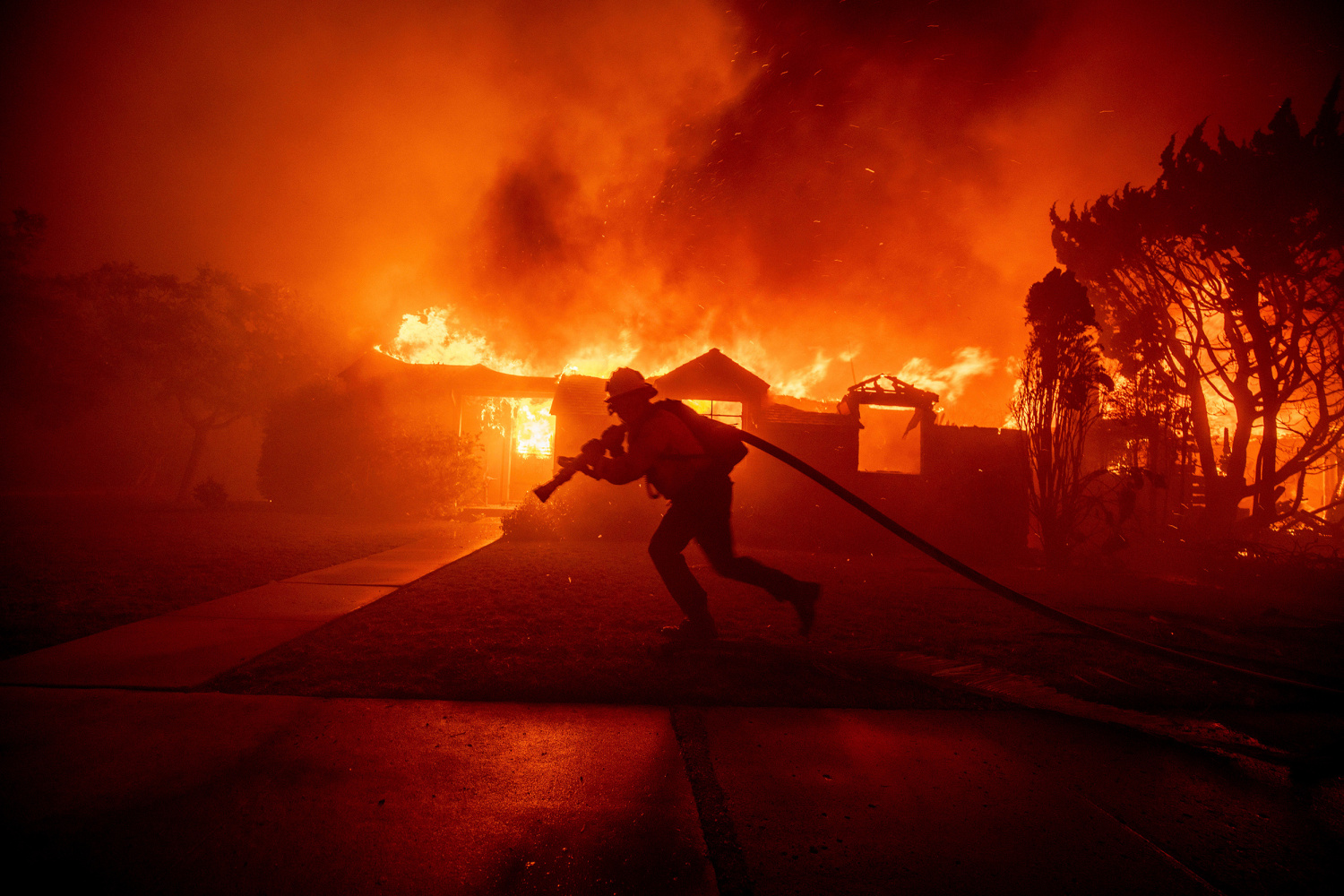
The Santa Ana Winds are the primary engine behind the major conflagrations that have defined the region’s history. These strong, hot, and dry winds blow from the high-desert interior toward the coast, essentially turning the dry hillsides into tinderboxes. When a spark occurs during these conditions, the fires move with a ferocity that often defies human containment.
Ecological Necessity vs. Urban Encroachment
Historically, fire was a natural cleansing agent for the landscape, clearing dead brush and allowing native plants to regenerate. However, as the population of Los Angeles expanded, the urban-wildland interface became a point of extreme tension. Where nature once burned in isolation, it now frequently collides with the sprawling suburbs and luxury estates tucked into the canyons of the Santa Monica Mountains.
A History of Iconic Incidents
The annals of Los Angeles history are punctuated by fire events that forced the city to redefine its relationship with safety, building codes, and landscape management.
The Bel Air Fire of 1961
One of the most transformative events in the history of the city was the Bel Air Fire. Starting in the dry brush of Stone Canyon, this fire swept through the upscale hills, destroying hundreds of homes. It was a wake-up call for Los Angeles urban planning. The disaster led to significantly stricter fire codes, which mandated the use of fire-resistant materials like tile roofs rather than wood shingles, and influenced the way modern estates in Bel Air were designed.
The Griffith Park Fire
Even the most beloved landmarks are not immune to the threats of fire. Griffith Park, the lungs of the city, has faced multiple blazes throughout the decades. The most significant of these was the 2007 Griffith Park Fire, which scarred hundreds of acres surrounding the Griffith Observatory. This event served as a sobering reminder of how vulnerable the city’s green spaces are, and it prompted a massive effort to restore the native flora and protect the architectural integrity of the Hollywood Sign and the observatory itself.

Human Impact and Responsibility
When people ask who started the fire, the answer is often a mixture of human activity and systemic risk. While climate change has certainly exacerbated the frequency and intensity of fires, human error remains a dominant cause.
The Power Grid and Infrastructure
Modern investigations into large-scale fires have frequently pointed to the aging electrical infrastructure across California. When high winds topple power lines or cause equipment to spark, the result can be catastrophic. The legal and social discourse surrounding these events has forced utility companies to implement aggressive shut-off programs during high-wind events to prevent sparks from reaching the bone-dry brush.
Negligence and Accidental Ignition
From discarded cigarettes to unattended campfires in the Angeles National Forest, a significant percentage of fire starts are tied to human carelessness. The recreational use of these outdoor spaces is a major pillar of the tourism economy in Los Angeles, yet it brings millions of people into high-risk zones. The state has responded with rigorous public awareness campaigns, signage, and restricted access to trails during periods of high fire danger.
Living with the Threat: Resilience and Mitigation
Despite the recurring nature of these fires, the city remains one of the most vibrant destinations in the world. How has Los Angeles learned to live with this perpetual threat?
Landscape Design and Defensible Space
Contemporary architecture in Los Angeles focuses heavily on “defensible space.” This is a concept where the vegetation surrounding a structure is managed to reduce the intensity of a fire. Property owners are increasingly encouraged—and often required—to replace invasive, flammable plants with native, drought-resistant species that act as a natural firebreak.
The Role of Technology
Technological advancements have revolutionized how the city responds to threats. Today, the Los Angeles Fire Department utilizes satellite imagery, drone surveillance, and predictive modeling to track fire behavior in real-time. This allows for faster evacuations and more strategic placement of firefighting resources before a small spark can grow into a disaster.

A Community Commitment
Ultimately, the safety of Los Angeles depends on the awareness of its residents and visitors. Educated travelers who respect trail closures, observe fire bans, and practice “leave no trace” principles contribute significantly to the preservation of the landscape. The city’s resilience is not found in a single solution, but in the collective commitment to balance the allure of the wilderness with the realities of living in a Mediterranean climate.
As we look toward the future, the fires of Los Angeles serve as a constant reminder of the dynamic nature of our world. By understanding the history—from the Santa Monica Mountains to the coastal plains—we gain a deeper appreciation for the delicate balance between urban progress and the wild beauty that defines this storied corner of the United States. Whether it is the history of a landmark, the planning of a neighborhood, or the simple act of visiting, recognizing the fire-prone reality of the region is the first step in ensuring that the spirit of Los Angeles continues to shine bright for generations to come.
LifeOutOfTheBox is a participant in the Amazon Services LLC Associates Program, an affiliate advertising program designed to provide a means for sites to earn advertising fees by advertising and linking to Amazon.com. Amazon, the Amazon logo, AmazonSupply, and the AmazonSupply logo are trademarks of Amazon.com, Inc. or its affiliates. As an Amazon Associate we earn affiliate commissions from qualifying purchases.