
Navigating the temporal landscape of a state can be surprisingly complex, especially when that state, like Idaho, straddles more than one time zone. This multifaceted destination, known for its stunning natural beauty, vibrant outdoor adventures, and rich cultural tapestry, presents a unique challenge for travelers, business professionals, and residents alike. Understanding which time zone applies to your specific location within Idaho is crucial for seamless planning, whether you’re booking a stay at a luxurious resort, mapping out a road trip to explore its iconic landmarks, or simply trying to coordinate a meeting in one of its bustling cities.

Idaho’s geographical expanse, stretching from the rugged peaks of the Rocky Mountains to the fertile plains of the Snake River Valley, necessitates a pragmatic approach to timekeeping. The state’s dual time zone designation is not an arbitrary decision but a reflection of its historical development and its connections to neighboring states and major economic hubs. This guide aims to demystify the time zone situation in Idaho, providing clarity and practical advice for anyone interacting with the state. We’ll delve into the specifics of each time zone, explore the reasons behind this division, and offer tips on how to stay on track during your visit or business endeavors. From the bustling streets of Boise to the serene beauty of Coeur d’Alene, knowing the correct time is the first step to truly experiencing all that Idaho has to offer.
Understanding Idaho’s Time Zone Division
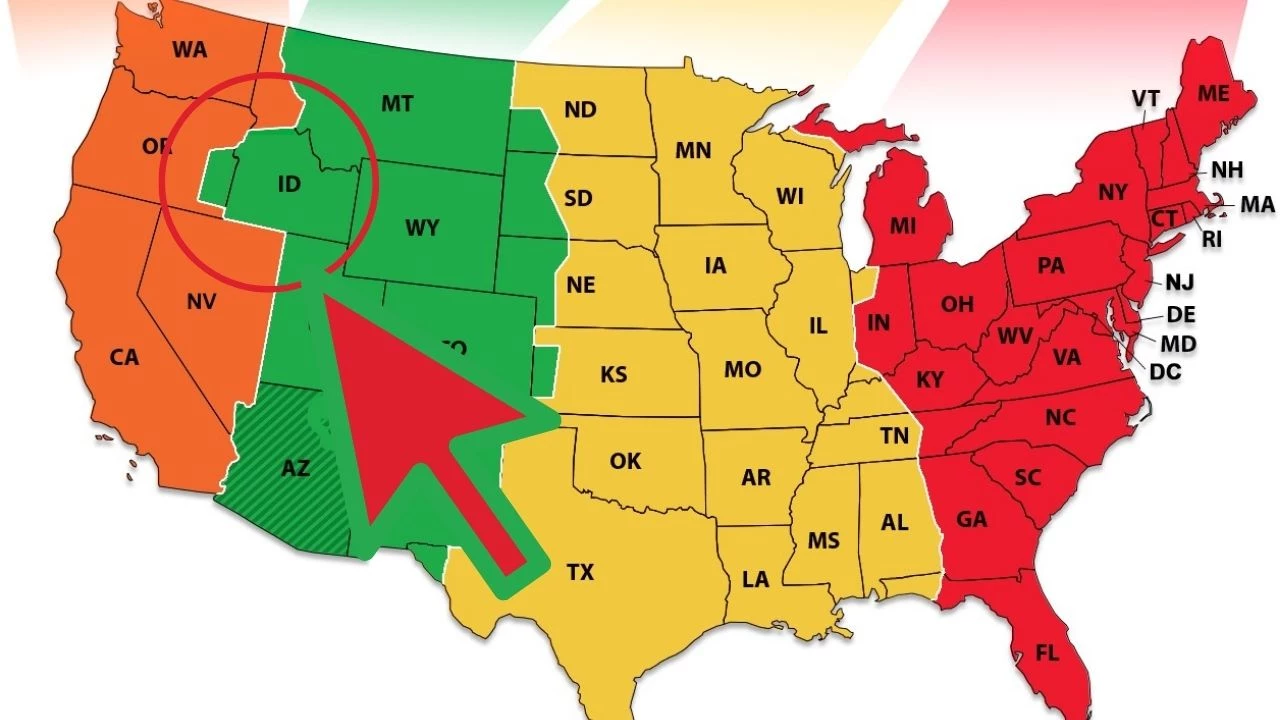
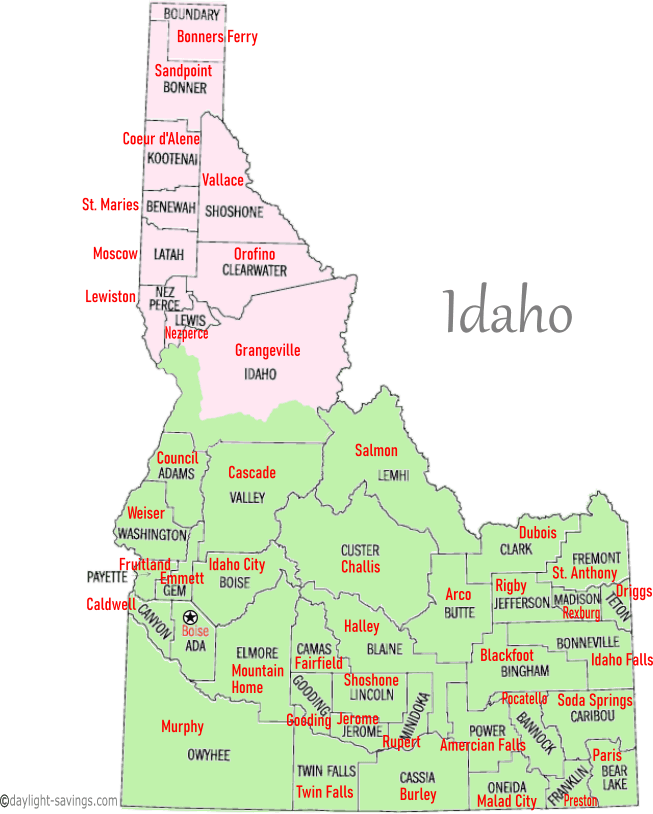
Idaho is unique among its United States counterparts in that it is divided into two distinct time zones: the Mountain Time Zone (MT) and the Pacific Time Zone (PT). This division is not a recent development but has roots in the state’s historical and economic connections. The Mountain Time Zone generally encompasses the eastern two-thirds of the state, while the Pacific Time Zone governs the westernmost part.
The Mountain Time Zone in Idaho
The majority of Idaho operates under the Mountain Time Zone. This includes major population centers and vast stretches of the state’s iconic natural landscapes. Cities such as Boise, the state capital and largest city, Meridian, Nampa, Idaho Falls, and Pocatello all fall within MT. When you are in these areas, you will be observing either Mountain Standard Time (MST) during the winter months or Mountain Daylight Time (MDT) during the warmer months when daylight saving time is in effect. MDT is UTC-6, and MST is UTC-7.
This region of Idaho is renowned for its diverse attractions. For outdoor enthusiasts, the Sawtooth National Recreation Area and the Frank Church-River of No Return Wilderness offer unparalleled opportunities for hiking, camping, and wildlife viewing. Ski resorts like Sun Valley also draw crowds during the winter season. For those interested in history and culture, Idaho boasts fascinating museums and historical sites, such as the Old Idaho Penitentiary State Historic Site in Boise. The economic activities in this part of the state are also diverse, ranging from agriculture in the Snake River Plain to technology and government sectors in Boise.
The Pacific Time Zone in Idaho
A smaller, western portion of Idaho adheres to the Pacific Time Zone. This segment is primarily characterized by the panhandle region, including popular destinations like Coeur d’Alene, Sandpoint, and St. Maries. Similar to MT, Idaho‘s portion of PT observes Pacific Daylight Time (PDT) during daylight saving periods and Pacific Standard Time (PST) otherwise. PDT is UTC-7, and PST is UTC-8.
This region of Idaho is particularly famous for its stunning lakes and forests. Lake Coeur d’Alene, a jewel of the Idaho Panhandle, is a major draw for boating, fishing, and lakeside recreation. The surrounding Selkirk Mountains provide a picturesque backdrop for hiking and skiing. The proximity to the Canadian border also influences the cultural and economic landscape of this area. Travelers visiting or conducting business in cities like Coeur d’Alene will need to be mindful of this time zone difference.
Navigating Time Zone Transitions and Travel
For travelers, understanding Idaho‘s time zone division is paramount to avoiding confusion and ensuring a smooth experience. Whether you’re flying into Boise Airport or driving across the state, being aware of the time zone changes will prevent missed flights, appointments, or reservations.
Planning Your Itinerary Across Time Zones
When planning an itinerary that spans both time zones within Idaho, it’s essential to factor in the one-hour difference. For instance, if you have a business meeting scheduled in Boise at 9:00 AM MST, and you need to be in Coeur d’Alene for an event at 11:00 AM PST, you will need to depart Boise considerably earlier than a simple two-hour window might suggest. A departure at 8:00 AM MST from Boise would mean you arrive in Coeur d’Alene at 10:00 AM PST, giving you an hour to spare. Always double-check the time zone of your destination and any connecting points.
When booking accommodation, such as hotels or apartments, be sure to verify the local time zone of the establishment. Most booking platforms will display times in the local zone, but it’s always wise to confirm. For example, a reservation at the Inn at Seven Devils near Riggins would be in MT, while a stay at a lakeside rental in Sandpoint would be in PT. This detail is crucial for coordinating check-in times and any planned activities.
Practical Tips for Time Zone Awareness
- Device Synchronization: Most modern smartphones and smartwatches automatically adjust to local time zones when you travel. However, it’s a good practice to manually check your device’s settings upon arrival in a new time zone or when crossing the Idaho time zone boundary.
- Communication: When communicating with individuals or businesses in Idaho, always clarify the time zone they are operating in. A simple “What time zone are you in?” can save significant misunderstandings. For example, if you are coordinating a call from Oregon (PT) with someone in Idaho Falls (MT), be explicit about the time, e.g., “Let’s talk at 10:00 AM Pacific Time.”
- Travel Apps: Utilize travel apps that provide real-time location and time zone information. Many navigation apps will also alert you when you are crossing a time zone boundary.
- Event Confirmations: For events, tours, or dining reservations, always confirm the local time in the specific city or area you will be visiting. This is particularly important if you are attending events at popular landmarks or participating in guided tours.
- Daylight Saving Time: Remember that both MT and PT observe Daylight Saving Time. The start and end dates for Daylight Saving Time are generally synchronized across the United States, but it’s always good to be aware of these seasonal shifts.
Experiencing Idaho: Destinations and Activities
The temporal intricacies of Idaho are a small detail in the grand tapestry of experiences it offers. From the vibrant culture of its cities to the serene solitude of its natural wonders, Idaho is a destination that caters to a wide range of interests and lifestyles.
Eastern Idaho: The Heart of Mountain Time
Eastern Idaho is a land of dramatic landscapes and captivating geological formations. Yellowstone National Park, while primarily in Wyoming, has an Idaho entrance, offering visitors a gateway to its geothermal wonders and abundant wildlife. The city of Idaho Falls is a hub for exploring the region, with attractions like the Tautphaus Park Zoo and the Museum of Idaho. For history buffs, the Lava Hot Springs offer a glimpse into the area’s past and a chance for relaxation.
The agricultural heritage of eastern Idaho is also a significant part of its identity. Exploring the vast farmlands and experiencing local produce can be a delightful culinary adventure. Resorts and hotels in this region, such as those near Grand Teton National Park, offer a range of amenities to suit different travel preferences, from luxurious suites to comfortable family rooms.
Western Idaho: The Pacific Panhandle Charm
The Idaho Panhandle is defined by its breathtaking lakes and dense forests, offering a distinct experience from the rest of the state. Coeur d’Alene is the undisputed gem of this region, offering a picturesque lakefront setting, a vibrant downtown, and access to numerous outdoor activities. The Hiawatha Trail, a scenic bike path, is a popular attraction for its impressive trestle bridges and tunnels.
For those seeking a more adventurous lifestyle, the surrounding wilderness offers opportunities for skiing, snowboarding, and backcountry exploration. Sandpoint, another charming town in the panhandle, is known for its proximity to Schweitzer Mountain Resort, a premier ski destination. Whether you’re looking for a luxury resort experience or a cozy cabin for a long-term stay, the Pacific Time Zone side of Idaho offers a wealth of accommodation options.
Regardless of which time zone you find yourself in, Idaho promises an unforgettable journey filled with natural splendor, outdoor adventure, and rich cultural experiences. Understanding the time zones is simply a small but vital piece of the puzzle that makes planning your Idaho adventure a breeze.
LifeOutOfTheBox is a participant in the Amazon Services LLC Associates Program, an affiliate advertising program designed to provide a means for sites to earn advertising fees by advertising and linking to Amazon.com. Amazon, the Amazon logo, AmazonSupply, and the AmazonSupply logo are trademarks of Amazon.com, Inc. or its affiliates. As an Amazon Associate we earn affiliate commissions from qualifying purchases.