
Understanding the climate of Sarasota, Florida is paramount for anyone planning a visit or considering a move to this picturesque Gulf Coast destination. The temperature, alongside other climatic factors, dictates the type of experiences available, from basking on sun-drenched beaches to enjoying vibrant cultural events. Sarasota boasts a humid subtropical climate, characterized by warm to hot summers and mild winters. This consistent warmth makes it an attractive year-round destination, though visitors will find distinct variations in temperature and humidity throughout the year.
Seasonal Temperature Variations in Sarasota
The allure of Sarasota, Florida is often tied to its pleasant climate, offering a welcome respite from colder regions for much of the year. However, a nuanced understanding of the seasonal temperature shifts is crucial for optimizing any travel plans. From the sweltering heat of summer to the gentle breezes of winter, each season brings its own unique atmospheric conditions that shape the visitor experience.
Summer: Embracing the Heat and Humidity
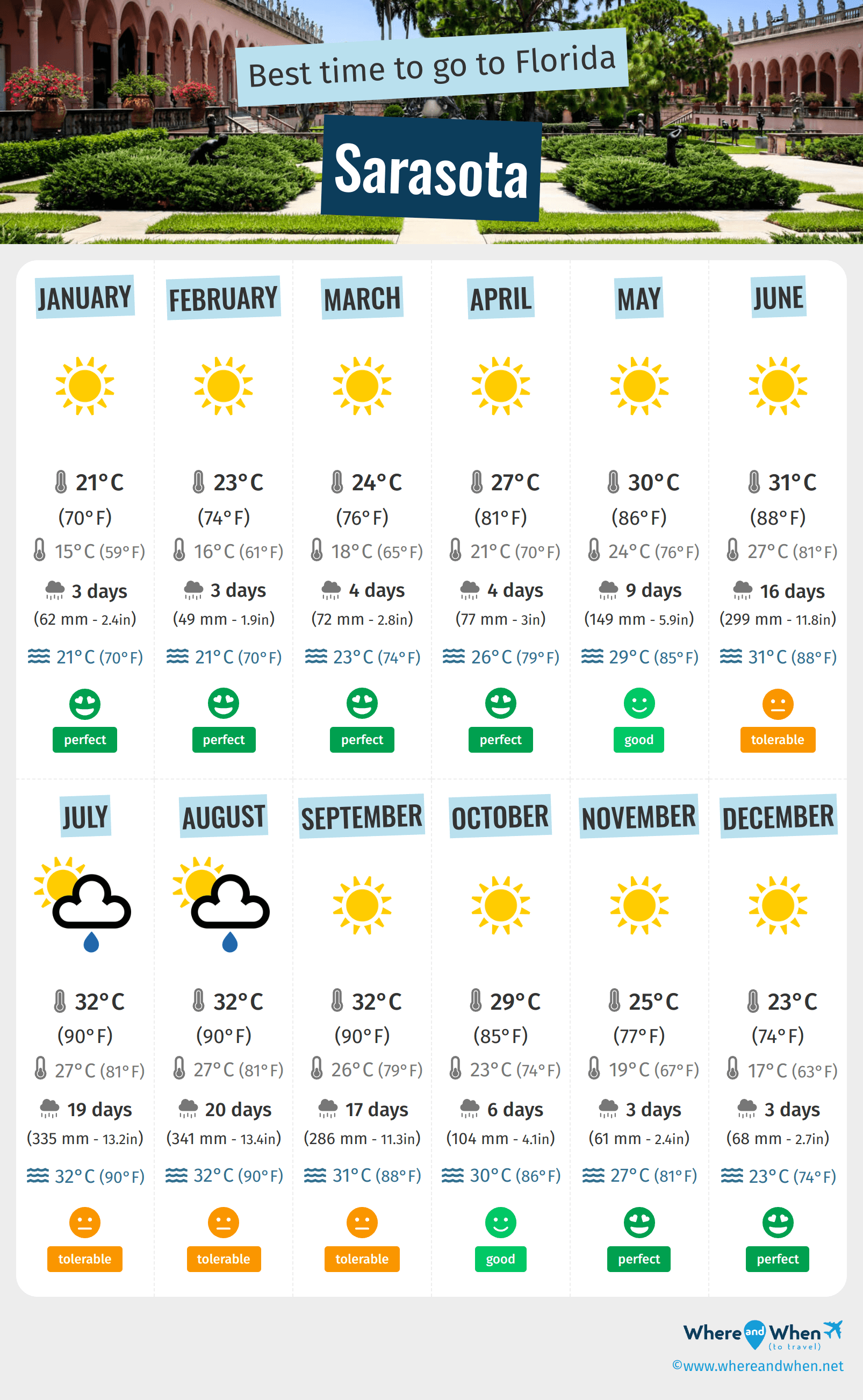
The summer months in Sarasota, Florida, typically from June through September, are defined by high temperatures and significant humidity. Average daily temperatures often hover in the high 80s Fahrenheit (around 30-32 degrees Celsius), with daytime highs frequently reaching into the low 90s Fahrenheit (33-34 degrees Celsius). Nights offer little relief, with temperatures often remaining in the high 70s or low 80s Fahrenheit (26-27 degrees Celsius). The humidity level can make these temperatures feel even more intense, a characteristic feature of Florida’s summer.
This period is also marked by frequent, albeit usually brief, afternoon thunderstorms. These storms are a natural consequence of the intense solar heating of the land and sea, and they typically bring a temporary drop in temperature and a surge of refreshing moisture. While the heat and humidity can be demanding, they are also the backdrop for classic summer activities. Visitors can enjoy extended periods at the beach, taking advantage of the warm Gulf waters for swimming and water sports. Evenings can be spent exploring the vibrant dining scene in areas like downtown Sarasota or enjoying outdoor entertainment. It’s advisable to stay hydrated, seek shade during peak sun hours, and embrace the refreshing nature of the summer rains.
Autumn: A Gentle Transition to Cooler Days
As the calendar turns to autumn, from October to November, Sarasota, Florida experiences a delightful shift in its climate. The oppressive heat and humidity of summer begin to recede, giving way to more comfortable and pleasant conditions. Average daily temperatures start to fall into the mid-70s Fahrenheit (around 24 degrees Celsius), with daytime highs generally ranging from the mid-70s to low 80s Fahrenheit (24-28 degrees Celsius). Nighttime temperatures become noticeably cooler, often dropping into the 60s Fahrenheit (15-20 degrees Celsius), making evenings ideal for leisurely strolls or outdoor dining.
This transition period is a favorite among many visitors and locals alike. The humidity significantly decreases, making the warmer temperatures much more bearable. The skies are often clear and blue, and the gentle sea breeze provides a welcome natural air conditioning. Autumn is a prime time for outdoor exploration. Many of the popular attractions, such as Siesta Key Beach and St. Armands Circle, become even more enjoyable without the intense summer heat. It’s also an excellent time for visiting local parks, exploring the Marie Selby Botanical Gardens, or taking a boat tour around Sarasota Bay. The slightly cooler temperatures make it perfect for exploring the unique shops and galleries that dot the city.
Winter: Mild and Inviting
The winter months in Sarasota, Florida, spanning December through February, are renowned for their mild and inviting temperatures. This is a significant draw for individuals seeking to escape colder climates. Average daily temperatures typically range from the mid-60s to low 70s Fahrenheit (18-23 degrees Celsius), with daytime highs often in the high 60s to low 70s Fahrenheit (20-22 degrees Celsius). Evenings are cool but rarely cold, with temperatures usually in the 50s Fahrenheit (10-15 degrees Celsius). Frost is an exceedingly rare occurrence.
The humidity is at its lowest during this period, contributing to the crisp and comfortable air. While it’s not beach weather for extended sunbathing sessions for everyone, the mild temperatures are perfect for active pursuits. Visitors can enjoy long walks on the beach, cycling along the scenic coastal paths, or exploring the natural beauty of places like the Myakka River State Park. The cultural scene in Sarasota also thrives during the winter months, with numerous performances at the Van Wezel Performing Arts Hall and various art exhibitions. The pleasant weather makes it an ideal time to discover the city’s culinary delights or explore its historic districts without the need for heavy winter clothing.
Spring: A Perfect Balance of Warmth and Sunshine
Spring in Sarasota, Florida, typically from March through May, offers a delightful continuation of the pleasant weather experienced in winter, with temperatures gradually warming towards summer levels. Average daily temperatures climb from the low 70s Fahrenheit (around 21 degrees Celsius) in March to the mid-70s Fahrenheit (around 24 degrees Celsius) by May. Daytime highs can range from the low 70s to the low 80s Fahrenheit (22-28 degrees Celsius), while evenings remain mild, typically in the 60s Fahrenheit (15-20 degrees Celsius).
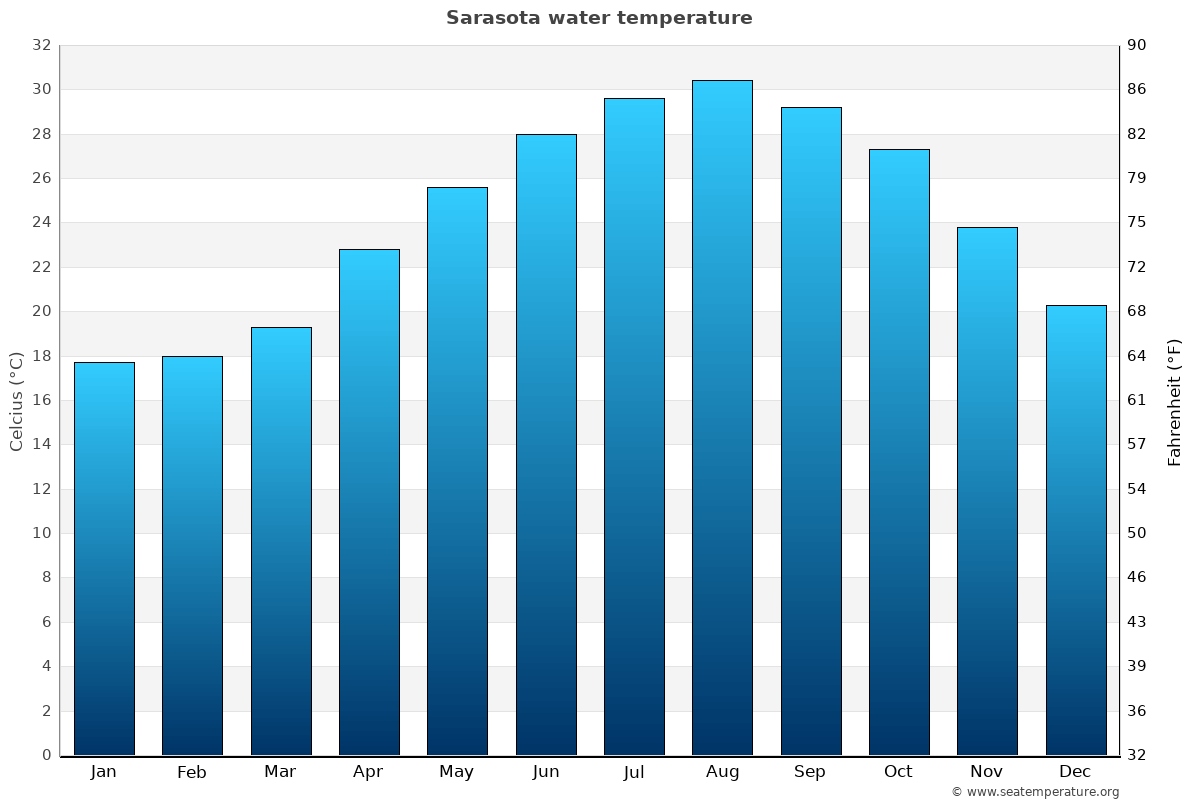
Humidity levels begin to rise slowly but remain generally comfortable, especially in the earlier spring months. This season is characterized by abundant sunshine and a refreshing sea breeze, making it an incredibly popular time to visit. The warm waters of the Gulf are inviting for swimming and a multitude of water sports, and the beaches, such as Lido Key Beach, are at their most appealing. Spring is also a fantastic time for outdoor activities and exploring the numerous natural reserves and parks surrounding Sarasota. The city’s calendar is often filled with festivals and outdoor events, taking full advantage of the near-perfect weather. It’s an ideal period for enjoying the outdoor lifestyle that Sarasota is famous for, from kayaking through mangrove tunnels to simply relaxing on the soft, white sands.
Average Monthly Temperatures and Precipitation
To further refine your understanding of Sarasota, Florida’s climate, examining average monthly temperatures and precipitation patterns provides valuable insights for planning your visit. While generalizations about seasons are helpful, specific monthly data allows for more precise itinerary construction and packing decisions.
Understanding Temperature Ranges
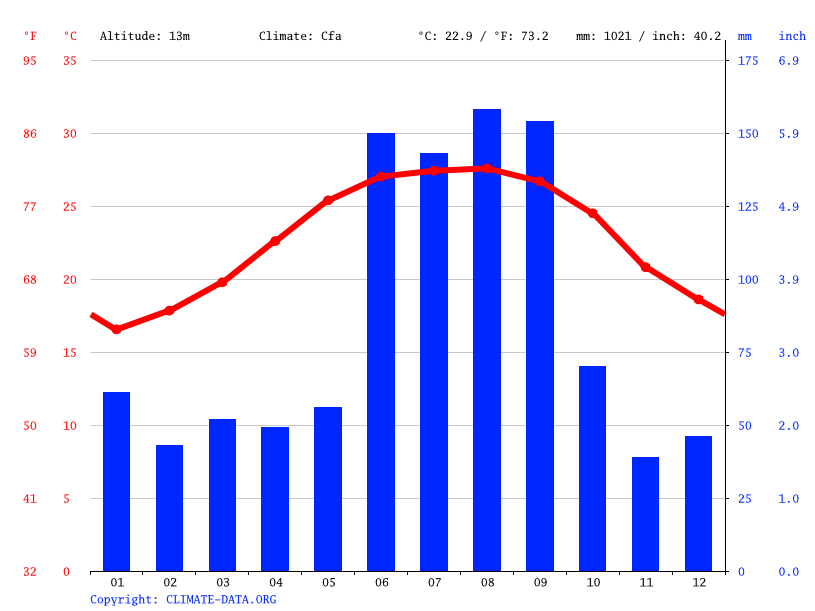
The average daily temperature in Sarasota, Florida showcases a clear seasonal progression. For instance, January typically sees average daily temperatures around 65°F (18°C), climbing steadily through the spring to reach averages in the high 70s°F (around 26°C) by May. Summer months, June through August, consistently average in the high 70s to low 80s°F (26-28°C), with daily highs frequently exceeding 90°F (32°C). As autumn approaches, temperatures begin to moderate, with September still feeling warm but gradually cooling into the comfortable 70s°F (21-26°C) by November. The coolest average temperatures are found in January and February, typically in the mid-60s°F (18-19°C). It’s important to remember these are averages, and actual temperatures can fluctuate, with occasional cold fronts in winter or heat waves in summer.
Precipitation Patterns and Their Impact
Sarasota, Florida experiences a distinct wet season and a dry season, directly influenced by its subtropical climate. The wet season generally runs from June through September, coinciding with the hottest months. During this period, the region receives the majority of its annual rainfall, often in the form of intense, localized afternoon thunderstorms. These storms can bring heavy downpours and lightning but are typically short-lived, often clearing up to leave sunny skies. Monthly rainfall can easily exceed 8 inches (200 mm) during these summer months.
The dry season extends from roughly October through May. While some rain is still possible, the frequency and intensity decrease significantly. The cooler, drier air masses from the north have a greater influence during these months. This period is characterized by more consistent sunshine and lower humidity. Even during the dry season, occasional fronts can bring light to moderate rainfall, but prolonged periods of rain are uncommon. The total annual rainfall for Sarasota, Florida averages around 50-60 inches (1270-1520 mm), with the bulk of it concentrated in the summer months. Understanding these precipitation patterns is crucial for planning outdoor activities and packing appropriately, with rain gear being more essential during the summer and early autumn.
Preparing for Sarasota’s Climate: Tips for Visitors
When planning a trip to Sarasota, Florida, understanding its temperature patterns is key to ensuring a comfortable and enjoyable experience. Whether you’re anticipating sun-drenched beach days or cooler evening strolls, a bit of preparation goes a long way.
Packing Essentials for Every Season
The diverse range of temperatures and humidity levels throughout the year in Sarasota, Florida calls for a versatile wardrobe. For summer visits, lightweight, breathable clothing is paramount. Think cotton t-shirts, linen shorts, and sundresses. A wide-brimmed hat and high-SPF sunscreen are non-negotiable to protect against the strong Florida sun. Don’t forget swimwear, as the warm Gulf waters are incredibly inviting. A light rain jacket or poncho is also advisable for those sudden afternoon showers.
As temperatures cool in autumn and winter, layers become more important. While heavy winter coats are rarely needed, a light to medium sweater or jacket will be useful for cooler evenings and mornings. Long pants and long-sleeved shirts become more practical. Comfortable walking shoes are essential year-round, whether you’re exploring the shops on St. Armands Circle or taking a nature walk in one of the local parks. Spring offers a transition, where a mix of summer and autumn attire works well, with layers being a good strategy for fluctuating temperatures. Always check the specific forecast closer to your travel dates for the most accurate guidance.
Activities Aligned with Temperature Conditions
The temperature in Sarasota, Florida directly influences the best activities to enjoy at different times of the year. During the hotter summer months, prioritize water-based activities. Spending your days at the beach, swimming in the ocean, or enjoying water sports like paddleboarding and kayaking are ideal ways to stay cool. Indoor attractions, such as the Ringling Museum of Art or the many art galleries and boutiques in the Rosemary District, offer a welcome respite from the heat. Evenings are perfect for enjoying outdoor dining on patios or taking a sunset cruise.
As the temperatures become milder in autumn and spring, the opportunities for outdoor exploration expand significantly. This is the perfect time for cycling tours, visiting nature preserves like Myakka River State Park, or taking extensive walks through the charming streets of downtown Sarasota. The cooler winter months are excellent for exploring historical sites, attending outdoor markets, and enjoying cultural performances at venues like the Asolo Repertory Theatre. Regardless of the season, embracing the outdoor lifestyle is central to the Sarasota experience, and understanding the temperature will help you maximize your enjoyment of its many offerings.
LifeOutOfTheBox is a participant in the Amazon Services LLC Associates Program, an affiliate advertising program designed to provide a means for sites to earn advertising fees by advertising and linking to Amazon.com. Amazon, the Amazon logo, AmazonSupply, and the AmazonSupply logo are trademarks of Amazon.com, Inc. or its affiliates. As an Amazon Associate we earn affiliate commissions from qualifying purchases.