
Arizona, a state renowned for its breathtaking desert landscapes, iconic natural wonders like the Grand Canyon, and vibrant cultural heritage, presents a unique characteristic that often catches travelers by surprise: its observance of time. Unlike most of the United States, Arizona does not participate in Daylight Saving Time (DST). This distinctive practice has significant implications for anyone planning a trip to the state, whether for leisure or business, impacting everything from flight schedules and tour bookings to simply coordinating with locals. Understanding Arizona’s time zone status is crucial for a seamless travel experience.
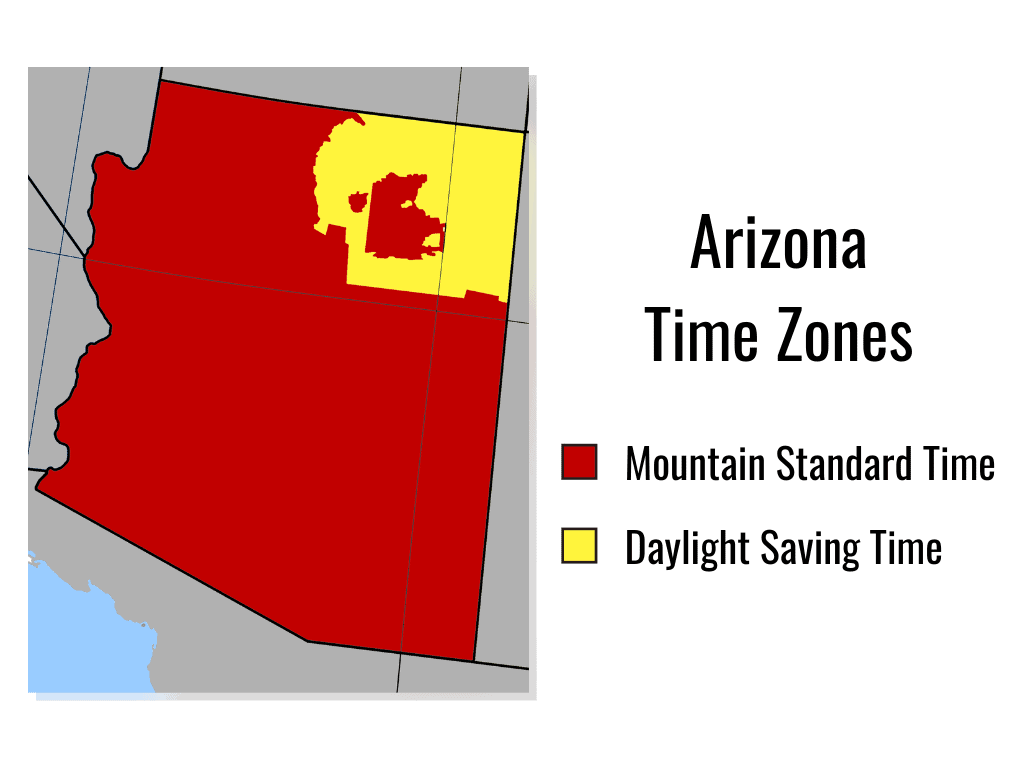
The primary reason for Arizona’s exemption from Daylight Saving Time lies in historical and practical considerations. The state’s vast desert expanses experience intense heat during the summer months, and the prevailing belief was that extending daylight into the evening would only exacerbate these already scorching temperatures. By remaining on Mountain Standard Time (MST) year-round, Arizona essentially aligns itself with the time observed by its neighboring Mountain Time Zone states during the winter months. However, this decision creates a fascinating temporal anomaly during the spring, summer, and fall when the rest of the Mountain Time Zone observes Mountain Daylight Time (MDT).
Navigating Arizona’s Unique Time Zone Status
The decision by Arizona to opt out of Daylight Saving Time is a point of interest that affects various aspects of travel and daily life within the state. For tourists, this means a consistent time experience regardless of the season, but it also requires careful attention when comparing schedules with other parts of the country.
The Nuances of Mountain Standard Time in Arizona
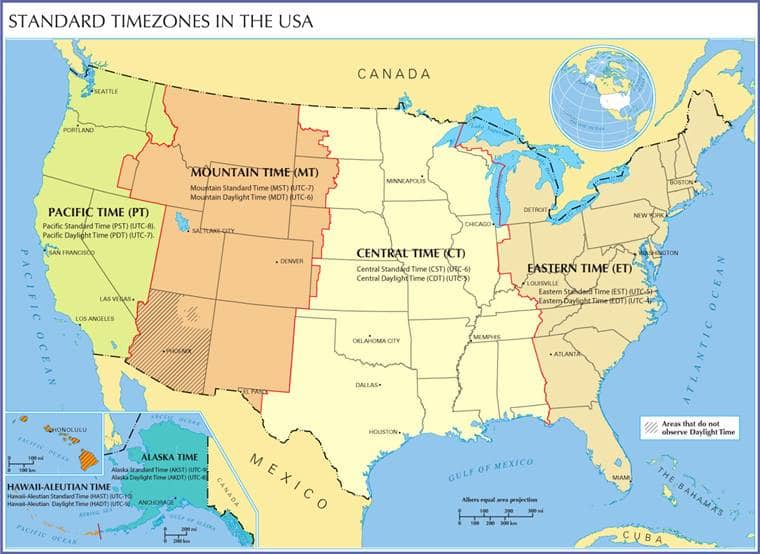
Arizona officially operates on Mountain Standard Time (MST) throughout the entire year. This means that during the period when most of the United States observes Daylight Saving Time, Arizona is effectively one hour behind the neighboring states that do adhere to DST. For example, if it is 3:00 PM MDT in Denver, Colorado, it will be 2:00 PM MST in Phoenix, Arizona. This can lead to a unique situation where Arizona observes MST while its immediate eastern neighbor, New Mexico, observes MDT for a significant portion of the year.
This time difference is particularly important to consider when booking flights into or out of Arizona airports, such as Phoenix Sky Harbor International Airport. Airlines operate on a specific time basis, and understanding whether your flight time is listed in MST or MDT (if flying from a DST-observing location) is essential to avoid missing your connection or arriving at an unexpected hour. Similarly, tour operators, hotel check-in/check-out times, and even restaurant reservations need to be cross-referenced with the local Arizona time.
The Navajo Nation Exception
While the majority of Arizona adheres strictly to MST year-round, there is a notable exception: the Navajo Nation. The Navajo Nation is unique in that it does observe Daylight Saving Time. This means that during the DST period, the Navajo Nation, which encompasses large parts of northeastern Arizona, will be on Mountain Daylight Time (MDT), aligning with states like Utah and Colorado.
This creates a temporal border within Arizona itself. Traveling from a region within the Navajo Nation to another part of Arizona outside of it, or vice versa, during DST will involve crossing a one-hour time difference. This can be particularly disorienting if you are not aware of it. For instance, visiting popular attractions within the Navajo Nation, such as Monument Valley, would require adjusting your watch if you are coming from or going to areas like Flagstaff or Tucson. Tour bookings within the Navajo Nation will likely be based on MDT during the DST period, while tours in other parts of Arizona will remain on MST. It is always advisable to confirm the local time when making arrangements within or near the Navajo Nation.

Planning Your Arizona Adventure: Time Zone Considerations for Travelers
Understanding Arizona’s time zone practices is not merely an academic exercise; it’s a practical necessity for anyone looking to experience the best of what the state has to offer. From the majestic beauty of the Grand Canyon to the vibrant arts scene in Sedona, every planned activity, accommodation, and travel itinerary can be subtly influenced by the consistent temporal footprint of Arizona.
Accommodation and Travel Logistics
When booking accommodation in cities like Phoenix, Scottsdale, or even smaller towns like Sedona, the check-in and check-out times will consistently reflect MST. This simplifies things in one regard, as you don’t need to mentally adjust for seasonal changes within the state itself. However, when comparing hotel rates or availability with hotels in neighboring states like California (which observes Pacific Daylight Time, PDT, during DST) or Colorado (which observes MDT), remember that Arizona will be one hour behind these locations during the DST months. This can affect flight connections if you are flying into or out of an Arizona airport from a DST-observing state.
For those seeking to explore the diverse attractions, from the stunning red rocks of Sedona to the historic streets of Tombstone, tour operators will typically list their tour times in MST. If you are making a day trip from a DST-observing area or coming from a different time zone, ensure you clarify the departure time in local Arizona time. This is especially true for sunrise or sunset tours, where precise timing is crucial to capture the most breathtaking views.
Embracing the Arizona Lifestyle
The unique time zone status of Arizona contributes to its distinct lifestyle, particularly during the warmer months. The consistent MST means that evenings in Phoenix and the surrounding desert areas remain cooler for longer during the summer, as the sun sets at a time that aligns with MST. This allows for more outdoor dining and evening activities without the added heat that DST might otherwise prolong into the later hours. Many resorts in Scottsdale and Sedona design their evening entertainment and pool hours with this in mind, offering guests a more comfortable experience.
This consistency also plays a role in local culture and business operations. Local businesses, from small boutiques in Jerome to larger enterprises in Tucson, operate on a predictable schedule year-round, simplifying inter-business communications and planning within the state. For visitors, this means that the “when” of their Arizona experience remains largely constant, allowing them to focus on the “what” and “where” of their exploration, from the historic missions in southern Arizona to the scenic drives along the Apache Trail.
The Impact on Business and Long-Term Stays
For individuals undertaking business trips or long-term stays in Arizona, the consistent time zone offers a degree of predictability. Business meetings scheduled in Phoenix will always be at the same clock time relative to other MST locations, regardless of the season. This can simplify coordination with national or international partners who may be operating under different DST schedules.
When considering long-term accommodation options, such as apartments or villas, understanding the local time is simply part of settling into the rhythm of the state. There’s no need to factor in seasonal shifts in daylight hours for your daily routine. This stability can be particularly appealing for digital nomads or extended tourists who value routine and predictability in their environment.
In conclusion, Arizona’s decision to remain on Mountain Standard Time year-round is a defining characteristic that travelers should be aware of. While it simplifies some aspects of planning, it also requires attention to detail when coordinating with the rest of the country, especially during Daylight Saving Time. By understanding this unique temporal landscape, visitors can ensure a smoother, more enjoyable journey through the captivating beauty and rich culture of the Grand Canyon State. Whether you are marveling at the geological wonders of the Grand Canyon, indulging in the luxurious resorts of Scottsdale, or immersing yourself in the vibrant local cuisine, being time-zone savvy will undoubtedly enhance your Arizona experience.
LifeOutOfTheBox is a participant in the Amazon Services LLC Associates Program, an affiliate advertising program designed to provide a means for sites to earn advertising fees by advertising and linking to Amazon.com. Amazon, the Amazon logo, AmazonSupply, and the AmazonSupply logo are trademarks of Amazon.com, Inc. or its affiliates. As an Amazon Associate we earn affiliate commissions from qualifying purchases.