
Planning a trip to the Grand Canyon State often involves delving into the myriad attractions, breathtaking landscapes, and vibrant cities like Phoenix and Tucson. However, a crucial detail that many travelers might overlook, yet one that significantly impacts their itinerary, is Arizona‘s unique time zone status. Unlike most of the United States, Arizona largely does not observe Daylight Saving Time (DST). This seemingly minor detail can lead to confusion for visitors, affecting everything from flight schedules to coordinating tours and communicating with those outside the state. Understanding Arizona’s time zone is paramount for a seamless and stress-free travel experience, ensuring that every precious moment in this stunning Southwestern destination is maximized.

Understanding Arizona’s Unique Time Zone Status
Arizona’s decision to forego Daylight Saving Time stems from practical considerations rooted in its climate. With its intensely hot summers, particularly in Phoenix and Tucson, shifting daylight hours later into the evening would mean even more intense sunlight during what would traditionally be prime evening activity hours. By remaining on Mountain Standard Time (MST) year-round, the state aligns its daily rhythms more naturally with its environment, allowing residents and visitors alike to enjoy cooler morning and early evening hours. This consistent approach simplifies planning within the state, but it requires a careful eye for anyone crossing its borders or communicating with regions that do observe DST.
Mountain Standard Time Year-Round
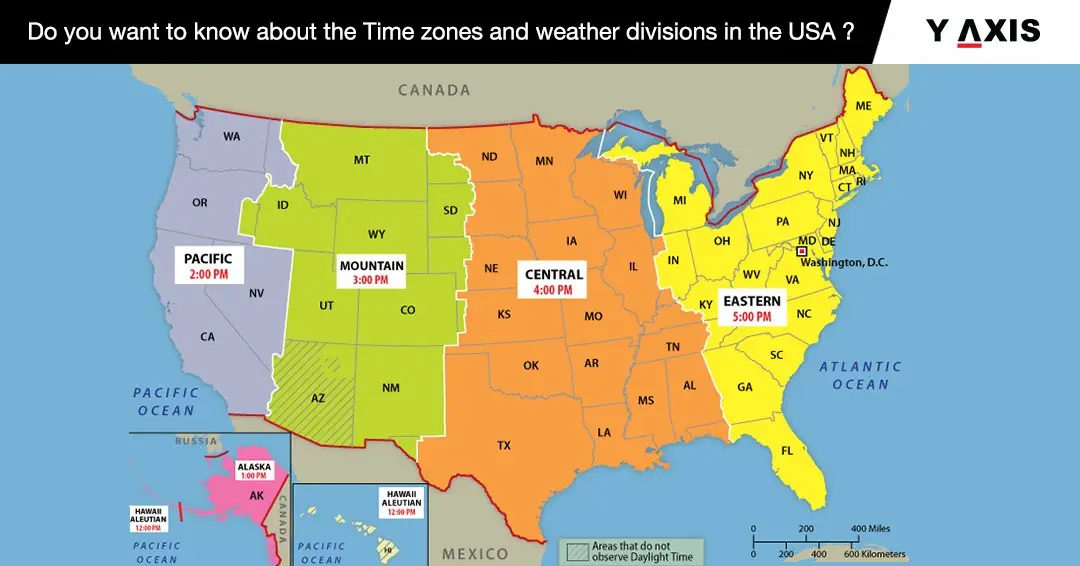
For the majority of the year, specifically from early November to early March, Arizona operates on Mountain Standard Time (UTC-7), which is GMT-7. During this period, it is in sync with other Mountain Time Zone states like Colorado, Utah, and New Mexico. However, when Daylight Saving Time begins in March, these neighboring states spring forward an hour, moving to Mountain Daylight Time (MDT), which is UTC-6. Arizona, steadfast in its non-observance, remains on MST. This means that from March to November, Arizona effectively aligns with the Pacific Daylight Time (PDT) zone (UTC-7), placing it an hour behind states like Colorado and two hours ahead of California when California observes PST.
The Exception: The Navajo Nation
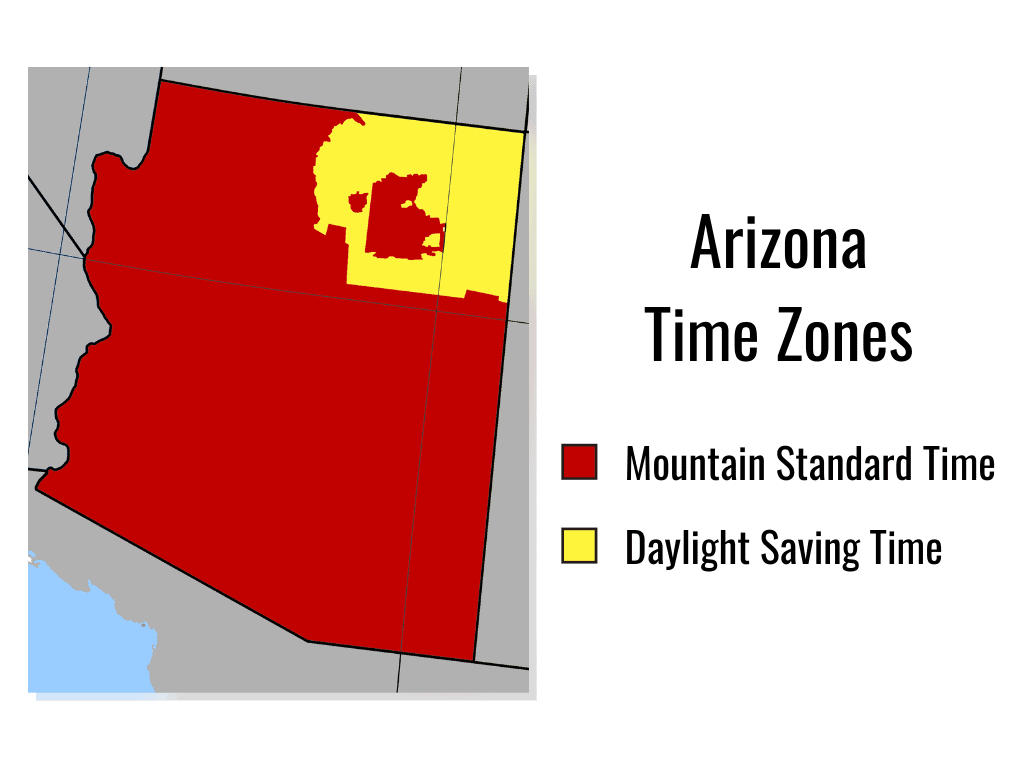
Within Arizona’s borders lies a significant exception to this rule: the Navajo Nation. This autonomous territory, which spans parts of Arizona, New Mexico, and Utah, does observe Daylight Saving Time. This means that if you are traveling through the Navajo Nation, perhaps to explore monuments like Canyon de Chelly or Monument Valley, you will need to adjust your clock by an hour during DST. This creates a fascinating, albeit potentially confusing, internal time boundary within the state. A traveler driving from Flagstaff (MST) into the Navajo Nation (MDT during DST) will need to advance their clock by one hour, then set it back an hour upon leaving. Awareness of this specific detail is vital for keeping appointments, catching tours, or simply knowing the correct local time within these areas.
Navigating Time Differences for Travelers
The seemingly simple fact of Arizona not observing DST can become a point of confusion for travelers, especially those arriving from states that do. Careful planning and a conscious awareness of the time implications can help avoid missed flights, late arrivals, or scheduling mishaps.
Planning Flights and Reservations
When booking flights to Phoenix Sky Harbor International Airport (PHX), Tucson International Airport (TUS), or smaller regional airports, always confirm the arrival and departure times in local Arizona time. Airlines generally list times in local format, but it’s prudent to double-check. For example, if you’re flying from Denver (which is on MDT during DST) to Phoenix (MST), a 10:00 AM departure from Denver for a two-hour flight would land you in Phoenix at 11:00 AM Arizona time, not noon, because Phoenix is an hour behind Denver during that period. Similarly, booking tours, restaurant reservations, or hotel check-ins requires confirming the time against Arizona’s non-DST status. When making online bookings, pay close attention to the time zone displayed, which is often specified as “MST” or “Arizona Time.”
Coordinating with Others Outside Arizona
Staying connected with family, friends, or colleagues outside Arizona during the DST period requires an extra mental calculation. If you’re calling someone in New York City (Eastern Daylight Time – EDT), which is three hours ahead of Arizona during the winter, they will be three hours ahead of you in the summer as well, because Arizona essentially shifts to Pacific Daylight Time equivalence. So, a 9:00 AM call from Arizona would be 12:00 PM in New York. The trick is to remember that Arizona maintains its relative position to GMT (UTC-7) year-round, while other zones fluctuate. Using world clock apps or a quick online search can help clarify current time differences and prevent scheduling conflicts for virtual meetings or important calls.
Practical Tips for a Smooth Trip
To avoid any time-related pitfalls during your Arizona adventure, consider these practical tips:
- Set your phone to “automatic time zone”: Most smartphones will automatically adjust to the local time, provided you have cellular service or Wi-Fi. However, be wary of crossing into the Navajo Nation, where your phone will adjust.
- Always clarify “local time”: When making bookings or asking for directions, explicitly ask for the time in “Arizona time” or “local time” to ensure clarity.
- Keep a mental note of your home time: If you’re particularly prone to jet lag or need to remember calls home, maintaining a watch set to your home time zone can be helpful.
- Print out confirmations: Having physical copies or screenshots of your flight, hotel, and tour confirmations with specified times can serve as a quick reference.
- Be aware of the date: The switch to and from DST usually happens on specific Sundays in March and November. Be extra vigilant around these dates if your travel coincides.
Impact on Arizona Travel Experiences
Arizona’s consistent time zone isn’t just a logistical detail; it shapes the very rhythm of life and travel within the state. For visitors, understanding this can help optimize daily itineraries, particularly for outdoor activities and evening entertainment.
Maximizing Daylight for Outdoor Activities
By not observing DST, Arizona experiences earlier sunrises and sunsets during the summer months compared to states on MDT or PDT. This means that if you’re planning a hike in Sedona or exploring the Grand Canyon, you’ll have ample daylight in the mornings. Early starts are often recommended, especially in warmer months, to beat the heat. The earlier sunset means that evening light for photography, particularly for capturing the stunning desert sunsets, will also occur at a relatively earlier clock time. This can be advantageous for travelers with families who might prefer earlier dinner times or want to get children to bed at a reasonable hour without missing out on the day’s adventures.
The Desert Experience and Scheduling
The Arizona desert, especially around Phoenix, Tucson, and Yuma, comes alive in the cooler morning and evening hours. The lack of DST means that during the peak summer, the sun sets around 7:30 PM to 8:00 PM, providing comfortable evenings for outdoor dining, stargazing, or enjoying resort amenities. Without DST, the clock time for these activities aligns more closely with “traditional” evening hours, rather than feeling artificially extended by an hour. This impacts when attractions close, when last tours depart, and when outdoor events typically begin, making it a predictable and consistent schedule for visitors throughout the year.
Dining and Entertainment Considerations
Most restaurants, bars, and entertainment venues in Arizona operate according to the consistent Mountain Standard Time. This predictability means you won’t experience shifts in opening or closing times due to time zone changes, unlike in regions that move with DST. When planning your evenings, be aware that while the sun may set earlier on the clock during summer, the outdoor temperatures can remain high well into the evening. Therefore, many establishments, especially those with patios or outdoor seating, are designed to maximize comfort in the Arizona heat, leveraging the consistent time zone for optimal scheduling of live music, happy hours, and other evening attractions.
Regional Time Zone Nuances and Border Considerations
Traveling to Arizona also means potentially interacting with its neighbors, each with their own time zone practices. Understanding these border nuances is crucial for multi-state itineraries.
Crossing State Lines: California, Nevada, Utah, New Mexico
Arizona shares borders with California and Nevada to the west, Utah and Colorado to the north, and New Mexico to the east.
- During DST (March-November): When California and Nevada are on Pacific Daylight Time (PDT), they are in sync with Arizona’s MST. So, no time change when crossing into or out of these states during summer. However, Utah, Colorado, and New Mexico will be on Mountain Daylight Time (MDT), meaning they will be one hour ahead of Arizona.
- During Standard Time (November-March): California and Nevada revert to Pacific Standard Time (PST), placing them one hour behind Arizona. Utah, Colorado, and New Mexico return to Mountain Standard Time (MST), putting them in sync with Arizona.
This intricate dance of time zones makes planning cross-border day trips, especially during DST, an exercise in precision. Always double-check local times if your itinerary involves crossing state lines.
The Grand Canyon and Other Major Attractions
When visiting iconic landmarks like the Grand Canyon, which is entirely within Arizona and thus observes MST year-round (except for the Navajo Nation portion), the consistent time is a blessing. This means sunrise and sunset tour times remain fixed relative to the clock throughout the year, making it easier for visitors to plan their visits. The south rim, west rim, and other popular areas within the Grand Canyon National Park will all operate on MST. However, if you venture onto the Navajo Nation lands, such as for a visit to Antelope Canyon or Monument Valley, remember to factor in the one-hour shift during Daylight Saving Time. Many tour operators in these areas are well-versed in the time zone nuances and will often explicitly state the meeting times in both local tribal time and Arizona time, but it’s always best to confirm.
Embracing Arizona’s Timeless Charm
Ultimately, Arizona’s unique approach to timekeeping is part of its charm and practicality. For the discerning traveler, understanding “What time zone is Arizona plus or minus?” isn’t just about avoiding confusion; it’s about appreciating how this decision shapes the destination itself. It allows for a more consistent daily rhythm, optimized for enjoying the state’s natural beauty and vibrant culture without the annual disruption of clock changes. By keeping these time zone specifics in mind, visitors can ensure their journey through Arizona is as seamless and enjoyable as the expansive desert vistas that await them. Embrace the consistency, plan accordingly, and prepare to immerse yourself in the timeless allure of the Grand Canyon State.
LifeOutOfTheBox is a participant in the Amazon Services LLC Associates Program, an affiliate advertising program designed to provide a means for sites to earn advertising fees by advertising and linking to Amazon.com. Amazon, the Amazon logo, AmazonSupply, and the AmazonSupply logo are trademarks of Amazon.com, Inc. or its affiliates. As an Amazon Associate we earn affiliate commissions from qualifying purchases.