
Understanding the local time is a fundamental aspect of planning any successful trip, especially when venturing into regions with distinct geographical and temporal characteristics. For travelers aiming to explore the captivating landscapes and vibrant culture of Bozeman, Montana, knowing its precise time zone is not just a matter of convenience, but also of efficient itinerary management. Bozeman, a city renowned for its proximity to the majestic Yellowstone National Park and its own burgeoning arts and outdoor recreation scene, operates within a well-defined temporal framework that aligns with the broader North American time system.
Navigating Mountain Time: Bozeman’s Temporal Identity
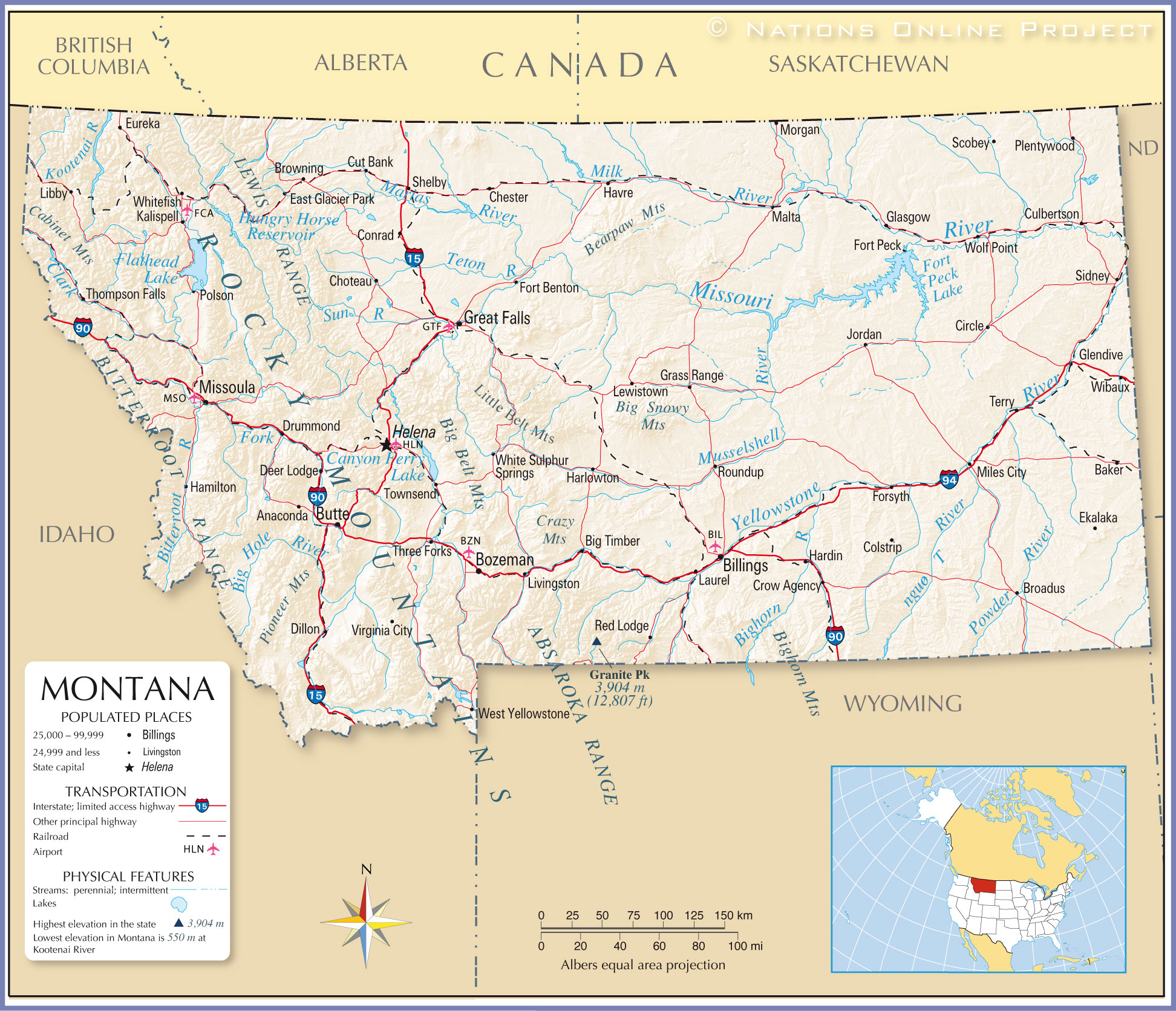
Bozeman, Montana, like the vast majority of the state, observes the Mountain Time Zone. This time zone is geographically situated in the western part of the continental United States, spanning across numerous states and parts of Canada. Its designation is characterized by being seven hours behind Coordinated Universal Time (UTC−7) during standard time and six hours behind UTC (UTC−6) when Daylight Saving Time is in effect. This temporal alignment has significant implications for travelers arriving from different parts of the country or the world, affecting everything from flight schedules and hotel check-in times to the timing of guided tours and outdoor adventures.
The Rationale Behind Mountain Time
The establishment of the Mountain Time Zone, and Bozeman’s place within it, is rooted in a combination of historical development, geographical convenience, and the practical needs of commerce and communication across a vast continent. The concept of standardized time zones emerged in the late 19th century to mitigate the confusion and inefficiencies caused by the multitude of local solar times. Railways were a primary catalyst, requiring a synchronized system for scheduling trains across vast distances. The subsequent adoption of national time zones by governments solidified this practice. For Montana, being in the Mountain Time Zone provides a logical temporal division that aligns with its western orientation within the United States. This means that when it’s noon in New York City (Eastern Time), it’s 10 AM in Bozeman, and when it’s noon in Los Angeles (Pacific Time), it’s 1 PM in Bozeman.
Daylight Saving Time in Bozeman
Like most of the United States, Bozeman observes Daylight Saving Time (DST). This annual shift, typically occurring on the second Sunday in March and concluding on the first Sunday in November, effectively moves the clock forward by one hour. During DST, Bozeman operates on Mountain Daylight Time (MDT), which is UTC−6. This practice aims to maximize the use of natural daylight during the warmer months, extending daylight into the evening hours. The transition to and from DST can occasionally cause minor confusion, so it’s always advisable for travelers to confirm the current time, especially around these transition periods. This temporal adjustment means that during DST, Bozeman is five hours behind UTC.
Planning Your Bozeman Itinerary with Time Zone Awareness
For any traveler, a clear understanding of the local time zone is paramount for seamless trip planning. This is particularly true when coordinating activities in a region like Bozeman, which offers a wealth of diverse experiences that often have specific operating hours. Whether you’re planning to witness the geothermal wonders of Yellowstone National Park, embark on a challenging hike in the Gallatin Mountains, or enjoy the vibrant nightlife in downtown Bozeman, knowing the time zone ensures you don’t miss a beat.
Optimizing Travel and Arrival
When booking flights to Bozeman Yellowstone International Airport, understanding the time difference is crucial for calculating arrival times and arranging transportation. For instance, a flight departing from the East Coast in the morning will arrive in Bozeman several hours later local time, but the actual travel duration, combined with the time zone shift, can make the arrival feel earlier or later than expected. Similarly, coordinating airport pickups with shuttle services or rental car agencies requires precise temporal awareness. Many hotels in Bozeman, such as the Kimpton Armory Hotel Bozeman or the Element Bozeman, have check-in and check-out times that are strictly adhered to, and being aware of the local time zone helps ensure a smooth transition into and out of your accommodation.
Scheduling Activities and Excursions
Bozeman’s appeal lies in its abundant opportunities for outdoor adventure and cultural immersion. Guided tours for activities like whitewater rafting on the Yellowstone River or wildlife viewing expeditions often have fixed departure times. Many of these tours are operated by companies based in Bozeman, so their schedules will naturally align with Mountain Time. Similarly, booking reservations at popular restaurants in the downtown area, such as those found on Main Street, Bozeman, requires consideration of local dining hours, which are dictated by the Mountain Time Zone. Visiting attractions like the Museum of the Rockies or attending local events at venues like the Brick Breeden Fieldhouse also necessitates checking their operating hours in Mountain Time.
Connecting with Loved Ones
For travelers who wish to stay connected with family and friends back home, understanding the time difference is essential for making calls or scheduling video chats. The significant time difference between Bozeman and the East Coast, for example, means that a late evening call in Bozeman might be early morning for someone in New York. Conversely, coordinating with individuals in the Pacific Time Zone will involve a smaller time differential. Being mindful of this allows for more considerate and convenient communication, preventing unwanted disruptions for either party.
Beyond the Clock: Embracing Bozeman’s Rhythms
While knowing the precise time zone is a practical necessity for travelers, Bozeman offers a unique opportunity to connect with a different pace of life. The city and its surrounding natural beauty invite visitors to slow down, appreciate the moment, and immerse themselves in the local culture. The rhythm of the day in Bozeman is often dictated by the natural cycles of the sun and the seasons, especially for those venturing into the wilderness.
The Influence of Nature on Daily Life
The breathtaking mountain scenery and the proximity to vast wilderness areas shape the daily routines and activities of Bozeman’s residents and visitors alike. Early morning sunrises are ideal for wildlife photography or early fishing trips, while long summer evenings are perfect for leisurely strolls or enjoying outdoor dining. The dramatic shifts in daylight hours due to its location in the Mountain Time Zone, particularly the extended daylight during summer months, contribute to an active outdoor lifestyle. This temporal alignment allows for ample opportunity to explore iconic natural landmarks such as the Hyalite Canyon or the Bridger Mountains well into the evening.
Experiencing Local Culture and Events
Bozeman’s cultural scene is vibrant and diverse, offering a unique glimpse into the spirit of Montana. From farmers’ markets showcasing local produce to art galleries and live music venues, there’s always something happening. Understanding the local time zone ensures you can catch all the events you desire, whether it’s an afternoon concert in Lindley Park or an evening performance at the Bozeman Symphony. Many of these cultural experiences are deeply connected to the natural rhythm of the day, reinforcing the idea of experiencing Bozeman not just by the clock, but by the light and the seasons. The city’s commitment to preserving its heritage and fostering a strong community is palpable, and aligning with its temporal framework allows for a deeper appreciation of these aspects.
Frequently Asked Questions About Bozeman’s Time Zone
Navigating temporal details can sometimes lead to queries, and for travelers planning a visit to Bozeman, Montana, a few common questions arise regarding its time zone. Addressing these can further enhance the planning process and ensure a smooth travel experience.
Does Bozeman observe Daylight Saving Time?
Yes, Bozeman, Montana, observes Daylight Saving Time (DST). The clocks are set forward one hour from the second Sunday in March to the first Sunday in November. During this period, Bozeman operates on Mountain Daylight Time (MDT), which is UTC−6. Outside of DST, the time zone reverts to Mountain Standard Time (MST), which is UTC−7. It is always prudent for travelers to verify the current time, especially during the spring and fall transition periods.
How does Bozeman’s time zone compare to other major US cities?
Bozeman, Montana, is in the Mountain Time Zone. This means it is:
- Two hours behind New York City and Miami (Eastern Time).
- One hour behind Chicago and Denver (Central Time and Mountain Time respectively, though Denver is also MST/MDT).
- One hour ahead of Los Angeles and San Francisco (Pacific Time).
- Three hours behind Honolulu (Hawaii Standard Time).
This comparison is vital for coordinating travel plans, booking flights, and communicating with individuals in different regions.
Are there any areas in Montana that are not in the Mountain Time Zone?
While the vast majority of Montana observes the Mountain Time Zone, there are a few counties that fall within the Central Time Zone. However, Bozeman and the surrounding Gallatin Valley are firmly within the Mountain Time Zone. For travelers specifically visiting Bozeman and its immediate environs, the consistent application of Mountain Time simplifies planning. Any travel venturing into the eastern edges of Montana might require a time zone adjustment, but for typical tourist itineraries focused on Bozeman and Western Montana, this is not a concern.
LifeOutOfTheBox is a participant in the Amazon Services LLC Associates Program, an affiliate advertising program designed to provide a means for sites to earn advertising fees by advertising and linking to Amazon.com. Amazon, the Amazon logo, AmazonSupply, and the AmazonSupply logo are trademarks of Amazon.com, Inc. or its affiliates. As an Amazon Associate we earn affiliate commissions from qualifying purchases.