
Navigating California‘s Complex Firearm Laws for Travelers
For travelers venturing to the Golden State, understanding local regulations is paramount to a seamless and enjoyable experience. While California is celebrated for its diverse landscapes, vibrant cities, and iconic attractions, it is also known for having some of the most stringent firearm laws in the United States. Visitors, particularly those accustomed to different regulations in their home states or countries, must educate themselves on these nuances to avoid legal complications. The question of whether one can openly carry a firearm in California is one that frequently arises and, unfortunately, often leads to misunderstandings. This guide aims to clarify these laws, focusing specifically on what travelers need to know to navigate the state responsibly and legally. The distinction between federal and state laws is crucial here, as state regulations often impose additional, stricter requirements that supersede federal minimums within California’s borders.
The Nuances of Open Carry in California
California’s approach to firearm ownership and carry is rooted in a philosophy that prioritizes public safety through strict control. Unlike many other states that permit some form of open carry, California has largely prohibited it for decades, with the remaining limited exceptions being highly specific and generally not applicable to the average visitor.
General Prohibition of Open Carry
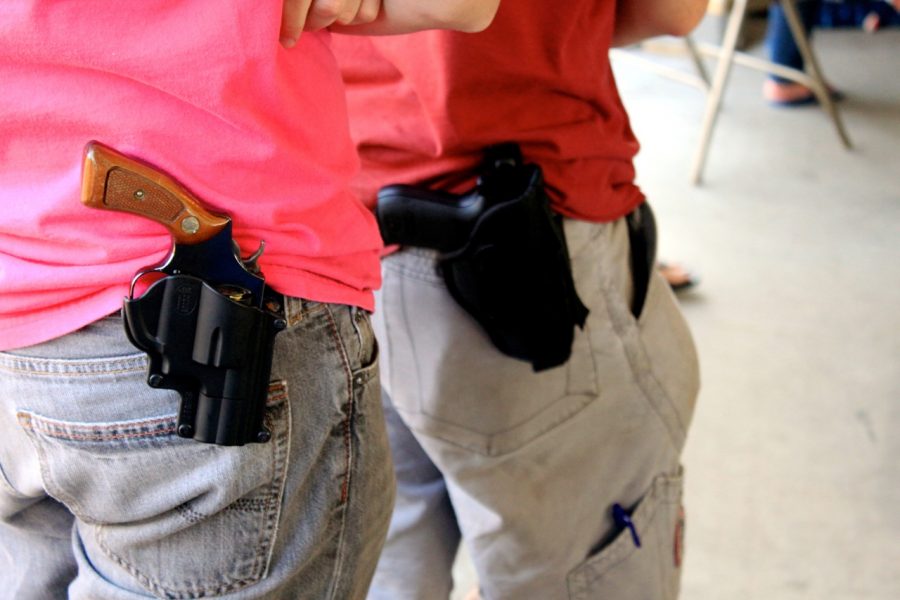
The foundational principle for travelers to grasp is that open carry, whether of loaded or unloaded firearms, is generally prohibited in most public places throughout California. This blanket prohibition is enshrined in state law. For instance, California Penal Code 26350 prohibits the open carry of an unloaded handgun in public, while Penal Code 26400 extends this prohibition to unloaded long guns (rifles and shotguns) in unincorporated areas of a county or within a city where the discharge of a firearm is prohibited. This means that simply having a firearm visible on your person, even if unloaded, is largely illegal in virtually any area a tourist might visit, from bustling city streets to serene state parks. The legislative intent behind these laws is to reduce the perceived threat and potential for conflict associated with visible firearms in public spaces.
Specific Exceptions (Highly Limited)
While the general rule is prohibition, there are a handful of very narrow exceptions. However, it is critical to understand that these exceptions are rarely applicable to the casual traveler and often come with stringent conditions:
- Rural Areas (Unloaded Long Guns): In some very specific unincorporated areas where the discharge of a firearm is not prohibited, and outside of established “no shooting” zones, it may be permissible to openly carry an unloaded long gun. These areas are typically remote and far from common tourist destinations.
- Hunting: Individuals with a valid California hunting license may be permitted to openly carry firearms (loaded or unloaded, depending on specific circumstances and location) while actively engaged in legal hunting activities. This requires adherence to game laws and specific seasons.
- Private Property: Open carry on private property is permissible with the express permission of the property owner. This does not extend to common areas of apartment complexes or businesses without explicit consent.
- Target Ranges/Shooting Clubs: Firearms can generally be openly carried to and from, and within, designated shooting ranges and clubs. However, transportation to these locations must still adhere to California’s strict transportation laws.
- Law Enforcement: Uniformed on-duty law enforcement officers are, of course, exempt.
Permit Considerations
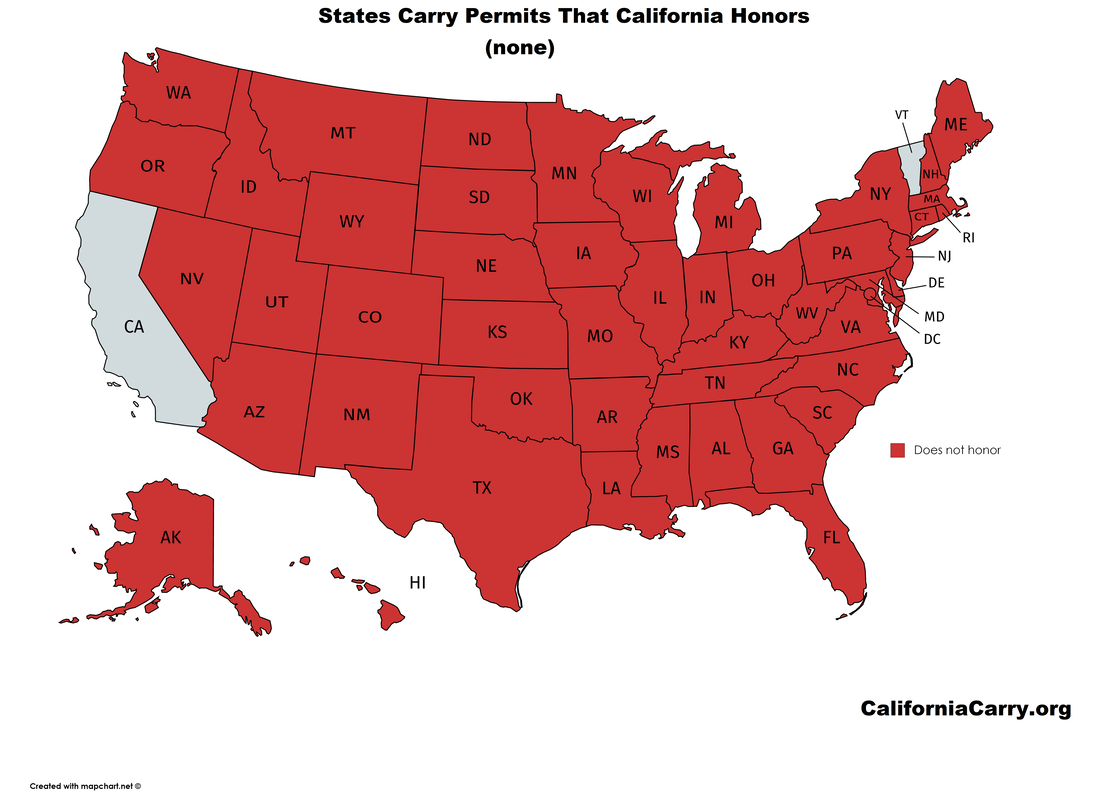
California does issue Concealed Carry Weapons (CCW) permits. However, these permits are typically difficult for even residents to obtain, requiring “good cause” beyond self-defense in many jurisdictions (though this has been an evolving area of law). Furthermore, CCW permits are issued at the county level (e.g., Los Angeles County, San Diego County) and are rarely granted to non-residents. Crucially, a California CCW permit, even if one possessed it, authorizes concealed carry, not open carry. It does not grant the holder permission to openly display a firearm in public places where it would otherwise be prohibited.
Transportation of Firearms While Traveling in California
For travelers who plan to bring a firearm into California, understanding the state’s transportation laws is absolutely critical. These rules dictate how a firearm must be stored when not in immediate use, especially during transit.
Vehicle Transportation
When transporting a handgun in a vehicle in California, it must be unloaded and stored in a locked container. This rule is codified in Penal Code 25400. A locked container is defined as a secure container that is not the glove compartment or any console compartment. The trunk of a vehicle is considered a locked container if the vehicle has a trunk separate from the passenger compartment. Ammunition can be stored in the same locked container as the firearm, but it does not have to be. For long guns (rifles and shotguns), they must be unloaded when transported in a vehicle, but a locked container is not legally required by state law for long guns (though it is highly recommended for safety and security). It is vital to remember that these are state laws; federal lands within California, such as Yosemite National Park or Death Valley National Park, may have their own specific regulations regarding firearms, though generally, state laws still apply regarding carry.
Air Travel

If you plan to fly into or out of California with a firearm, you must adhere to both federal TSA regulations and California state laws. TSA rules require firearms to be unloaded, declared to the airline at check-in, stored in a locked, hard-sided container, and placed in checked baggage only. Upon arrival at airports like Los Angeles International Airport or San Francisco International Airport, the firearm must remain in its locked container until you are in a location where its possession and handling comply with California law. This generally means leaving it secured in your vehicle or accommodation.
Public Transit
Bringing firearms onto public transit systems in California is generally prohibited. Systems like BART in the Bay Area and Metro Los Angeles have strict rules against firearms on their vehicles and properties, even for those with CCW permits (unless they are law enforcement). Travelers should assume that carrying a firearm, openly or concealed, on any form of public transportation is illegal.
Prohibited Locations and “Gun-Free Zones” for Visitors
Beyond the general prohibition on open carry and strict transportation rules, California designates numerous locations as “gun-free zones” where firearms are strictly prohibited, regardless of open or concealed carry status (even for CCW holders in many instances).
Common Prohibited Areas
These locations are often places where tourists might visit:
- Schools: K-12 schools, colleges, and universities (e.g., University of California, Berkeley) are generally gun-free zones. This prohibition often extends to school grounds and sometimes adjacent public sidewalks.
- Government Buildings: State and local government buildings, including the California State Capitol, courthouses, and administrative offices, prohibit firearms.
- Polling Places: During elections, polling locations are designated gun-free zones.
- Airports: While you can transport firearms via checked baggage, carrying them in secure areas of airports beyond the check-in counter is strictly prohibited.
- Private Businesses: Many private businesses in California explicitly post “no firearms” signs, and even if they don’t, they have the right to deny entry to individuals carrying firearms.
- Public Events and Protests: Firearms are generally prohibited at public demonstrations, protests, and many large public gatherings.
Specific Considerations for Tourists
Tourist attractions often have their own stringent rules that travelers must respect:
- Theme Parks: Iconic destinations like Disneyland Park have explicit policies prohibiting firearms on their property, often enforced through security screenings.
- Museums and Art Galleries: Most cultural institutions will not permit firearms.
- Sports Stadiums: Venues such as Dodger Stadium have strict no-firearm policies.
Legal Consequences and Best Practices for Travelers
Violating California’s firearm laws can lead to severe legal repercussions, ranging from significant fines and firearm confiscation to felony charges and imprisonment. For travelers, an arrest for a firearm offense can derail a trip, incur substantial legal fees, and potentially impact future travel or professional opportunities. Ignorance of the law is never a valid defense.
Recommendations for Travelers
Given the strict and complex nature of California’s firearm laws, especially regarding open carry, the safest and most prudent advice for travelers is straightforward:
- “When in doubt, don’t carry.” This maxim is particularly relevant in California. Unless you have a specific, legally recognized reason and have thoroughly researched and understood all applicable laws, it is best to leave firearms at home.
- Leave Firearms at Home: For most visitors whose primary purpose is tourism, bringing a firearm to California adds an unnecessary layer of legal risk and logistical complexity. The vast majority of California’s attractions and experiences do not necessitate or permit firearm carry.
- Consult Legal Counsel: If you absolutely must travel with a firearm and are uncertain about any aspect of California law, consult with an attorney specializing in California firearm regulations before your trip.
- Verify Current Laws: Firearm laws can change. Always verify the most current statutes and local ordinances prior to your travel dates.
- Focus on California’s Offerings: Instead of concerning yourself with firearm regulations, immerse yourself in the wonders California has to offer. Enjoy the breathtaking views from the Golden Gate Bridge, explore the stars at Griffith Observatory, or drive the scenic coastal routes of Big Sur. These experiences are best enjoyed without the added legal burden or risk associated with carrying a firearm in a state with highly restrictive laws.
In conclusion, the simple answer to “Can I Open Carry In California?” for most travelers is a resounding no. California’s laws are designed to severely restrict visible firearm possession in public spaces. Adhering to these laws is not just a legal obligation but also a crucial aspect of responsible travel, ensuring a safe and enjoyable journey through one of America’s most captivating states.
LifeOutOfTheBox is a participant in the Amazon Services LLC Associates Program, an affiliate advertising program designed to provide a means for sites to earn advertising fees by advertising and linking to Amazon.com. Amazon, the Amazon logo, AmazonSupply, and the AmazonSupply logo are trademarks of Amazon.com, Inc. or its affiliates. As an Amazon Associate we earn affiliate commissions from qualifying purchases.