
Kansas, often referred to as the Sunflower State, is a land of vast prairies, rolling hills, and a rich historical tapestry. For many planning a trip across the United States, understanding regional time zones might seem like a minor detail, but in Kansas, it’s a crucial piece of information that can significantly impact travel plans, business operations, and the overall enjoyment of your stay. Unlike many states that uniformly adhere to a single time zone, Kansas gracefully straddles two distinct zones: the widely adopted Central Time Zone and a smaller, yet significant, portion observing the Mountain Time Zone.
This dual time zone arrangement stems from both geographical alignment and practical considerations, particularly for communities situated near the state’s western border with Colorado. For travelers, residents, and businesses alike, knowing precisely where these boundaries lie and how they influence daily life is paramount. Whether you’re coordinating a family reunion, booking a business meeting, or simply planning your sightseeing itinerary, an awareness of Kansas’s time zones ensures a seamless and stress-free experience. This article delves into the specifics of Kansas’s time zones, offering essential insights for anyone looking to explore, reside, or conduct business within this fascinating heartland state.

Navigating Kansas’s Dual Time Zones
The heart of Kansas beats to the rhythm of two distinct clocks, a characteristic that adds a unique layer of planning for visitors and a daily reality for its residents. Understanding this geographical and temporal split is the first step in unlocking a smooth journey through the Sunflower State.
Central Time Zone (CT) Dominance
The vast majority of Kansas operates under the Central Time Zone (CT), observing Central Daylight Time (CDT) during the warmer months. This includes all of the state’s major urban centers, bustling economic hubs, and popular tourist destinations. Cities like Wichita, the largest city in Kansas, along with the state capital Topeka, and the vibrant suburban expanse of Overland Park, all fall squarely within CT. The entire Kansas City metropolitan area, which straddles the state line into Missouri, also adheres to Central Time. This means that if you’re flying into Kansas City International Airport, planning a stay in a luxury hotel in downtown Kansas City, Missouri, or exploring the vibrant arts scene in Lawrence, you’ll be operating on CT.
Life in these Central Time Zone cities offers a wide array of attractions and experiences. In Wichita, for instance, you can spend hours at Exploration Place, a hands-on science center, or wander through the historic brick-lined streets of Old Town, where numerous boutique hotels and charming restaurants await. Families traveling with children often make a stop at the Sedgwick County Zoo or immerse themselves in the natural beauty of Botanica, The Wichita Gardens. For those interested in history and politics, a visit to the magnificent Kansas State Capitol in Topeka is a must, perhaps combined with a contemplative stop at the Brown v. Board of Education National Historic Site. Even further west, cities like Dodge City and Garden City, famous for their Old West heritage and agricultural prowess, remain firmly in Central Time. This broad coverage simplifies planning for most visitors, as the majority of Kansas’s popular destinations and logistical hubs align with this single clock.
Mountain Time Zone (MT) in Western Kansas
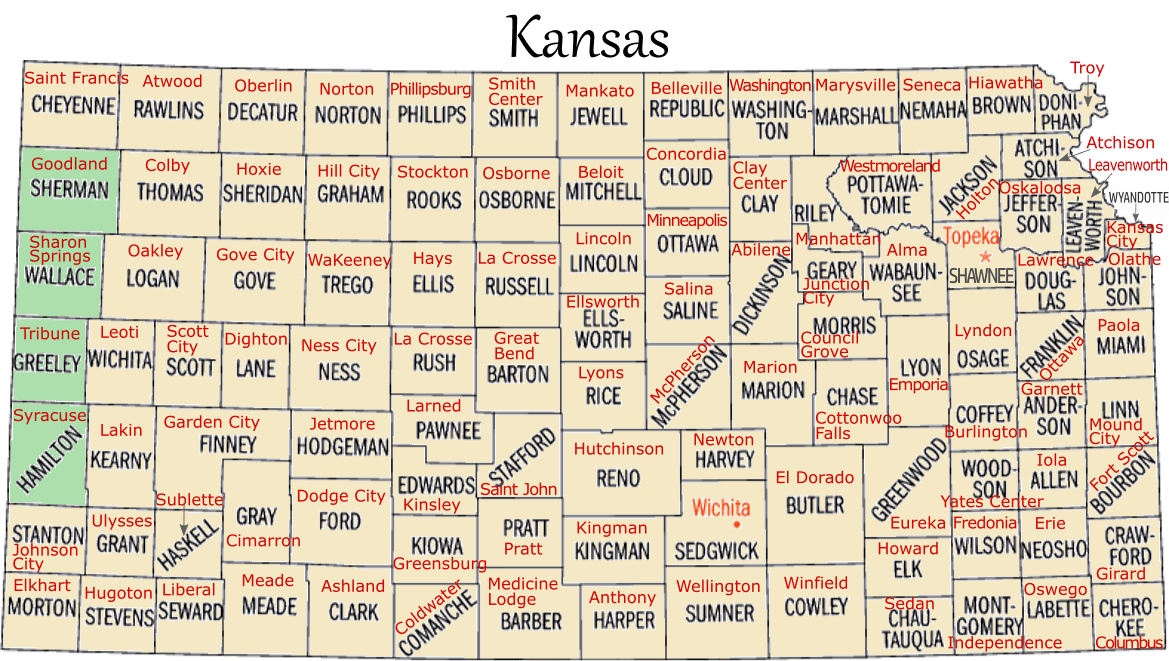
While Central Time governs the majority of the state, a handful of counties in the far western reaches of Kansas shift to the Mountain Time Zone (MT), observing Mountain Daylight Time (MDT) during Daylight Saving Time. These counties are: Greeley County, Hamilton County, Sherman County, and Wallace County. This alignment is largely a practical decision, as these communities share closer economic and social ties with neighboring Colorado communities, many of which also operate on Mountain Time.
Traveling through this region offers a distinctly different Kansas experience. The landscape transitions from the iconic rolling hills of The Flint Hills and the lush prairies of Konza Prairie Biological Station (both in CT) to the expansive, often dramatic high plains, characterized by sweeping vistas and endless horizons. While these western counties may not boast the large urban attractions found further east, they offer a unique appeal for those seeking solitude, natural beauty, and a taste of authentic rural American life. Visitors might explore local museums detailing pioneer history, enjoy stargazing under incredibly dark skies, or discover hidden natural formations.
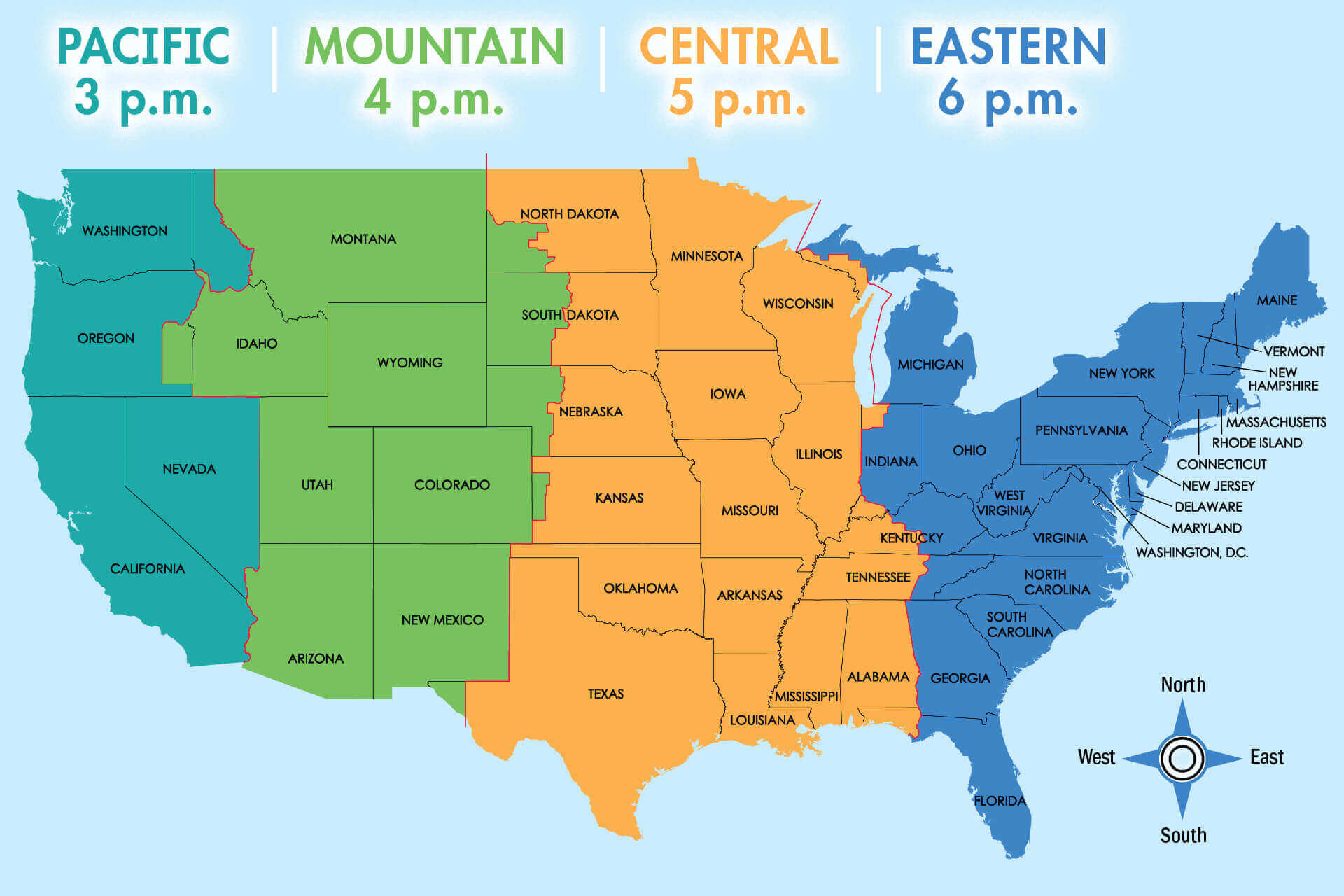
For anyone venturing into this specific corner of the state, particularly those arriving from the east, understanding this time shift is critical. A drive from Wichita to, say, Goodland in Sherman County means losing an hour upon crossing into Mountain Time. This seemingly minor detail can significantly impact scheduled appointments, hotel check-in times, or even simply catching a sunset tour. Local businesses, from cozy bed and breakfasts to family-run diners, operate on MT, so an awareness of the change is vital for a smooth transition and to avoid any temporal missteps.
Practical Implications for Travelers and Residents
The subtle shift in time zones within Kansas can have surprisingly far-reaching implications, extending beyond just knowing what time it is. For both temporary visitors and long-term residents, understanding these nuances is key to efficient planning and a truly enjoyable experience in the Sunflower State.
Planning Your Kansas Itinerary
For travelers embarking on a cross-state adventure, the time zone boundary presents a unique planning challenge. Imagine you’re driving from Kansas City towards a rustic cabin rental in Wallace County. Your GPS might automatically adjust, but failing to manually account for the hour difference can mean arriving late for dinner reservations, missing a scheduled tour of a local landmark, or even delaying a crucial hotel check-in. Flight schedules, especially for regional airports like those near Goodland, will always reflect local time, but coordinating arrival times with friends or family coming from a different time zone requires explicit communication.
Similarly, business travelers conducting operations across Kansas must remain vigilant. A morning conference call scheduled for 9:00 AM in Topeka (CT) would start at 8:00 AM for a colleague in Hamilton County (MT). This is especially pertinent in today’s remote work environment, where virtual meetings are commonplace. Event planners, too, must clearly specify the time zone for any gatherings to prevent confusion and ensure maximum attendance. When booking experiences such as a sunrise hot air balloon ride over The Flint Hills (CT) or a horseback riding excursion in western Kansas (MT), always confirm the exact local time to avoid disappointment. A small detail like a time zone can significantly impact the logistics and enjoyment of carefully planned travel activities.
Accommodation and Business Travel Considerations
The choice of accommodation and the needs of business travelers are also distinctly influenced by Kansas’s time zones. Hotel check-in and check-out times are always based on the local time zone of the property. For instance, if you book a suite at a downtown Wichita hotel, you’ll adhere to CT for your stay. However, if your next stop is a charming bed and breakfast in Sharon Springs (Wallace County, MT), remember that your scheduled check-in time will be an hour earlier relative to your previous location. This means adjusting your departure and travel time accordingly to arrive precisely when expected. Many upscale resorts and boutique hotels, particularly those catering to an international clientele, are accustomed to guests crossing time zones, but the responsibility ultimately falls on the traveler to manage their schedule.
For business stays, this complexity is amplified. Professionals attending conferences in Overland Park will operate on Central Time, whereas those with appointments near the Colorado border will need to factor in the Mountain Time shift. Companies with offices or clients across both zones often implement internal protocols to manage scheduling, but individual employees must remain mindful. Budget travelers might find themselves coordinating bus schedules or shared rides, where a missed connection due to time zone oversight can lead to significant delays and added expenses. Whether you’re indulging in luxury travel with concierge services or exploring Kansas on a shoestring budget, a solid grasp of the time zones ensures that your accommodation bookings, transportation, and business commitments proceed without a hitch. The seamless traveler experience, whether for a family vacation or an executive retreat, hinges on these often-overlooked details.
Maximizing Your Kansas Experience Across Time Zones
Experiencing the diverse offerings of Kansas to its fullest requires not just an appreciation for its landscapes and culture, but also a practical understanding of how its dual time zones can shape your daily activities. Integrating this knowledge into your travel strategy will enhance your enjoyment and ensure you don’t miss a beat.
Embracing Local Culture and Activities
The rhythm of local culture, from dining hours to vibrant festivals and community events, is inherently tied to the local time zone. In the bustling cities of Central Time, such as Manhattan (often called “The Little Apple”), you’ll find early morning coffee shops opening by 6 AM CT, and popular restaurants in Aggieville serving dinner well into the evening. Planning to catch a live music performance in Old Town Wichita or a theater show in Topeka? These events will undoubtedly be scheduled according to Central Time.
However, as you venture west into the Mountain Time Zone counties, the pace of life often shifts, and so do the operational hours of local establishments. While a small town diner might still open early, its closing time might feel relatively earlier to someone arriving from CT, even if it’s the same numerical hour on the clock. Participating in local agricultural fairs or experiencing the serene beauty of a sunset in Wallace County requires awareness of the MT clock. Adjusting to this time change for visitors can be as simple as remembering to reset watches and devices upon crossing the boundary. This mental shift allows you to fully immerse yourself in the unique atmosphere of each region, whether it’s the lively urban buzz of Kansas City or the tranquil, wide-open spaces of western Kansas. Understanding and embracing these local temporal rhythms enriches your exploration of Kansas’s diverse lifestyle, from its vibrant metropolitan cores to its serene rural landscapes.
Key Destinations and Time Zone Reminders
To help solidify your understanding, let’s reiterate some key destinations and their associated time zones. Most of Kansas, including major cities like Kansas City, Wichita, Topeka, Lawrence, Manhattan, Dodge City, and Garden City, adheres to the Central Time Zone. This also includes iconic natural landmarks like the Tallgrass Prairie National Preserve, a must-visit for nature enthusiasts, and the bustling academic environment of Kansas State University.
Conversely, the far western counties of Greeley, Hamilton, Sherman, and Wallace observe the Mountain Time Zone. If your travels take you to towns like Tribune (Greeley County) or Syracuse (Hamilton County), remember to set your clocks back an hour if coming from central Kansas, or forward an hour if heading towards the state’s eastern half. This simple practice will prevent missed appointments, allow for timely check-ins at local motels or RV parks, and ensure you make the most of your dining experiences in these charming communities. Always double-check event times or reservation confirmations with the local time zone specified, especially if booking online from a different time zone. This proactive approach is a hallmark of savvy travel and ensures a truly memorable and hassle-free visit to every corner of Kansas.
In conclusion, while the question “What Time Zone Is Kansas In?” might seem straightforward, the answer reveals a state of fascinating temporal duality. The vast majority of Kansas operates on Central Time, home to its vibrant cities, historical sites, and major attractions. However, a small but significant portion of its western flank aligns with Mountain Time, a practical adaptation for communities bordering Colorado. For travelers, residents, and businesses, an awareness of this unique arrangement is more than just a trivial detail—it’s an essential tool for seamless planning, efficient coordination, and a richer overall experience. Whether you’re exploring the cultural dynamism of Kansas City, delving into the history of Wichita, or savoring the serene landscapes of the western plains, keeping an eye on the clock, and its local designation, will ensure your journey through the Sunflower State is nothing short of perfect. Embrace the dual time zones, and unlock the full potential of your Kansas adventure.
LifeOutOfTheBox is a participant in the Amazon Services LLC Associates Program, an affiliate advertising program designed to provide a means for sites to earn advertising fees by advertising and linking to Amazon.com. Amazon, the Amazon logo, AmazonSupply, and the AmazonSupply logo are trademarks of Amazon.com, Inc. or its affiliates. As an Amazon Associate we earn affiliate commissions from qualifying purchases.