
The allure of Hawaii is undeniable. Its pristine beaches, vibrant culture, and breathtaking landscapes draw millions of visitors annually, transforming it into a quintessential destination for Travel, Tourism, and diverse Lifestyle experiences, from luxurious escapes to memorable family trips. Yet, amidst the dreamlike serenity of the islands, a crucial and often overlooked aspect of public safety and healthcare ensures that both residents and the throngs of tourists can enjoy this paradise with a vital layer of security: medical air transport. When a medical emergency strikes, especially in a geographically dispersed archipelago like Hawaii, the speed and efficiency of air medical services become paramount. Unlike mainland areas where ground ambulances can quickly navigate to major medical centers, the vast stretches of ocean separating the Hawaiian Islands necessitate a specialized approach. The question “Which airlines in Hawaii are used for medical flights?” often prompts a common misconception. While commercial airlines play a significant role in general inter-island Travel, they are not typically the primary responders for critical medical emergencies. Instead, a dedicated network of air ambulance services, equipped with specialized aircraft and highly trained medical professionals, forms the backbone of the state’s emergency medical system, ensuring that life-saving care is just a flight away, no matter which island you find yourself on. This article delves into the intricacies of medical air transport in Hawaii, exploring the operators, the challenges, and the peace of mind this essential service provides for everyone.
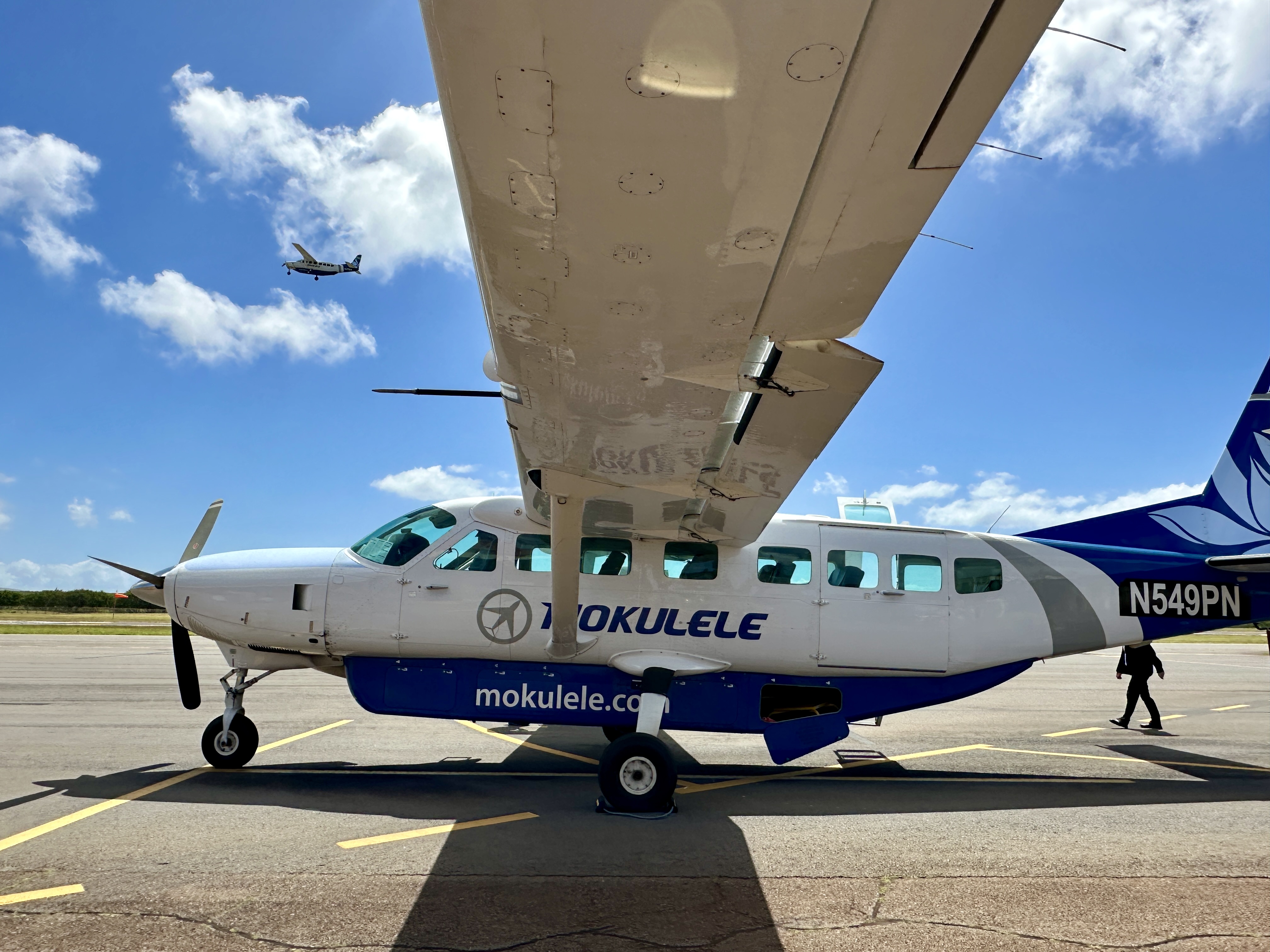
The Unique Landscape of Healthcare in the Hawaiian Islands
The Hawaiian archipelago, while small in landmass, presents immense logistical challenges for healthcare delivery. Comprising eight main islands – Oahu, Maui, Lanai, Molokai, Hawaii Island (often referred to as the Big Island), Kauai, Niihau, and Kahoolawe – only a handful possess comprehensive medical facilities capable of handling advanced trauma, complex surgeries, or highly specialized care. This disparity means that for residents of smaller islands, or tourists exploring remote attractions, a serious medical event almost invariably requires transport to a larger medical center, predominantly located in Honolulu on Oahu. This inherent geographical challenge profoundly impacts how emergency services operate and highlights the indispensable role of air medical flights in bridging these vital distances.
Bridging the Gaps: Why Air Transport is Essential
The uneven distribution of medical resources across the islands necessitates a robust air transport system. While each major island has at least one hospital, the level of care varies dramatically. Oahu, home to the state capital Honolulu, boasts the most advanced medical infrastructure, including Level I trauma centers like Queen’s Medical Center and comprehensive facilities such as Straub Medical Center and Kaiser Permanente Moanalua Medical Center. These facilities offer specialized services in areas like neurosurgery, advanced cardiology, complex pediatrics, and burn treatment, which are not readily available on Maui, Kauai, or the Big Island.
For a patient experiencing a stroke on Kauai requiring immediate neurosurgical intervention, or a severe trauma victim on Maui needing a Level I trauma center, air transport is not merely a convenience but a life-saving necessity. These critical inter-island transfers are a daily occurrence, moving patients who are too unstable for commercial flights or who need immediate access to specialized medical teams and equipment. The efficient movement of these patients underscores the value of these services, not just for the local community but for the millions of visitors who come to Hawaii seeking unparalleled Experiences and Attractions. Knowing that world-class medical care is accessible, even from remote Landmarks or tranquil Resorts on less developed islands, provides immense peace of mind for those planning their Travel itineraries and selecting their Accommodation. This network helps ensure that a medical emergency does not transform a dream vacation into an unmanageable crisis, reinforcing Hawaii’s reputation as a safe and prepared destination for Tourism.
Beyond Commercial Carriers: Dedicated Air Ambulance Services
When it comes to urgent medical flights in Hawaii, the traditional “airlines” like Hawaiian Airlines or Southwest Airlines are not the primary operators. Instead, dedicated air ambulance services, specifically designed and equipped for critical care transport, take on this vital role. These operators are not focused on passenger Travel or tourist Destinations in the conventional sense but are specialized medical units in the sky. Their aircraft are essentially flying intensive care units, configured to support critically ill or injured patients.
These services operate with a highly specialized crew, typically including critical care flight nurses, flight paramedics, and sometimes physicians, all trained in the unique challenges of aerial patient transport. The aircraft themselves are outfitted with advanced medical equipment, such as ventilators, cardiac monitors, IV pumps, and specialized medications, mirroring the capabilities of an emergency room or ICU. This critical distinction is crucial for understanding why commercial airlines are unsuitable for most emergency medical flights. Commercial aircraft, designed for passenger comfort and efficiency, lack the necessary medical infrastructure, crew expertise, and operational flexibility required for high-acuity medical transfers. The stringent protocols, rapid response times, and specialized capabilities of air ambulance services are what make them indispensable in the Hawaiian healthcare landscape, offering a vital lifeline across the Pacific.
The Role of Specific Operators in Hawaiian Medical Air Transport
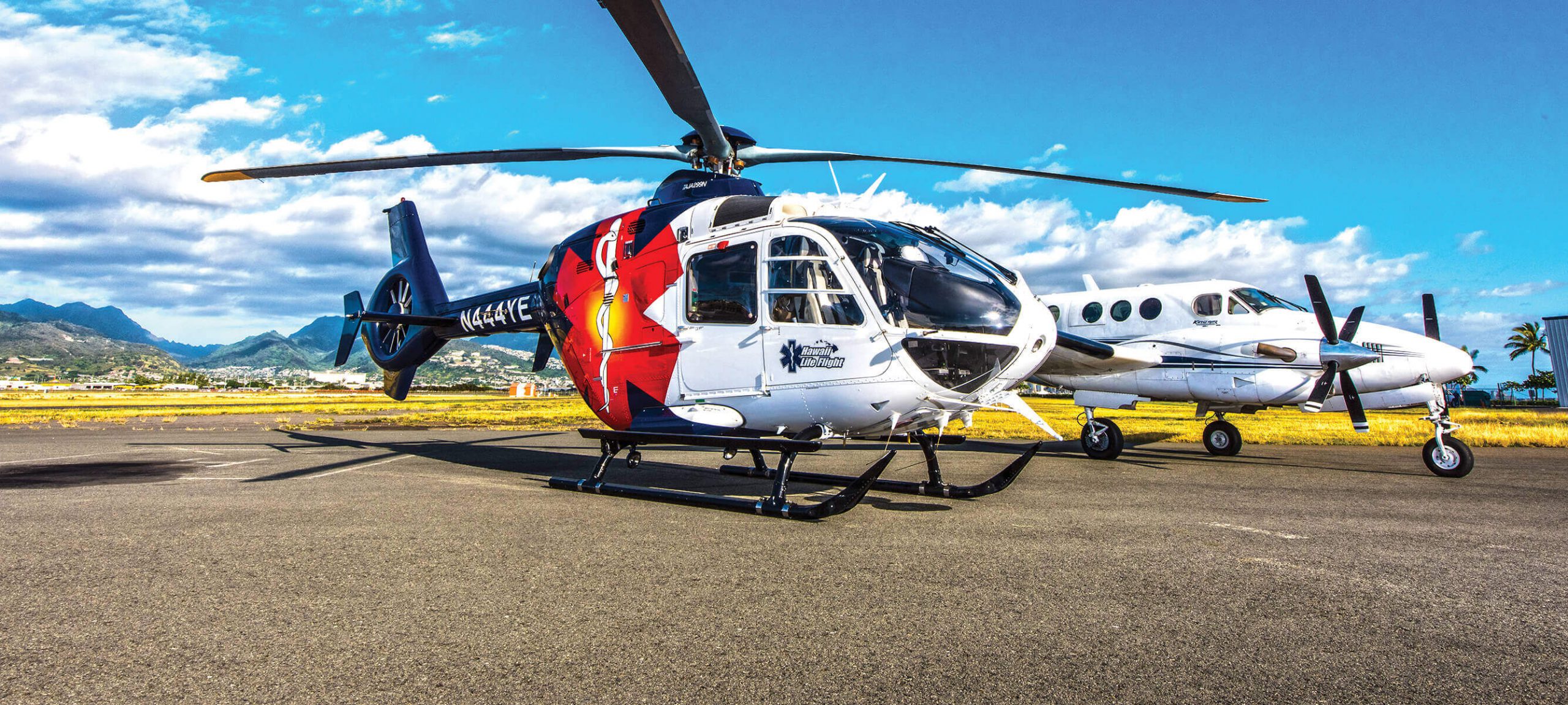
Within the archipelago, one name stands out as the predominant provider of inter-island medical air transport: Hawaii Life Flight. This dedicated service forms the essential link between the various islands and their disparate medical facilities, ensuring that patients receive timely and appropriate care regardless of their geographical location. Their operations are a testament to the specialized nature of medical air transport, far removed from the typical operations of commercial passenger carriers.
Hawaii Life Flight: The Backbone of Inter-Island Medical Transfers
Hawaii Life Flight is unequivocally the leading air medical transport service in Hawaii. Operating 24 hours a day, seven days a week, they provide critical care air transport for seriously ill or injured patients across all the major Hawaiian Islands. Their fleet is strategically based at key airports, including Honolulu International Airport on Oahu, Kahului Airport on Maui, Kona International Airport on the Big Island, and Lihue Airport on Kauai. This strategic placement minimizes response times, which is paramount in medical emergencies.
Their fleet consists of both rotor-wing (helicopters) and fixed-wing (airplanes) aircraft. Helicopters, such as the Eurocopter EC135, are typically used for shorter distances, scene responses (e.g., reaching remote accident sites or even directly from certain Landmarks), and inter-facility transfers within a single island or to an adjacent, closer island. They offer the flexibility to land in more confined spaces, often directly at hospitals or designated landing zones. For longer inter-island transfers, particularly those requiring transport from a distant island like the Big Island to Oahu, fixed-wing aircraft like the Beechcraft King Air are utilized. These airplanes can cover greater distances faster, at higher altitudes, providing a smoother and more stable ride, which is often crucial for critically ill patients.

Each Hawaii Life Flight mission is staffed by a specialized medical crew trained in advanced life support and critical care transport. This team works seamlessly with ground ambulance services, often provided by partners like AMR (American Medical Response), to ensure a continuous chain of care from the point of injury or illness to the receiving hospital. For tourists staying in various Hotels, Resorts, or Villas across the islands, or residents living in remote areas, knowing that such a professional and well-equipped service is available provides an invaluable sense of security, integrating the vital aspect of safety into the broader context of Tourism and Lifestyle in Hawaii.
Occasional Roles of Commercial Airlines and Other Providers
While dedicated air ambulance services handle the vast majority of urgent medical flights, commercial airlines can, in very specific and non-critical circumstances, facilitate medical transport. This is typically limited to non-emergency patient transfers, often involving individuals who are stable but require a stretcher and medical escort for long-distance travel, usually from Hawaii to the mainland or vice versa, rather than inter-island transfers for acute care. Carriers like Hawaiian Airlines or occasionally Southwest Airlines might accommodate such arrangements, but these require extensive prior planning, specific medical clearances, and do not involve the immediate critical care capabilities of an air ambulance. The patient’s condition must be stable enough to endure the flight without the need for sophisticated medical intervention during transit.
For individuals seeking specialized care or desiring a higher degree of privacy and personalized service, private air charter companies also offer medical transport options. These are often used in contexts of Luxury Travel or for those with specific medical needs and the financial resources to engage such services. These private jets can be configured as flying ICUs, offering similar capabilities to dedicated air ambulances but with more flexibility regarding scheduling and departure points.
Beyond civilian operations, the United States military, particularly the U.S. Coast Guard and the U.S. Navy, also plays a role in medical evacuations in Hawaii, primarily for their personnel or in extreme maritime emergencies. Their search and rescue helicopters are often the first responders for incidents far offshore, and while their primary mission isn’t inter-island patient transport, they can perform critical medical evacuations when civilian resources are overwhelmed or unavailable in very specific circumstances. This comprehensive network, combining dedicated civilian services with niche roles for commercial and military aviation, ensures that medical needs are addressed across the diverse scenarios presented by Travel and life in the Hawaiian Islands.
Navigating the Logistics: From Emergency Call to Arrival
The process of coordinating a medical flight in Hawaii is a complex dance of communication, logistics, and rapid decision-making, far removed from the routine of booking a flight for Tourism. When an emergency call comes in, whether from a local hospital requesting a transfer or an initial EMS response from a remote area, a chain of events is set into motion that requires precision and adaptability. The operational control centers for services like Hawaii Life Flight act as the nerve centers, assessing patient needs, determining the most appropriate aircraft and medical crew, and coordinating with sending and receiving facilities. This intricate ballet highlights the often-unseen infrastructure supporting Travel and Lifestyle in such a unique geographic setting.
The Operational Complexities and Challenges
Operating air medical services in Hawaii presents a unique set of challenges that significantly impact response times and flight safety. One of the most prominent factors is the unpredictable Hawaiian weather. Sudden changes in wind patterns, heavy rainfall, or the localized “vog” (volcanic smog) from active volcanoes like Kilauea on the Big Island can create hazardous flying conditions, delaying or even preventing flights. While pilots and medical crews are highly trained to operate in adverse weather, safety remains the paramount concern, sometimes forcing alternative transport plans or delays.
Another significant challenge is the sheer distance between islands. A flight from Kona on the Big Island to Honolulu on Oahu can take over an hour, consuming valuable time in critical situations. Each island also operates under its own county emergency medical services (EMS) system, requiring extensive inter-agency coordination to ensure seamless patient handoffs and consistent care protocols. Moreover, maintaining a fleet of specialized aircraft in a remote island environment presents its own logistical hurdles, from sourcing parts to scheduling maintenance, all while ensuring aircraft readiness for 24/7 operations. These complexities are integral to understanding the full scope of medical air transport, and for any visitor consulting Travel Guides or planning their Accommodation, a basic awareness of these services contributes to a safer and more informed Experience.
Financial Considerations and Travel Insurance for Visitors
A critical, albeit less glamorous, aspect of medical flights in Hawaii pertains to financial implications. Medical air transport is exceptionally expensive, with costs often ranging from tens of thousands to well over a hundred thousand dollars, depending on the distance, type of aircraft, and level of care required. For a visitor from the mainland or another country, these costs can be financially devastating without proper coverage. This makes comprehensive travel insurance an absolute necessity, not just a recommendation, when planning any trip to Hawaii.
Travel insurance policies specifically designed for Travel to remote or island Destinations should ideally include robust medical evacuation coverage. It is crucial to read the fine print, understanding what types of medical emergencies are covered, the monetary limits of the policy, and the procedures for initiating a medical evacuation claim. Some policies may cover emergency medical treatment but not the cost of air transport, or they might have exclusions for pre-existing conditions. For families planning Family Trips or individuals on Budget Travel as well as those enjoying Luxury Travel, the peace of mind offered by adequate insurance is priceless. Before Booking any trip, especially Long-term Stays or adventurous Activities in more remote areas, comparing different insurance providers and reading Reviews on their medical evacuation clauses should be as standard as choosing your flight or Hotel. Without it, a medical emergency could transform paradise into an unforeseen financial burden, undermining all the planning and enjoyment of a Hawaiian Lifestyle.
Ensuring Well-being: Planning a Safe Hawaiian Getaway
The unparalleled beauty and relaxed pace of life in Hawaii can often lead travelers to overlook practical considerations, especially regarding health and safety. While the islands offer an idyllic escape, being prepared for the unexpected is a hallmark of responsible Travel and smart Tourism. Understanding the role of medical flights in the Hawaiian healthcare system is not just an academic exercise; it’s a vital piece of information that contributes to a safer and more enjoyable Experience for everyone.
Preparing for the Unexpected: Tips for Travelers
For anyone planning a visit to Hawaii, proactive preparation can significantly mitigate risks associated with medical emergencies. Here are some essential tips:
- Secure Comprehensive Travel Insurance: As highlighted, this is non-negotiable. Ensure your policy includes robust medical evacuation coverage that covers inter-island air transport. Verify any clauses regarding pre-existing conditions or specific adventure Activities you plan to undertake.
- Research Local Medical Facilities: Before arriving, have a basic understanding of the nearest hospitals and urgent care centers to your chosen Accommodation (be it a Resort, Hotel, or Villa) on each island you plan to visit. Websites and Travel Guides often provide this information.
- Carry Essential Medical Information: Keep a card with your medical history, current medications, allergies, and emergency contact information readily accessible. Consider having a digital copy as well.
- Consult Your Doctor: If you have pre-existing medical conditions, consult your physician before traveling to discuss any specific precautions or medications you might need.
- Stay Hydrated and Sun-Safe: Hawaii’s tropical climate can be intense. Dehydration and sunstroke are common issues that can often be prevented with simple precautions.
- **Be Mindful of **Activities: While exhilarating, many Hawaiian Activities, from surfing to hiking near volcanoes like Kilauea, carry inherent risks. Participate responsibly, within your physical limits, and follow local safety guidelines.
By taking these preparatory steps, visitors can significantly reduce potential health risks and enhance their overall sense of security, allowing them to fully immerse themselves in the rich Local Culture, stunning Nature, and diverse Attractions that Hawaii offers.
The Peace of Mind for Residents and Visitors Alike
The existence of a robust and efficient air medical transport system in Hawaii provides an invaluable layer of security that extends to both its residents and the millions who visit. Knowing that a dedicated service like Hawaii Life Flight stands ready 24/7 to provide critical care and rapid transport to the most advanced medical facilities instills profound peace of mind. For local communities spread across the islands, it means access to specialized care is not limited by geography, ensuring equitable healthcare access. For tourists, it transforms Hawaii from merely a beautiful Destination into a responsible and prepared one, where emergency medical needs are addressed with the utmost professionalism and speed.
This intricate network of emergency services, supported by specialized aircraft and highly skilled medical personnel, is an unseen but deeply vital part of the Hawaiian Lifestyle and Travel Experience. It underpins the carefree ambiance that makes Hawaii so appealing, allowing visitors to fully engage with its Landmarks, enjoy its culinary Food scene, and partake in its unique Activities without the constant worry of potential medical emergencies. Ultimately, while commercial airlines connect the islands for Travel, it is the dedicated medical flight operators that safeguard lives, ensuring that paradise remains a place of safety and well-being for all.
In conclusion, the question of “Which airlines in Hawaii are used for medical flights?” leads to a deeper understanding of a critical infrastructure. It is not the familiar commercial carriers but highly specialized air ambulance services, predominantly Hawaii Life Flight, often in partnership with ground EMS providers like AMR, that perform the life-saving task of inter-island medical transport. These operators navigate the unique geographical and logistical challenges of the Hawaiian archipelago, ensuring that residents and visitors alike have access to timely, high-acuity medical care when it matters most. For anyone planning a journey to these enchanting islands, understanding this vital service and preparing adequately with comprehensive travel insurance is key to enjoying a truly worry-free Hawaiian adventure.
LifeOutOfTheBox is a participant in the Amazon Services LLC Associates Program, an affiliate advertising program designed to provide a means for sites to earn advertising fees by advertising and linking to Amazon.com. Amazon, the Amazon logo, AmazonSupply, and the AmazonSupply logo are trademarks of Amazon.com, Inc. or its affiliates. As an Amazon Associate we earn affiliate commissions from qualifying purchases.