
When planning a trip to the vibrant city of Las Vegas, one of the fundamental pieces of information a traveler needs to know, beyond the glitz and glamour, is its local time zone. Understanding the temporal rhythm of the Entertainment Capital of the World is crucial for everything from booking flights and reserving tables at world-class restaurants to simply managing jet lag and maximizing your precious vacation time. So, to answer the quintessential question directly: Las Vegas, Nevada, observes the Pacific Time Zone.
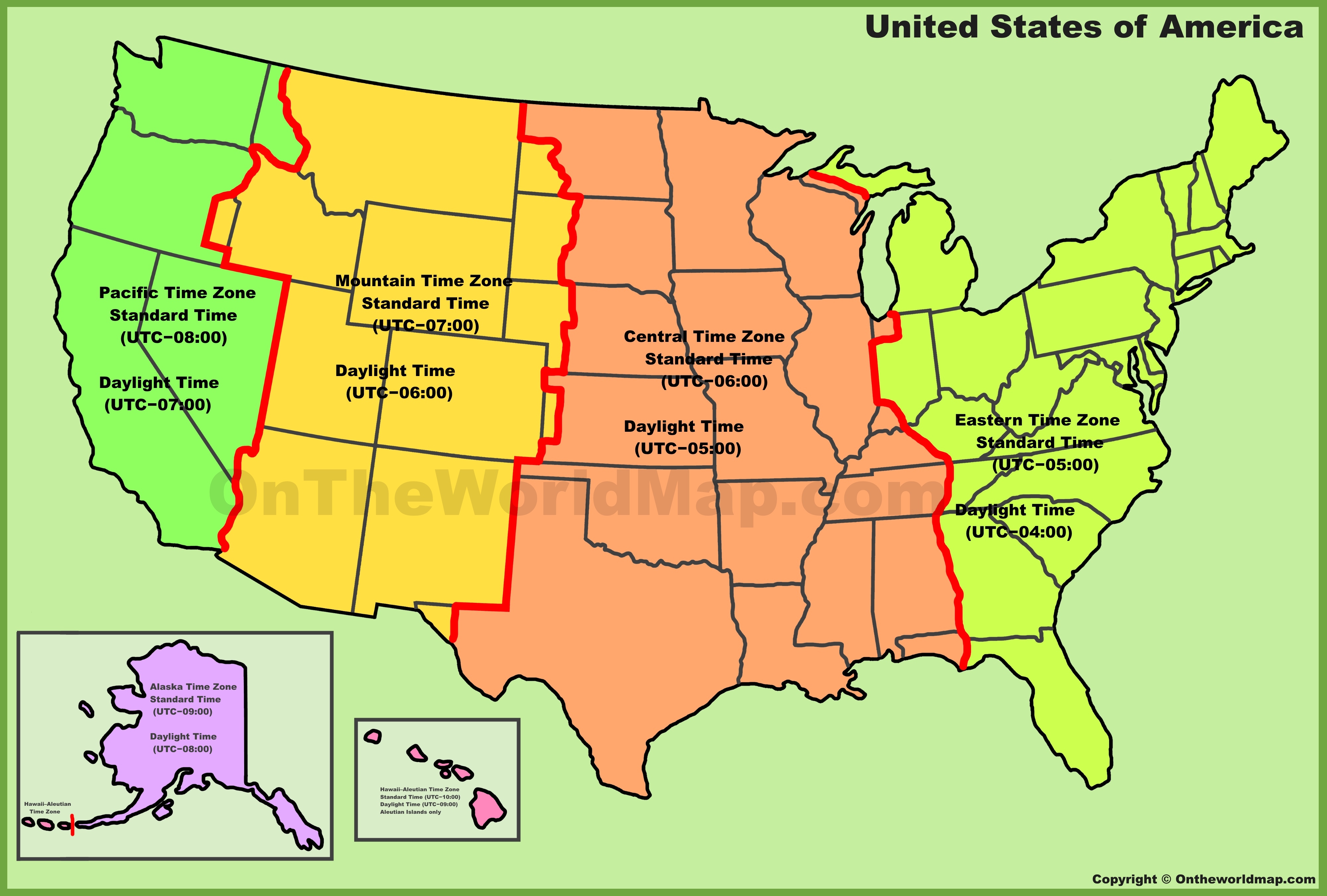
This means that Las Vegas operates on Pacific Standard Time (PST) during the winter months, which is 8 hours behind Universal Coordinated Time (UTC). During the spring, summer, and fall, it switches to Pacific Daylight Time (PDT), moving forward by one hour, making it UTC-7. This seasonal shift, known as Daylight Saving Time, typically occurs on the second Sunday in March when clocks spring forward, and on the first Sunday in November when they fall back. For visitors from other parts of the United States or internationally, this time difference can significantly impact travel plans, daily routines, and overall enjoyment of this unique destination. This article delves into the specifics of Las Vegas’s time zone, its implications for travelers, and how understanding it can enhance your experience in the city that never truly sleeps.
Understanding Pacific Time: Nevada’s Temporal Rhythm
The Pacific Time Zone is one of four primary time zones in the continental United States, and its influence stretches far beyond the borders of Nevada. For anyone planning a trip to Las Vegas, grasping the nuances of this time zone is the first step towards a well-organized and enjoyable visit.
The Basics: PST vs. PDT
The distinction between Pacific Standard Time (PST) and Pacific Daylight Time (PDT) is fundamental to understanding the local time in Las Vegas throughout the year. From early November to mid-March, Las Vegas observes PST, which is UTC minus 8 hours. This period offers darker mornings and earlier sunsets, potentially impacting travel itineraries, especially for those planning outdoor excursions or seeking natural light for photography. Conversely, from mid-March to early November, the city switches to PDT, which is UTC minus 7 hours. This change moves the clock forward by one hour, providing longer daylight hours in the evening, a feature particularly cherished by tourists who wish to explore the city’s myriad attractions or enjoy its vibrant nightlife under a brighter sky. The observance of Daylight Saving Time is consistently applied across Nevada, ensuring that visitors arriving from states like Arizona, which largely do not observe Daylight Saving Time, are aware of the potential one-hour difference even between neighboring states during certain periods of the year. For instance, traveling across the Nevada-Arizona border might momentarily shift your local time, a detail that’s especially pertinent for those embarking on day trips to attractions like the Grand Canyon.
Geographic Context: Who Else Shares Pacific Time?
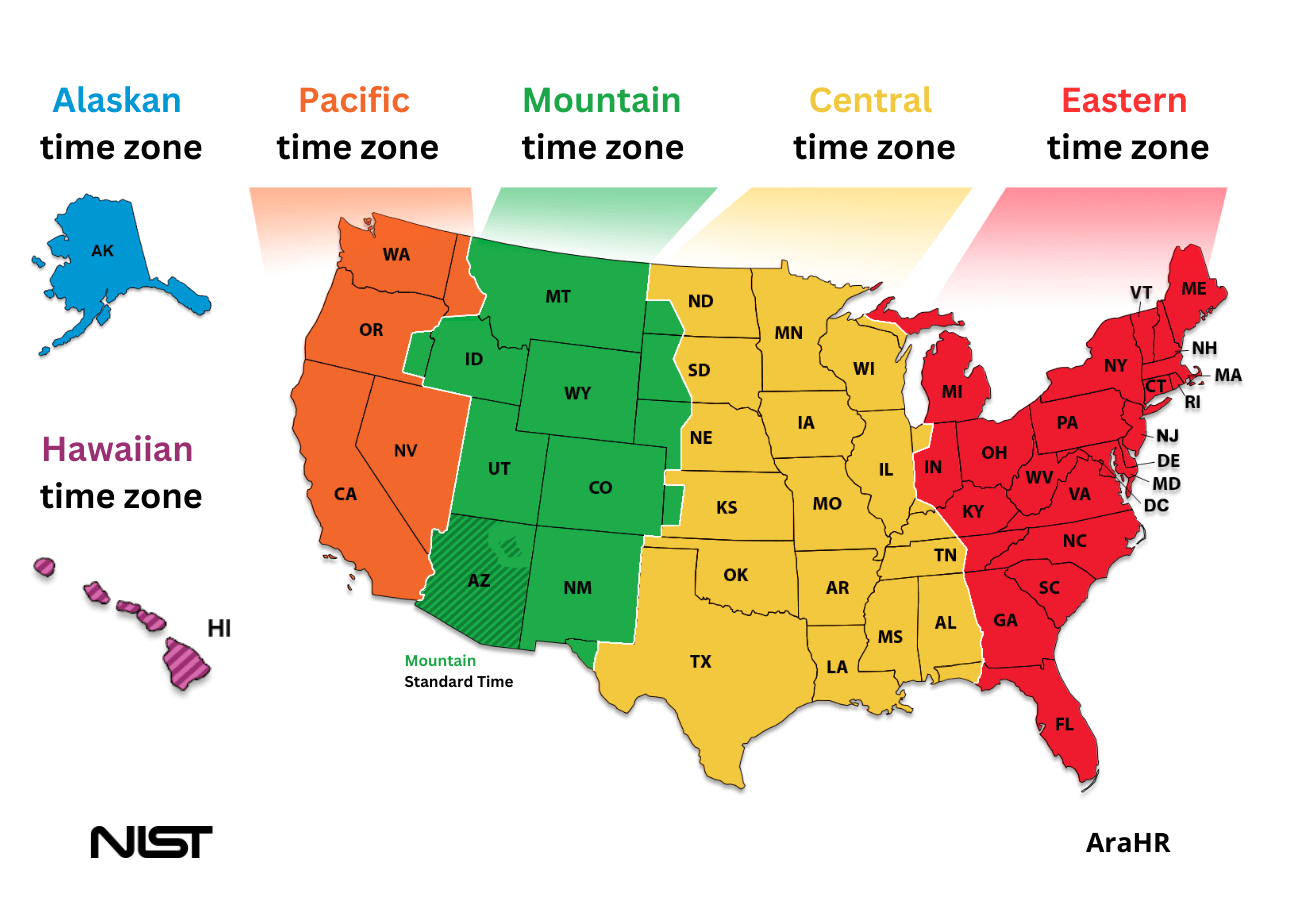
The Pacific Time Zone encompasses a significant portion of the western United States and parts of Canada and Mexico. In the United States, this includes the entire states of California, Oregon, and Washington, as well as a large portion of Nevada and the northern panhandle of Idaho. This shared time zone is particularly relevant for travelers arriving from these regions, as their internal clocks will already be aligned with Las Vegas, making for a seamless transition. For example, a flight from Los Angeles or San Francisco to Las Vegas will involve no time change upon arrival, which is a definite advantage for weekend getaways. Similarly, visitors from major Pacific Time cities such as Seattle will find their schedules perfectly synchronized. Understanding this geographic alignment helps in planning cross-state road trips or multi-city itineraries that include Las Vegas as a stop. However, for those traveling from the Mountain Time Zone (e.g., Salt Lake City), there will be a one-hour difference, and from the Central Time Zone or Eastern Time Zone, the difference increases to two or three hours, respectively. These differences become critical factors when coordinating arrival times, business meetings, or simply staying in touch with friends and family back home.
Navigating Time Differences: A Traveler’s Guide to Las Vegas
For many travelers, particularly those journeying from the East Coast of the United States or from international destinations, the time difference can present a significant hurdle to an immediate dive into the Las Vegas experience. Effectively managing this temporal shift is key to ensuring a smooth and enjoyable trip, from overcoming jet lag to meticulously planning your itinerary.
Overcoming Jet Lag: Tips for a Seamless Arrival
Jet lag is a common challenge for travelers crossing multiple time zones, and Las Vegas’s Pacific Time Zone often means a substantial shift for many. For instance, travelers from New York or Miami on the East Coast will experience a three-hour time difference upon arrival. Those coming from Europe (e.g., London, Paris) or Asia (e.g., Tokyo, Sydney) will face even greater adjustments, often seven hours or more. To combat jet lag, start adjusting your sleep schedule a few days before your trip by incrementally shifting your bedtime closer to Las Vegas time. On the plane, stay hydrated and avoid excessive alcohol or caffeine. Upon arrival at Harry Reid International Airport, try to expose yourself to natural light if it’s daytime, as this helps reset your body’s internal clock. Resist the urge to nap for too long; instead, try to stay awake until the local evening and go to bed at a reasonable Pacific Time. Engaging in light activities, such as exploring your resort or taking a casual stroll along the Las Vegas Strip, can also help you acclimate. Hotels like the Bellagio or The Venetian Resort offer luxurious and comfortable environments perfect for recuperation, ensuring you’re refreshed and ready to experience the city’s full splendor.
Planning Your Itinerary: Maximizing Your Las Vegas Experience
The time zone in Las Vegas plays a critical role in scheduling your activities, especially given the city’s round-the-clock nature. While casinos and some dining establishments operate 24/7, many shows, tours, and specific attractions adhere to strict time slots. For instance, popular Cirque du Soleil shows at venues like ARIA Resort & Casino or MGM Grand typically have evening performances starting between 7:00 PM and 9:30 PM PDT/PST. Booking these well in advance, and being mindful of the time difference, prevents missed curtain calls. Similarly, day trips to natural wonders such as the Grand Canyon, Hoover Dam, Red Rock Canyon, or Valley of Fire State Park often involve early morning departures to avoid the midday heat and maximize sightseeing time. Understanding the Pacific Time Zone is essential for coordinating these excursions, particularly if you’re joining a guided tour where punctuality is paramount. Even meal reservations at high-demand restaurants like those found at Caesars Palace or The Palazzo should be made with your internal clock in mind, allowing enough buffer time for travel and potential delays. By carefully mapping out your itinerary and accounting for the time zone, you can seamlessly navigate Las Vegas’s offerings without feeling rushed or out of sync.

Hotels and Hospitality: Time Management in the Entertainment Capital
In a city famed for its perpetual motion and dedication to guest satisfaction, hotels and hospitality services in Las Vegas are experts at managing time, not just for operational efficiency but also to enhance the visitor experience. From the moment guests check-in to their late-night adventures, every aspect is carefully coordinated within the Pacific Time Zone framework.
Check-in/Check-out Times and Hotel Operations
The fixed check-in and check-out times at Las Vegas hotels, such as Bellagio, Caesars Palace, or The Venetian Resort, are set according to Pacific Time, typically around 3:00 PM or 4:00 PM for check-in and 11:00 AM for check-out. For travelers arriving from time zones further east, an early morning arrival might mean a several-hour wait before their room is ready. While many resorts offer luggage storage and early check-in options (sometimes for an additional fee), it’s a detail worth considering when booking flights to Harry Reid International Airport. Conversely, a late departure can be accommodated with a late check-out, again often for a charge, allowing guests to enjoy more of their last day without feeling rushed. Beyond guest services, the entire operational backbone of these massive resorts, from convention scheduling to housekeeping and restaurant shifts, is meticulously synchronized to the Pacific Time Zone. This precise time management ensures that the city’s dynamic flow of events, entertainment, and services runs like a well-oiled machine, supporting the seamless experience that visitors have come to expect from Las Vegas.
The 24/7 Rhythm: Casinos, Dining, and Entertainment
Perhaps no other city embodies a 24/7 lifestyle quite like Las Vegas. The casinos, from the sprawling gaming floors of the MGM Grand to the opulent settings of ARIA Resort & Casino, operate continuously, allowing visitors to try their luck at any hour of the day or night. This constant activity often blurs the traditional perception of time for guests, where the artificial lighting and endless entertainment make it easy to lose track of whether it’s dawn or dusk. Many dining establishments, particularly those within the major resorts, also cater to this non-stop rhythm, offering late-night menus or even 24-hour options to satisfy cravings at any time. Nightclubs and bars along the Las Vegas Strip famously open their doors in the late evening and often don’t close until the early hours of the morning, providing entertainment until sunrise. This unique aspect of Las Vegas life means that while the city strictly adheres to the Pacific Time Zone, the inherent schedule flexibility offers a liberating sense of timelessness for visitors. For those looking to fully immerse themselves in the Las Vegas experience, embracing this round-the-clock availability, while still being mindful of personal well-being and managing sleep, is part of the adventure.
Beyond the Clock: Time’s Influence on Las Vegas Landmarks and Lifestyle
The observation of Pacific Time Zone in Las Vegas isn’t just about synchronizing watches; it subtly shapes how visitors interact with the city’s most iconic landmarks and the overall lifestyle it promotes. From scheduled performances to the unique perception of time within its dazzling confines, the clock dictates much of the Las Vegas experience.
Iconic Landmarks and Optimal Visiting Times
Many of Las Vegas’s most celebrated landmarks and attractions are intrinsically tied to the local time, particularly concerning daylight and evening schedules. The mesmerizing Fountains of Bellagio, for instance, perform more frequently in the evenings, with shows typically starting every 15 minutes after 8:00 PM PDT/PST, compared to less frequent daytime displays. The best time to experience the dazzling lights of the Fremont Street Experience downtown is naturally after sunset, when the Viva Vision canopy comes alive with spectacular light and sound shows. Similarly, ascending the Stratosphere Tower (now known as The Strat) for panoramic views offers a completely different ambiance during the day versus at night, with the latter providing a breathtaking spectacle of the illuminated Las Vegas Strip. Even for outdoor excursions like exploring Red Rock Canyon or Valley of Fire State Park, the Pacific Time Zone dictates optimal visiting times to avoid extreme heat during summer afternoons or to catch the perfect light for photography during sunrise or sunset. Understanding these timings, aligned with the Pacific Time Zone, allows travelers to plan strategically, ensuring they don’t miss out on the most impactful viewing experiences of these world-renowned attractions.
A City That Never Sleeps: The Las Vegas Lifestyle and Time Perception
The very essence of the Las Vegas lifestyle is intertwined with its unique relationship with time. While adhering to the Pacific Time Zone for official purposes, the city actively encourages a suspension of typical temporal awareness for its visitors. The absence of windows in many casinos, coupled with consistent, bright artificial lighting, deliberately disorients guests, making it challenging to distinguish between day and night. This environment fosters an atmosphere where entertainment, dining, and gaming can continue unabated, liberating visitors from the constraints of their usual routines. For many, this is part of the allure – a chance to escape the everyday and immerse themselves in a world where the clock seems to matter less. Luxury hotels and resorts, such as The Palazzo or Bellagio, curate experiences that capitalize on this timelessness, offering amenities and services around the clock. Whether it’s a late-night show, a 3 AM steak dinner, or a dawn-breaking slot session, Las Vegas thrives on the idea that the “right time” is whenever you choose it to be. This unique aspect, driven by careful planning within the Pacific Time Zone framework, ultimately defines the unparalleled, exhilarating lifestyle that makes Las Vegas a truly exceptional destination.
In conclusion, Las Vegas, Nevada, operates in the Pacific Time Zone, observing both Pacific Standard Time (PST) and Pacific Daylight Time (PDT) throughout the year. While this is a straightforward fact, its implications for travelers are far-reaching. From managing jet lag effectively and planning a meticulously timed itinerary of shows and excursions to understanding hotel operations and immersing oneself in the city’s 24/7 lifestyle, a grasp of the local time is indispensable. Las Vegas expertly blends the rigidity of the clock with the liberating illusion of timelessness, creating a destination where every moment, regardless of the hour, can be filled with unforgettable experiences. By acknowledging and planning for the Pacific Time Zone, visitors can ensure their trip to the glittering desert oasis is as smooth, enjoyable, and perfectly timed as possible.
LifeOutOfTheBox is a participant in the Amazon Services LLC Associates Program, an affiliate advertising program designed to provide a means for sites to earn advertising fees by advertising and linking to Amazon.com. Amazon, the Amazon logo, AmazonSupply, and the AmazonSupply logo are trademarks of Amazon.com, Inc. or its affiliates. As an Amazon Associate we earn affiliate commissions from qualifying purchases.