
Understanding the time zone of a destination is a fundamental piece of information for any traveler. It impacts everything from flight schedules and hotel check-ins to planning sightseeing and dining experiences. For those considering a trip to the picturesque state of New Hampshire, knowing its time zone is the first step in ensuring a smooth and enjoyable journey. This guide will demystify the time zone of New Hampshire and provide essential context for travelers.
Eastern Time: The Standard for New Hampshire
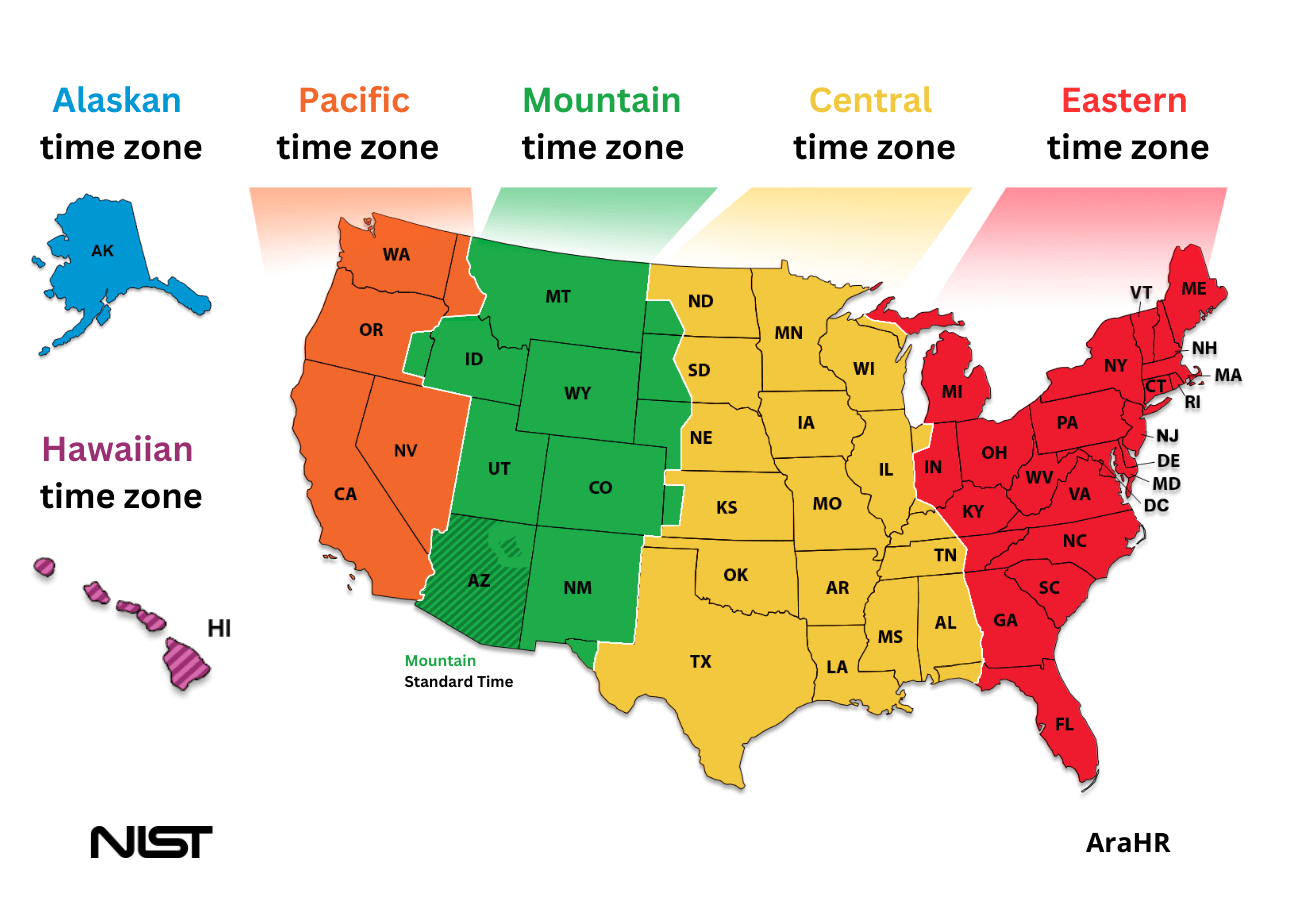
New Hampshire observes Eastern Time (ET). This is a crucial detail for anyone coordinating travel plans, whether it involves booking flights into Manchester-Boston Regional Airport or setting up meetings in Concord. Eastern Time is one of the most widely used time zones in North America, encompassing a significant portion of the eastern United States and Canada.

Understanding Eastern Standard Time (EST) and Eastern Daylight Time (EDT)
Like most of the United States, New Hampshire adheres to Daylight Saving Time. This means the state observes two distinct periods within Eastern Time:
-
Eastern Standard Time (EST): This is the standard time observed during the fall and winter months. EST is UTC-5, meaning it is five hours behind Coordinated Universal Time (UTC). For example, if it’s 12:00 PM EST in New Hampshire, it is 5:00 PM UTC. During EST, popular activities like visiting the Old Man of the Mountain or exploring the scenic Kancamagus Highway will align with this time.
-
Eastern Daylight Time (EDT): This is the daylight-saving time observed during the spring and summer months. EDT is UTC-4, meaning it is four hours behind Coordinated Universal Time (UTC). When Daylight Saving Time is in effect, clocks are advanced by one hour. This provides an extra hour of daylight in the evening, which is particularly beneficial for enjoying outdoor attractions such as hiking in the White Mountains National Forest or exploring the coastline around Portsmouth.
The transition between EST and EDT typically occurs on the second Sunday in March (when clocks spring forward) and the first Sunday in November (when clocks fall back). It’s essential for travelers to be aware of these dates to avoid confusion when planning their itineraries. For instance, if you are booking a ferry trip from Portsmouth to the Isles of Shoals, knowing whether it’s EST or EDT can affect departure and arrival times.
Navigating Time Zone Differences for Travelers
When planning a trip to New Hampshire from another time zone, understanding the difference is paramount. This is especially true for international travelers or those coming from different regions within the United States.
Impact on Travel Itineraries
The time zone of New Hampshire directly influences the scheduling of your entire trip.
-
Flight Bookings: When booking flights into airports like Manchester-Boston Regional Airport or Portsmouth International Airport at Pease, all times will be listed in local New Hampshire time, which is Eastern Time. Ensure you factor in the time difference when calculating your arrival and departure times relative to your origin. For example, a flight departing from Los Angeles (Pacific Time) to Manchester will have a significant time difference to account for.
-
Accommodation Bookings: Hotel check-in and check-out times are always local. Whether you’re staying at a charming bed and breakfast in North Conway or a resort in the Lake Winnipesaukee region, the published times will be in Eastern Time.
-
Activities and Dining: Reservations for popular restaurants, tours, and attractions in New Hampshire will also be in Eastern Time. This is crucial for planning your daily schedule, from enjoying breakfast at a local diner in Dover to attending an evening performance at the Capitol Center for the Arts in Concord.
Bridging the Gap: Strategies for Time Zone Adjustment
Adjusting to a new time zone can sometimes be challenging. Here are a few tips to help make the transition smoother when visiting New Hampshire:
-
Pre-Trip Research: Familiarize yourself with the time difference before you depart. Understanding how many hours ahead or behind New Hampshire you are will help you mentally prepare and adjust your personal schedule accordingly.
-
Adjust Your Watch/Phone: Upon arrival, immediately set your watch and phone to the local time in New Hampshire. This will prevent confusion and ensure you are on schedule for all your planned activities. Most smartphones automatically update their time zones when connected to a network.
-
Embrace Local Rhythms: Try to adopt the local schedule as soon as possible. Eat meals at local times, and try to sleep and wake according to the New Hampshire day-night cycle. This will help your body naturally adjust. For example, enjoying the early morning mist over Lake Winnipesaukee or participating in a sunset cruise will feel more natural if you’re aligned with the local clock.
-
Stay Hydrated and Avoid Jet Lag: Drink plenty of water, especially on the day of arrival. While not strictly time zone-related, staying hydrated can significantly help in mitigating the effects of jet lag, which is often exacerbated by time zone changes.
Time Zones in Neighboring States and Beyond
Understanding New Hampshire’s time zone is also beneficial when considering travel to adjacent regions or understanding broader geographical time zone patterns.
Eastern Time Zone Neighbors
New Hampshire is part of a vast contiguous time zone. Many of its neighboring states also observe Eastern Time, simplifying travel within this region.
-
Maine: To the east, Maine operates on Eastern Time. This means a drive from Portsmouth, New Hampshire to a city like Portland, Maine does not involve a time zone change.
-
Vermont: To the west, Vermont also observes Eastern Time. Traveling from Lebanon, New Hampshire to Burlington, Vermont means you remain within the same time zone.
-
Massachusetts: To the south, Massachusetts is on Eastern Time. A short trip from Nashua, New Hampshire to Boston, Massachusetts will not require any time adjustments.
-
New York: To the west and southwest, the majority of New York also falls within the Eastern Time Zone, making travel between these states seamless in terms of time.
Areas Outside Eastern Time
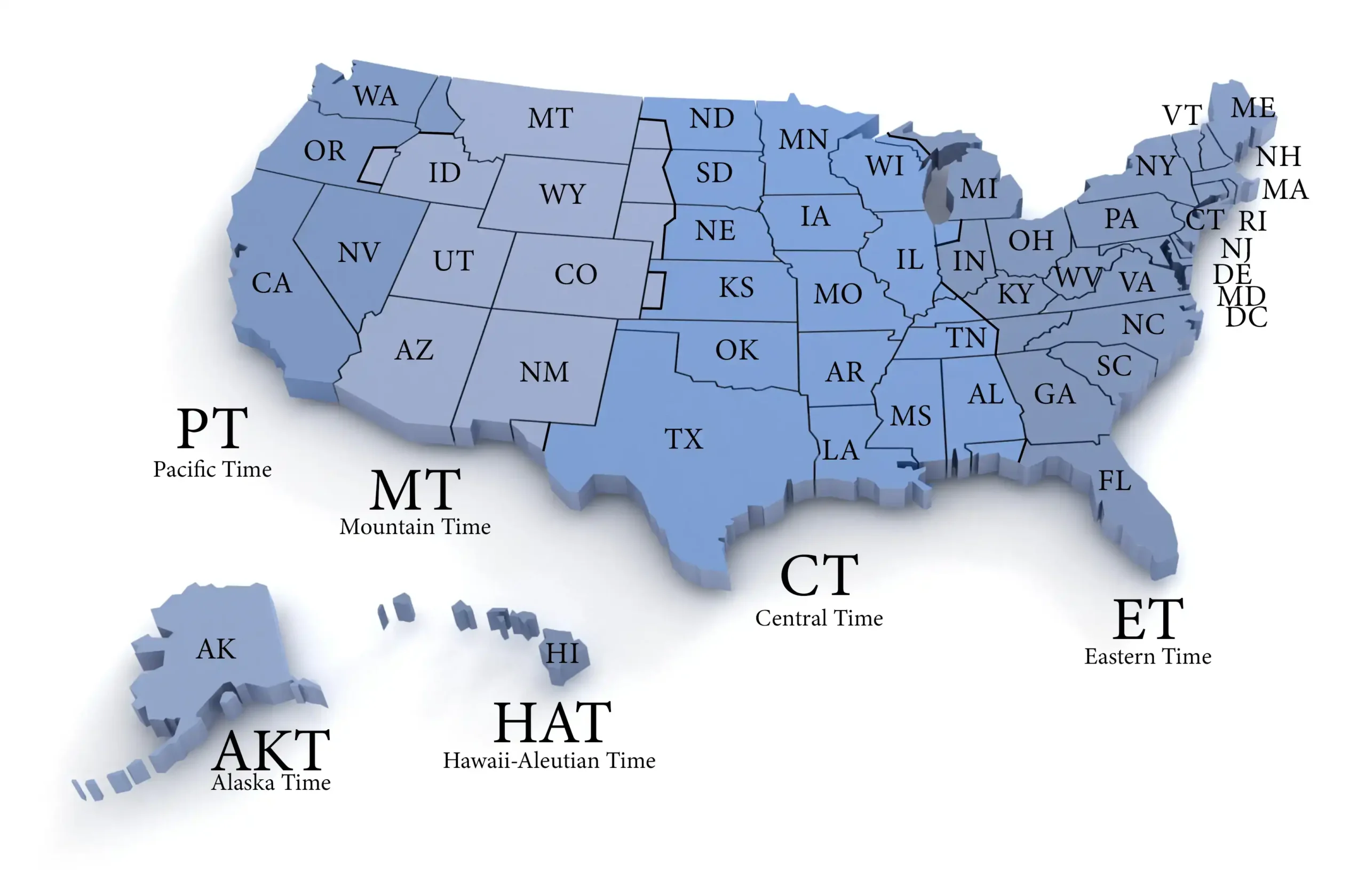
While most of the Northeast Corridor observes Eastern Time, it’s worth noting that other parts of the United States operate on different time zones. This context is important for travelers venturing further afield.
-
Central Time Zone (CT): This zone is one hour behind Eastern Time (UTC-6 for CST, UTC-5 for CDT). States like Illinois, Texas, and much of the Midwest are in CT. A flight from Concord to Chicago would involve a one-hour shift back.
-
Mountain Time Zone (MT): This zone is two hours behind Eastern Time (UTC-7 for MST, UTC-6 for MDT). States like Colorado, Arizona (which largely does not observe Daylight Saving Time and remains on MST year-round, making it UTC-7), and Montana are in MT. Traveling from the serene landscapes of the White Mountains to the majestic Rocky Mountains would require a two-hour adjustment.
-
Pacific Time Zone (PT): This zone is three hours behind Eastern Time (UTC-8 for PST, UTC-7 for PDT). States like California, Oregon, and Washington are in PT. A trip from the historic seaports of New Hampshire to the bustling cities of the West Coast would mean setting your watch back by three hours.
By understanding New Hampshire’s place within the Eastern Time Zone and its relationship to other time zones, travelers can more effectively plan their journeys, book accommodations, and immerse themselves in the experiences this beautiful New England state has to offer. Whether you are drawn to the rugged beauty of the White Mountains, the charming coastal towns like Portsmouth, or the vibrant city life in Manchester, knowing the time is the first step to a perfectly executed adventure.
LifeOutOfTheBox is a participant in the Amazon Services LLC Associates Program, an affiliate advertising program designed to provide a means for sites to earn advertising fees by advertising and linking to Amazon.com. Amazon, the Amazon logo, AmazonSupply, and the AmazonSupply logo are trademarks of Amazon.com, Inc. or its affiliates. As an Amazon Associate we earn affiliate commissions from qualifying purchases.