
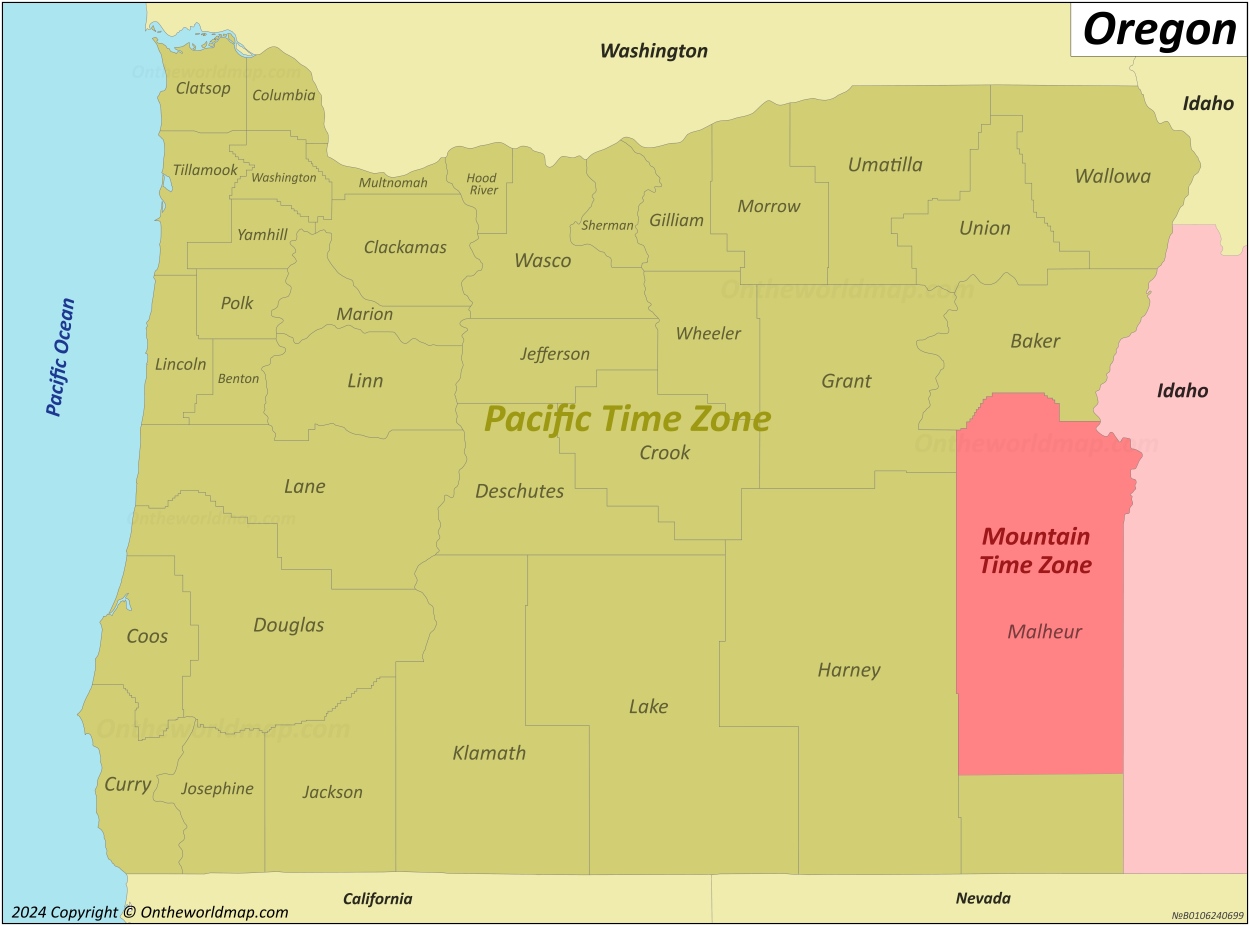
Understanding the local time in Portland, Oregon is a fundamental aspect of planning any trip to this vibrant Pacific Northwest city. Whether you’re coordinating arrival times, scheduling activities, or simply trying to connect with locals, being aware of the prevailing time zone ensures a smooth and efficient experience. Portland observes Pacific Standard Time (PST) during the winter months and transitions to Pacific Daylight Time (PDT) when daylight saving time is in effect. This temporal duality is a common characteristic across much of the United States and impacts daily life, from business operations to personal schedules.

The geographic location of Oregon firmly places it within the westernmost time zone of the contiguous United States. This strategic positioning influences everything from the timing of flight arrivals at Portland International Airport to the opening hours of popular attractions like the International Rose Test Garden.
Navigating Daylight Saving Time
The practice of Daylight Saving Time (DST) is a significant factor when determining the current time in Portland. In the United States, DST typically begins on the second Sunday in March and ends on the first Sunday in November. During these periods, clocks are advanced by one hour, effectively shifting daylight from the morning to the evening.
The Transition Periods
The transitions into and out of DST can sometimes cause minor confusion, especially for travelers who may not be accustomed to the practice. It’s important to be aware of these dates each year to accurately gauge the time difference when communicating with people in other time zones or when booking flights and accommodations. For instance, if you are traveling from a region that does not observe DST, you will need to account for the one-hour shift when your arrival time is scheduled during these transition weeks.
Impact on Travel Schedules
For travelers arriving in Portland, understanding DST is crucial for itinerary planning. If your flight is scheduled to arrive at 8 PM PDT, this translates to 7 PM PST. This distinction, though seemingly small, can impact your ability to make dinner reservations, attend evening events, or simply settle into your hotel room at The Nines, a Luxury Collection Hotel, Portland or a more budget-friendly option like the Jupiter NEXT.
Time Zone Conventions in the United States
The United States is divided into six main time zones: Eastern Standard Time (EST), Central Standard Time (CST), Mountain Standard Time (MST), Pacific Standard Time (PST), Alaska Standard Time (AKST), and Hawaii-Aleutian Standard Time (HST).
Pacific Standard Time (PST) and Pacific Daylight Time (PDT)
Portland, Oregon, along with the rest of the Pacific Coast states like California and Washington, operates on Pacific Time. This means that during standard time, Portland is three hours behind New York City (which observes EST) and one hour behind Denver, Colorado (which observes MST). When DST is in effect, Portland is on PDT, maintaining the same time difference relative to other zones.
Geographical Boundaries
The establishment of time zones is a matter of both geography and legislation. While the continental United States has defined zones that generally follow lines of longitude, the implementation of DST is determined by federal law, with some states opting out. Oregon, like most of the country, adheres to DST.

Practical Implications for Visitors
For any traveler heading to Portland, understanding the local time is more than just a matter of curiosity; it has direct implications for your travel plans, communication, and overall experience.
Scheduling Activities and Dining
When planning your visit, whether it’s a tour of the Oregon Zoo or a culinary exploration of the city’s renowned food scene, knowing the local time is paramount. Many restaurants in Portland take reservations, and their opening and closing times will be based on the local time zone. Similarly, guided tours, museum hours, and performance schedules are all synchronized with PST/PDT. For example, if a concert at the Arlene Schnitzer Concert Hall is advertised to start at 7:30 PM, it means 7:30 PM Pacific Time.
Coordinating with Others
If you are meeting friends, family, or business associates in Portland, always confirm the local time zone. A simple text message like “See you at 2 PM in Portland!” could lead to confusion if the sender is in a different time zone and hasn’t specified. It’s best practice to be explicit: “See you at 2 PM Pacific Time in Portland.” This clarity prevents missed meetings and ensures everyone is on the same page, whether you’re meeting for coffee at a local cafe or planning a visit to the Powell’s City of Books.
Business and Professional Engagements
For those traveling to Portland for business, the time zone is a critical factor in coordinating meetings, conference calls, and site visits. Companies operating across different time zones often have specific protocols for scheduling such events. When scheduling a conference call with a partner in New York, for example, confirming whether the time is listed in EST or PST is essential to avoid miscommunications that could disrupt important business operations. This is also relevant when booking accommodation in business-friendly hotels like the Kimpton Hotel Vintage Portland.
The Pacific Northwest and Time
The time zone in Portland is intrinsically linked to its location within the broader Pacific Northwest region. This vast geographical area, characterized by its stunning natural landscapes and dynamic urban centers, shares the same temporal framework.
Consistency Across the Region
From the coastal cities of Oregon to the mountain towns of Idaho and the bustling metropolises of Washington, Pacific Time is the norm. This regional consistency simplifies travel and communication for those journeying between these states. For instance, a road trip from Seattle, Washington to Portland, Oregon involves no time zone change, making navigation straightforward.
Understanding Time Differences with Other Destinations
When planning a trip that involves multiple destinations across the United States, it’s helpful to have a clear understanding of the time differences.
- Portland vs. Eastern Time (e.g., New York City, Miami): Portland is 3 hours behind. If it’s 12 PM in New York, it’s 9 AM in Portland.
- Portland vs. Central Time (e.g., Chicago, Dallas): Portland is 2 hours behind. If it’s 12 PM in Chicago, it’s 10 AM in Portland.
- Portland vs. Mountain Time (e.g., Denver, Salt Lake City): Portland is 1 hour behind. If it’s 12 PM in Denver, it’s 11 AM in Portland.
- Portland vs. Alaska Time: Portland is 4 hours ahead of Alaska Standard Time.
- Portland vs. Hawaii Time: Portland is 3 hours ahead of Hawaii Standard Time, which does not observe DST.
This knowledge is invaluable for booking flights, planning calls with family and friends, and ensuring you don’t miss out on any scheduled activities, whether it’s a guided hike in the Columbia River Gorge or a tasting tour of Oregon’s craft breweries.
LifeOutOfTheBox is a participant in the Amazon Services LLC Associates Program, an affiliate advertising program designed to provide a means for sites to earn advertising fees by advertising and linking to Amazon.com. Amazon, the Amazon logo, AmazonSupply, and the AmazonSupply logo are trademarks of Amazon.com, Inc. or its affiliates. As an Amazon Associate we earn affiliate commissions from qualifying purchases.