
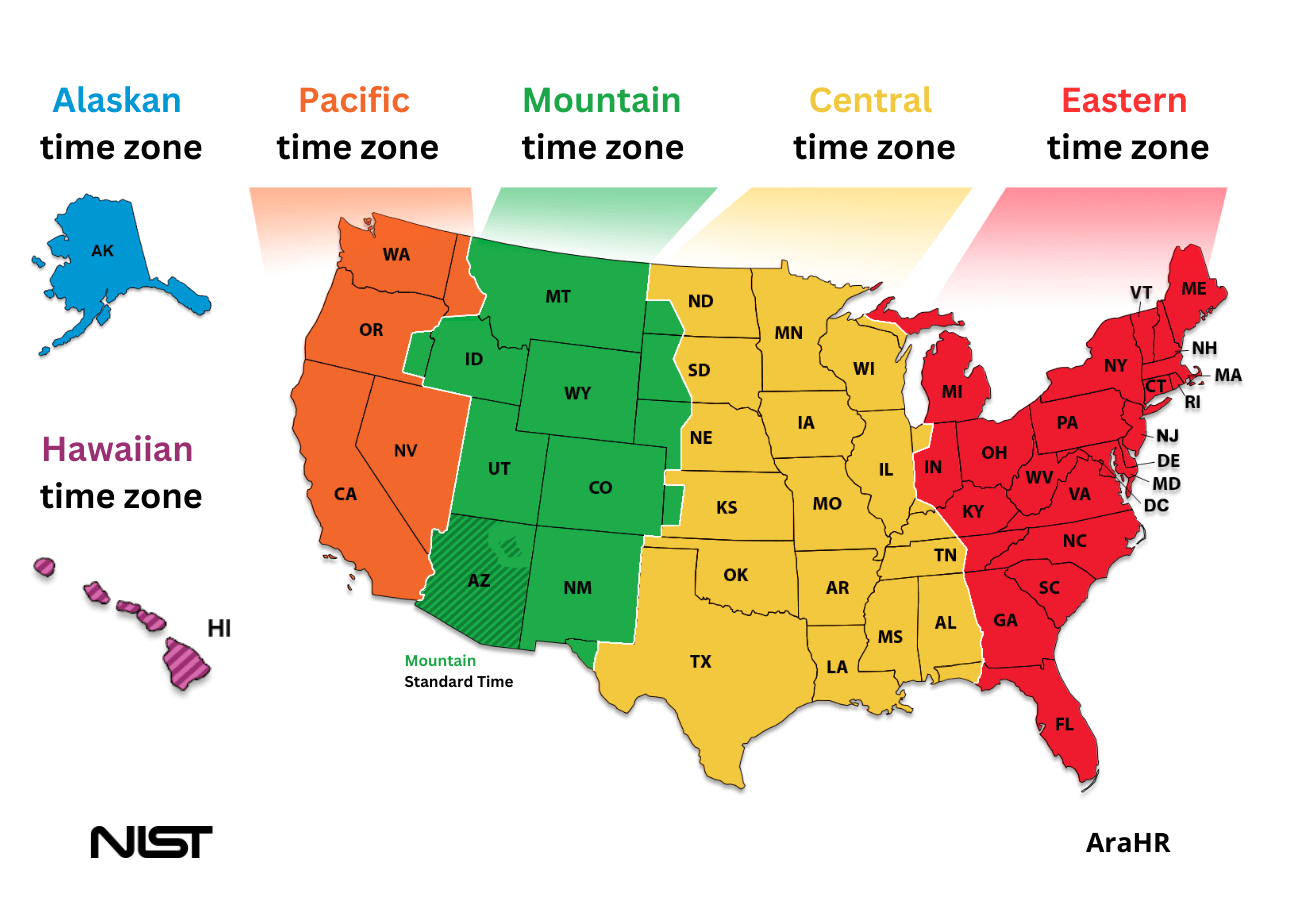
Planning a trip to the iconic City by the Bay often involves meticulously researching attractions, securing the perfect accommodation in a vibrant neighborhood, and perhaps even mapping out a gastronomic adventure. Yet, one fundamental detail that can significantly impact your travel experience, especially for those venturing from afar, is understanding the local time zone. So, what time zone is San Francisco, California, in?
San Francisco operates on Pacific Standard Time (PST) for roughly half the year and Pacific Daylight Time (PDT) for the other half. This means that from early November to mid-March, the city aligns with PST, which is UTC-8 (Coordinated Universal Time minus eight hours). From mid-March to early November, it switches to PDT, which is UTC-7. This observance of Daylight Saving Time is crucial for both domestic and international travelers, influencing everything from flight arrival schedules to the timing of your Golden Gate Bridge sunset views.
Understanding this dynamic is more than just knowing what time to set your watch; it’s about optimizing your journey, minimizing the effects of jet lag, and ensuring you make the most of every moment in this captivating destination. Whether you’re a first-time visitor or a seasoned traveler, delving into the nuances of San Francisco’s time zone will undoubtedly enrich your planning and on-the-ground experience.
Understanding San Francisco’s Time Zone: PST and PDT
The rhythm of life in San Francisco, like much of the United States, is dictated by the annual shift between standard time and daylight saving time. This dual system, while sometimes a minor inconvenience, also plays a significant role in how daylight hours are utilized, particularly for tourism and outdoor activities.
The Basics of Pacific Standard Time (PST)
Pacific Standard Time (PST) marks the winter months for San Francisco, generally from the first Sunday in November until the second Sunday in March. During this period, San Francisco is eight hours behind Coordinated Universal Time (UTC-8). This means that when it’s 12:00 PM (noon) in San Francisco under PST, it’s 3:00 PM in New York City (Eastern Standard Time, EST) and 8:00 PM in London (Greenwich Mean Time, GMT/UTC).
For travelers arriving during PST, daylight hours are shorter. The sun rises later and sets earlier, making careful planning essential for maximizing sightseeing during daylight. This period, however, often brings cooler, sometimes rainy weather, contributing to the city’s unique atmospheric charm, especially around the holidays. While the days are shorter, the crisp air and fewer crowds can make for a more intimate exploration of landmarks and indoor attractions.
Embracing Pacific Daylight Time (PDT)
As spring arrives, San Francisco, along with the rest of California and many other regions, shifts to Pacific Daylight Time (PDT). This change typically occurs on the second Sunday in March when clocks “spring forward” by one hour, moving from UTC-8 to UTC-7. This extra hour of daylight in the evening extends through the summer and early fall, until the first Sunday in November when clocks “fall back” to PST.
PDT is a significant boon for tourism and outdoor enthusiasts. The longer evenings mean more time to explore San Francisco’s myriad attractions, enjoy al fresco dining, or simply soak in the extended twilight hours from scenic viewpoints. Imagine a sunset stroll along the Embarcadero or a leisurely dinner in North Beach with plenty of light left to spare. For many, this extended daylight is a major draw for visiting San Francisco during the warmer months, allowing for more comprehensive itineraries and a more relaxed pace of travel.
Navigating Time Differences: A Traveler’s Guide to San Francisco
Understanding San Francisco’s time zone is the first step; effectively navigating its implications is the key to a seamless and enjoyable trip. From managing jet lag to optimizing your daily schedule, being mindful of the clock can transform your experience.
Battling Jet Lag: Tips for a Smooth Transition
Jet lag can significantly dampen the initial days of any travel, particularly when crossing multiple time zones to reach San Francisco. The good news is there are proven strategies to mitigate its effects:
- Pre-Adjust Your Sleep Cycle: A few days before your trip, try to gradually shift your sleep schedule by an hour or two closer to San Francisco’s time.
- Stay Hydrated and Mindful of Diet: Dehydration exacerbates jet lag. Drink plenty of water before, during, and after your flight. Limit caffeine and alcohol, which can disrupt sleep patterns.
- Embrace Sunlight: Upon arrival, expose yourself to natural light, especially in the mornings. This helps reset your body’s internal clock. Take a walk around Union Square or enjoy breakfast outdoors.
- Adjust to Local Time Immediately: Try to eat meals and sleep according to San Francisco’s time from day one. If you arrive in the morning, resist the urge to nap for too long; instead, power through until a reasonable local bedtime.
- Physical Activity: Gentle exercise, like a walk through Golden Gate Park, can help you feel more alert and improve sleep quality later.
By adopting these lifestyle adjustments, you can quickly acclimate and fully immerse yourself in the city’s vibrant energy.
Optimizing Your Itinerary: Time Zone Considerations for Sightseeing
San Francisco is packed with world-class attractions, and smart scheduling can ensure you hit all your desired spots without feeling rushed or missing crucial operating hours.
- Morning Activities: Capitalize on your initial energy by scheduling popular attractions that might get crowded later. Think early morning visits to Alcatraz Island (tickets are time-sensitive and book out far in advance) or exploring the bustling Fisherman’s Wharf before the midday rush.
- Mid-Day Exploration: Use the middle of the day for museums like the California Academy of Sciences or the De Young Museum within Golden Gate Park. These indoor activities are perfect for any time of year and offer a welcome respite.
- Evening Entertainment and Dining: San Francisco’s culinary scene is legendary. Make reservations, especially for popular restaurants in areas like the Mission District or Chinatown. During PDT, the extended daylight enhances evening walks and outdoor dining experiences. Don’t forget to check operating hours for iconic cable car rides or specific tours, which can vary seasonally.
Public transportation, including MUNI buses and streetcars, and the BART subway system, operates on precise schedules. Factor in travel time between destinations, especially during peak hours.
Business Travel and Remote Work in San Francisco
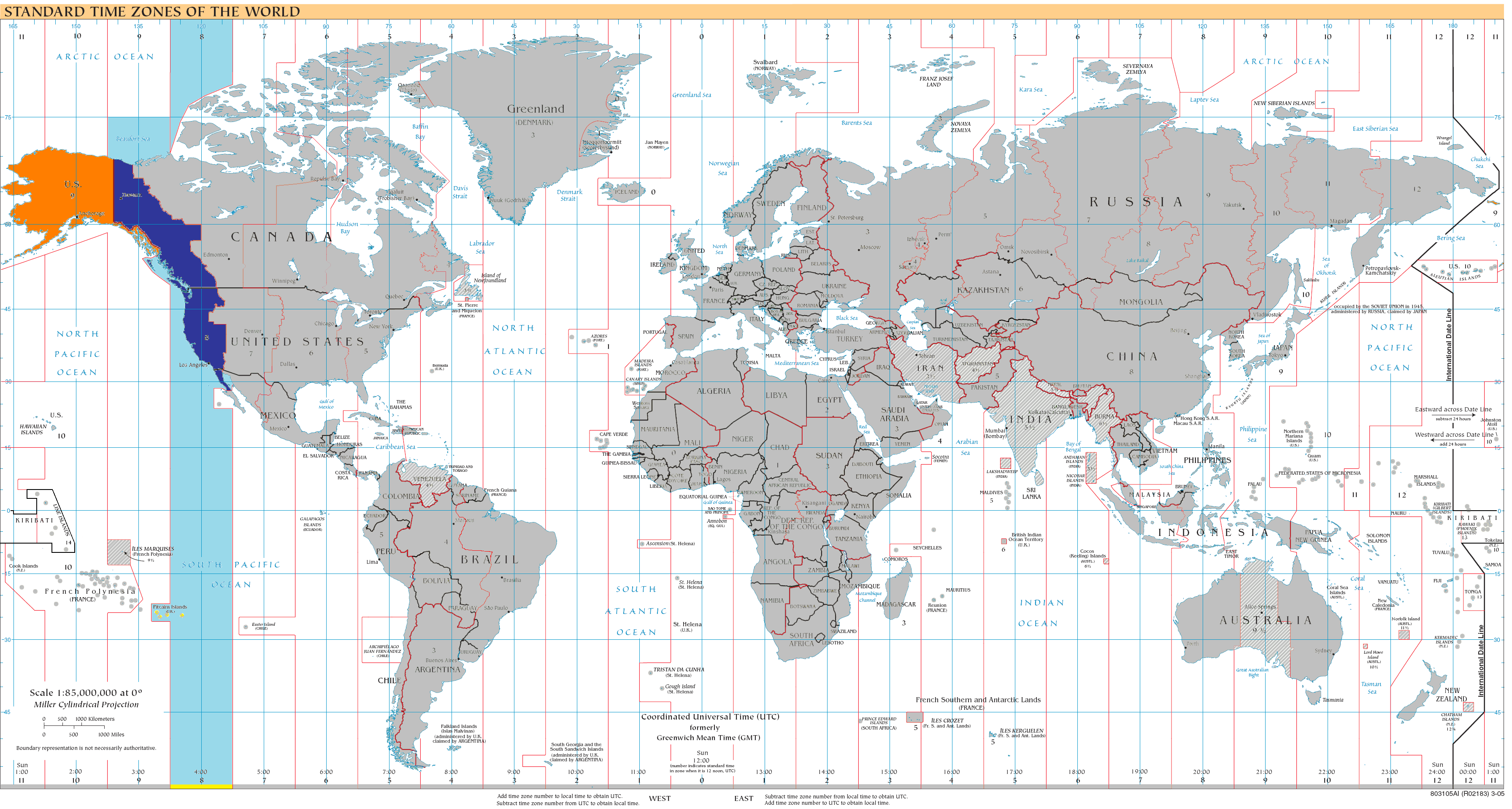
For those traveling to San Francisco for business, or operating remotely from the city, the PST/PDT time zone has unique implications. As a global hub, particularly for tech, San Francisco frequently interacts with teams on the East Coast, in Europe, and Asia.
- Coordinating Meetings: The three-hour difference from the East Coast of the U.S. means early mornings or late afternoons for cross-country calls. International collaboration requires even more strategic planning, often involving late-night or very early morning meetings for those connecting with Europe or Asia.
- Silicon Valley Connection: San Francisco’s proximity to Silicon Valley reinforces its position as a center for innovation. Business travelers often find the PST zone conducive to deep work mornings before the East Coast workday begins to wind down, allowing for focused individual tasks.
- Remote Work Advantages: For digital nomads or those on extended business stays, the flexibility of the PST/PDT zone can be leveraged. Some prefer to start their day earlier to align with colleagues in different time zones, leaving their afternoons free to explore the city or attend local networking events. Many hotels and serviced apartments cater to business travelers, offering excellent Wi-Fi and dedicated workspaces.
San Francisco Beyond the Clock: Maximizing Your Stay
While the time zone provides the framework, San Francisco itself offers an endless canvas of experiences. Integrating the city’s diverse offerings with an awareness of the clock ensures a truly enriching journey.
Accommodation Choices for Every Time Zone Adjustment Strategy
Your choice of accommodation can significantly impact your ability to adjust to the new time zone and maximize your comfort. San Francisco boasts a wide array of options, from luxurious resorts to cozy boutique apartments.
- Luxury Hotels: For ultimate comfort and amenities that aid relaxation, consider upscale hotels like the Ritz-Carlton San Francisco or the St. Regis San Francisco. These establishments often feature spas, fitness centers, and gourmet dining, providing a serene environment to recover from travel fatigue.
- Boutique and Lifestyle Hotels: Hotels like the Hotel Nikko San Francisco offer unique experiences and stylish comfort, often with amenities such as indoor pools or rooftop lounges, perfect for unwinding after a day of exploration.
- Serviced Apartments and Villas: For longer stays or family trips, serviced apartments provide a home-away-from-home feel with kitchens, allowing for self-catering and maintaining a more flexible schedule, which can be beneficial when adjusting to a new time zone. These options are often found in neighborhoods like SOMA or the Marina.
- Location, Location, Location: Staying in a central location, such as Union Square, gives you easy access to public transport and attractions, minimizing travel time and allowing for more spontaneity in your daily plans, especially when you’re feeling less energetic due to jet lag.
Experiencing San Francisco’s Vibrant Culture and Culinary Scene
San Francisco’s culture is a melting pot of innovation, history, and diverse communities. Embracing its rhythm, from dawn to dusk, reveals its true essence.
- Morning Rituals: Start your day like a local with a strong coffee and a pastry from a neighborhood cafe. Consider an early morning jog along the waterfront paths of the Embarcadero, taking in views of Alcatraz and the Bay Bridge as the city awakens.
- Brunch Culture: San Francisco excels at brunch. Enjoy a leisurely late morning meal in neighborhoods like North Beach or the Mission District, where you’ll find everything from classic American fare to international delights.
- Afternoon Delights: Spend your afternoons exploring different neighborhoods. Wander through the colorful streets of Chinatown, immerse yourself in the vibrant murals of the Mission District, or relax in the expansive Golden Gate Park. These daytime activities are perfect for staying active and absorbing the local atmosphere.
- Evening Ambiance: As daylight fades, San Francisco truly comes alive. Indulge in its world-renowned culinary scene, from Michelin-starred restaurants to cozy ethnic eateries. After dinner, catch a show, enjoy live music, or simply stroll through a lively district, soaking in the city lights. During PDT, the extended evenings are perfect for these experiences.
Iconic Landmarks and Their Time-Sensitive Charm
Many of San Francisco’s most beloved landmarks offer distinct experiences depending on the time of day and the time zone.
- The Golden Gate Bridge: A sunrise or sunset visit to the Golden Gate Bridge offers breathtaking photo opportunities. During PDT, the later sunsets provide more flexibility for a leisurely evening visit.
- Alcatraz Island: Ferries to Alcatraz operate on a strict schedule, requiring pre-booked, timed tickets. Planning this in advance, especially considering the time of day, is critical to securing your desired slot.
- Muir Woods National Monument: While not within the city limits, this stunning redwood forest is a popular day trip. Visiting earlier in the morning helps avoid crowds, allowing for a more serene experience among the towering trees, regardless of whether it’s PST or PDT.
- Cable Cars: The famous cable cars run on operating hours that shift slightly with the seasons. Checking their schedule ensures you don’t miss out on this quintessential San Francisco experience.
Planning Your San Francisco Journey: Essential Considerations
A well-planned trip to San Francisco considers not just what to see, but also when to see it, and how the time zone impacts those decisions.
Best Time to Visit and Time Zone Impact
San Francisco’s weather is notoriously unpredictable, often described as having “microclimates.” Generally, late spring (April-May) and early fall (September-October) are considered ideal, offering milder temperatures and less fog.
- Spring/Fall: During these shoulder seasons, the city is usually on PDT for part of spring and PST for part of fall. The benefits of extended daylight in spring (PDT) are apparent, allowing for longer outdoor enjoyment. Fall also offers beautiful weather, though sunsets come earlier as the city transitions back to PST.
- Summer (PDT): While popular, summer in San Francisco (fully under PDT) can be surprisingly cool and foggy, especially in coastal areas. However, the extended daylight hours mean you still have ample time for activities when the fog lifts.
- Winter (PST): Winter brings cooler temperatures and more rain, but also fewer tourists and a distinct holiday charm. The shorter daylight hours (PST) mean careful planning for outdoor activities, but also beautiful, dramatic skies.
Understanding when PDT is active can influence your decision to visit San Francisco, especially if long daylight hours for outdoor experiences are a priority.

Technology and Tools for Time Zone Management
In our digital age, managing time differences is easier than ever.
- Smartphone World Clocks: Utilize your phone’s built-in world clock feature to easily track San Francisco’s time alongside your home time or other relevant time zones.
- Flight Booking Platforms: Most modern flight booking websites automatically display flight times in local time for both departure and arrival, minimizing confusion.
- Online Calendars and Meeting Schedulers: For business travelers, tools like Google Calendar or Outlook automatically adjust meeting times based on participants’ specified time zones, making cross-time zone collaboration seamless.
- Weather Apps: Integrate your understanding of the time zone with weather forecasts to plan activities effectively, especially given San Francisco’s changeable climate.
In conclusion, knowing that San Francisco, California, observes both Pacific Standard Time (PST, UTC-8) and Pacific Daylight Time (PDT, UTC-7) is more than a trivial detail; it’s a foundational piece of information that empowers you to unlock the full potential of your trip. From meticulously planning your itinerary to effectively combating jet lag, and from choosing the perfect accommodation to savoring the city’s unique cultural tapestry, understanding the local time zone is paramount. Embrace this knowledge, and you’ll find yourself better equipped to experience the magic of the City by the Bay, ensuring every moment is cherished and every experience is maximized.
LifeOutOfTheBox is a participant in the Amazon Services LLC Associates Program, an affiliate advertising program designed to provide a means for sites to earn advertising fees by advertising and linking to Amazon.com. Amazon, the Amazon logo, AmazonSupply, and the AmazonSupply logo are trademarks of Amazon.com, Inc. or its affiliates. As an Amazon Associate we earn affiliate commissions from qualifying purchases.