
Navigating the intricacies of time zones can be surprisingly complex, especially when planning travel or connecting with loved ones across distances. For those with their sights set on the heartland of the United States, specifically the vibrant Oklahoma City, understanding its time zone is a fundamental piece of information. This guide delves into the time zone of Oklahoma City, its implications for travelers, and how it aligns with broader US timekeeping.
Understanding Oklahoma City‘s Time Zone: Central Time
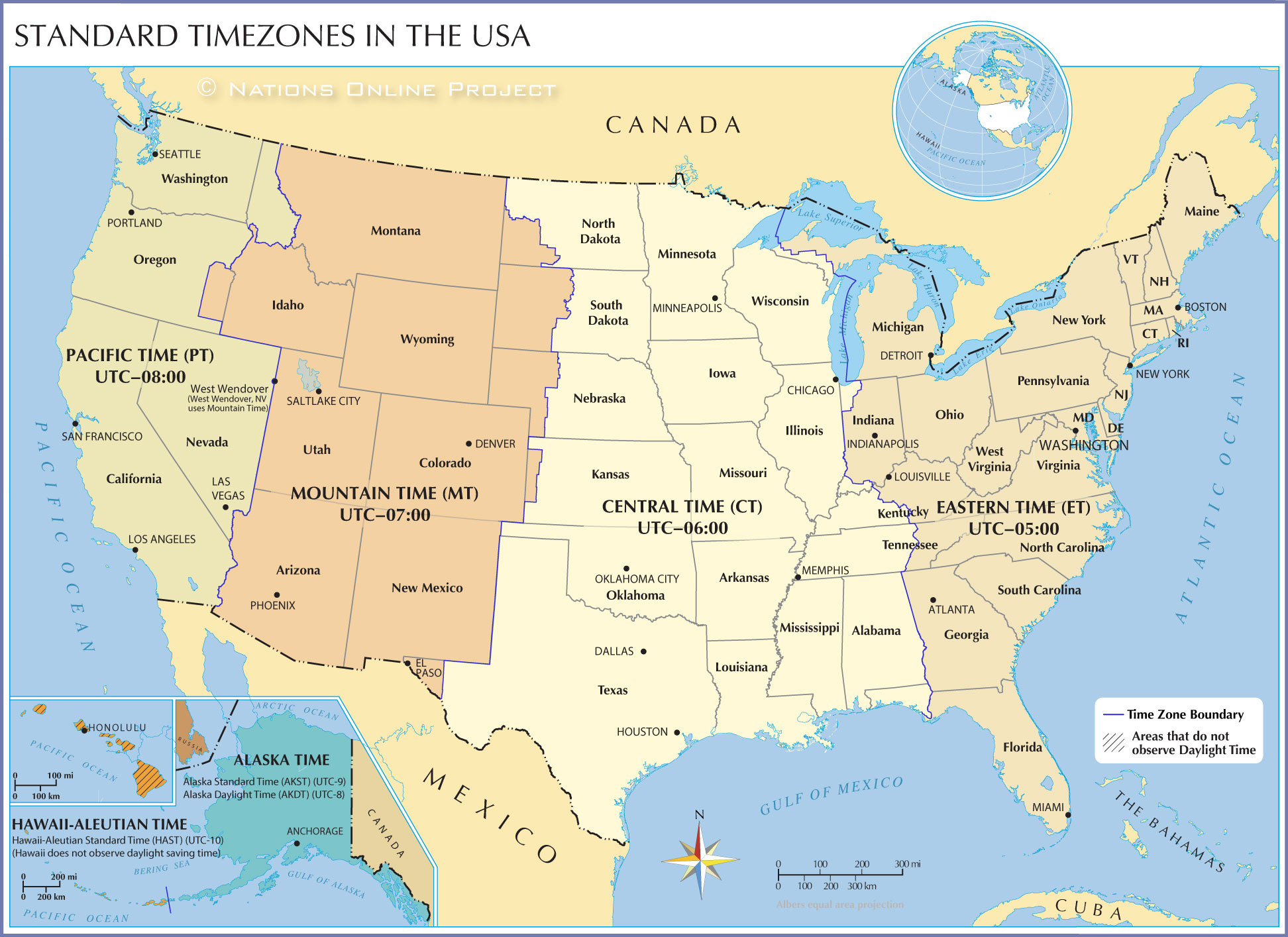
Oklahoma City, the bustling capital of Oklahoma, firmly resides within the Central Time Zone (CT). This zone spans a significant portion of the central United States, from the Great Lakes to the Gulf of Mexico. The Central Time Zone is characterized by its relationship to Coordinated Universal Time (UTC). During standard time, Oklahoma City observes Central Standard Time (CST), which is UTC-6. As the clocks spring forward for daylight saving, it transitions to Central Daylight Time (CDT), which is UTC-5. This seasonal shift is a standard practice across most of the United States and is duly observed in Oklahoma City.
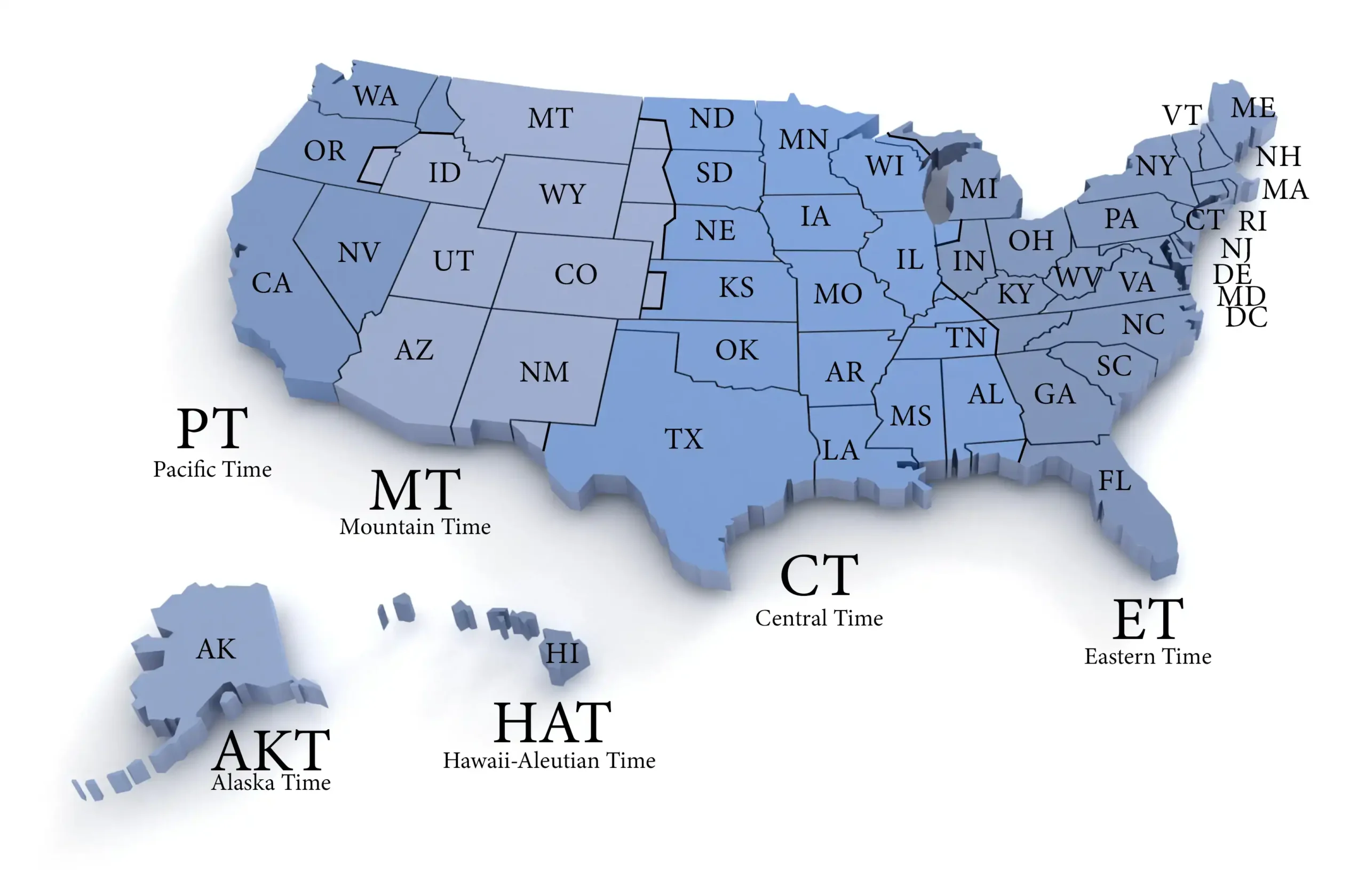
The decision to place Oklahoma City within the Central Time Zone is rooted in historical and geographical considerations. Time zones in the United States were established to standardize railway operations and facilitate communication. The vast expanse of the country necessitated the division into distinct time zones to prevent confusion and optimize scheduling. Oklahoma City‘s geographical location, east of the 100th meridian west, places it squarely within the Central Time Zone. This alignment ensures consistency with neighboring states and facilitates regional commerce and travel.
Daylight Saving Time in Oklahoma City
As mentioned, Oklahoma City observes Daylight Saving Time (DST). This practice, implemented in most of the United States since the early 20th century, involves advancing clocks by one hour during the warmer months. The purpose of DST is to make better use of daylight, by extending it into the evening hours, theoretically reducing energy consumption and promoting outdoor activities. In Oklahoma City, DST typically begins on the second Sunday in March and ends on the first Sunday in November. During this period, the local time shifts from CST (UTC-6) to CDT (UTC-5). This transition is important for travelers to be aware of, as it can affect flight schedules, meeting times, and the timing of local attractions.
The history of DST in the United States is a bit more complex, with various periods of adoption and repeal. However, its current implementation is largely governed by the Energy Policy Act of 2005. For Oklahoma City, like many other cities in the Central Time Zone, the clock change is a predictable event, marking the transition between the two phases of Central Time. While the effectiveness and necessity of DST are subjects of ongoing debate, its observance in Oklahoma City means that visitors arriving in the spring or summer will experience longer daylight hours in the evenings.
Planning Your Trip to Oklahoma City: Time Zone Considerations
When planning a trip to Oklahoma City, understanding the Central Time Zone is crucial for seamless travel. This knowledge impacts everything from booking flights and accommodations to scheduling activities and communicating with local contacts.
Flights and Arrival Times
When booking flights to Oklahoma City, always verify that the arrival and departure times are listed in Central Time. Major airports, such as the Will Rogers World Airport (OKC), operate on local time, so flight confirmations and gate information will reflect Central Time. If you are traveling from a different time zone, such as the Pacific Time Zone (PT) or the Eastern Time Zone (ET), it’s vital to calculate the time difference to avoid confusion. For instance, a flight departing Los Angeles (PT) at 2 PM will arrive in Oklahoma City (CT) at a later local time than if it were simply a three-hour difference; you must factor in the two-hour difference between PT and CT.
Understanding the time difference is also key to managing jet lag. Arriving in Oklahoma City and immediately adjusting to Central Time can help mitigate the effects of travel. For example, if you’re coming from the east coast, you’ll gain time upon arrival, meaning your body clock might feel an hour or two behind. Conversely, traveling from the west will mean you “lose” time, and your body might feel an hour or two ahead. Planning your activities upon arrival with this in mind can help you adjust more comfortably.
Accommodations and Booking
Whether you are looking for a luxurious stay at the Skirvin Hilton Oklahoma City or a budget-friendly option, hotels in Oklahoma City will operate on Central Time. This means that check-in and check-out times, as well as any scheduled amenities or dining hours, will be in CT. When booking your accommodation through platforms like Booking.com or Expedia, ensure that all times are clearly understood in relation to Central Time.
If you are considering a longer stay or looking for apartments for rent, the lease agreements and management office hours will also adhere to Central Time. It’s always a good practice to confirm the operating hours of hotel services, such as the concierge or room service, to align with your itinerary. For example, if a restaurant within your resort has specific serving times, these will be local Central Time hours.
Activities and Attractions
Oklahoma City offers a wealth of attractions, from the poignant Oklahoma City National Memorial & Museum to the lively Bricktown Entertainment District. When planning your excursions, always consult the operating hours and tour times in Central Time. Many attractions, especially those with guided tours or specific showtimes, will clearly list their hours in CT.
For example, if you plan to visit the Oklahoma City Zoo or explore the Myriad Botanical Gardens, their opening and closing times, as well as any special events, will be in Central Time. Similarly, if you are interested in experiencing the local culture through food, restaurants and cafes will operate on CT. Scheduling your culinary adventures and explorations of landmarks like the State Capitol Building with Central Time in mind will ensure you make the most of your visit.
Local Culture and Tips
Immersing yourself in the local culture of Oklahoma City means embracing its rhythm, which is set by Central Time. This includes understanding when local markets open, when farmers’ markets like the Scissortail Farmers Market are most active, or when live music venues in areas like Bricktown host their performances.
When engaging with locals, whether for travel tips or just a friendly chat, they will naturally speak in Central Time. This can be particularly helpful when seeking recommendations for the best places to eat or the optimal times to visit popular sites to avoid crowds. For instance, a local might advise you to visit the National Cowboy & Western Heritage Museum in the late afternoon to enjoy fewer visitors.
Connecting with Oklahoma City from Afar
The Central Time Zone also plays a vital role when communicating with friends, family, or business associates in Oklahoma City. Whether you’re making a call, sending an email, or scheduling a video conference, knowing the current time in Oklahoma City is essential.
Business and Professional Interactions
For those conducting business in Oklahoma City, understanding Central Time is paramount. Client meetings, conference calls, and professional engagements will all be scheduled according to CT. If you are coordinating with teams or partners in different time zones, using a world clock or time zone converter is advisable. Many international businesses use UTC as a neutral reference point, but for domestic communication within the United States, knowing the Central Time Zone is usually sufficient.
When scheduling virtual meetings, ensure all participants are aware of the time zone. A common practice is to specify the time zone along with the meeting time (e.g., 3:00 PM CT). This avoids any ambiguity and prevents missed appointments. This is especially true for businesses with operations across different regions of the United States, such as those with offices in both New York City (ET) and Denver (MT).
Personal Connections
Maintaining personal connections with people in Oklahoma City is also easier when you’re mindful of the time. A simple phone call to a friend or family member is best made during their waking hours. If you are in the Eastern Time Zone, you are two hours ahead of Oklahoma City, so a call at 8 PM in New York City would be 6 PM in Oklahoma City, a perfectly reasonable hour for a conversation. Conversely, if you are in the Pacific Time Zone, you are two hours behind Oklahoma City, so a 10 AM call from San Francisco would be noon in Oklahoma City.
Remember that Daylight Saving Time affects the entire United States, so the time difference between Oklahoma City and other US states remains consistent throughout the year, regardless of whether Central Time is observing CST or CDT. This consistency simplifies long-distance relationships and communication.
Exploring Beyond Oklahoma City: Other Central Time Zone Locations
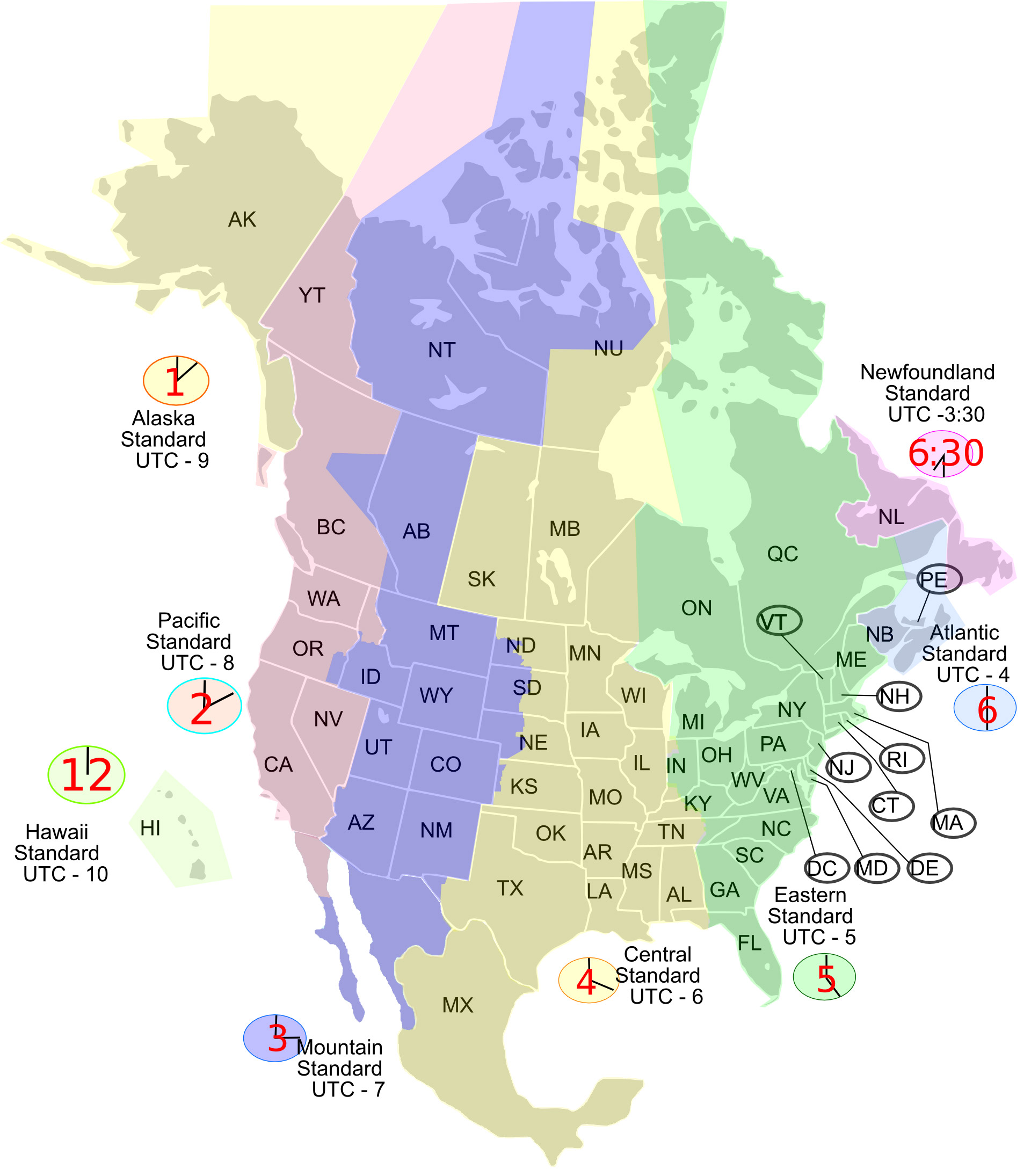
The Central Time Zone is vast and encompasses numerous other significant cities and regions, offering a chance to explore diverse landscapes and cultures while remaining in the same time zone. Understanding that these locations also operate on CT can be helpful for travelers planning multi-city trips within the central United States.
Cities like Chicago, Dallas, Houston, Kansas City, and Minneapolis all fall within the Central Time Zone. This means that if you are traveling from Oklahoma City to Chicago for a taste of urban life and deep-dish pizza, or heading south to Austin for its live music scene, you won’t need to adjust your watch for a time difference. This can make itinerary planning for road trips or sequential visits to these cities considerably simpler.
The geographical span of the Central Time Zone highlights the interconnectedness of the central United States. From the vast agricultural plains to the bustling metropolises, the synchronized timekeeping facilitates a smooth flow of commerce, travel, and communication across this expansive region. So, whether you are planning your adventure in Oklahoma City or venturing further afield within the Central Time Zone, the knowledge of its temporal alignment will undoubtedly enhance your travel experience.
LifeOutOfTheBox is a participant in the Amazon Services LLC Associates Program, an affiliate advertising program designed to provide a means for sites to earn advertising fees by advertising and linking to Amazon.com. Amazon, the Amazon logo, AmazonSupply, and the AmazonSupply logo are trademarks of Amazon.com, Inc. or its affiliates. As an Amazon Associate we earn affiliate commissions from qualifying purchases.