
Planning a trip to the theme park capital of the world, Orlando, Florida, involves a myriad of details: choosing the best attractions, booking the perfect accommodation, and mapping out your daily itinerary. Amidst all the excitement, a fundamental yet often overlooked detail is understanding the local time zone. For travelers arriving from different parts of the globe or even within the United States, knowing Orlando’s time zone is crucial for seamless planning, preventing missed reservations, and ensuring you make the most of every precious moment.
The straightforward answer is that Orlando observes the Eastern Time Zone. Specifically, this means it operates on Eastern Standard Time (EST) during the winter months and switches to Eastern Daylight Time (EDT) in the spring, summer, and fall. This adjustment for Daylight Saving Time (DST) is a key factor to consider, as it can shift the clock forward or backward by an hour, directly impacting your travel plans. Understanding this mechanism is more than just academic; it’s a practical necessity for any visitor to this vibrant Central Florida destination.
The purpose of this comprehensive guide is to delve into the specifics of Orlando’s time zone, explain its implications for various aspects of travel and tourism, and offer practical tips to ensure your visit is as smooth and stress-free as possible. From coordinating flights and hotel check-ins to scheduling your visits to Walt Disney World Resort and Universal Orlando Resort, mastering the time zone will be your silent partner in crafting unforgettable experiences.
Decoding Orlando’s Time Zone: EST and EDT Explained
To fully grasp Orlando’s time, it’s essential to understand the distinction between Eastern Standard Time and Eastern Daylight Time, and how they relate to Coordinated Universal Time (UTC). This knowledge forms the bedrock for all your time-sensitive decisions while traveling.
The Mechanism of Eastern Time: UTC-5 and UTC-4
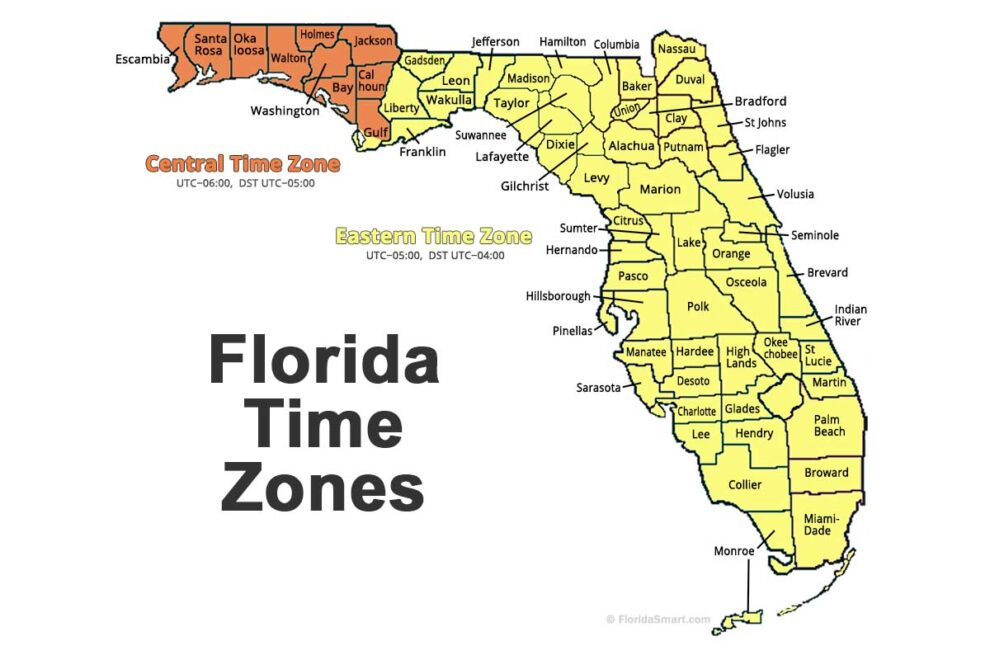
Orlando, like most of the eastern United States, falls within the Eastern Time Zone. During the standard period, typically from early November to mid-March, Orlando observes Eastern Standard Time (EST), which is UTC-5. This means it is five hours behind Coordinated Universal Time.
When Daylight Saving Time kicks in, usually on the second Sunday in March, clocks “spring forward” one hour, and Orlando switches to Eastern Daylight Time (EDT). EDT is UTC-4, meaning it is four hours behind UTC. This period lasts until the first Sunday in November, when clocks “fall back” one hour, returning to EST. This annual adjustment is not unique to Florida but is a common practice across many parts of the world to maximize daylight hours during warmer months. It’s a critical detail for travelers, especially those planning a trip that spans these transition dates. Always double-check the exact DST start and end dates for the year of your travel to avoid any confusion.
Geographical Context: Florida’s Time Zone Landscape
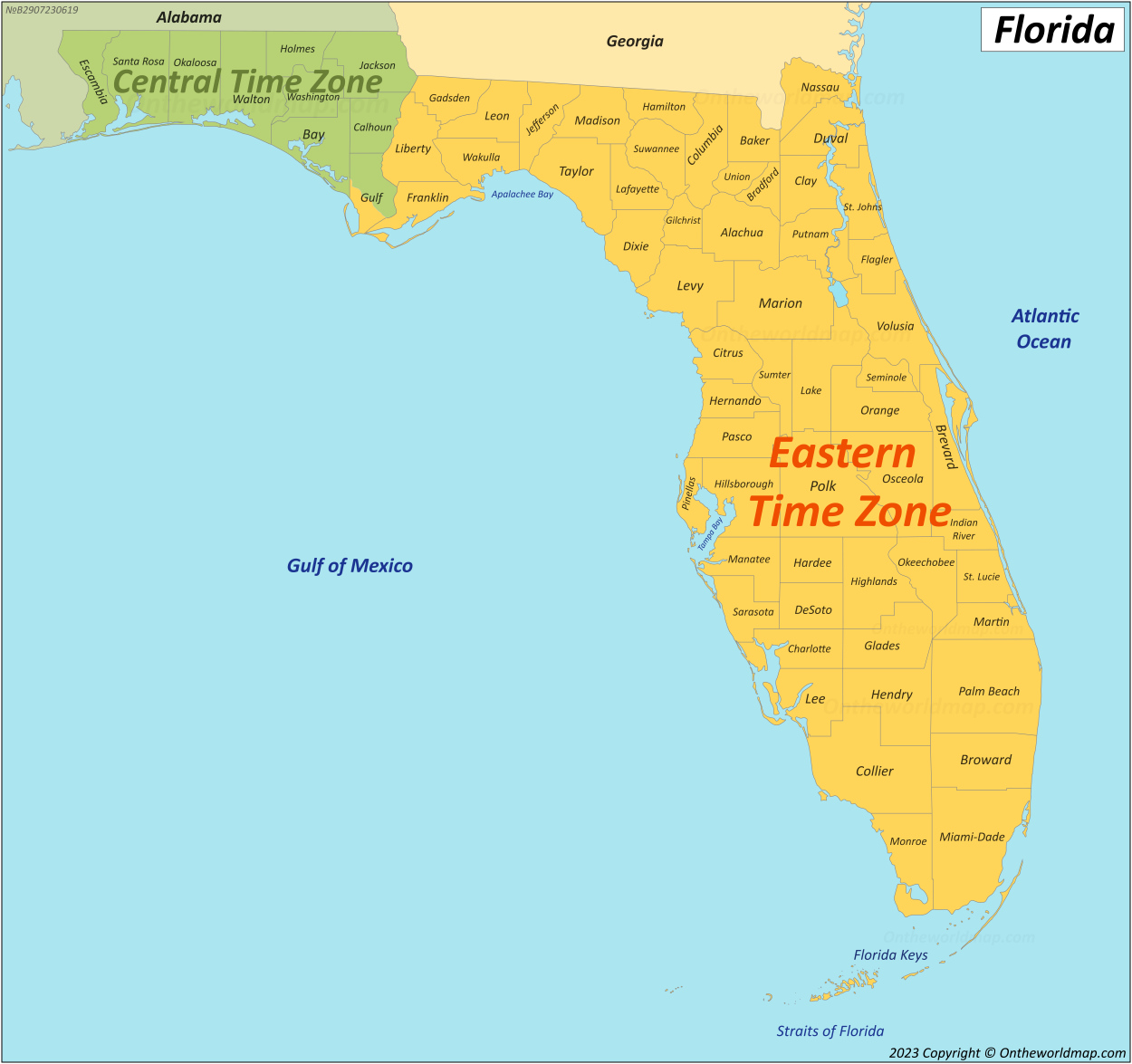
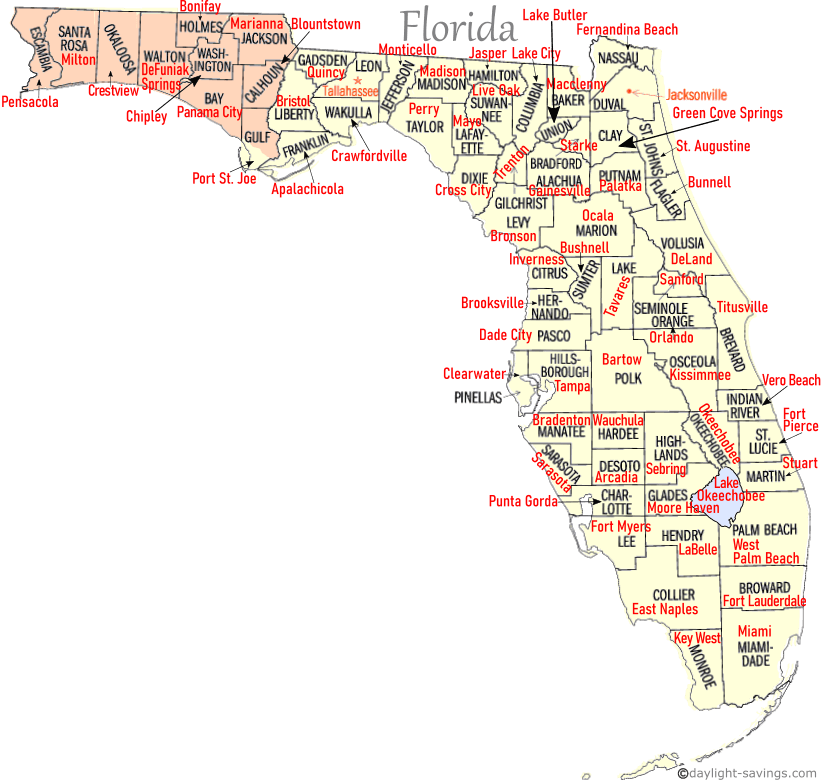
While most of Florida operates on Eastern Time, it’s worth noting that the northwestern part of the state, specifically the panhandle west of the Apalachicola River and including cities like Pensacola and Destin, observes the Central Time Zone (UTC-6/UTC-5 DST). However, this geographical nuance has no bearing on Orlando, which firmly remains in the Eastern Time Zone. This consistency makes planning within the Orlando metropolitan area straightforward, but it’s a good reminder that regional differences can exist even within a single state. For the vast majority of visitors, focusing solely on EST/EDT for Orlando is sufficient.
Time Zone Implications for Your Orlando Travel Plans
Understanding Orlando’s time zone goes beyond knowing what time to set your watch. It has tangible effects on every facet of your trip, from the moment you book your flight to your last souvenir purchase. Proactive planning based on this knowledge can prevent a multitude of logistical headaches and enhance your overall travel experience.
Coordinating Flights and Airport Transfers
For international travelers or those crossing multiple time zones within the United States, the most immediate impact of Orlando’s time zone will be felt upon arrival and departure. All flight times listed for Orlando International Airport (MCO) and Orlando Sanford International Airport (SFB) will be in local Eastern Time. This means if you’re flying from the Pacific Time Zone (three hours behind EST), a 5-hour flight will feel like an 8-hour journey on your body clock.
- Arrivals: Ensure your transportation from the airport – whether it’s a rental car pickup, shuttle service, or pre-booked private transfer – is scheduled according to Orlando time. Confirming your arrival time with your hotel or resort is also critical, especially if you anticipate an early arrival or a late check-in.
- Departures: On your departure day, factor in the time zone change for your return journey. A 9 AM flight out of MCO means waking up early, even if your destination is hours behind.
Proper adjustment of your devices to Orlando time as soon as you land (or even before boarding) is highly recommended. Many smartphones automatically update, but it’s always wise to double-check.
Maximizing Theme Park and Attraction Visits
Orlando’s world-famous theme parks operate on strict schedules, and all posted opening and closing times, show schedules, and parade times are in Eastern Time. This is where time zone awareness truly pays off.
- Early Park Entry: Many resorts offer perks like early park entry to Walt Disney World Resort or Universal Orlando Resort. Being aware of the local time is essential to capitalize on these valuable extra minutes before the general public arrives, allowing you to experience popular attractions with shorter wait times.
- Showtimes and Reservations: Missing a fireworks display at Magic Kingdom Park or a coveted dining reservation at Epcot because of a time zone miscalculation can be heartbreaking. Always confirm all booking times and show schedules against Orlando local time. This includes character breakfasts, dinner shows, and special events at Disney’s Hollywood Studios or Universal Studios Florida.
- Remote Attractions: If you plan a day trip to the Kennedy Space Center Visitor Complex in Merritt Island or Busch Gardens Tampa Bay in Tampa, remember these locations also adhere to Eastern Time.
Hotel Check-ins, Tours, and Dining
Beyond the parks, daily operations for hotels, tour operators, and restaurants are all governed by local time.
- Accommodation Logistics: Standard check-in times are typically in the afternoon (e.g., 3 PM or 4 PM EST/EDT), and check-out times are usually in the morning (e.g., 10 AM or 11 AM). Confirming these times with your specific hotel, suite, resort, or villa is essential. If you arrive early, inquire about luggage storage services so you can start exploring immediately.
- Booking Tours and Excursions: Whether it’s an airboat ride through the Florida Everglades, a hot air balloon tour, or a shuttle to Universal’s Volcano Bay, all departure times will be local. Confirm pickup times with your tour provider and be punctual to avoid missing your excursion.
- Dining Experiences: Orlando’s diverse dining scene offers everything from quick-service meals to upscale fine dining. Dining reservations, especially at popular restaurants within the parks or at Disney Springs and CityWalk, are highly recommended and must be honored at the scheduled Eastern Time.
Navigating Jet Lag and Maximizing Your Orlando Lifestyle
For many travelers, especially those crossing several time zones, jet lag is an inevitable challenge. However, by understanding Orlando’s time and implementing a few strategies, you can minimize its effects and fully immerse yourself in the vibrant local lifestyle.
Adjusting to Eastern Time: Tips for Beating Jet Lag
Jet lag can turn even the most exciting vacation into a struggle. Symptoms like fatigue, irritability, and difficulty sleeping can significantly impact your enjoyment of Orlando’s attractions.
- Pre-Trip Adjustment: If possible, start gradually shifting your sleep schedule a few days before your trip. For example, if traveling east, go to bed an hour earlier each night.
- Hydration and Light Meals: During your flight and upon arrival, stay well-hydrated and opt for light meals. Avoid excessive caffeine and alcohol, as they can exacerbate jet lag symptoms.
- Embrace Daylight: As soon as you arrive, expose yourself to natural light. Spend time outdoors, perhaps exploring ICON Park or strolling along International Drive. Daylight helps reset your body’s internal clock.
- Stick to Local Schedule: Try to align with Orlando’s Eastern Time schedule as quickly as possible. Even if you’re tired, try to stay awake until a reasonable local bedtime. Conversely, wake up at a standard local time to kickstart your day.
- Nap Strategically: If you must nap, keep it short (20-30 minutes) and early in the afternoon to avoid interfering with nighttime sleep.
- Comfortable Sleep Environment: Ensure your hotel room provides a dark, quiet, and cool environment to promote restful sleep. Many resorts offer excellent amenities designed for comfort.
The Rhythm of Orlando: Shopping, Dining, and Nightlife
Orlando’s lifestyle offers a diverse range of activities beyond the theme parks. From sprawling shopping outlets to vibrant nightlife and a rich local culture, these experiences are also governed by the Eastern Time Zone.
- Shopping Hours: Major shopping destinations like Orlando Vineland Premium Outlets or Mall at Millenia typically open in the late morning and close in the evening. Planning your shopping excursions around these hours, especially after a morning at the parks, requires time awareness.
- Dining: Orlando caters to all palates, with restaurants offering everything from early breakfasts for park-goers to late-night dining options. Being on Orlando time ensures you don’t miss out on those delicious food experiences.
- Nightlife and Entertainment: Whether you’re planning an evening at Universal CityWalk, a show at Dr. Phillips Center for the Performing Arts, or simply enjoying a relaxing evening at your resort bar, all events and operating hours will be in Eastern Time. For those looking for a different pace, exploring neighborhoods like Winter Park with its charming Park Avenue also requires keeping local time in mind for shop and restaurant hours.
Business Stays and Remote Work Considerations
For individuals on business trips or those combining work and leisure in Orlando, the time zone becomes even more critical for maintaining professional commitments.
- Meeting Schedules: If you have virtual meetings with colleagues in different time zones, you’ll need to meticulously schedule them to avoid conflicts. A 9 AM meeting in Los Angeles (Pacific Time Zone) would be a 12 PM meeting in Orlando.
- Communication: Adjusting to Orlando time means early mornings or late evenings might be necessary to communicate with teams further west or east. Many hotels and suites cater to business travelers with high-speed internet and dedicated workspaces.
Essential Tips for a Seamless Orlando Experience
Ensuring a smooth and enjoyable trip to Orlando largely depends on meticulous planning and an awareness of practical details, with the time zone being a significant one. Here are some final tips to help you make the most of your vacation.
Pre-Trip Planning and On-Arrival Adjustments
The preparation you do before you even leave home can make a substantial difference.
- Update All Devices: Before you depart, ensure your smartphone, smartwatch, and any other portable devices are set to automatically update their time zone, or manually switch them to Eastern Time as soon as you’re airborne or land. This simple step prevents numerous confusions.
- Confirm All Bookings: Double-check all flight, hotel, rental car, dining, and attraction reservation times against the local Orlando time. It’s better to confirm twice than to miss a crucial booking.
- Download Essential Apps: Many theme parks (My Disney Experience, Universal Orlando Resort App) have mobile apps that display real-time park hours, wait times, and show schedules, all of which will be in local Eastern Time. These are invaluable tools for in-park navigation and time management.
- Inform Contacts: If you need to stay in touch with family or colleagues in different time zones, let them know your schedule and the time difference to facilitate communication.
During Your Stay: Embrace Flexibility and Local Time
Once you’ve arrived and settled in, maintaining a flexible mindset while adhering to local time will be key to a stress-free vacation.
- Pace Yourself: Especially if you’ve experienced jet lag, don’t try to cram too much into your first day. Allow your body time to adjust. Orlando is an exhilarating destination, but it can also be exhausting if you push too hard.
- Leverage Park Tools: Make full use of the park apps and in-park digital signage for the most up-to-date information on showtimes, ride queues, and character greetings, all presented in Eastern Time.
- Plan for Peak Times: Understanding the time zone also helps you anticipate peak times. If a park opens at 9 AM, arriving before then on Eastern Time will put you ahead of the crowds. Similarly, consider dining during off-peak hours to avoid long waits.
- Stay Present: While it’s good to be organized, remember that travel is also about spontaneity and enjoying the moment. Don’t let strict adherence to a schedule overshadow the joy of discovery and relaxation. Whether you’re marveling at Cinderella Castle in Magic Kingdom Park or experiencing the thrills of Universal’s Islands of Adventure, being present and immersed in the Orlando experience is paramount.
In conclusion, Orlando, Florida, operates within the Eastern Time Zone, observing Eastern Standard Time (UTC-5) during winter and Eastern Daylight Time (UTC-4) during the rest of the year. This seemingly minor detail is, in fact, a cornerstone of successful travel planning to this iconic destination. By integrating time zone awareness into every aspect of your trip—from flight scheduling and hotel arrangements to theme park adventures and dining experiences—you can ensure a smoother, more enjoyable, and ultimately more memorable Orlando vacation. So, set your clocks, embrace the Eastern Time Zone, and get ready for an incredible journey to the heart of Florida’s tourism magic.
LifeOutOfTheBox is a participant in the Amazon Services LLC Associates Program, an affiliate advertising program designed to provide a means for sites to earn advertising fees by advertising and linking to Amazon.com. Amazon, the Amazon logo, AmazonSupply, and the AmazonSupply logo are trademarks of Amazon.com, Inc. or its affiliates. As an Amazon Associate we earn affiliate commissions from qualifying purchases.