
The journey between Philadelphia, the City of Brotherly Love, and New York, the Big Apple, is one of the most frequently traveled routes in the United States’ busy Northeast Corridor. For travelers, business professionals, and tourists alike, understanding the distance and myriad travel options connecting these two iconic cities is crucial for planning a seamless trip. While a straightforward answer to “how far?” might suffice on a map, the real essence of the journey involves considerations of time, cost, convenience, and the unique experiences each mode of transport offers. This article delves into the geographical proximity, explores the diverse transportation methods, highlights the compelling attractions in both destinations, and provides insights into accommodation and lifestyle choices, ensuring your trip is as informed as it is enjoyable.
The Distance Unpacked: More Than Just Miles
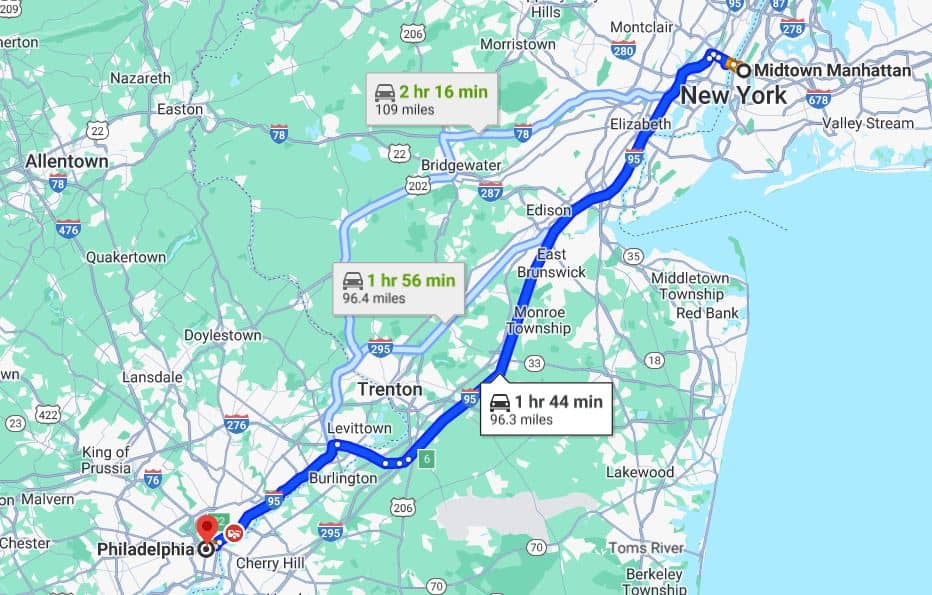
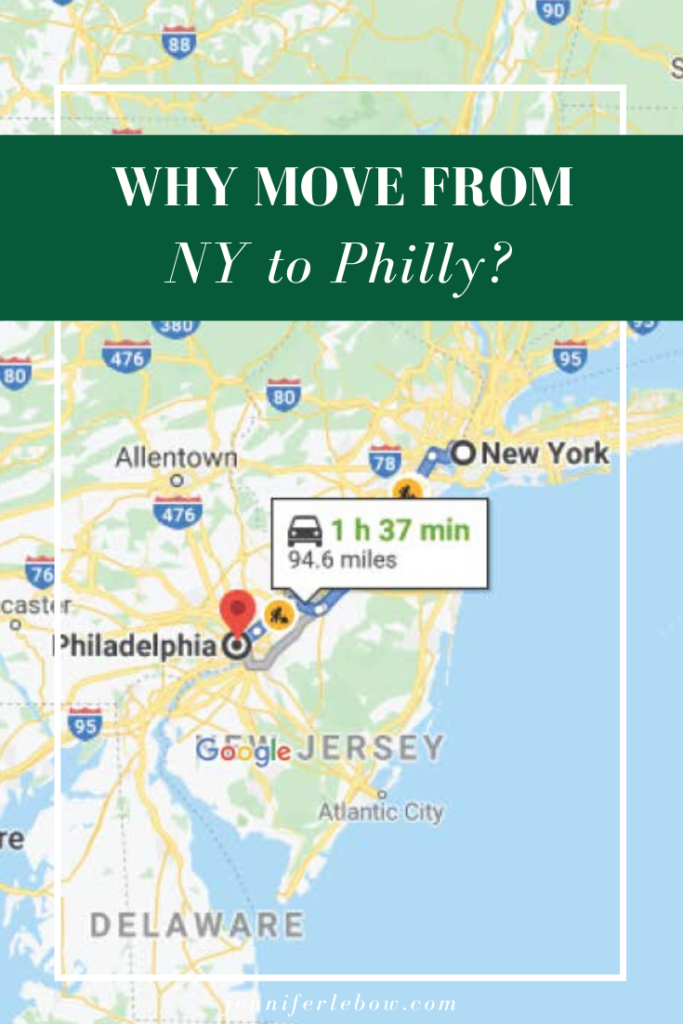
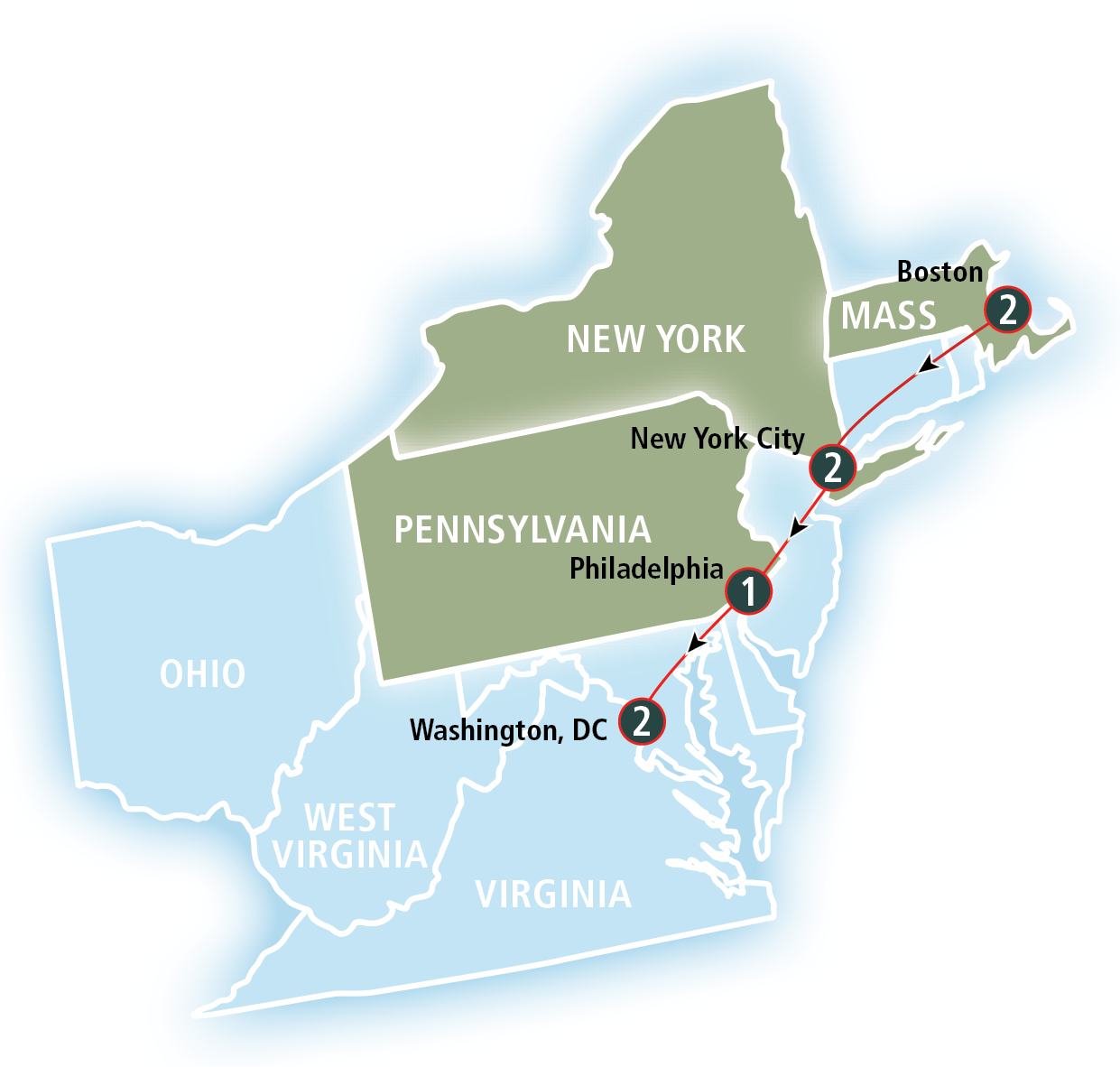
At its core, the question of “how far” between Philadelphia and New York is about 95 to 100 miles (approximately 150 to 160 kilometers) as the crow flies, or more accurately, by road. However, this seemingly short distance belies the vibrant dynamics of travel in this densely populated region. The actual time and effort involved can vary dramatically based on your chosen method of transportation, traffic conditions, and specific departure and arrival points within each metropolitan area.
Geographical Proximity
The two cities are close enough to make day trips feasible, yet far enough apart to offer distinct cultural and historical experiences. Philadelphia sits to the southwest of New York, both easily accessible via major highways and a well-developed public transportation network. This proximity makes the route a prime example of efficient intercity travel, catering to everything from daily commutes to extended leisure explorations. Understanding the layout of the land, particularly the heavily trafficked New Jersey stretch separating them, is key to appreciating the travel times involved.
Navigating the Northeast Corridor: Transportation Options
Traveling between Philadelphia and New York offers a wealth of choices, each with its own set of advantages regarding speed, comfort, cost, and overall experience. From high-speed rail to personal vehicles and budget-friendly bus services, there’s an option to suit every traveler’s preference and budget.
Traveling by Train
For many, the train is the quintessential way to travel between these two cities. Amtrak operates frequent services along the Northeast Corridor, offering a convenient and often relaxing journey.
- Acela Express: The fastest option, the Acela Express can whisk you from Philadelphia’s 30th Street Station to New York’s Moynihan Train Hall (adjacent to Penn Station) in approximately 1 hour and 10 to 20 minutes. This premium service offers comfortable seating, Wi-Fi, and a quiet atmosphere, making it ideal for business travelers or those seeking a more luxurious experience.
- Regional trains: Slightly slower but more economical, Amtrak’s Northeast Regional and other regional services take about 1 hour and 30 minutes to 2 hours. These trains offer a good balance of speed and cost, with multiple departures throughout the day.
Train travel provides the significant advantage of dropping you off right in the heart of Manhattan, eliminating the need for airport transfers or navigating city traffic. This makes it a popular choice for tourists and commuters alike.
Driving the I-95 Corridor
Driving offers flexibility and convenience, especially for those traveling with luggage or planning to explore areas outside the city centers. The primary route is via I-95 North, which becomes the New Jersey Turnpike for a significant stretch.
- Duration: Without traffic, the drive typically takes around 1 hour and 45 minutes to 2 hours. However, peak hour traffic, particularly around the major bridges and tunnels entering Manhattan (such as the Holland Tunnel, Lincoln Tunnel, or George Washington Bridge), can easily extend this to 3 hours or more.
- Costs: Besides fuel, drivers must factor in tolls for the New Jersey Turnpike and the bridges/tunnels into New York City. Parking in New York City is also notoriously expensive and scarce, making driving less appealing for those whose final destination is central Manhattan.
Despite these challenges, driving allows for spontaneous detours and the freedom to travel on your own schedule, making it a viable option for family trips or those with specific logistical needs.
Bus Services: An Economical Choice
For budget-conscious travelers, bus services provide the most economical way to travel between Philadelphia and New York. Companies like Greyhound, Megabus, FlixBus, and Peter Pan Bus Lines operate numerous daily routes.
- Duration: Bus journeys typically range from 2 hours to 2 hours and 45 minutes, largely depending on traffic. Like driving, buses are susceptible to traffic delays, especially when entering and exiting the cities.
- Cost: Fares can be incredibly low, especially if booked in advance, sometimes as little as $10-$20 for a one-way ticket. This makes buses an attractive option for students, backpackers, and those looking to save money.
- Comfort: While generally comfortable, amenities vary by provider. Many offer Wi-Fi, power outlets, and reclining seats.
Bus stations are usually centrally located, offering easy access to local public transport once you arrive at your destination.
Flying: The Fastest, But Not Always the Easiest
While it’s technically possible to fly between Philadelphia International Airport (PHL) and New York’s major airports (Newark Liberty International Airport (EWR), LaGuardia Airport (LGA), or John F. Kennedy International Airport (JFK)), it is rarely the most efficient or practical option for this specific route.
- Total Travel Time: A flight itself might be only 30-45 minutes. However, when you factor in travel to and from airports, security checks, boarding, and deplaning, the total door-to-door time often exceeds that of train travel, typically totaling 3-4 hours or more.
- Cost: Flights can be more expensive than train or bus tickets, especially once baggage fees are added.
- Convenience: The logistical hassle of airport transfers in both cities often outweighs the speed benefit of the short flight.
Flying is generally only considered practical if you are connecting to a longer international or domestic flight from one of the New York airports, rather than as a direct travel method between the two city centers.
Why Make the Trip? Exploring New York and Philadelphia
Beyond the logistics of travel, the allure of the Philadelphia-New York route lies in the rich tapestry of experiences awaiting visitors in both cities. Each offers a unique blend of history, culture, dining, and entertainment, catering to diverse interests and lifestyles.
New York City: The Ultimate Urban Experience
New York City is a global epicenter of finance, fashion, art, and media, offering an unparalleled urban adventure. Its iconic landmarks, world-class museums, vibrant culinary scene, and electrifying entertainment options make it a perennial favorite for travelers.
- Landmarks and Attractions: No visit to New York is complete without seeing the Statue of Liberty and Ellis Island, marveling at the panoramic views from the Empire State Building or Rockefeller Center, and immersing yourself in the dazzling lights of Times Square.
- Culture and Entertainment: Catch a Broadway show, explore the vast collections of the Metropolitan Museum of Art, the Museum of Modern Art, or the Solomon R. Guggenheim Museum. Stroll through Central Park, walk the elevated High Line park, or cross the historic Brooklyn Bridge for stunning skyline views.
- Food Scene: From Michelin-starred restaurants to diverse ethnic eateries and classic New York-style pizza, the city is a culinary paradise.
- Lifestyle: New York caters to every lifestyle, from luxury travel and high-end shopping on Fifth Avenue to budget-friendly cultural experiences and lively nightlife in neighborhoods like Greenwich Village.
Philadelphia: A Deep Dive into American History and Culture
As the birthplace of American democracy, Philadelphia offers a profound journey through the nation’s founding moments, complemented by a thriving modern arts scene, diverse neighborhoods, and distinctive culinary delights.
- Historical Landmarks: Step back in time at Independence Hall, where the Declaration of Independence and U.S. Constitution were signed, and visit the iconic Liberty Bell. Explore Independence National Historical Park, the National Constitution Center, the Betsy Ross House, and wander down Elfreth’s Alley, the oldest continuously inhabited residential street in the United States.
- Art and Culture: Experience the grand Philadelphia Museum of Art and famously run up its “Rocky Steps”. Discover vibrant murals throughout the city or explore the unique collections at the Barnes Foundation.
- Food Scene: Indulge in a classic Philly Cheesesteak from local institutions, explore the culinary delights of Reading Terminal Market, or enjoy diverse cuisines in neighborhoods like South Street or Fishtown.
- Local Culture: Philadelphia boasts a more laid-back, yet equally vibrant, atmosphere compared to New York, with a strong sense of community and rich local traditions. It’s an ideal destination for those interested in local culture, food tours, and historical walks.
Planning Your Stay: Accommodation and Lifestyle Choices
Whether your trip is for business, leisure, or a family vacation, selecting the right accommodation is paramount. Both New York and Philadelphia offer a wide spectrum of lodging options, from opulent luxury hotels to charming boutique hotels, budget-friendly hotels, and convenient apartments and villas for longer stays.
New York Accommodation Guide
Accommodation in New York City can vary significantly in price and style depending on the neighborhood.
- Luxury and Mid-Range: Areas like Midtown Manhattan, Upper East Side, and Upper West Side are home to world-renowned establishments such as The Peninsula New York, The St. Regis New York, and The Plaza Hotel. These offer exceptional amenities, concierge services, and proximity to major attractions.
- Boutique and Lifestyle Hotels: Neighborhoods like SoHo, Greenwich Village, and Downtown Manhattan feature trendy boutique hotels that reflect the local character, often with unique designs and vibrant social scenes.
- Budget-Friendly Options: For those on a tighter budget, areas slightly outside central Manhattan or in boroughs like Brooklyn and Queens offer more affordable rates. Look for chain hotels like citizenM New York Times Square or Pod Hotels which provide compact yet stylish rooms. Additionally, serviced apartments or options via Airbnb and Vrbo can be excellent for longer stays or family trips.
Philadelphia Accommodation Guide
Philadelphia generally offers more affordable accommodation than New York without compromising on quality or location.
- Historic Charm: The Old City area is ideal for history buffs, with many hotels housed in beautifully restored historic buildings, often within walking distance of Independence Hall and the Liberty Bell. Examples include the Kimpton Hotel Monaco Philadelphia.
- Luxury and Comfort: Around Rittenhouse Square and Center City, you’ll find upscale hotels like The Ritz-Carlton, Philadelphia and Loews Philadelphia Hotel, offering excellent service and proximity to shopping and dining.
- Mid-Range and Budget: Many reliable chain hotels like Hilton Garden Inn, Marriott properties, and The Notary Hotel, Autograph Collection can be found throughout Center City. For even more budget-friendly options, consider locations slightly outside the immediate downtown core or well-known motel chains like Travelodge or Motel 6 on the outskirts.
- Neighborhood Stays: Exploring neighborhoods like Fairmount or Fishtown can offer unique local experiences and often more characterful boutique accommodation or vacation rentals.
Crafting Your Itinerary: Luxury, Budget, and Family Travel
Understanding the distance and travel options allows for tailored itineraries, regardless of your lifestyle or budget.
- Luxury Travel: For those seeking premium experiences, the Acela Express train combined with stays at five-star hotels in New York and Philadelphia offers unparalleled comfort. Indulge in gourmet dining, private tours, and high-end shopping in both cities.
- Budget Travel: Bus services are your best friend for cost-conscious trips. Look for hostels or budget hotels, enjoy free attractions like walking tours and parks, and sample delicious street food or local markets to keep expenses low.
- Family Trips: Trains or driving are often best for families, allowing for more space and flexibility. Many hotels offer family suites or connecting rooms. Both cities boast numerous family-friendly attractions, from interactive museums in Philadelphia to Central Park and the American Museum of Natural History in New York.
- Business Stays: The Acela Express is ideal for business travelers, offering reliable Wi-Fi and power outlets to work en route. Hotels in central business districts like Midtown Manhattan or Philadelphia’s Center City provide convenient access to corporate offices and convention centers, often with amenities tailored for productivity.
Tips for a Seamless Journey
To ensure your journey between Philadelphia and New York is as smooth as possible, consider these practical tips:
- Book in Advance: Especially for train tickets (particularly Acela Express) and popular bus routes, booking several weeks ahead can secure better prices and preferred seating. The same applies to accommodation, particularly during peak seasons or major events.
- Travel Off-Peak: If your schedule allows, traveling during off-peak hours (mid-day weekdays) can significantly reduce traffic delays for drivers and bus passengers, and also result in fewer crowds on trains.
- Check Traffic and Transit Alerts: Before embarking on your journey, check real-time traffic conditions for driving, and transit alerts for trains and buses. Apps like Google Maps, Waze, and official transit authority apps are invaluable.
- Consider City Passes: Both cities offer various tourism passes (e.g., New York Pass, CityPASS) that can save money on attractions and sometimes public transportation.
- Pack Light: Navigating busy train stations, bus terminals, or city streets is much easier with minimal luggage.
- Utilize Public Transportation within Cities: Once you arrive, both New York (MTA) and Philadelphia (SEPTA) boast extensive public transportation systems that are efficient and cost-effective ways to get around.
In conclusion, while the physical distance between Philadelphia and New York is relatively short, the journey offers a gateway to two distinctly vibrant American cities. Whether you prioritize speed, cost, comfort, or unique experiences, the diverse range of travel options and the myriad attractions at either end ensure that a trip along this historic corridor is always an enriching adventure. By thoughtfully planning your transportation and accommodation, you can transform a simple commute into an integral part of your memorable travel story, making the distance feel just right.
LifeOutOfTheBox is a participant in the Amazon Services LLC Associates Program, an affiliate advertising program designed to provide a means for sites to earn advertising fees by advertising and linking to Amazon.com. Amazon, the Amazon logo, AmazonSupply, and the AmazonSupply logo are trademarks of Amazon.com, Inc. or its affiliates. As an Amazon Associate we earn affiliate commissions from qualifying purchases.