
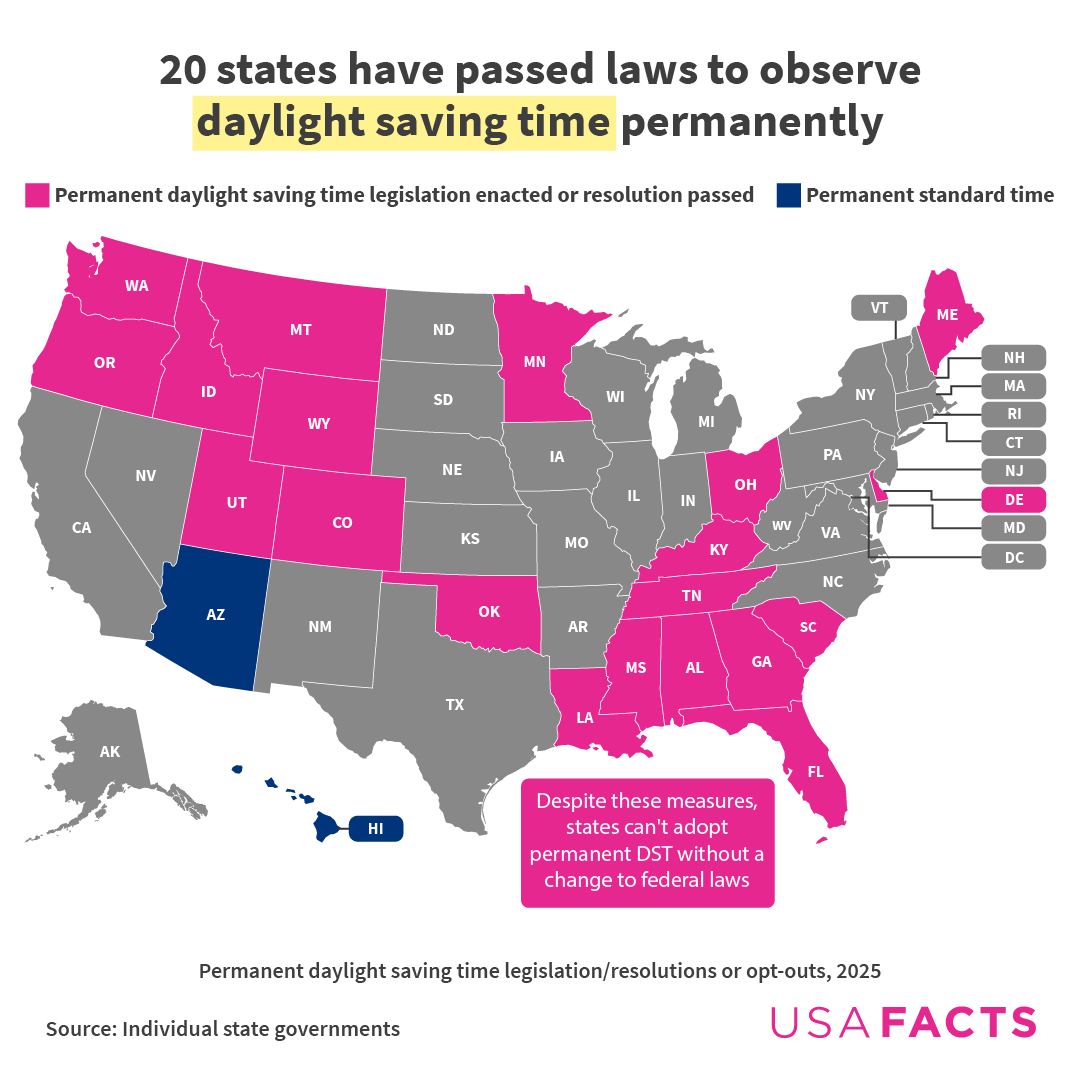
For travelers planning a visit to the sun-drenched landscapes of Arizona, one question frequently arises that can cause a surprising amount of confusion: does the state observe Daylight Saving Time? The simple answer is no, with one significant and notable exception. Arizona famously opts out of the twice-yearly clock change, remaining on Mountain Standard Time (MST) year-round. This unique stance has fascinating historical roots and practical implications, especially for those navigating the state’s incredible attractions, booking accommodations, and planning their travel itineraries. Understanding this local quirk is key to a seamless and enjoyable Arizona experience.

Arizona’s Unique Stance on Daylight Saving Time
The decision for Arizona to forgo Daylight Saving Time sets it apart from most other states in the United States. This choice isn’t arbitrary; it’s deeply rooted in the state’s climate, lifestyle, and a long-standing desire to align daily routines with the natural rhythm of the sun, particularly in its extremely hot summer months.
The Rationale Behind Arizona’s Choice
The primary reason Arizona does not observe Daylight Saving Time revolves around its intense summer heat. Most states “spring forward” in March, gaining an hour of daylight in the evening. While this might be desirable in cooler climates for outdoor activities, it’s precisely the opposite of what Arizona residents need. With temperatures in cities like Phoenix and Tucson regularly soaring above 100°F (38°C) during summer afternoons, extending daylight into the evening would simply mean prolonging the unbearable heat.
By staying on Mountain Standard Time year-round, Arizona effectively shifts its summer daylight hours earlier in the day. This means that sunrise occurs earlier, and crucially, sunset also happens earlier. This allows residents and visitors to enjoy the cooler morning hours for outdoor activities before the midday sun becomes too intense. It also means that by the time evening arrives, the sun has already dipped below the horizon, allowing temperatures to begin their much-anticipated decline, making evening activities and outdoor dining more comfortable. The energy conservation argument also plays a role; avoiding an extra hour of daylight in the evening during summer reduces the need for air conditioning, saving energy and costs.
Historical Context and Legislative Decisions
The history of Daylight Saving Time in the United States has been a patchwork of state and federal decisions. Initially introduced during World War I and again in World War II, a uniform system was established with the Uniform Time Act of 1966. This act mandated Daylight Saving Time for the entire nation but included an “opt-out” clause, allowing states to exempt themselves by passing state legislation.
Arizona initially experimented with Daylight Saving Time after the 1966 act, but the experiment was short-lived. The intense heat of the Sonoran Desert quickly made the downsides apparent. Prolonged daylight in the evening meant longer periods of scorching temperatures, increased energy consumption for air conditioning, and a general disruption to daily routines that relied on avoiding the hottest parts of the day. Consequently, in 1968, the Arizona Legislature formally voted to opt out, establishing the year-round Mountain Standard Time practice that continues to this day. This decision has largely been embraced by residents, reflecting a practical adaptation to the state’s unique environment.
The Lone Exception: Navajo Nation
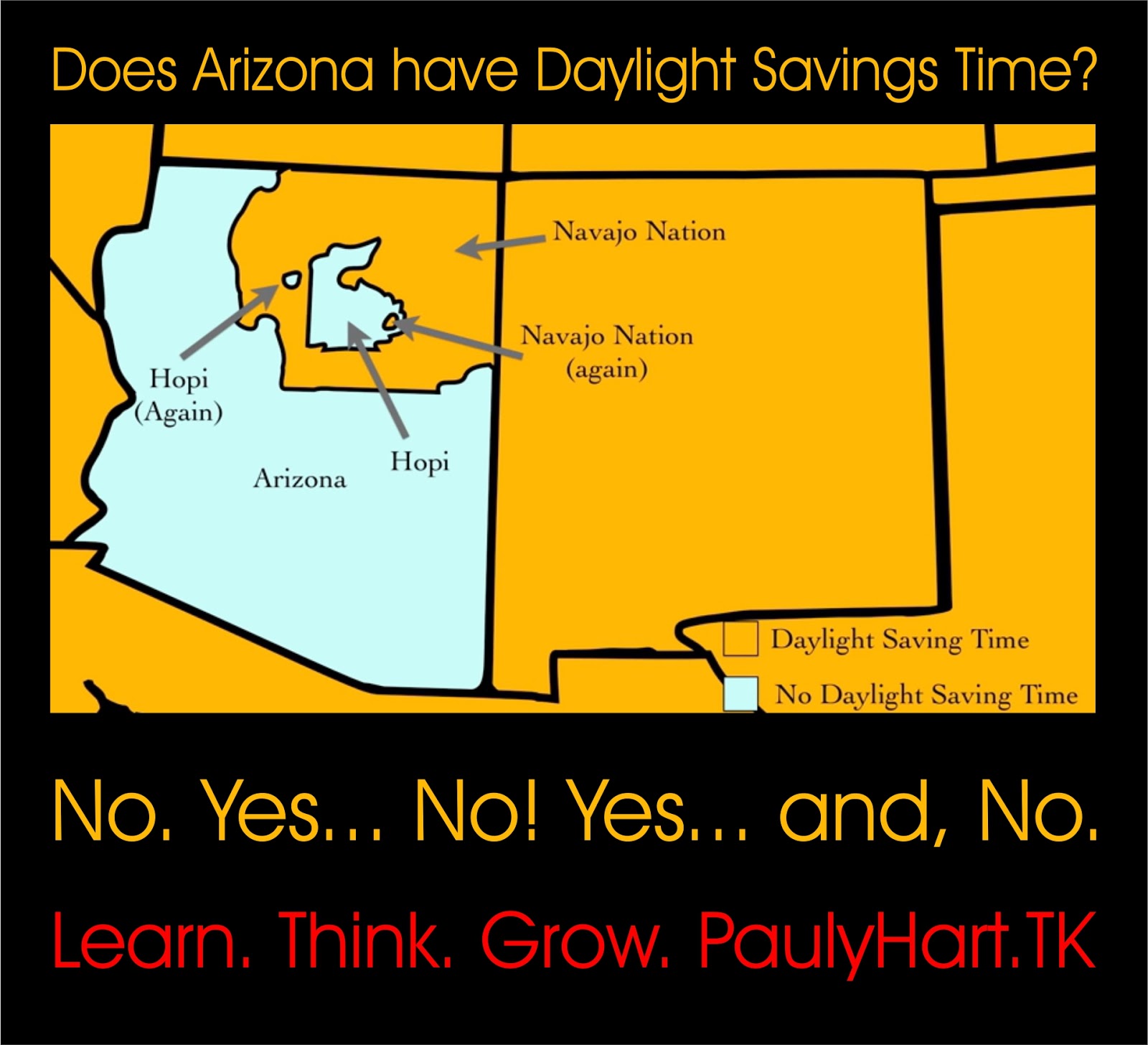
While the vast majority of Arizona remains steadfastly on Mountain Standard Time year-round, there is one significant and intriguing exception: the Navajo Nation. This sovereign nation, with a substantial portion of its territory located within northeastern Arizona, observes Daylight Saving Time along with most of the rest of the United States. This creates a unique and often confusing time zone “island” within Arizona itself.
Why Navajo Nation Observes DST
The decision by the Navajo Nation to observe Daylight Saving Time is primarily driven by its unique geographical and governmental circumstances. The Navajo Nation extends into three states: Arizona, New Mexico, and Utah. Both New Mexico and Utah observe Daylight Saving Time. For administrative, economic, and social cohesion, it is far simpler for the entire Navajo Nation to operate on a consistent time schedule. Maintaining the same time as its neighboring tribal communities and state partners facilitates easier coordination for business, schooling, healthcare, and governmental functions across its vast territory.
For example, a family living on the Navajo Nation side of the border near Page might have relatives or conduct business in Utah or New Mexico. By observing Daylight Saving Time, they avoid an additional hour of time difference during half the year, simplifying their daily lives and interactions.
Navigating Time Zones Within Arizona
The “time zone anomaly” created by the Navajo Nation within Arizona means that during the months when Daylight Saving Time is in effect (roughly from March to November), western Arizona (which includes major cities like Phoenix, Tucson, and Flagstaff) is effectively on the same time as Pacific Daylight Time (PDT). Meanwhile, the Navajo Nation in northeastern Arizona moves forward to Mountain Daylight Time (MDT), which is one hour ahead of Arizona’s year-round Mountain Standard Time.
This means that if you’re traveling from Flagstaff to Page (which is within the Navajo Nation), you will gain an hour as you cross into tribal lands during the DST period. Conversely, traveling from Page back to Flagstaff will see you “lose” an hour. It’s a critical detail, especially when visiting iconic landmarks like Antelope Canyon or Monument Valley, which are located within the Navajo Nation. Tour operators and booking confirmations will typically specify the local time zone, but it’s always wise to double-check and be aware of potential discrepancies.
Practical Implications for Travelers
For visitors to Arizona, understanding the state’s time zone situation is more than just a trivial fact; it’s a crucial element for seamless travel planning and enjoyment. From flight schedules to tour bookings and even hotel check-ins, the absence of Daylight Saving Time and the exception of the Navajo Nation can significantly impact your experience.
Planning Your Arizona Itinerary
When planning your trip to Arizona, particularly during the spring, summer, and fall months when Daylight Saving Time is observed in other states, remember that Arizona (outside the Navajo Nation) will be operating on the same time as California and Nevada. This means if you’re flying in from the East Coast, the time difference will effectively be one hour greater than what you might expect during these months. Conversely, if you’re driving from neighboring states like Utah, Colorado, or New Mexico, you’ll effectively “lose” an hour upon entering Arizona from March to November.
This impacts everything from flight arrival times to coordinating meet-ups with friends or family. It’s especially relevant if your itinerary involves crossing state lines or traversing into the Navajo Nation. Always confirm times for flights, reservations, and planned activities in “local time” and specify “Arizona time” or “Navajo Nation time” to avoid any ambiguity. Using a world clock app on your smartphone that automatically updates time zones is highly recommended.
Avoiding Time Zone Confusion
The potential for time zone confusion is highest when traveling through or to the northeastern part of Arizona. Popular destinations such as Grand Canyon National Park’s South Rim (which is not in the Navajo Nation) operate on Arizona time (Mountain Standard Time year-round). However, nearby attractions like Antelope Canyon and Monument Valley (which are within the Navajo Nation) will be an hour ahead during Daylight Saving Time.
Imagine booking a photography tour of Antelope Canyon for 10:00 AM. If you’re staying in Page (within the Navajo Nation), you’re on Mountain Daylight Time. But if you’ve just driven in from Grand Canyon Village and haven’t reset your clock, you might inadvertently arrive an hour late, missing your tour. Always confirm with tour operators what “local time” means to them and adjust your watches and devices accordingly upon crossing boundaries. Some rental cars even have GPS systems that may not correctly adjust for the Navajo Nation exception.
Impact on Daily Activities and Reservations
The time difference can affect various aspects of your daily travel life. Hotel check-in and check-out times, restaurant reservations, attraction opening hours, and even shuttle bus schedules need to be considered carefully. For instance, if you have a reservation for a sunset viewing at Horseshoe Bend (near Page, thus in the Navajo Nation), you need to know if the designated time is local Navajo Nation time or Arizona time.
Furthermore, if you are coordinating calls or virtual meetings with people outside of Arizona during the DST period, remember that Arizona will be on the same time as the Pacific Daylight Time zone. This effectively makes Arizona three hours behind the East Coast and two hours behind the Central time zone, rather than the usual two and one hour respectively during winter.
Maximizing Your Arizona Experience
Despite the slight time zone complexities, Arizona’s decision regarding Daylight Saving Time is ultimately designed to enhance the quality of life and the visitor experience. By understanding and planning for it, you can truly embrace the rhythm of the desert and make the most of your adventure.
Top Destinations and Attractions to Consider
Arizona offers an unparalleled array of natural wonders and cultural experiences. When planning your visits to these landmarks, keep the time factor in mind:
- Grand Canyon National Park: The South Rim, the most visited part, is on Arizona time (Mountain Standard Time). Plan your sunrise and sunset viewings accordingly.
- Sedona and the Red Rocks: These spiritual vortexes and hiking paradises are on Arizona time. The earlier summer sunsets allow for cooler evening enjoyment of the vibrant red rocks.
- Phoenix and Scottsdale: Arizona’s bustling urban centers operate on Arizona time. Enjoy morning hikes in the Sonoran Desert or explore museums and vibrant nightlife, knowing the sun will set at a reasonable hour, allowing temperatures to drop.
- Antelope Canyon and Monument Valley: These stunning Navajo Nation sites observe Daylight Saving Time. Be extra diligent with tour times, especially if you’re staying outside the Navajo Nation and driving in.
- Petrified Forest National Park and Route 66 towns: These Eastern Arizona gems, including Holbrook and Winslow, are on Arizona time.
Accommodation Tips and Booking Strategies
When booking your accommodation in Arizona, whether it’s a luxury resort in Scottsdale, a charming hotel in Sedona, or a cozy apartment near the Grand Canyon, confirm check-in and check-out times in local Arizona time. If you’re staying within the Navajo Nation, be sure to clarify whether their stated times reflect Mountain Standard Time or Mountain Daylight Time during the relevant months. Most booking platforms and hotel websites are good about specifying this, but a quick confirmation call can alleviate any anxiety, especially if you have tight travel schedules.
For those planning extended stays or trying to compare prices for long-term stays, understanding the time difference can also subtly affect the perception of daylight hours, which might influence your decision on location. For example, some might prefer the longer summer evenings in Las Vegas (Nevada) (which observes DST) compared to the earlier sunsets in Arizona.
Embracing the Arizona Lifestyle
The decision to forgo Daylight Saving Time is intrinsically linked to the Arizona lifestyle. It encourages an early start to the day, making the most of the tranquil and cooler mornings for outdoor activities. Imagine rising with the sun for a hike among the Saguaro National Park cacti or a hot air balloon ride over the desert, returning before the intense midday heat sets in. Evenings can then be spent relaxing by the pool, enjoying fine dining, or stargazing under the clear desert skies.
This adaptation to the climate is a crucial part of the local culture and tourism experience. It’s a pragmatic approach that prioritizes comfort and energy efficiency. By aligning your internal clock with Arizona’s timeless pace, you’ll find yourself naturally adopting a rhythm that maximizes your enjoyment of everything this incredible state has to offer. So, pack your bags, set your watches (or let your smartphone do it for you!), and prepare to explore the wonders of Arizona, where time often seems to stand still in the best possible way.
LifeOutOfTheBox is a participant in the Amazon Services LLC Associates Program, an affiliate advertising program designed to provide a means for sites to earn advertising fees by advertising and linking to Amazon.com. Amazon, the Amazon logo, AmazonSupply, and the AmazonSupply logo are trademarks of Amazon.com, Inc. or its affiliates. As an Amazon Associate we earn affiliate commissions from qualifying purchases.