
Embarking on a journey to the Golden State is an exciting prospect, filled with visions of sun-drenched beaches, iconic landmarks, bustling cities, and serene natural wonders. From the moment you begin planning your itinerary, to the minute you land and navigate your first day, understanding the local time zone is a foundational piece of information that can significantly impact your travel experience. So, what time zone is California? The answer is simple yet crucial for smooth travel: California observes the Pacific Time Zone, which alternates between Pacific Standard Time (PST) and Pacific Daylight Time (PDT) throughout the year.
For anyone planning a trip, booking flights, making hotel reservations, or scheduling activities, knowing this detail is paramount. It affects everything from coordinating with loved ones back home to ensuring you don’t miss that reservation at a Michelin-starred restaurant in San Francisco or your early morning tour of Hollywood studios. This comprehensive guide will delve into the specifics of California’s time zone, its implications for travelers, and how to seamlessly integrate it into your travel plans, ensuring your visit to this magnificent state is as enjoyable and stress-free as possible.
The Foundation: Pacific Time Zone Explained
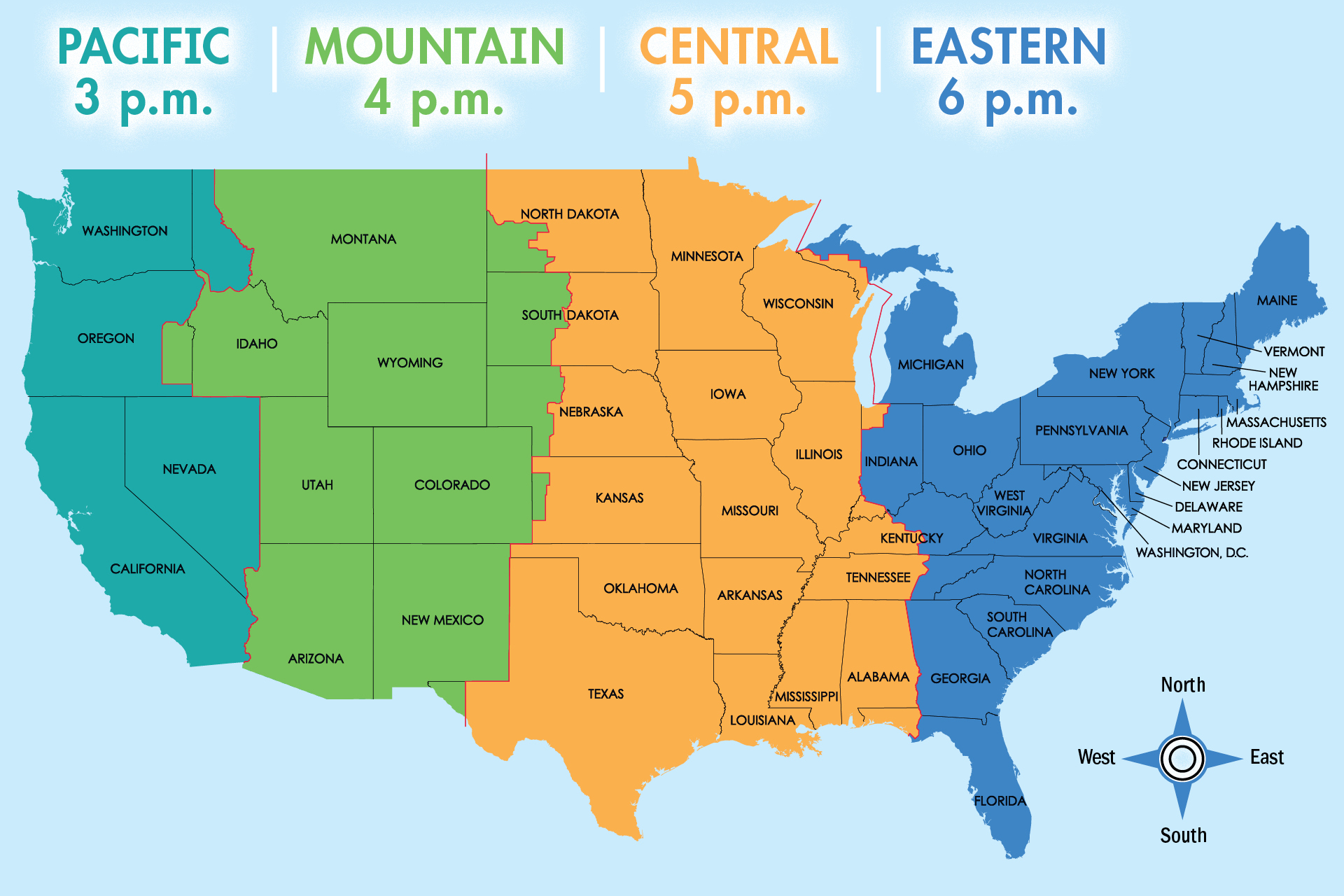
The Pacific Time Zone encompasses the westernmost states of the United States and parts of Canada and Mexico. For California, this means adhering to a synchronized schedule that shifts with the seasons.
Pacific Standard Time (PST) and Pacific Daylight Time (PDT)
Throughout the year, California switches between two designations:
- Pacific Standard Time (PST): This is the standard observation during the colder months, typically from early November to mid-March. PST is 8 hours behind Coordinated Universal Time (UTC-8). This means when it’s noon UTC, it’s 4:00 AM in California under PST.
- Pacific Daylight Time (PDT): During the warmer months, generally from mid-March to early November, California observes Pacific Daylight Time. PDT is 7 hours behind Coordinated Universal Time (UTC-7). This adjustment is due to Daylight Saving Time.
Understanding Daylight Saving Time (DST)
Daylight Saving Time is a practice observed across much of the United States, including California, where clocks are advanced by one hour in the spring (“spring forward”) and set back by one hour in the fall (“fall back”). This system aims to make better use of daylight, shifting an hour of daylight from the morning to the evening.
- When does it change? In the United States, Daylight Saving Time begins on the second Sunday in March at 2:00 AM local time, when clocks spring forward from PST to PDT. It ends on the first Sunday in November at 2:00 AM local time, when clocks fall back from PDT to PST.
- Why is this important for travelers? These biannual shifts are crucial for travelers, particularly those arriving or departing around these dates. A flight scheduled for 3:00 AM on the day clocks spring forward might effectively mean you have only two hours between 2:00 AM and 3:00 AM. Conversely, on the day clocks fall back, you gain an extra hour, which could affect connecting flights or early morning appointments if not accounted for. Always double-check flight times, hotel check-ins, and tour schedules in relation to the DST changes.
Why Time Zones Are Critical for Your California Journey
Understanding California’s time zone goes beyond simple curiosity; it’s a practical necessity that impacts almost every aspect of your travel, from initial planning to daily activities. Integrating time zone awareness into your travel toolkit will ensure a smoother, more enjoyable experience.
Planning Your Arrival and Departure
The moments of arrival and departure are often the most sensitive to time zone differences. Miscalculations can lead to missed connections, forfeited bookings, or unnecessary stress.
- Flights and Connections: For international and cross-country travelers, adjusting to Pacific Time immediately upon arrival is essential. If you’re flying in from the East Coast of the United States (which is three hours ahead), your body will feel like it’s three hours later than the local California time. This can make a 9:00 AM flight feel like 6:00 AM to your internal clock. Be particularly mindful of connecting flights, especially if you have a tight layover across different time zones.
- Hotel Check-ins and Check-outs: Most hotels, resorts, and vacation apartments in California have standard check-in and check-out times, often 3:00 PM and 11:00 AM or 12:00 PM respectively. Arriving too early or departing too late can incur additional fees or leave you waiting. Confirming these times in Pacific Time and setting your devices accordingly upon landing will prevent any confusion.
- Managing Jet Lag: A significant time difference can induce jet lag, characterized by fatigue, disorientation, and sleep disturbances. Knowing California’s time zone helps you anticipate and prepare for this. Gradual adjustments to your sleep schedule before departure, staying hydrated during the flight, and exposing yourself to natural sunlight upon arrival are effective strategies to acclimate faster to Pacific Time.
Synchronizing Activities and Experiences
Once you’ve settled in, your daily itinerary will be dictated by the local time. From scheduled tours to dining experiences, precision is key.
- Booking Tours and Attractions: Many popular attractions, like Disneyland, Universal Studios Hollywood, or a ferry to Alcatraz Island, operate on strict schedules with timed entry tickets. Booking these in advance, always confirming the time in Pacific Time, ensures you don’t miss out on these unforgettable experiences.
- Dining Reservations: California’s culinary scene is world-renowned. Securing reservations at popular restaurants, especially in cities like Los Angeles or San Francisco, is often necessary. A missed reservation due to a time zone miscalculation can be a frustrating and costly oversight.
- Communication with Home: Whether it’s a quick call to family or a crucial business meeting, understanding the time difference between California and your home location is vital. Planning calls during mutually convenient hours avoids disturbing loved ones in the middle of the night or missing important work communications.
- Business Stays and Meetings: For business travelers, adhering to local time is non-negotiable. Missing a conference call or arriving late to a meeting due to time zone confusion can have significant professional repercussions. Always confirm all meeting times in Pacific Time and utilize world clock features on your devices.
Navigating Across Time Zones Within the US
While California is entirely within the Pacific Time Zone, many travelers undertake multi-state road trips or connect flights through different US time zones.
- Neighboring States: California borders states that also observe Pacific Time, such as Oregon and Washington, and parts of Idaho and Nevada. However, other nearby states like Arizona (which largely does not observe Daylight Saving Time), Utah, and Colorado are in the Mountain Time Zone, which is one hour ahead of Pacific Time.
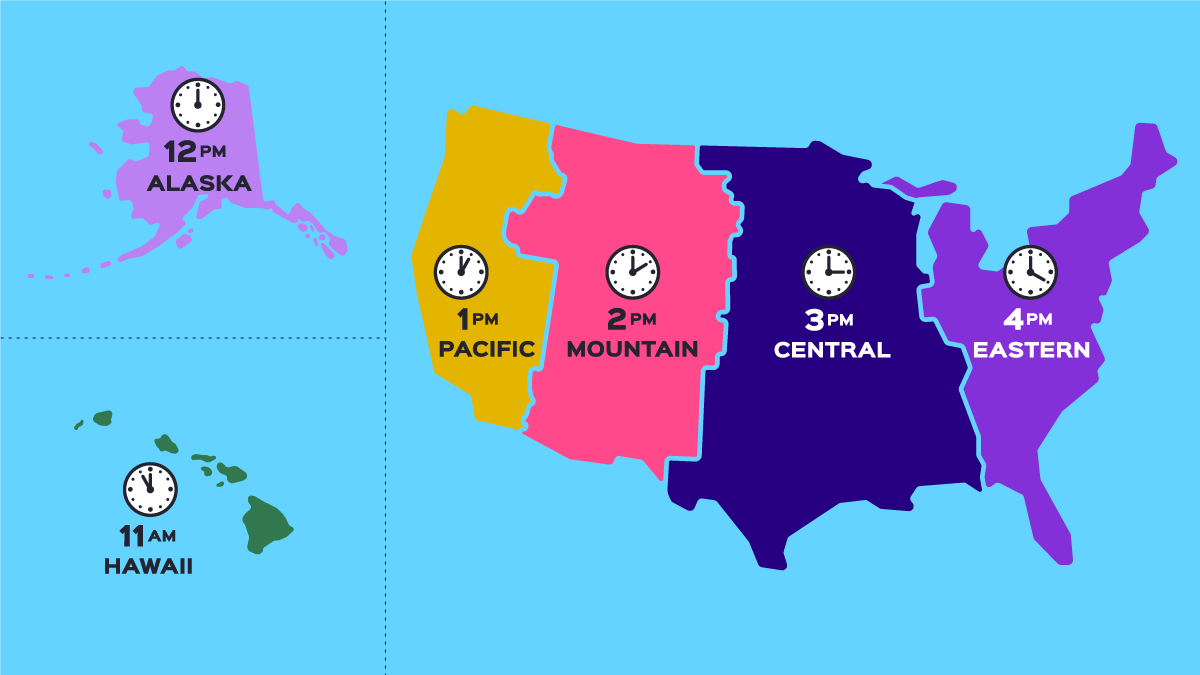
- Cross-Country Travel: The United States spans six standard time zones: Eastern Time, Central Time, Mountain Time, Pacific Time, Alaska Time, and Hawaii Time. When traveling between these zones, especially for long road trips, continuously adjusting your clock and being aware of the changes is crucial. A simple rule of thumb: traveling east generally means “losing” an hour, while traveling west means “gaining” an hour.
Exploring California’s Diverse Regions and Their Timeless Charm
One of California’s most compelling features is its incredible geographical and cultural diversity. From the bustling metropolis of Los Angeles to the serene wilderness of Yosemite National Park, every corner offers a unique experience. What’s convenient for travelers is that the entire state uniformly observes the Pacific Time Zone, simplifying local scheduling no matter where your adventures take you.
Southern California Delights
The southern reaches of California are synonymous with sunshine, entertainment, and vibrant cities.
- Los Angeles: The sprawling entertainment capital is a magnet for travelers. Whether you’re exploring Hollywood’s Walk of Fame, enjoying the beaches of Santa Monica Pier, or marveling at the stars from the Griffith Observatory, all activities operate on Pacific Time. Booking a visit to Universal Studios Hollywood or a show at the Dolby Theatre will require precise timing.
- San Diego: Further south, San Diego offers a relaxed vibe with beautiful beaches, the expansive Balboa Park, and world-class attractions like SeaWorld San Diego. Time your visit to the historic Gaslamp Quarter or a whale watching tour with the assurance of a consistent time zone.
- Desert Regions: Venturing inland, destinations like Palm Springs offer a luxurious desert escape, while Joshua Tree National Park and Death Valley National Park provide dramatic landscapes. Even in these remote areas, your watch will remain on Pacific Time, simplifying navigation and activity planning.
Central Coast and Valley Adventures
Mid-state California showcases stunning coastlines, agricultural valleys, and majestic national parks.
- Scenic Coastline: Driving the legendary Highway 1 through Big Sur, visiting the charming towns of Santa Barbara, Monterey, and Carmel-by-the-Sea means every sunset vista and whale-watching excursion is perfectly framed by Pacific Time.
- National Parks: The awe-inspiring beauty of Yosemite National Park, with its granite cliffs and giant sequoias, or the rugged wilderness of Kings Canyon National Park and Sequoia National Park, all operate within the same time structure. When planning hikes or ranger programs, rest assured your timepieces are in sync with nature’s schedule.
Northern California Gems
The northern part of the state offers a blend of iconic urban centers, world-class wine regions, and dramatic natural beauty.
- San Francisco: This iconic city, famous for the Golden Gate Bridge, cable cars, and vibrant neighborhoods, demands precise time management to fit in all its attractions. From touring Alcatraz Island to exploring the Golden Gate National Recreation Area, everything adheres to Pacific Time. Even business travelers in Silicon Valley rely on this consistent time.
- Wine Country: The renowned wine regions of Napa Valley and Sonoma Valley offer exquisite tasting experiences and luxurious resorts. Pre-booking your vineyard tours and dining reservations in these areas is crucial, and you can confidently plan them all within the Pacific Time Zone.
- Mountain and Coastal Escapes: From the alpine beauty of Lake Tahoe to the ancient forests of Redwood National Park, Northern California offers boundless outdoor adventures. Whether you’re skiing at Mammoth Lakes or exploring the rugged coastline, the consistent time zone helps simplify your planning for all these diverse destinations.
Practical Tips for Seamless Time Zone Management
Integrating time zone awareness into your travel habits is a simple yet powerful way to enhance your entire trip. By adopting a few key strategies, you can minimize potential disruptions and maximize your enjoyment of California.
Before You Travel
Preparation is key to avoiding time zone pitfalls.
- Confirm All Bookings in Local Time: When making reservations for flights, hotels, car rentals, tours, and restaurants, always double-check that the times are specified in California’s local time, which will be PST or PDT depending on the season. A quick note in your itinerary confirming PST/PDT for each entry can be very helpful.
- Adjust Your Internal Clock Gradually: If you’re coming from a significantly different time zone, try to shift your sleep schedule by an hour or two each day for a few days before your departure. This gentle acclimatization can significantly reduce the impact of jet lag.
- Inform Your Contacts: If you need to stay in touch with family, friends, or colleagues back home, communicate your new time zone. Use a world clock app or website to identify mutually convenient calling times.
During Your Travel
Once you’ve arrived, vigilance and adaptability will serve you well.
- Set Devices to Automatic Time Zone: Most smartphones and smartwatches automatically update to the local time zone when you arrive at your destination. Ensure this setting is enabled. While a traditional wristwatch is charming, relying on your phone’s automatic update is generally more reliable for immediate time zone changes.
- Adjust Physical Clocks Immediately: If you use a physical travel alarm clock or wear a traditional watch, change it to Pacific Time as soon as you land. This helps you mentally align with the local schedule from the outset.
- Embrace Local Time: Try to eat meals and go to bed according to the local California schedule, even if you don’t feel hungry or tired at first. Exposure to natural daylight during the day and minimizing light exposure at night helps regulate your body’s circadian rhythm.
- Stay Hydrated and Limit Caffeine/Alcohol: Dehydration can exacerbate jet lag symptoms. Drink plenty of water and try to limit excessive caffeine and alcohol, especially during your flight and the first day or two in California.
Leveraging Technology
Modern technology offers invaluable assistance in managing time zones.
- World Clock Apps: Dedicated world clock applications or the built-in clock features on your smartphone allow you to easily track multiple time zones simultaneously. This is particularly useful for coordinating with contacts in different parts of the world.
- Calendar Reminders: When scheduling activities, use your digital calendar and ensure that events are set to the correct time zone. Most calendar applications automatically adjust events if you change time zones, but it’s always wise to double-check.
- Flight Tracking Apps: Many airline apps and third-party flight trackers provide real-time updates and will display arrival and departure times in local time, helping you stay informed about any potential delays or changes.
By understanding that all of California operates on the Pacific Time Zone (PST/PDT) and by implementing these practical tips, you can confidently navigate your way through your travels. This seemingly small detail is, in fact, a cornerstone of well-planned and enjoyable travel, allowing you to fully immerse yourself in the rich experiences that await you across the Golden State.
LifeOutOfTheBox is a participant in the Amazon Services LLC Associates Program, an affiliate advertising program designed to provide a means for sites to earn advertising fees by advertising and linking to Amazon.com. Amazon, the Amazon logo, AmazonSupply, and the AmazonSupply logo are trademarks of Amazon.com, Inc. or its affiliates. As an Amazon Associate we earn affiliate commissions from qualifying purchases.