
While the neon glow of the Las Vegas Strip often commands the spotlight, the true magic of the Mojave Desert lies just beyond the city limits. Southern Nevada and its bordering states offer a stark, dramatic contrast to the man-made spectacle of the Sin City. For travelers seeking to escape the climate-controlled confines of the casinos, a world of geological wonders, historic sites, and outdoor adventures awaits. Whether you are craving the solitude of vast canyons or the cooling waters of a desert river, the region surrounding the Las Vegas Valley is a masterclass in natural beauty.
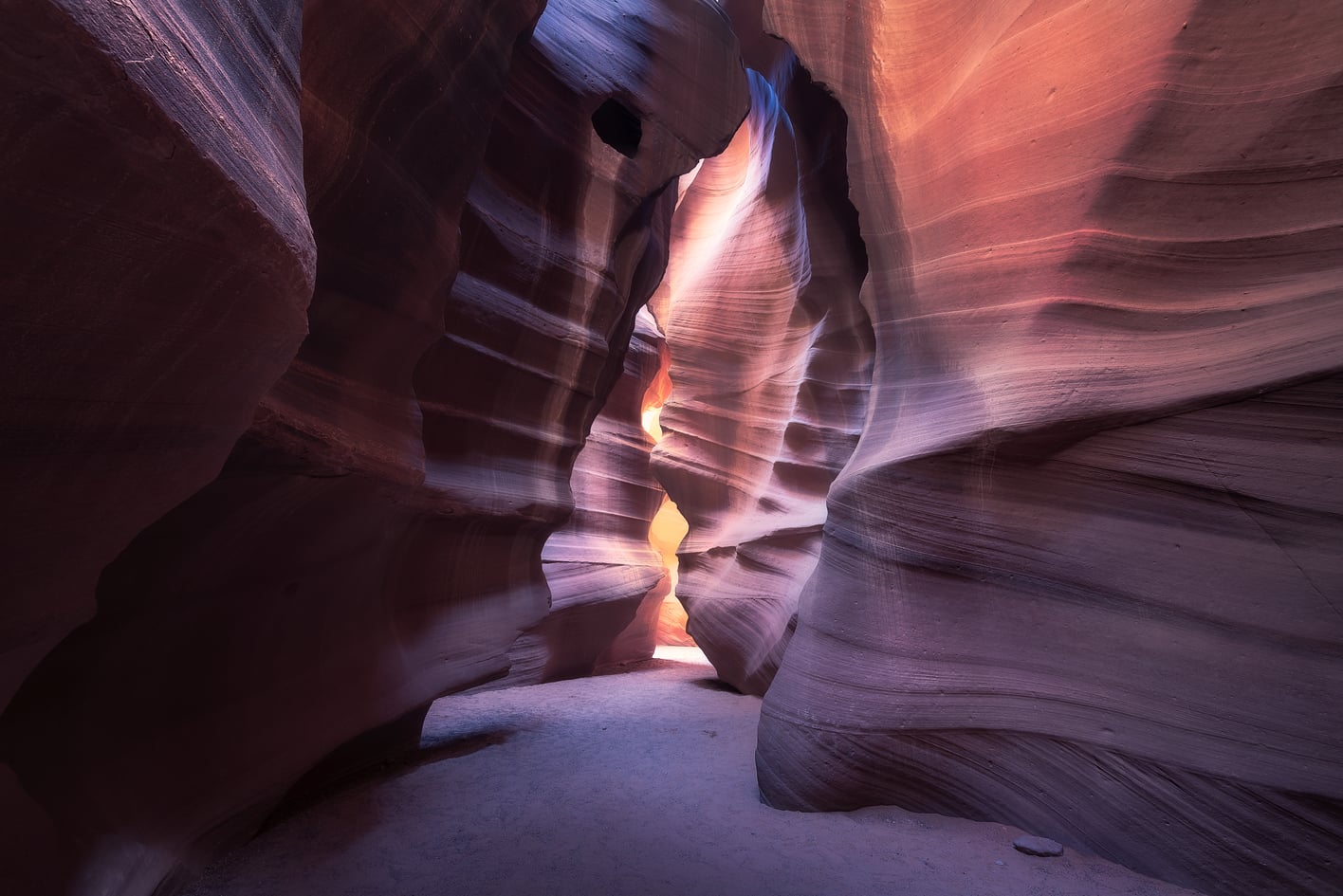
Unrivaled Geological Marvels
The topography surrounding Las Vegas is defined by its dramatic scale and millions of years of shifting tectonic activity. Exploring these sites requires little more than a vehicle and a thirst for exploration.
Red Rock Canyon National Conservation Area
Located a mere 20 minutes from the bustle of the Downtown Las Vegas, Red Rock Canyon National Conservation Area is the premier day-trip destination for locals and tourists alike. The 13-mile scenic drive offers a curated view of the towering Aztec Sandstone peaks that reach toward the sky in vivid shades of ochre and crimson. Hikers can traverse miles of trails, ranging from the accessible Calico Tanks to the more strenuous Turtlehead Peak.
Valley of Fire State Park
About an hour northeast of the city lies the Valley of Fire State Park, the oldest and largest state park in Nevada. The landscape here is otherworldly, dominated by bright red sandstone formations that appear to be on fire when the sun hits them at specific angles. Notable sites include Atlatl Rock, which houses ancient petroglyphs, and the Fire Wave, a geological formation with striped, swirling patterns that provide one of the most photographed vistas in the American Southwest.
Historic Landmarks and Human Engineering
Beyond the raw nature, the area surrounding Las Vegas features monumental feats of 20th-century engineering that reshaped the geography and economy of the United States.
Hoover Dam
Perhaps the most famous landmark near the city, the Hoover Dam stands as an awe-inspiring testament to American ambition. Straddling the border between Nevada and Arizona, this concrete giant tamed the Colorado River and created Lake Mead. Visitors can walk across the Mike O’Callaghan–Pat Tillman Memorial Bridge for a breathtaking bird’s-eye view of the dam, or descend into the tunnels to learn about the history of the workers who braved the harsh desert conditions to build it.
Eldorado Canyon
For a glimpse into a grittier side of history, head to Eldorado Canyon. This site is home to the Techatticup Mine, the oldest and richest gold mine in Southern Nevada. The site remains remarkably well-preserved, featuring a quirky collection of vintage artifacts, movie props, and rusted machinery that give it a unique, post-apocalyptic charm. It is a favored location for photographers looking to capture the “Old West” aesthetic.
Water and Wilderness Escapes
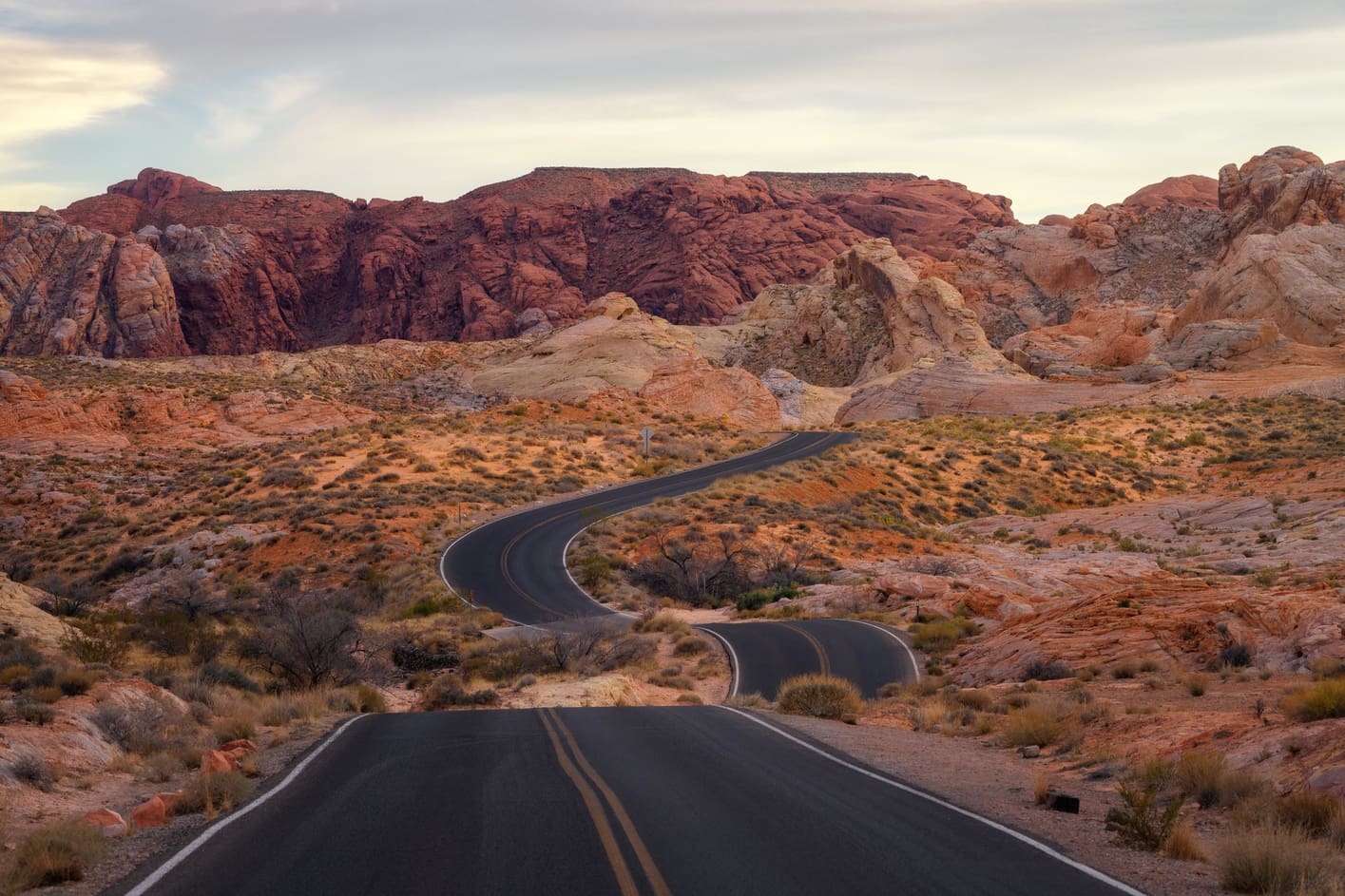
While it may seem counterintuitive to search for water in the desert, the regions surrounding Las Vegas offer surprising opportunities for aquatic recreation.
Lake Mead National Recreation Area
As the largest reservoir in the United States, Lake Mead National Recreation Area serves as a sprawling playground for those seeking water sports. From boating and kayaking to paddleboarding and fishing, the lake provides a refreshing respite from the desert heat. The stark shoreline, flanked by rugged mountains, creates a stunning backdrop for sunsets that rival any view from a high-rise hotel balcony.
Willow Beach and the Colorado River
For those who prefer a more tranquil experience, Willow Beach offers a gateway to the lower Colorado River. Navigating the river via canoe or kayak allows travelers to experience the Black Canyon up close. The water is often a striking shade of deep blue, held in place by the canyon walls, providing a serene environment where the only sound is the gentle lapping of the river against the rocks.
Beyond the Nevada Border
The location of Las Vegas is strategically positioned to allow access to incredible sights in neighboring states, making it a perfect base for a wider road trip.
Death Valley National Park
A two-hour drive west takes you into California and the heart of Death Valley National Park. Known as one of the hottest and driest places on Earth, the park is a land of extreme contrasts. From the lowest point in North America at Badwater Basin to the colorful dunes at Mesquite Flat, the park offers landscapes that feel like they belong on another planet. It is essential to visit during the cooler months, as the summer temperatures here are legendary for their intensity.
Zion National Park
Slightly further afield—about a three-hour drive northeast in Utah—lies Zion National Park. Famous for its towering cream and red-colored sandstone cliffs, the park offers some of the most iconic hiking in the world, including the famed Angels Landing and the immersive The Narrows. The journey from the arid desert of Nevada to the lush, dramatic canyons of Utah highlights the incredible geographical diversity that can be explored within a single trip.

Final Travel Tips for the Desert Explorer
When planning excursions from Las Vegas, preparation is the key to a successful journey. The desert climate is unforgiving, and the vast distances between locations require careful planning.
- Hydration is Non-Negotiable: Even in the winter months, the air in the Mojave Desert is extremely dry. Always carry significantly more water than you think you will need.
- Check the Weather: Conditions can change rapidly. Flash floods are a genuine danger in slot canyons, and extreme heat can lead to rapid exhaustion.
- Vehicle Readiness: Ensure your vehicle is serviced and has sufficient fuel. Many of these remote areas lack cell phone coverage and amenities.
- Leave No Trace: These fragile environments are sensitive to human impact. Please follow all park regulations to ensure that these natural wonders remain preserved for future generations.
By stepping outside the Las Vegas city limits, you unlock a deeper appreciation for the region. From the ancient geological history of Red Rock Canyon National Conservation Area to the modern engineering marvels at the Hoover Dam, the surroundings offer a narrative of the American West that is as compelling as any show on the Strip. Whether you are an avid hiker, a history buff, or a casual sightseer, the landscapes beyond the neon lights provide the perfect balance to your desert holiday.
LifeOutOfTheBox is a participant in the Amazon Services LLC Associates Program, an affiliate advertising program designed to provide a means for sites to earn advertising fees by advertising and linking to Amazon.com. Amazon, the Amazon logo, AmazonSupply, and the AmazonSupply logo are trademarks of Amazon.com, Inc. or its affiliates. As an Amazon Associate we earn affiliate commissions from qualifying purchases.