
Understanding the prevailing health landscape in any destination is a crucial component of modern lifestyle planning, whether for leisure, business, or relocation. For those considering Phoenix, Arizona, staying informed about the circulating varieties of COVID-19 allows for more deliberate and safe choices regarding travel, daily activities, and community engagement. While the specifics of viral strains are dynamic and constantly evolving, the mechanisms for tracking and the implications for personal lifestyle remain consistent.
Understanding the Current Viral Landscape in Phoenix
Phoenix, as a major metropolitan area and a popular destination, is subject to the same global viral patterns as other large cities, yet with local nuances influenced by population density, travel patterns, and public health measures. Monitoring the varieties of COVID-19 circulating in Phoenix is primarily the responsibility of state and local public health agencies, working in conjunction with national and international bodies. These entities play a vital role in providing the data necessary for individuals to make informed lifestyle decisions.

Tracking Key Variants and Data Sources
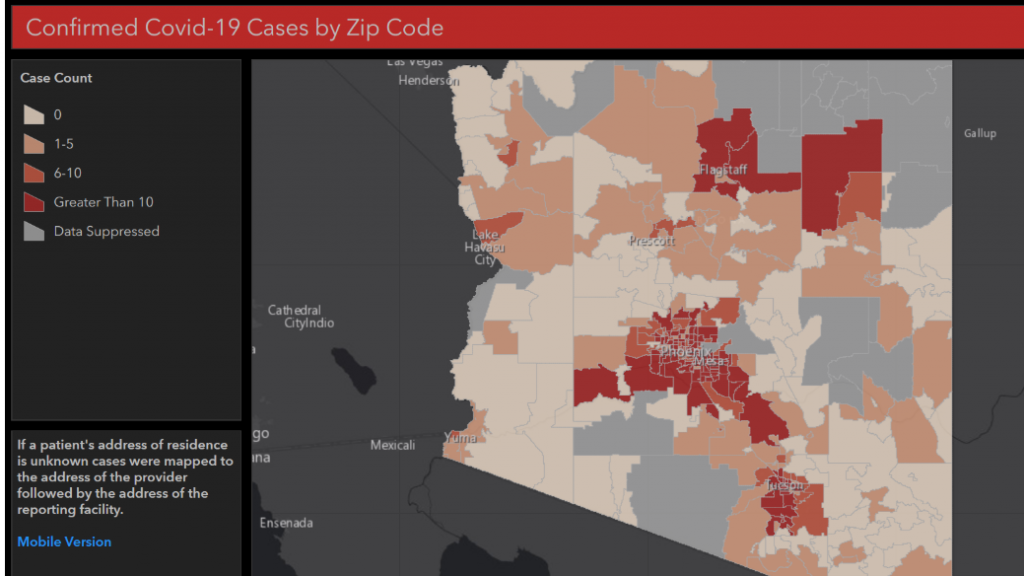
The identification of specific COVID-19 variants relies heavily on genomic sequencing, a process conducted by public health laboratories and academic institutions. These labs analyze a subset of positive COVID-19 samples to determine which variants are present and their prevalence. For Phoenix and the broader Maricopa County area, the primary sources of this information typically include the Arizona Department of Health Services (ADHS) and the Maricopa County Department of Public Health. These departments regularly publish dashboards and reports detailing key metrics such as case counts, hospitalizations, wastewater surveillance data, and, crucially, the proportion of identified variants.
These local reports are often aggregated and contextualized by national organizations like the Centers for Disease Control and Prevention (CDC), which provides a broader national and regional overview. The data helps identify dominant strains, emerging variants of concern, and their potential implications for transmissibility or severity. For individuals planning a trip or considering a move to Phoenix, regularly consulting these official sources provides the most accurate and up-to-date picture of the local viral environment. This proactive information gathering is a cornerstone of responsible lifestyle planning in the current era.
The Role of Wastewater Surveillance
Beyond individual testing and genomic sequencing, wastewater surveillance has become an increasingly valuable tool for tracking COVID-19 variants within a community. Wastewater testing provides an early warning system, often detecting the presence of a virus before it leads to widespread clinical cases. In Phoenix, like many progressive urban centers, samples from municipal wastewater treatment plants are regularly analyzed for SARS-CoV-2 RNA. This method offers a non-invasive, community-level perspective on viral activity, including the detection of specific variants, even from asymptomatic individuals. The data from wastewater surveillance, often published on county or state health department websites, complements other metrics and provides a comprehensive view for those making lifestyle choices, from attending large events to choosing residential areas.
Impact on Travel and Lifestyle Choices
The knowledge of circulating COVID-19 varieties in Phoenix directly informs a wide array of lifestyle decisions, particularly concerning travel and social engagement. Whether one is planning a family vacation, a business trip, or contemplating long-term residency, understanding the health landscape allows for tailored risk assessments and proactive adjustments to personal behaviors.
Assessing Risk for Various Lifestyles
For family trips, awareness of dominant variants can influence choices regarding accommodation, activities, and interactions with vulnerable populations. Families might prioritize outdoor activities, opt for self-catering accommodations over crowded hotels, or choose destinations with lower variant prevalence if specific strains are known to impact children or immunocompromised individuals more severely. For business travelers, understanding the local health situation can inform decisions about in-person meetings versus virtual alternatives, mask-wearing protocols in corporate settings, and the potential for travel disruptions due to illness.
Even for solo travelers or those seeking a luxury experience, the presence of certain variants can shape expectations and precautions. A traveler might choose a resort with robust health protocols or plan activities that minimize close contact, even when seeking relaxation. Similarly, for those considering relocation or long-term stays in Phoenix, this information is critical for integrating into the community safely, selecting schools, and participating in local events. The concept of “safe living” becomes highly personalized, adapting to the current health context.

Health Protocols for Phoenix Visitors and Residents
In response to evolving variants, public health recommendations and local guidelines in Phoenix can change. These might include recommendations for mask-wearing in certain indoor settings, updated vaccination guidance, or increased availability of testing sites. For visitors, understanding these local protocols is essential for a smooth and respectful experience. For residents, it’s about maintaining community health and personal well-being. Keeping up-to-date with official guidance from the Maricopa County Department of Public Health and the Arizona Department of Health Services is paramount. This includes information on vaccine clinics, testing locations, and specific precautions advised for different risk groups.
Navigating Phoenix Safely: Local Measures and Recommendations
The public health infrastructure in Phoenix is designed to respond to and mitigate the impact of infectious diseases, including COVID-19 and its variants. For residents and visitors alike, familiarity with these measures and adherence to recommendations are key components of a safe and responsible lifestyle.
Public Health Infrastructure and Response
Phoenix benefits from a robust public health system that includes extensive testing capabilities, contact tracing efforts (when implemented), and a network of healthcare facilities prepared to manage cases of COVID-19. Hospitals and clinics across the Phoenix metropolitan area are equipped to treat severe cases, and local pharmacies often serve as accessible points for vaccinations and rapid testing. The coordination between hospitals, emergency services, and public health departments ensures a structured response to outbreaks or surges in cases, including those driven by new variants. This coordinated effort provides a foundational layer of safety for anyone living in or visiting the city.
Community Engagement and Awareness
Beyond institutional measures, the proactive engagement of the Phoenix community plays a significant role in managing viral spread. Local businesses, educational institutions, and community organizations often implement their own health protocols, from enhanced cleaning regimes to flexible work policies. Individuals are encouraged to practice personal hygiene, stay home when sick, and consider vaccination and booster shots according to current guidelines. Awareness campaigns by local health departments further educate the public on the importance of these measures, empowering individuals to protect themselves and their communities. For those seeking to integrate into the Phoenix lifestyle, understanding and respecting these community-driven norms contribute to collective well-being.
Future Outlook and Adaptability for Phoenix Residents and Visitors
The landscape of COVID-19 is one of continuous evolution, making adaptability a cornerstone of modern lifestyle planning. For Phoenix, like any other major city, the future involves ongoing vigilance, strategic public health adaptations, and informed personal preparedness.
Evolving Public Health Strategies
Public health agencies in Arizona and nationally are constantly refining their strategies to combat COVID-19. This includes transitioning from emergency response to sustainable management, often integrating COVID-19 surveillance and prevention into broader respiratory virus programs. Future efforts will likely focus on targeted vaccination campaigns, enhanced wastewater surveillance for early detection of new variants, and clear communication frameworks to inform the public about current risks and recommended precautions. For residents and frequent visitors, understanding this shift towards integrated health management is crucial for long-term lifestyle planning. It means fewer mandates but increased reliance on personal responsibility and readily available, accurate information.
Personal Preparedness in a Dynamic Environment
In a world where new viral variants can emerge, personal preparedness remains key. This includes maintaining up-to-date vaccinations, having access to rapid testing, and being prepared to adjust personal behaviors—such as mask-wearing in crowded settings or avoiding large gatherings—based on local transmission levels or personal risk factors. For individuals embracing the Phoenix lifestyle, whether enjoying outdoor adventures, exploring cultural attractions, or engaging in urban commerce, a proactive approach to health security ensures continued enjoyment and safety. Consulting reliable sources like the World Health Organization (WHO) or the CDC for global context, alongside local health department advisories for Phoenix-specific guidance, provides a holistic view. Ultimately, being informed about the varieties of COVID-19 in Phoenix, Arizona empowers individuals to navigate the city confidently, protecting their health while fully engaging with all that the vibrant desert metropolis has to offer.
LifeOutOfTheBox is a participant in the Amazon Services LLC Associates Program, an affiliate advertising program designed to provide a means for sites to earn advertising fees by advertising and linking to Amazon.com. Amazon, the Amazon logo, AmazonSupply, and the AmazonSupply logo are trademarks of Amazon.com, Inc. or its affiliates. As an Amazon Associate we earn affiliate commissions from qualifying purchases.