
Understanding the New York Climate for Travelers
When planning a visit to the vibrant metropolis of New York City, understanding its climate is paramount to ensuring a comfortable and enjoyable experience. The city experiences a humid subtropical climate, characterized by distinct seasons, each offering a unique ambiance and a different set of considerations for travelers. From the sweltering heat of summer to the biting chill of winter, the weather in New York significantly influences what you can see and do, and how you should pack. Being informed about the current temperature and seasonal patterns allows for strategic planning, enabling you to make the most of your New York adventure, whether you’re exploring the iconic Central Park, catching a Broadway show, or indulging in the city’s world-class culinary scene.

Seasonal Temperature Trends in New York City
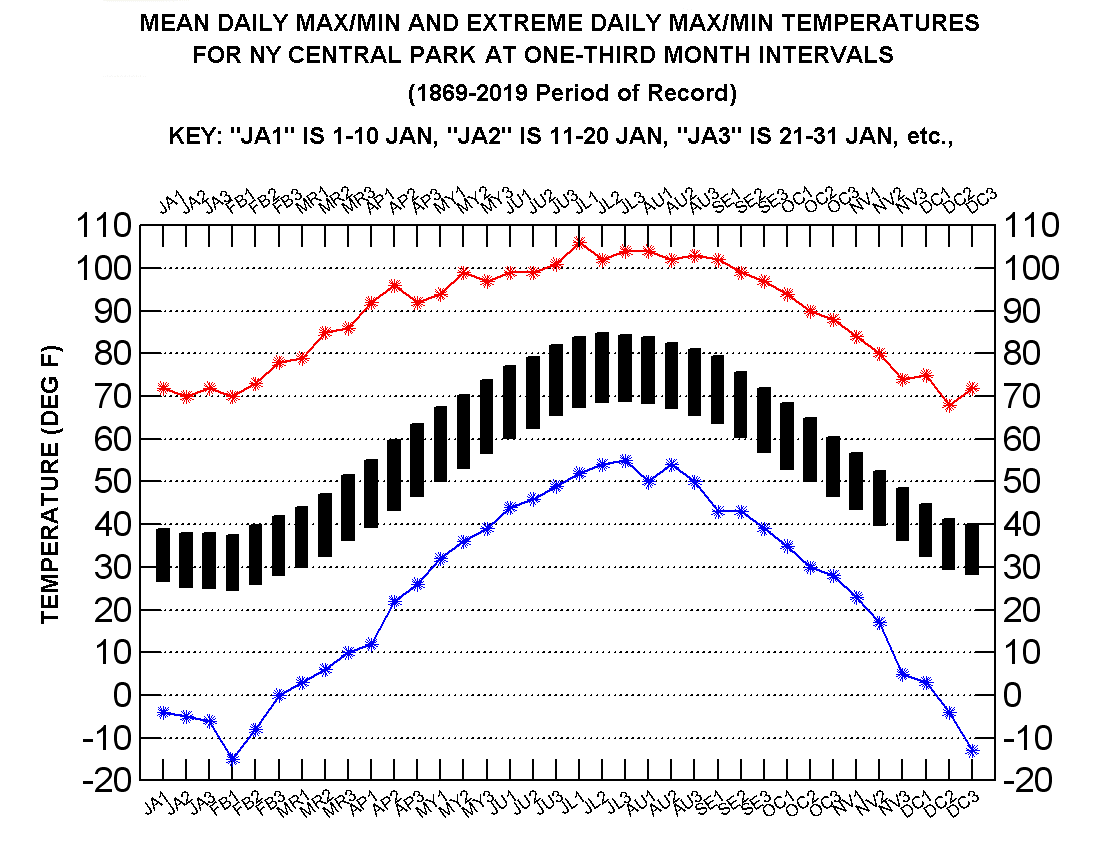
The weather in New York City is a tale of two extremes, with warm, humid summers and cold, snowy winters, separated by pleasant spring and autumn transitions.
Summer (June – August)
Summers in New York are typically hot and humid. Average temperatures often range from the high 70s to the mid-80s Fahrenheit (around 25-30 degrees Celsius), but heatwaves can push temperatures into the 90s and beyond. Humidity levels can make the air feel even warmer, so staying hydrated and seeking air-conditioned spaces is advisable. This is a popular time for tourists, with outdoor activities like visiting Coney Island, enjoying rooftop bars, and exploring the numerous parks being at their peak. However, the heat can be a factor, so plan your days accordingly, perhaps focusing on indoor attractions during the hottest parts of the day.
Autumn (September – November)
Autumn is often considered the most picturesque season in New York. The humidity of summer dissipates, and temperatures become pleasantly mild, typically ranging from the 50s to the 70s Fahrenheit (10-23 degrees Celsius) in September and October, gradually dropping into the 40s and 50s Fahrenheit (4-15 degrees Celsius) by November. The city transforms with vibrant foliage, particularly in Central Park and the Bronx Botanical Garden. It’s an ideal time for walking tours, exploring neighborhoods like Greenwich Village, and enjoying outdoor dining before the colder weather sets in.
Winter (December – February)
Winters in New York are cold, with average temperatures hovering between the low 20s and low 40s Fahrenheit (-6 to 5 degrees Celsius). Snowfall is common, blanketing the city in a magical white layer that transforms its iconic skyline. While the cold can be harsh, winter brings its own charm. The holiday decorations around Rockefeller Center and Fifth Avenue are world-renowned, and ice skating rinks pop up throughout the city. For those who don’t mind bundling up, exploring museums like the Metropolitan Museum of Art or the American Museum of Natural History, or catching a Broadway performance, are excellent winter pursuits.
Spring (March – May)
Spring in New York is a season of renewal. Temperatures gradually warm up from the chilly winter months, typically ranging from the 40s to the 60s Fahrenheit (4-20 degrees Celsius) throughout April and May. While early spring can still bring occasional cold snaps and rain, the city bursts into bloom as the season progresses. Parks become green again, outdoor cafes begin to fill up, and the energy of the city starts to shift towards warmer days. It’s a great time to explore the High Line or take a ferry to the Statue of Liberty and Ellis Island without the extreme heat of summer or the chill of winter.
How Current Temperatures Affect Your New York Itinerary
The daily temperature in New York City is a dynamic factor that can significantly shape your travel plans, from the activities you choose to the clothing you pack. Being aware of the current weather conditions allows for seamless adaptation and maximizes your enjoyment of the urban landscape.
Planning Outdoor Activities
When the temperature is mild and pleasant, New York truly shines as an outdoor destination. Days with temperatures in the 60s and 70s Fahrenheit (15-26 degrees Celsius) are perfect for leisurely strolls through neighborhoods like SoHo or along the Brooklyn Bridge. You can spend hours exploring the sprawling lawns and winding paths of Prospect Park or enjoying a picnic lunch with views of the Manhattan skyline. Boat tours around Manhattan Island or to Governors Island become particularly appealing.
However, extreme temperatures necessitate a shift in strategy. During a heatwave, with temperatures soaring into the 90s Fahrenheit (30s Celsius), outdoor activities should be concentrated during the cooler parts of the day, such as early mornings or late evenings. Consider scheduling visits to iconic outdoor landmarks like Times Square or the Empire State Building early in the morning to avoid the peak heat. In winter, when the mercury dips below freezing, outdoor exploration might be limited to brisk walks between attractions. Ice skating at Bryant Park or enjoying the festive window displays along Fifth Avenue are classic winter experiences, but shorter durations are often preferred.
Adapting Your Wardrobe
Your clothing choices are directly dictated by the temperature. Packing for New York requires a layered approach, especially if your visit spans across different seasonal influences.
In warmer months, light and breathable fabrics are essential. Think cotton t-shirts, linen shorts, and comfortable walking shoes. Don’t forget sunscreen, a hat, and sunglasses to protect yourself from the sun. If the humidity is high, opt for moisture-wicking fabrics to stay comfortable.

As the seasons transition, versatility becomes key. Spring and autumn often call for layers. A light jacket, a sweater, and perhaps a scarf can be easily added or removed as the temperature fluctuates throughout the day. Comfortable walking shoes remain a priority, as you’ll likely be doing a lot of exploring on foot.
Winter demands a more robust wardrobe. Thermal base layers, insulating sweaters, a warm, waterproof, and windproof coat are crucial. Don’t underestimate the importance of a hat, gloves, and a scarf to protect extremities from the cold. Waterproof boots are highly recommended to navigate snowy or icy streets.
Indoor Attractions as a Refuge
When the temperature outside becomes less inviting, New York City offers an abundance of world-class indoor attractions. Museums, galleries, theaters, and renowned restaurants provide excellent opportunities to immerse yourself in culture and entertainment while escaping the elements.
On scorching summer days, spending an afternoon at the Metropolitan Museum of Art, exploring the exhibits at the Museum of Modern Art (MoMA), or experiencing the wonders of science at the American Museum of Natural History are perfect ways to stay cool and engaged. Similarly, during the frigid winter months, these cultural institutions become havens, offering a warm respite and enriching experiences. The world-renowned theater district, home to countless Broadway shows, offers spectacular entertainment regardless of the weather outside. Even a simple coffee break at a cozy cafe can offer a moment of warmth and a chance to observe the city’s vibrant life from indoors.
Leveraging Weather Forecasts for a Seamless New York Trip
While understanding seasonal trends is important, checking the real-time temperature and the detailed forecast for New York City is indispensable for immediate planning and adjustments. A proactive approach to weather monitoring ensures that your travel experience is as smooth and enjoyable as possible, minimizing surprises and maximizing opportunities.
Daily Temperature Checks and Adjustments
Before venturing out each day, a quick check of the current temperature and the day’s forecast is a crucial step for any traveler in New York. This simple action can prevent you from being underdressed for a chilly morning or overdressed for a surprisingly warm afternoon. If the forecast predicts rain, you can adjust your plans to prioritize indoor activities or carry an umbrella and waterproof gear. If a sudden cold snap is expected, you can ensure you’re wearing an extra layer before heading out to explore attractions like the Statue of Liberty. This real-time information allows for spontaneous adjustments to your itinerary, ensuring you’re always prepared for what New York has in store.
Planning for Specific Activities
The accuracy of weather forecasts can greatly influence the success of planned activities. For instance, if you’re hoping to take iconic photographs of the Manhattan skyline from a rooftop bar, knowing the temperature and wind conditions will help you decide on the best time of day and what to wear. Similarly, if you’ve booked a walking tour of Greenwich Village or a bike ride across the Brooklyn Bridge, a clear, mild day makes these experiences significantly more enjoyable than a day with heavy rain or extreme heat. For more adventurous outdoor pursuits like a day trip to Governors Island, checking the forecast in advance is essential to ensure optimal weather conditions.
Long-Term Weather Outlooks for Advanced Planning
While daily forecasts are for immediate adjustments, looking at the longer-term weather outlook can be beneficial for more advanced planning, particularly for extended stays or specific seasonal events. For example, if you are planning a trip around Christmas, understanding the typical winter temperatures in New York can help you book appropriate accommodations and pack accordingly for the festive season’s outdoor markets and light displays. Likewise, if you are planning a visit in the spring, a general outlook can help you anticipate the likelihood of blooming flowers in Central Park or outdoor events emerging as the weather warms. This foresight allows for more informed decisions regarding the types of tours, outdoor excursions, and even the choice of hotels, ensuring that your New York experience aligns with your expectations and the prevailing weather conditions.
Practical Tips for Navigating New York’s Weather
Experiencing New York City means embracing its diverse weather. With a bit of preparation and flexibility, you can ensure that the temperature, whatever it may be, enhances rather than hinders your visit.
The Art of Layering
As mentioned, layering is the cornerstone of effective dressing for New York’s unpredictable climate. Start with a base layer that wicks away moisture, add an insulating layer like a fleece or sweater, and top it off with a waterproof and windproof outer shell. This allows you to adapt to changing temperatures throughout the day with ease. For instance, you might start your day in a heated museum with just a t-shirt, add a sweater for a brisk walk in the park, and then put on your jacket and scarf when the evening chill sets in. This strategy is invaluable whether you’re visiting landmarks like the One World Observatory or simply navigating the city streets.
Hydration and Sun Protection
Even on cooler days, especially during autumn and spring, the sun can be strong, and the city’s pace can be dehydrating. Always carry a reusable water bottle, especially during warmer months, and drink plenty of water throughout the day. Sunscreen, hats, and sunglasses are essential year-round, not just in summer. UV rays can still be harmful during colder months, particularly when reflected off snow. Protecting your skin and staying hydrated will significantly improve your comfort levels while exploring attractions like the High Line or enjoying a ferry ride.
Embracing Indoor Escapes and Seasonal Delights
Don’t let less-than-ideal weather deter you from experiencing the best of New York. Embrace the city’s incredible array of indoor attractions as a welcome refuge. Spend time exploring the galleries of Chelsea, catching a matinee performance, or enjoying a leisurely brunch at one of the city’s many renowned eateries. Conversely, when the weather is favorable, seize the opportunity to enjoy the outdoors. Whether it’s a warm summer evening spent at an outdoor concert in Central Park, a crisp autumn afternoon exploring the quaint shops of the West Village, or a magical winter day admiring the holiday decorations, each season offers unique opportunities to fall in love with the city.
By paying attention to the daily temperature and understanding the broader seasonal patterns, you can confidently plan your New York adventure, ensuring that every moment is as comfortable and memorable as possible.
LifeOutOfTheBox is a participant in the Amazon Services LLC Associates Program, an affiliate advertising program designed to provide a means for sites to earn advertising fees by advertising and linking to Amazon.com. Amazon, the Amazon logo, AmazonSupply, and the AmazonSupply logo are trademarks of Amazon.com, Inc. or its affiliates. As an Amazon Associate we earn affiliate commissions from qualifying purchases.