
Florida, the Sunshine State, beckons with its pristine beaches, vibrant culture, and warm climate. Yet, for those considering a permanent move or a long-term stay, the question of safety is paramount. Beyond the allure of palm trees and theme parks, understanding the nuances of safety across its diverse landscape is crucial for making an informed decision. This exploration delves into what constitutes safety in Florida, examining various factors that contribute to it and highlighting regions that consistently rank high in security and quality of life.
Defining Safety: Beyond Crime Statistics
While low crime rates are a significant indicator of safety, a comprehensive understanding encompasses more than just statistics. Safety in a residential context involves a multifaceted approach, considering environmental factors, community well-being, and preparedness for natural disasters.
Crime Rates and Law Enforcement
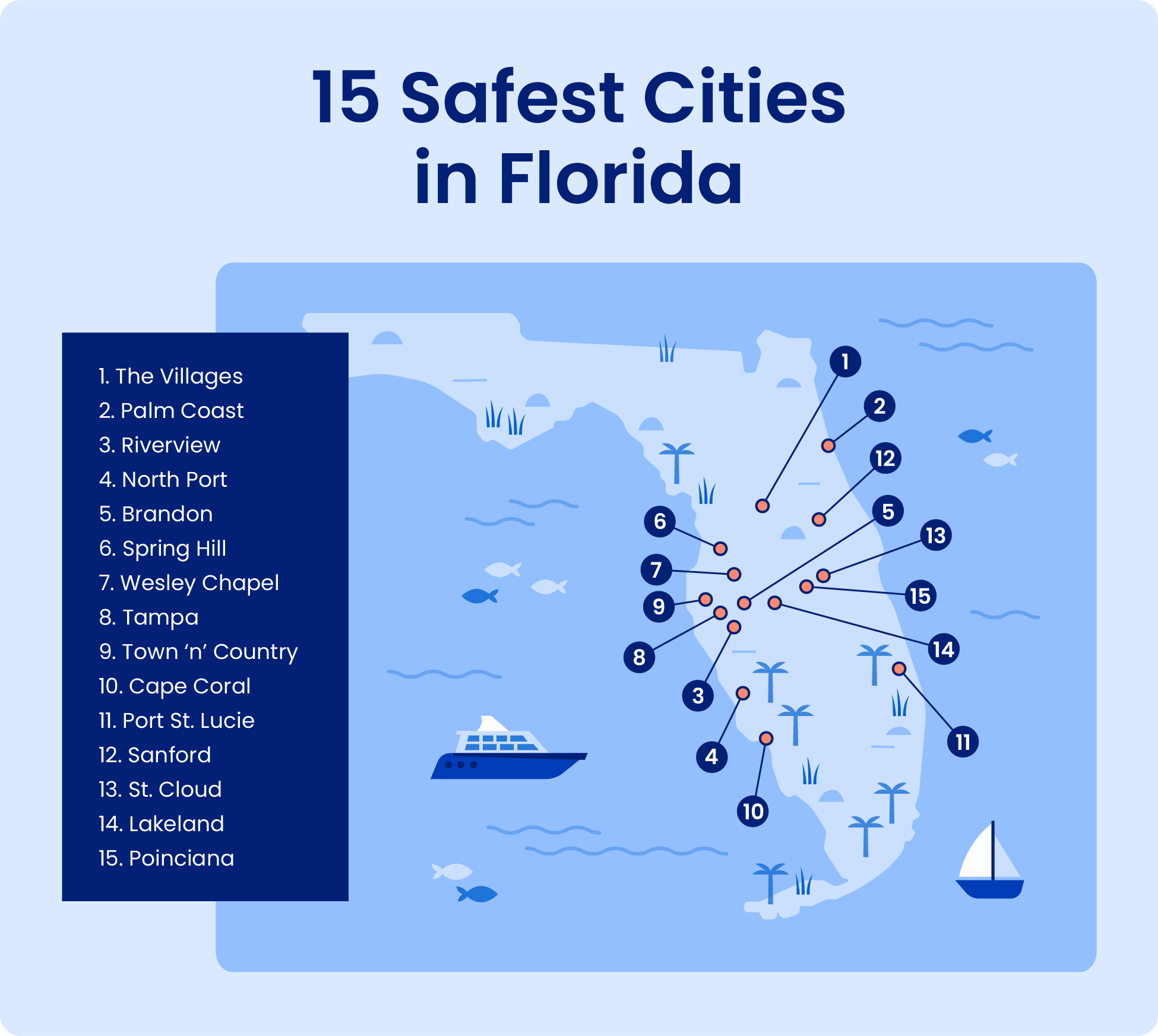
The most direct measure of safety is the prevalence of crime. This includes both violent and property crimes. Cities and towns with consistently lower reported incidents of these offenses generally offer a higher sense of security for residents. Effective and responsive law enforcement agencies play a vital role in maintaining public order and deterring criminal activity. Monitoring trends in crime data, understanding the demographics of affected areas, and assessing the community policing efforts are essential steps in evaluating safety.
Environmental Safety and Disaster Preparedness
Florida’s unique geography, particularly its extensive coastline, exposes it to the risks of hurricanes and tropical storms. Therefore, environmental safety and a community’s preparedness for such events are critical considerations. This includes the availability of robust emergency management plans, well-maintained infrastructure designed to withstand extreme weather, and accessible evacuation routes. Understanding flood zones, building codes, and the history of natural disaster response in a particular area provides a crucial layer of insight into its overall safety.
Community Well-being and Social Cohesion
A strong sense of community can significantly enhance perceived and actual safety. Neighborhoods with active civic engagement, low levels of poverty, good access to education and healthcare, and strong social networks tend to be safer. When residents feel connected and invested in their surroundings, they are more likely to look out for one another and contribute to a safer environment. Factors like the quality of local schools, availability of recreational facilities, and the presence of community events can all contribute to a more secure and desirable living environment.
Top Contenders for Safety in Florida
While every community has its unique characteristics, certain areas within Florida consistently emerge as exceptionally safe, offering residents peace of mind alongside a high quality of life. These locations often balance low crime with strong community features and a proactive approach to environmental challenges.
The Panhandle’s Peaceful Enclaves
The Florida Panhandle, known for its stunning white-sand beaches and laid-back atmosphere, harbors several communities that excel in safety. Towns like Destin and Niceville frequently appear on lists of Florida’s safest cities. These areas benefit from a combination of a strong community presence, relatively low population density in certain pockets, and diligent local law enforcement. The economy in these regions is often buoyed by tourism and military presence, which can contribute to a stable environment.
Destin: A Coastal Haven
Destin, situated along the Emerald Coast, is renowned for its turquoise waters and family-friendly environment. Its safety record is impressive, with low crime rates that foster a sense of security among its residents and visitors. The local government and law enforcement are committed to maintaining this reputation through community policing initiatives and robust emergency preparedness.
Niceville: Family-Friendly and Secure
Niceville, located a short drive from Destin, often ranks even higher for its exceptionally low crime rates. It’s a community that prides itself on its family-oriented atmosphere, good schools, and active neighborhood watch programs. The presence of the Eglin Air Force Base also contributes to a disciplined and stable environment.
Central Florida’s Secure Suburbs
Beyond the popular coastal areas, Central Florida offers a number of secure and desirable locations. Many of these are suburban communities that provide a quieter lifestyle while remaining close to urban amenities. Cities like Winter Park and Sanford are often cited for their safety and quality of life.
Winter Park: Upscale and Serene
Winter Park, a charming city just north of Orlando, is known for its beautiful tree-lined streets, upscale boutiques, and vibrant arts scene. Its safety is a significant draw, with a well-regarded police department and a strong sense of community pride. The city’s affluent nature often correlates with lower crime rates, and its planning prioritizes walkability and aesthetic appeal.
Sanford: Growing with Security in Mind

Sanford, situated on the northern shore of Lake Monroe, offers a blend of historic charm and modern development. It has made significant strides in enhancing its safety profile, with a focus on community engagement and proactive policing. Its proximity to major transportation routes and its growing economic base contribute to its appeal.
Southwest Florida’s Peaceful Retreats
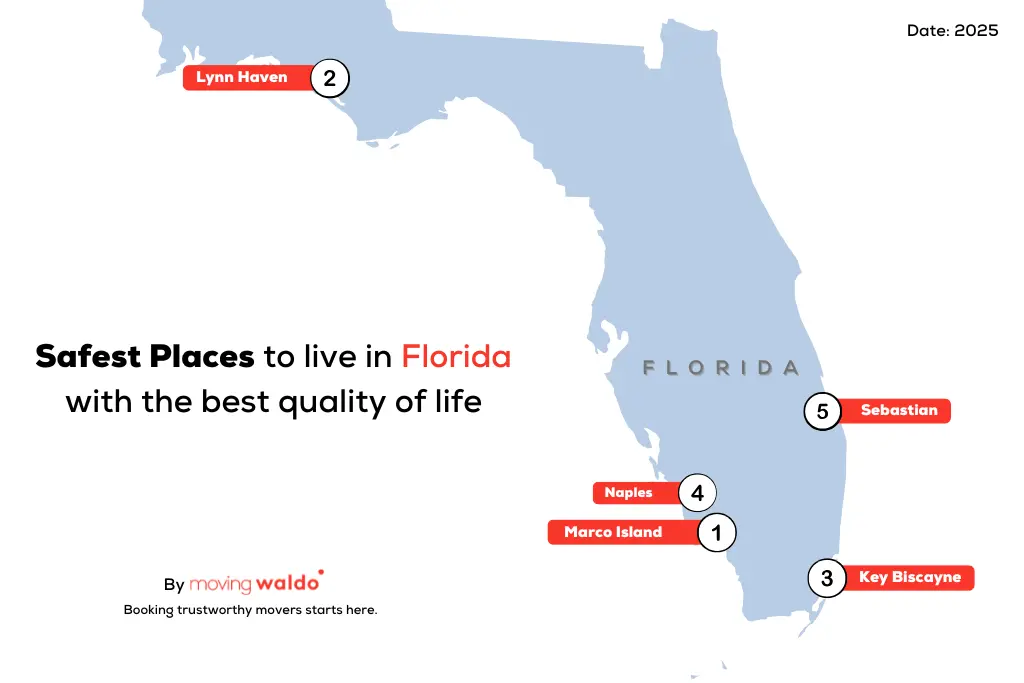
The southwest coast of Florida, with its emphasis on a relaxed lifestyle and beautiful natural surroundings, also boasts some of the safest communities in the state. Cities like Naples and its surrounding areas are frequently recognized for their high standards of living and security.
Naples: Luxury and Security Harmonized
Naples, often associated with luxury and pristine beaches, also scores highly on safety metrics. The city’s affluence, coupled with a strong focus on public safety and community well-being, contributes to its low crime rates. The local government invests in its police department and emergency services, ensuring residents feel secure.
Port Charlotte: A Tranquil Community
Port Charlotte, a growing community along the Gulf Coast, offers a more affordable yet equally safe living experience. It’s known for its tranquil atmosphere, abundant waterways, and a strong sense of local community. Efforts to enhance public safety and infrastructure contribute to its reputation as a secure place to reside.
Factors Influencing Safety in Florida
Several interconnected factors contribute to the safety of a particular locale within Florida. Understanding these elements can help individuals assess the security of any potential residential area.
Economic Stability and Opportunity
Areas with stable economies and ample employment opportunities often experience lower crime rates. When residents have access to good jobs and a reasonable cost of living, the socioeconomic pressures that can contribute to crime are reduced. Investment in local businesses and industries plays a crucial role in fostering a secure environment.
Quality of Infrastructure and Public Services
Well-maintained infrastructure, including roads, utilities, and emergency services, is fundamental to safety. Reliable water and power systems, efficient waste management, and responsive fire and police departments contribute to a community’s resilience and ability to handle crises. Access to quality healthcare facilities is also a key component of overall well-being and safety.
Community Engagement and Social Capital
The strength of a community’s social fabric is a powerful determinant of safety. Active neighborhood associations, volunteer programs, and community events foster a sense of belonging and mutual responsibility. When residents are engaged and connected, they are more likely to report suspicious activity, support local initiatives, and contribute to a positive and secure atmosphere.
Making an Informed Decision for Your Florida Home
Choosing the safest place to live in Florida requires diligent research and a clear understanding of personal priorities. While statistical data on crime is essential, it should be considered alongside other vital factors like environmental risks, economic stability, and community spirit.
Researching Local Crime Statistics
Utilizing resources from local law enforcement agencies, the Florida Department of Law Enforcement, and reputable crime mapping websites can provide valuable insights into crime trends in specific neighborhoods. It’s important to look at data over time to identify patterns and understand the context behind the numbers.
Assessing Environmental Risks
For Florida, understanding hurricane risk is non-negotiable. Consulting FEMA flood maps, reviewing building codes in different municipalities, and researching evacuation routes are crucial steps. Areas with strong building standards and robust emergency management plans are generally safer bets.
Visiting and Experiencing Communities
The best way to gauge the safety and feel of a community is to visit it. Spending time in potential neighborhoods, speaking with residents, and observing the local environment can offer invaluable qualitative data that statistics alone cannot provide. Visiting during different times of the day and week can offer a more comprehensive picture.
Ultimately, the “safest” place to live in Florida is subjective and depends on individual needs and preferences. However, by considering a holistic approach to safety, encompassing crime, environmental factors, and community well-being, individuals can make well-informed decisions that lead to a secure and fulfilling life in the Sunshine State.
LifeOutOfTheBox is a participant in the Amazon Services LLC Associates Program, an affiliate advertising program designed to provide a means for sites to earn advertising fees by advertising and linking to Amazon.com. Amazon, the Amazon logo, AmazonSupply, and the AmazonSupply logo are trademarks of Amazon.com, Inc. or its affiliates. As an Amazon Associate we earn affiliate commissions from qualifying purchases.