
Understanding California’s Smog Check Program: A Lifestyle Imperative
For anyone embracing the automotive lifestyle in California, understanding the state’s stringent smog check program is not just a regulatory hurdle; it’s a fundamental aspect of car ownership and a commitment to environmental stewardship. California has long been at the forefront of air quality control, implementing some of the nation’s most comprehensive emissions regulations. This dedication stems from a desire to combat air pollution, particularly in dense urban areas like Los Angeles and the San Joaquin Valley, where geographical features can trap pollutants, leading to adverse health effects and ecological damage.
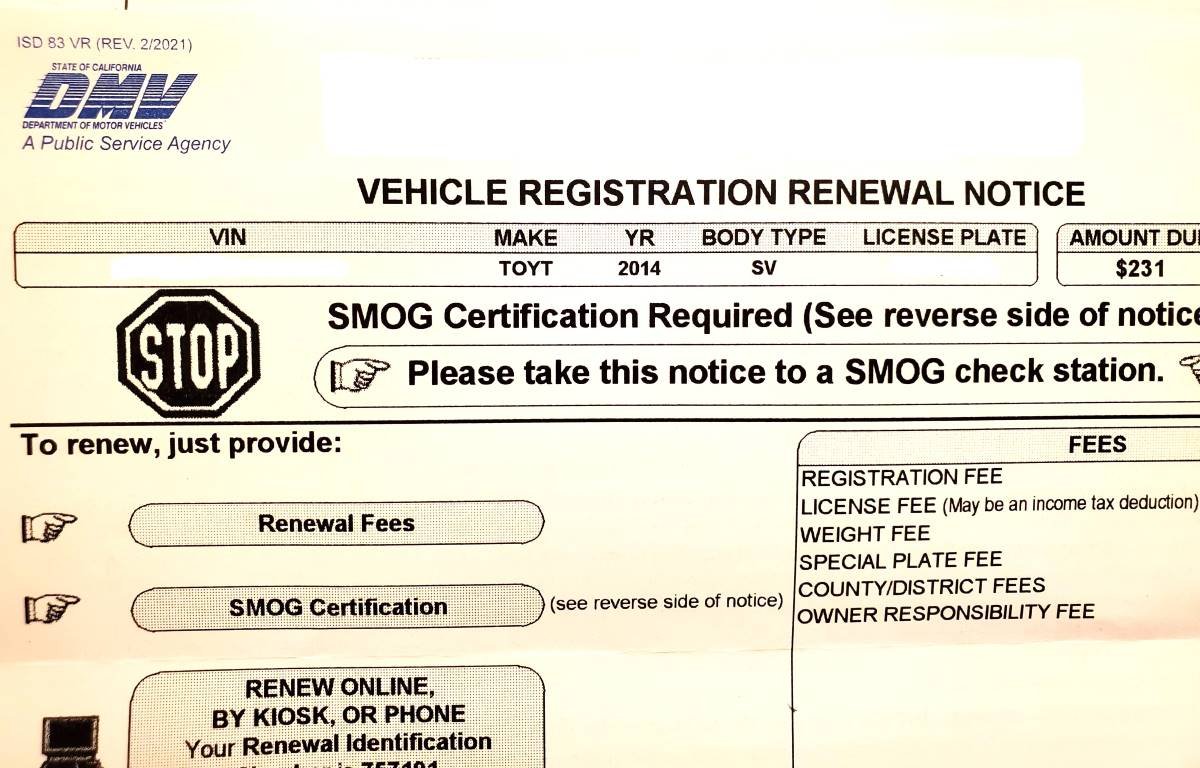
The smog check program mandates regular emissions testing for most vehicles registered in the state. This recurring requirement influences various lifestyle choices, from vehicle purchasing decisions to maintenance routines. Owning a car in California means integrating these tests into your annual or biennial planning, ensuring your vehicle meets the state’s rigorous standards. For many, the process is straightforward: visit a certified smog station, pass the test, and renew registration. However, a crucial element of this program lies in its exemptions, which can significantly alter the ownership experience for certain types of vehicles. These exemptions don’t just offer a reprieve from testing; they often define niche automotive lifestyles, such as classic car enthusiasts or early adopters of electric vehicles. Understanding these specific rules is key to navigating the unique landscape of car ownership in the Golden State, impacting everything from budget allocation for maintenance to the very choice of vehicle one drives to align with personal values and practical needs.
The Golden Rule: The 8-Year Exemption and Beyond
At the core of California’s smog check exemptions lies a series of specific rules primarily based on vehicle age, designed to balance environmental goals with the practicalities of car ownership. The most commonly misunderstood aspect is often the exemption for newer vehicles. As of recent legislation, new vehicles in California are exempt from smog checks for the first eight model years. This means if you purchase a brand-new car, or a relatively new used car, you won’t need to worry about the smog check requirement for its initial years on the road. This policy reflects the understanding that modern vehicles, especially during their early lifespan, are significantly cleaner and more efficient due to advanced manufacturing and emission control technologies. This 8-year grace period can be a significant factor in the financial planning of a household, delaying an annual or biennial expense and offering peace of mind to new car owners.
Beyond this initial period for modern vehicles, the longest-standing and perhaps most celebrated exemption applies to classic cars. Specifically, vehicles manufactured in 1975 or earlier are permanently exempt from California’s smog check program. This “1975 or older” rule is a cornerstone for the classic car community, enabling enthusiasts to maintain and drive their vintage automobiles without the burden of meeting modern emissions standards, which these vehicles were never designed to achieve. This policy acknowledges the historical and cultural significance of these older vehicles, allowing a vibrant classic car lifestyle to flourish throughout the state, from car shows in Pebble Beach to weekend cruises along the Pacific Coast Highway.
It’s important to note that the cut-off year for this exemption has shifted over time. Originally, it was a rolling 30-year exemption, which meant cars eventually became exempt once they turned 30. However, in 2005, the law was changed, freezing the exemption at the 1975 model year. This means that cars from 1976 and newer are subject to smog checks, regardless of their age, unless they fall under other specific exemption categories. This legislative decision significantly altered the landscape for owners of vehicles from the late 1970s, 1980s, and 1990s, who must continue to comply with smog testing requirements. Understanding this historical context is vital for anyone considering purchasing an older vehicle in California, as it directly impacts the long-term cost and effort associated with vehicle ownership and maintenance, shaping how they experience their automotive lifestyle.
Navigating Exemptions: Classic Cars, Electric Vehicles, and More
California’s smog check program, while broad in its application, offers a diverse set of exemptions that cater to various vehicle types and ownership lifestyles. These exemptions are not merely loopholes; they reflect deliberate policy decisions to encourage certain vehicle technologies, preserve automotive history, or address practical limitations.
Classic Cars (Pre-1976): The Heritage Lifestyle
As previously highlighted, the exemption for vehicles manufactured in 1975 or earlier is paramount for the classic car enthusiast lifestyle. This particular rule allows owners of vintage Mustangs, Corvettes, and countless other historically significant vehicles to preserve and operate them without the often-impossible task of modifying them to meet contemporary emission standards. This fosters a vibrant community dedicated to restoration, showing, and simply enjoying the driving experience of yesteryear. For these individuals, owning a pre-1976 vehicle is more than just transportation; it’s a passion, a hobby, and a connection to automotive heritage. The exemption significantly reduces the financial and logistical burden, allowing more resources to be allocated to meticulous maintenance and restoration, which are hallmarks of this lifestyle.
Electric Vehicles (EVs): The Sustainable Lifestyle
Embracing the future, all-electric vehicles (EVs) are entirely exempt from smog checks. This exemption is a powerful incentive within California’s robust push for sustainable transportation. EVs, by their very nature, produce zero tailpipe emissions, rendering a smog check irrelevant. This policy aligns perfectly with an eco-conscious lifestyle, providing a clear benefit for those choosing to reduce their carbon footprint. The ease of EV ownership, free from fuel stops and emissions tests, is a significant draw for many Californians seeking a cleaner, more streamlined commute or travel experience. It underscores a societal shift towards cleaner air and a reduced reliance on fossil fuels, with the state’s regulatory framework actively supporting this transition.
Hybrid Vehicles (Partial Exemption for Newer Models): The Transition Lifestyle
While not fully exempt in the long term, hybrid vehicles often receive a temporary reprieve. Newer hybrid models, typically within the first eight model years, are also exempt from smog checks, similar to their conventional gasoline counterparts. This acknowledges the significantly lower emissions produced by hybrids compared to non-hybrid vehicles. However, after this initial period, hybrids typically become subject to regular smog checks, though their advanced systems often make passing easier than older, high-emission gasoline vehicles. This supports a transitional lifestyle for those moving towards full electrification but still requiring the range and flexibility of a gasoline engine.
Other Notable Exemptions:
- Motorcycles: Motorcycles, regardless of their age, are generally exempt from smog checks in California. This allows a unique two-wheeled lifestyle to flourish without this particular regulatory concern.
- Heavy-Duty Vehicles: Diesel-powered vehicles from model year 1998 and newer with a Gross Vehicle Weight Rating (GVWR) of over 14,000 pounds are subject to the Heavy-Duty Diesel Smoke Inspection Program, not the standard light-duty smog check. Older diesel vehicles, especially pre-1998, also have different rules.
- Natural Gas Vehicles: Vehicles powered exclusively by natural gas that weigh over 14,000 pounds are exempt.
- Out-of-State Vehicles (Temporary): If you’re simply visiting California and your car is registered in another state, you are generally not subject to California’s smog check requirements unless you become a resident and register your vehicle here.
Verifying a vehicle’s specific exemption status is crucial. The California Department of Motor Vehicles (DMV) provides detailed information, and the Bureau of Automotive Repair (BAR) website is an invaluable resource for understanding the nuances of the program. For many, these exemptions shape not just their choice of vehicle, but also their financial commitments and environmental footprint, influencing their overall automotive lifestyle in the state.
Impact on Car Ownership and Travel Lifestyles in California
The intricate web of smog check regulations and exemptions in California profoundly influences car ownership and, by extension, the travel lifestyles of its residents. These rules extend beyond mere compliance; they shape purchasing decisions, long-term maintenance strategies, and even the feasibility of certain recreational pursuits.
For those considering a vehicle purchase, the smog exemption status can be a significant determinant. A consumer looking for a daily driver might prioritize a newer vehicle to take advantage of the 8-year exemption, offering a period of reduced hassle and cost. This choice aligns with a practical, low-maintenance lifestyle, where predictable expenses are valued. Conversely, a prospective buyer might actively seek out a pre-1976 classic car, knowing it will be permanently exempt from smog checks. This decision often reflects a passion-driven lifestyle, where the allure of vintage aesthetics and mechanical simplicity outweighs the potential for higher fuel consumption or more frequent repairs. The exemption directly supports the classic car community, making it more viable to own and operate these pieces of automotive history, which in turn fuels local car shows, restoration shops, and parts suppliers across the state.
The impact on travel lifestyles is equally significant. California is a state renowned for its diverse landscapes, making road trips a cherished activity. For owners of smog-exempt classic cars, hitting the open road along the Pacific Coast Highway or through the Napa Valley becomes a distinct experience, free from the concern of a future emissions test. This contributes to a sense of freedom and authenticity in their travel. Imagine driving a perfectly restored 1960s convertible through the Mojave Desert, without the looming dread of failing a smog check back home. This lifestyle is distinct from those driving newer, non-exempt vehicles who, while enjoying modern amenities, always have the eventual smog test in the back of their minds as a routine maintenance item.
Moreover, the prevalence of electric vehicle exemptions actively promotes an environmentally conscious travel lifestyle. EV owners can explore California’s expansive charging network, confident in their zero-emission footprint and the complete absence of smog check requirements. This encourages longer journeys and a greater integration of sustainable practices into their travel plans, supporting destinations that cater to EV charging. The cost savings associated with avoiding smog checks, combined with lower fuel costs, can also free up budget for other travel experiences, enhancing the overall quality of life. In essence, California’s smog exemptions don’t just regulate vehicles; they subtly steer automotive and travel preferences, creating distinct lifestyles rooted in compliance, passion, and environmental responsibility.
Future Trends and Smog Regulations: Planning Your Automotive Lifestyle
The landscape of automotive regulations in California is dynamic, constantly evolving in response to environmental imperatives, technological advancements, and societal shifts. For anyone building an automotive lifestyle in the Golden State, understanding these potential future trends is crucial for informed decision-making and sustainable planning. California’s long-term commitment to improving air quality means that regulations, while sometimes adapted, generally trend towards stricter enforcement and expanded scope, particularly concerning internal combustion engines.
One significant trend is the continued push towards electrification. With ambitious targets set for the phase-out of new gasoline vehicle sales by 2035, the emphasis on electric vehicles (EVs) will only intensify. This means the complete smog exemption for EVs will become an increasingly attractive factor, influencing more Californians to adopt an electric-powered lifestyle. As charging infrastructure expands and EV range improves, the convenience and environmental benefits will further cement EVs as the preferred choice for a substantial portion of the population, fundamentally altering the traditional automotive experience. This will likely lead to even greater divergence in the lifestyles of EV owners versus those who continue to rely on gasoline-powered vehicles.
For conventional gasoline vehicles, while the pre-1976 exemption for classic cars is largely considered stable due to its historical and cultural significance, it’s not immune to potential future discussions. However, changes, if any, are likely to focus on tightening regulations for newer gasoline vehicles, perhaps extending smog checks to even younger models or implementing more rigorous testing procedures. There’s an ongoing effort to ensure that even seemingly compliant vehicles are operating at optimal emission levels throughout their lifespan. This could mean increased scrutiny for vehicles within the current 8-year exemption window, or changes to how hybrid vehicles are treated post-exemption.
Furthermore, remote sensing technology and on-board diagnostics (OBD-II) are playing an increasingly important role in emissions monitoring. Future regulations might leverage these technologies to identify high-polluting vehicles more efficiently, potentially leading to roadside emissions checks or more frequent testing triggers based on real-world driving data. This could shift the burden from scheduled inspections to continuous compliance, requiring owners to be even more vigilant about their vehicle’s maintenance and performance.
For the savvy California car owner, planning your automotive lifestyle means staying informed. Regularly checking updates from the California Air Resources Board (CARB), the Department of Motor Vehicles, and the Bureau of Automotive Repair is essential. Whether you choose to invest in a classic car, embrace an electric future, or continue with a modern gasoline vehicle, understanding the evolving regulatory environment allows you to make choices that are not only compliant but also align with your financial goals, environmental values, and desired automotive experiences within this forward-thinking state. Adaptability and foresight will be key components of an enjoyable and sustainable automotive lifestyle in California for years to come.
LifeOutOfTheBox is a participant in the Amazon Services LLC Associates Program, an affiliate advertising program designed to provide a means for sites to earn advertising fees by advertising and linking to Amazon.com. Amazon, the Amazon logo, AmazonSupply, and the AmazonSupply logo are trademarks of Amazon.com, Inc. or its affiliates. As an Amazon Associate we earn affiliate commissions from qualifying purchases.