
The question of when Disney World first opened its gates in Orlando is a significant one for anyone planning a visit or simply interested in the history of theme park tourism. The October 1, 1971, opening date marks the commencement of an era that would redefine family entertainment and solidify Florida‘s status as a premier vacation destination. This inaugural day wasn’t just about the launch of a new park; it was the culmination of years of visionary planning, groundbreaking engineering, and ambitious construction, all aimed at creating a magical kingdom that would capture the imaginations of millions.
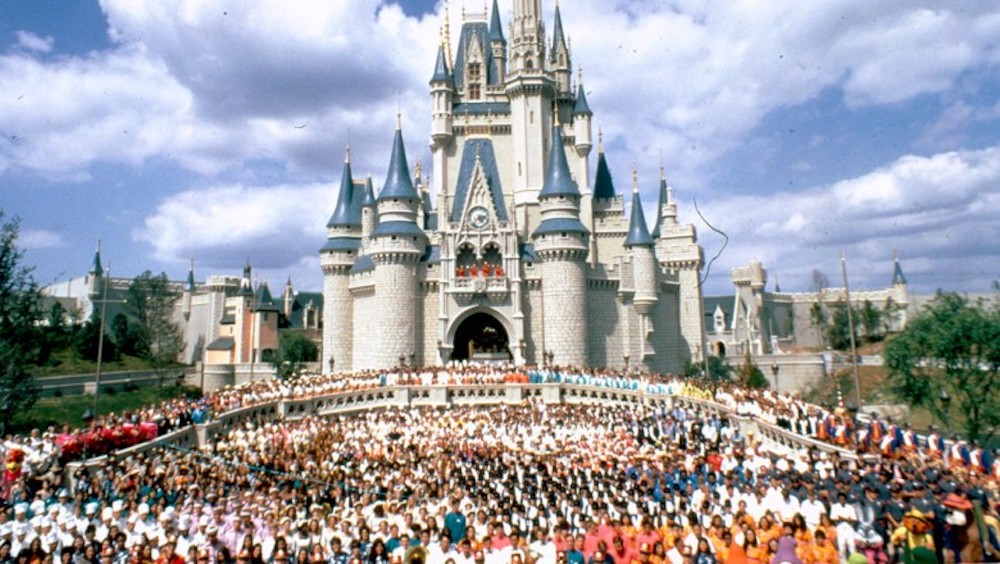
The genesis of Walt Disney World can be traced back to the dreams of Walt Disney himself. Dissatisfied with the commercialization and perceived limitations of his original Disneyland in Anaheim, California, he envisioned a much grander project. He sought a location with ample space for expansion, a favorable climate, and access to transportation. After an extensive search, Central Florida emerged as the ideal candidate, offering thousands of acres of undeveloped land and proximity to major transportation hubs, including the growing Orlando International Airport. The acquisition of this land, much of it through shell corporations to maintain secrecy, was a monumental undertaking. The vision was not just for a single theme park, but for an entire vacation resort, complete with entertainment, accommodation, and recreational facilities.
The Grand Opening: A New Era of Theme Park Experience
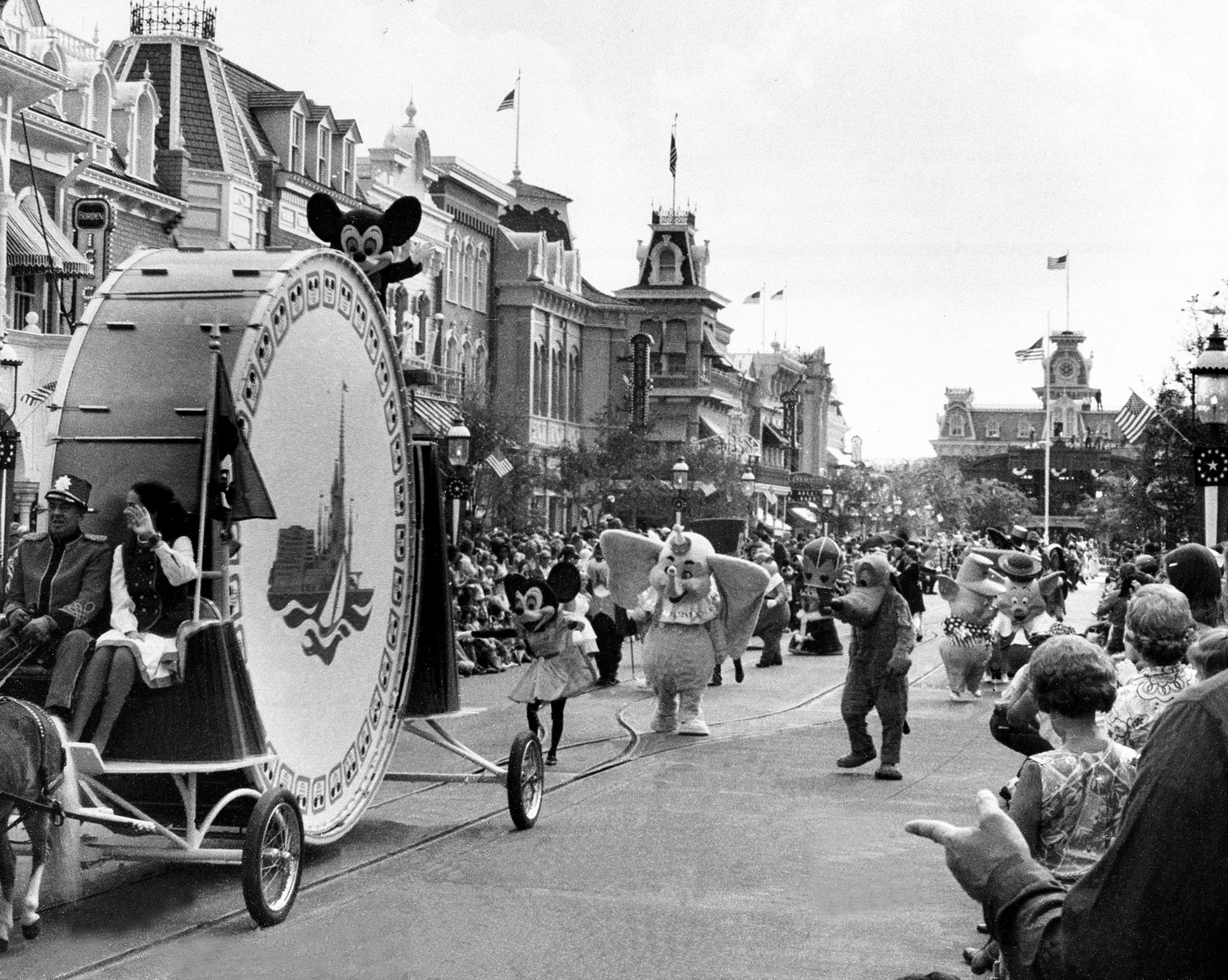
The day of October 1, 1971, was a day of immense anticipation and celebration. While it was a soft opening, meaning not all attractions were fully operational, the park that greeted its first guests was the Magic Kingdom. This park, designed as a tribute to American heritage and fantasy, was the heart of the initial vision. Guests stepped through the entrance into a world designed to evoke wonder and escapism, a stark contrast to the everyday lives they left behind.
The Inaugural Offerings
On opening day, guests were treated to a curated selection of experiences that would become iconic. The centerpiece was Cinderella Castle, a majestic structure that immediately became a symbol of the park. The park was divided into distinct “lands,” each offering a unique atmosphere and set of attractions:
- Main Street, U.S.A.: Designed to resemble a turn-of-the-century American town, this area served as the welcoming promenade, complete with shops and dining.
- Adventureland: This exotic land transported guests to tropical jungles with attractions like the Jungle Cruise, offering a satirical and adventurous journey.
- Frontierland: Celebrating the American West, this land featured the Country Bear Jamboree, a unique animatronic musical revue, and the Walt Disney World Railroad, which circled the park.
- Fantasyland: The realm of fairy tales, Fantasyland was home to classic dark rides such as Peter Pan’s Flight and It’s a Small World, bringing beloved stories to life.
- Tomorrowland: This futuristic zone explored the potential of the future, featuring attractions like the Carousel of Progress, showcasing technological advancements.
While the full scope of what Disney World would become was still unfolding, the foundational elements were present on that momentous day. The opening day attendance was robust, though not as overwhelming as subsequent years, allowing for a somewhat smoother introduction to the park’s operations. The initial focus was on creating a seamless experience, a hallmark of the Disney brand.
Beyond the Gates: The Resort Component
A crucial aspect of Walt Disney World’s original concept, and a key differentiator from Disneyland, was the integration of themed resort hotels. These were not merely places to sleep but extensions of the magical experience. The opening of Disney World in 1971 also marked the debut of its initial lodging facilities.
The First Hotels to Welcome Guests
Three distinct resorts opened their doors concurrently with the park, each offering a unique theme and amenities designed to cater to a variety of vacationers:
- Disney’s Contemporary Resort: This A-frame marvel, with its distinctive monorail track running through its center, offered a sleek, modern aesthetic and stunning views of the surrounding landscape. It was designed to be a hub of activity, featuring an array of dining options and spacious guest rooms.
- Disney’s Polynesian Village Resort: Evoking the spirit of the South Pacific, this resort immersed guests in a tropical paradise with lush landscaping, traditional thatched roofs, and a serene beachfront. It provided a tranquil escape, complete with thematic dining and entertainment.
- Disney’s Fort Wilderness Resort & Campground: Catering to a different segment of travelers, this expansive resort offered a rustic camping experience. Guests could bring their own RVs or rent cabins, enjoying the embrace of nature while still being close to the magic of the theme park. It featured horseback riding, campfire sing-alongs, and a unique opportunity to experience the outdoors within the resort.
The synergy between the theme park and these on-site hotels was a revolutionary concept in the hospitality and entertainment industries. Guests could immerse themselves in the Disney experience from the moment they checked in, enjoying convenient access to the park via the innovative monorail system and other transportation options. This integrated approach created a comprehensive vacation package, setting a new standard for resort development.
The Impact and Evolution Since 1971
The opening of Disney World on October 1, 1971, was more than just the launch of a theme park; it was the catalyst for significant economic and cultural development in Central Florida. The resort’s success spurred the growth of surrounding communities, attracting further tourism, hospitality, and retail businesses.
Growth and Expansion
From its initial single park and three hotels, Walt Disney World has evolved into the world’s largest and most visited vacation destination. Subsequent decades saw the addition of new theme parks, including Epcot (1982), Disney’s Hollywood Studios (formerly Disney-MGM Studios) (1989), and Disney’s Animal Kingdom (1998). The number of resort hotels also grew exponentially, offering a vast array of choices from value accommodations to deluxe villas. Water parks, shopping districts like Disney Springs, and countless other entertainment venues have been added, creating a self-contained vacation universe.

A Legacy of Innovation
The operational strategies and guest service standards established by Walt Disney and his team on opening day continue to influence the theme park industry. The commitment to storytelling, attention to detail, and relentless pursuit of guest satisfaction have become synonymous with the Disney brand. The original vision of creating a place “where dreams come true” has been realized and expanded upon over the decades, ensuring that the magic first unleashed on October 1, 1971, continues to enchant generations of visitors from around the globe. The success of Disney World stands as a testament to pioneering foresight, innovative design, and an enduring dedication to creating unparalleled guest experiences.
LifeOutOfTheBox is a participant in the Amazon Services LLC Associates Program, an affiliate advertising program designed to provide a means for sites to earn advertising fees by advertising and linking to Amazon.com. Amazon, the Amazon logo, AmazonSupply, and the AmazonSupply logo are trademarks of Amazon.com, Inc. or its affiliates. As an Amazon Associate we earn affiliate commissions from qualifying purchases.