
The history of the American Southwest is a tapestry woven with indigenous heritage, Spanish colonial influence, and the eventual expansion of the United States. To understand the modern landscape of the Land of Enchantment, one must first look at the pivotal moment when the territory officially transitioned into the 47th state of the Union. New Mexico officially became a state on January 6, 1912, marking the culmination of a long, complex, and often turbulent journey toward political integration.
The Long Road to Statehood: A Historical Perspective
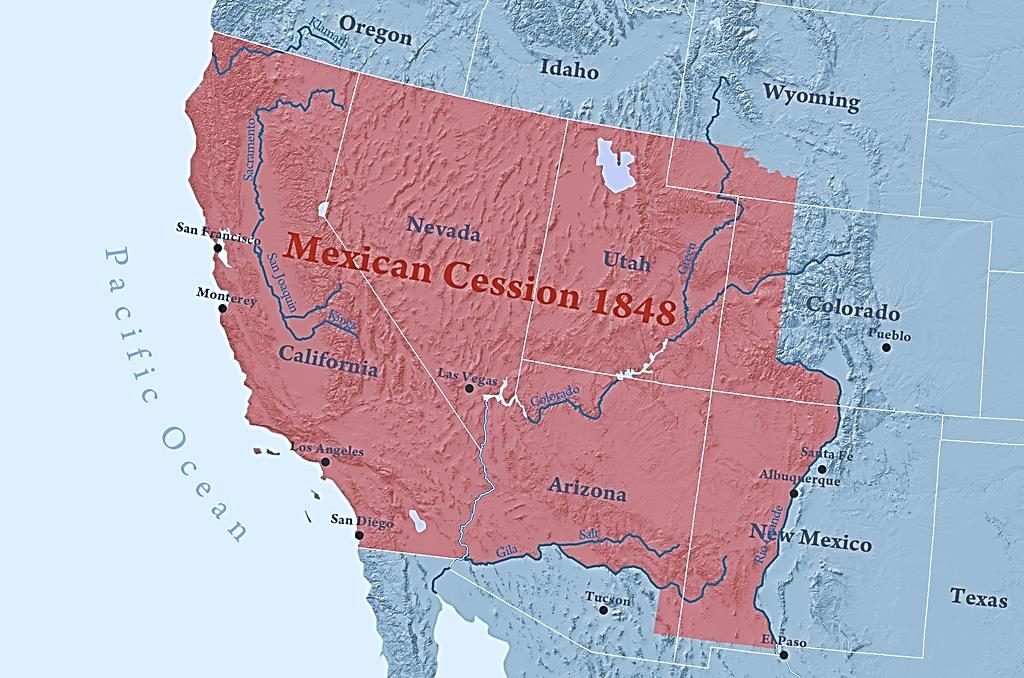
The path to statehood for New Mexico was significantly longer than that of most other states. Following the Mexican-American War and the Treaty of Guadalupe Hidalgo in 1848, the region transitioned from Mexican rule to a territory of the United States. Despite this change in sovereignty, the local population faced decades of skepticism from Washington D.C. regarding their cultural differences, religious practices, and the prominence of the Spanish language.

Overcoming Political Resistance
For over sixty years, New Mexico existed in a state of political limbo. Territorial status meant that the citizens of New Mexico were subject to federal laws but lacked full representation in the U.S. Congress. Influential politicians in the East frequently opposed statehood, citing concerns over the territory’s perceived lack of “Americanization.” It wasn’t until the turn of the 20th century that the dynamic began to shift, as the territory’s economic potential—particularly in mining, ranching, and the growing interest in the unique cultural landscape—made it impossible to ignore.
The Constitutional Convention of 1910
The final push for statehood was solidified by the New Mexico Constitutional Convention held in Santa Fe in 1910. Delegates worked diligently to draft a constitution that would satisfy federal requirements while protecting the rights of the state’s diverse population, including the Spanish-speaking citizenry. The resulting document was a progressive piece of legislation for its time, ensuring that the rights of those who voted and held office would not be restricted by race, color, or the ability to speak English—a crucial protection for the majority of the population at the time.
Cultural Heritage and the Birth of a State
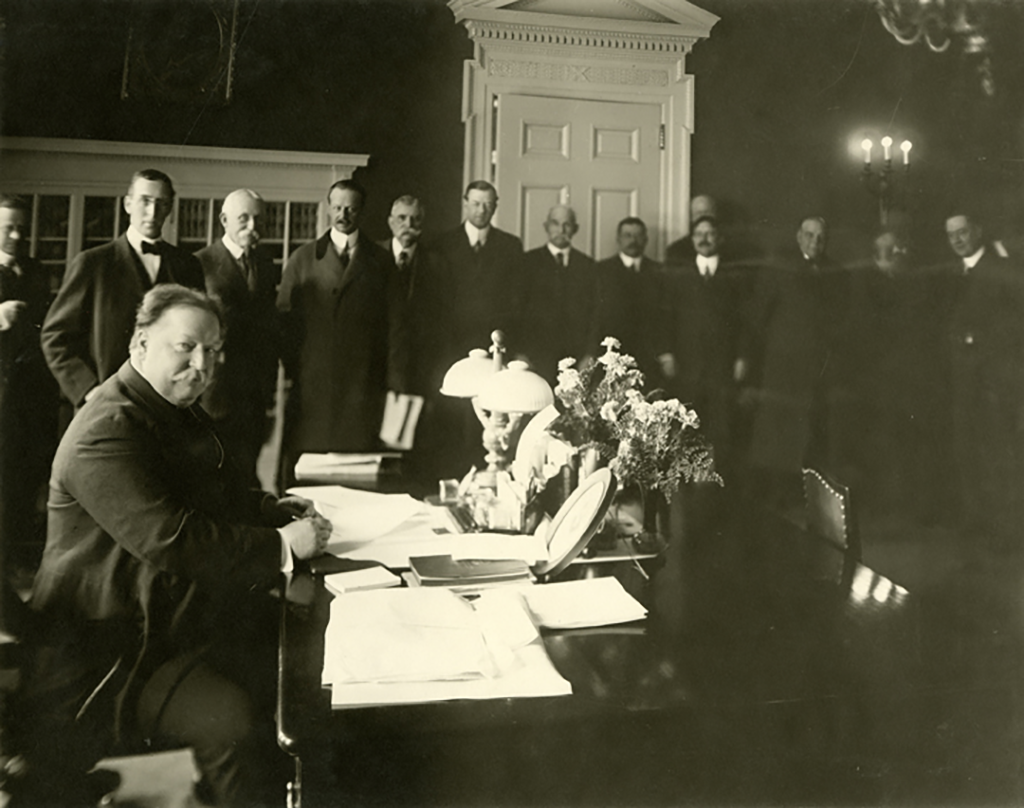
When President William Howard Taft signed the proclamation admitting New Mexico into the Union, it didn’t just alter the map; it validated a unique cultural identity that had been forming for centuries. The state’s history is inextricably linked to the intersection of Native American, Spanish, and Anglo-American traditions, a blend that continues to define the region today.
The Legacy of Spanish and Mexican Influence
The influence of the Spanish colonial period is visible in the architecture of Albuquerque and the winding streets of Taos. By the time of statehood, the state had already preserved a deep connection to its past, including the ancient Pueblo cultures that thrived in the high desert long before European arrival. The integration of these cultures into the state structure ensured that the heritage of the region would be preserved within the framework of modern governance.
Architecture and the Land of Enchantment
Following the 1912 statehood, the aesthetic of the region began to solidify into what is now recognized as the Pueblo Revival architecture. Famous landmarks, such as the San Miguel Chapel, serve as reminders of this architectural evolution. The blend of adobe structures and modern development has become a hallmark of the state, drawing travelers from across the globe to witness the unique aesthetic that emerged from the state’s long gestation period.
New Mexico as a Modern Destination
Since 1912, the state has evolved into a major hub for tourism and historical research. Understanding that New Mexico became a state in the early 20th century provides necessary context for visitors who traverse the high mesas and river valleys. The state is home to a variety of protected sites that showcase the history leading up to and following that momentous year.
Exploring Historical Landmarks
Visitors often flock to White Sands National Park or the Carlsbad Caverns National Park, which offer natural wonder alongside the human-made history of the state. These sites, and many others, tell the story of a land that remained resilient through the frontier era and flourished after achieving statehood. Chaco Culture National Historical Park further emphasizes the deep history of the region, reminding us that the 1912 statehood is merely a recent chapter in a much longer narrative of human habitation in North America.
The Evolution of the Frontier
In the years after 1912, New Mexico transitioned from a rugged frontier into a state recognized for its contributions to science, art, and literature. The establishment of Los Alamos and the subsequent scientific advancements further cemented the state’s importance on the national stage. Simultaneously, artists like Georgia O’Keeffe found inspiration in the stark, beautiful landscapes of Ghost Ranch, turning the state into a world-renowned destination for the arts.
Reflection on a Century of Statehood
Reflecting on the year 1912 allows us to appreciate the resilience of the local populations who insisted on their inclusion in the United States while maintaining their distinct cultural heritage. The transition from a territory to a state was not simply a bureaucratic formality; it was a recognition of a vibrant, living culture that possessed its own unique set of values, traditions, and priorities.
The Significance of 1912
Today, the year 1912 is commemorated throughout the state in museums and public plazas. It serves as a reminder that the democratic process, while slow, eventually accounted for the diversity of the American Southwest. The New Mexico History Museum offers extensive exhibits on this transition, providing deep insights into the challenges faced by the original territorial citizens.
The Enduring Spirit of the Land
As travelers explore the high deserts of Southern New Mexico or the alpine forests of the Sangre de Cristo Mountains, the spirit of the state’s history is palpable. The transition into the Union opened the door for modernization while leaving intact the deep roots of the Navajo, Apache, and other indigenous nations who have stewarded the land for generations. New Mexico stands today as a testament to the strength found in diversity—a core principle that was debated, defended, and eventually secured at the time of its statehood over a century ago. Whether one is visiting for the historical architecture, the breathtaking nature, or the rich cultural tapestry, understanding the timeline of its entry into the Union enriches every experience in this extraordinary state.
LifeOutOfTheBox is a participant in the Amazon Services LLC Associates Program, an affiliate advertising program designed to provide a means for sites to earn advertising fees by advertising and linking to Amazon.com. Amazon, the Amazon logo, AmazonSupply, and the AmazonSupply logo are trademarks of Amazon.com, Inc. or its affiliates. As an Amazon Associate we earn affiliate commissions from qualifying purchases.