
The neighborhood known as Skid Row remains one of the most widely discussed and historically significant areas within the sprawling urban landscape of Los Angeles. Located in the heart of Downtown Los Angeles, this 50-block district serves as a profound case study in urban geography, social history, and the evolution of American metropolitan centers. Understanding its precise location requires a look at both the physical boundaries and the cultural intersection points that define this complex part of California.
Defining the Geographic Boundaries
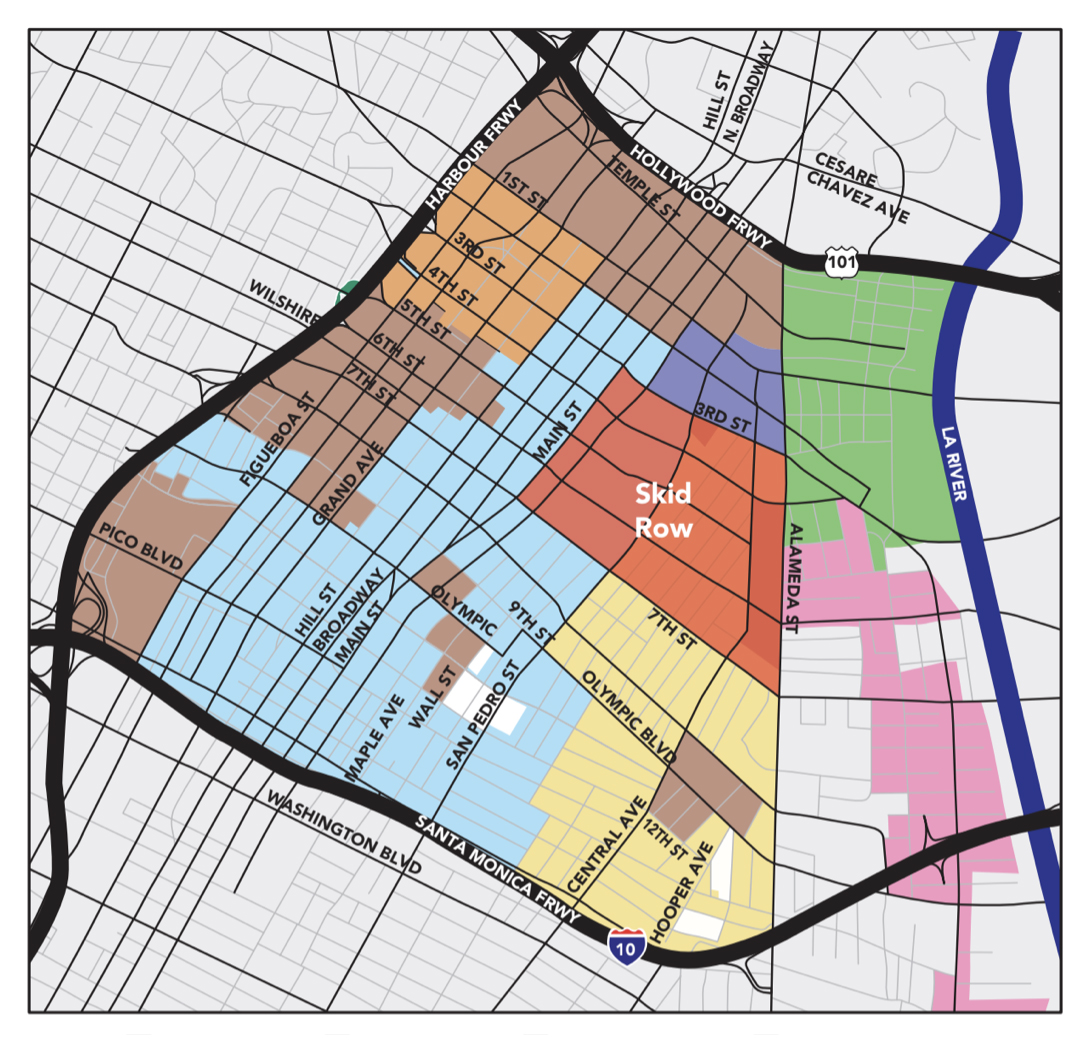
Skid Row is situated just to the east of the primary business and commercial districts of Los Angeles. Its boundaries are generally recognized by city planners and local officials as being roughly bordered by Third Street to the north, Seventh Street to the south, Alameda Street to the east, and Main Street to the west. This specific enclave occupies a pivotal position in the United States, resting near the historic core of the city while remaining physically distinct from the rapidly gentrifying neighborhoods that surround it.
Proximity to City Landmarks
The neighborhood sits in a location that puts it in direct contact with various facets of Los Angeles history and development. To its west lie the Historic Core, which features early 20th-century architecture that once served as the commercial center of the city. To the north, the Civic Center houses many of the city’s governmental institutions, creating a unique proximity between administrative power and the area’s dense population of residents in need.
The Transit Connection
Accessibility to the area is often discussed through the lens of public transit. Being part of the greater Downtown Los Angeles grid, the neighborhood is served by various bus lines and is within reach of the Los Angeles Metro system. While it is not a traditional tourist destination, the streets here are heavily traversed by commuters and service providers navigating the wider expanse of Southern California.
Historical Context of the District
The location of Skid Row was not accidental; it developed as a byproduct of the city’s growth in the late 19th and early 20th centuries. Originally, the area was known for its abundance of boarding houses, mission halls, and transit hubs that catered to seasonal workers and laborers arriving by train.
From Labor Hub to Social Service Center
As Los Angeles expanded, the demographics of the neighborhood shifted. The presence of Union Station and the proximity to the bustling Fashion District meant that many transient individuals congregated here. Over the decades, charitable organizations, non-profits, and government agencies began centralizing their services in this specific quadrant of the city. This consolidation of resources—including The Midnight Mission and various Salvation Army facilities—solidified the location as the epicenter for social support services in the region.

The Role of Urban Planning
In the mid-20th century, the City of Los Angeles adopted a “containment policy” aimed at concentrating social services within this specific geographic footprint. This policy was intended to keep services accessible to those who needed them most, yet it also created a distinct geographic divide between the neighborhood and the rest of the thriving Downtown Los Angeles community. This historical decision continues to shape the neighborhood’s identity today, as modern urban planners grapple with how to reintegrate the area into the broader fabric of the metropolis.
Navigating the Modern Landscape
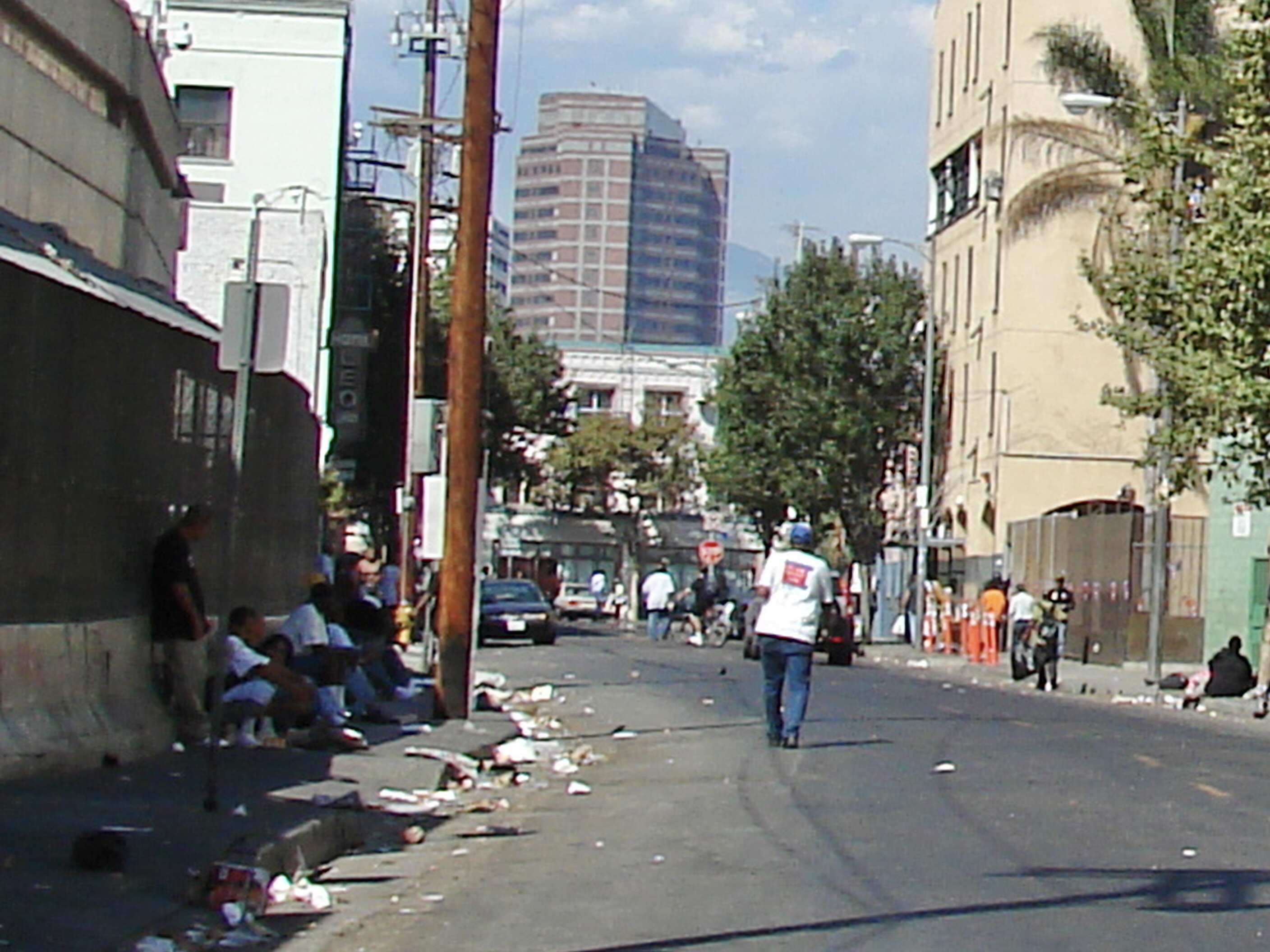
Today, the location of Skid Row is a point of constant tension between the preservation of historical social infrastructure and the forces of development. Visitors or researchers looking to understand the neighborhood often find that it is a space of stark contrasts.
Architectural Landmarks
While often overlooked for its aesthetics, the area contains significant architectural history. Many of the older, single-room occupancy (SRO) hotels found along San Pedro Street and Wall Street are remnants of an era when Los Angeles was a rapidly industrializing city. These structures tell a story of housing, migration, and economic change that is essential to the identity of the entire Pacific Coast.
The Intersection of Culture and Community
Despite its struggles, the area is home to a vibrant, tight-knit community that expresses itself through art and grassroots advocacy. Local organizations frequently host community gatherings, and the sidewalks are often adorned with murals that reflect the diverse backgrounds of the residents. It is a location that challenges the visitor to look beyond the surface level, encouraging a deeper understanding of the complex human stories that persist within the borders of Los Angeles County.
The Future of the District
The question of where Skid Row is located is ultimately a question about the future of Downtown Los Angeles. As luxury high-rises and new residential projects continue to crop up in nearby areas like the Arts District and Little Tokyo, the boundaries of this historic neighborhood are being pressured from all sides.
Gentrification and Urban Shift
The proximity of high-value real estate to the traditional social service hub has led to heated debates regarding land use. Developers, policy makers, and community advocates are engaged in ongoing dialogues about how to modernize the area without displacing the vulnerable populations that have historically relied on its location for safety and resources.
A Lasting Legacy
Regardless of how its boundaries shift in the coming years, Skid Row will always remain a defining geographic feature of California. It represents the intersection of public policy, social welfare, and the relentless expansion of Los Angeles. To know its location is to know a vital piece of the city’s complex heart. Whether observed from the perspective of urban history, social science, or city planning, this neighborhood remains a central piece of the puzzle that makes Downtown Los Angeles one of the most dynamic and challenging urban centers in the United States. Its location is not just a coordinate on a map; it is a permanent fixture in the collective consciousness of the region.
LifeOutOfTheBox is a participant in the Amazon Services LLC Associates Program, an affiliate advertising program designed to provide a means for sites to earn advertising fees by advertising and linking to Amazon.com. Amazon, the Amazon logo, AmazonSupply, and the AmazonSupply logo are trademarks of Amazon.com, Inc. or its affiliates. As an Amazon Associate we earn affiliate commissions from qualifying purchases.